Castle of Petite-Pierre
The Castle of Petite-Pierre, located in the town of La Petite-Pierre, France, is a remarkable example of a high medieval fortress with a history stretching back to the late 12th century. Built atop an earlier stronghold, this castle has witnessed centuries of noble lineage, military strategy, and architectural evolution, making it an important cultural landmark in the region.
Early construction and noble heritage
The castle's origins trace to the end of the 12th century, attributed to Count Hugo, who is traditionally regarded as its original constructor. The site initially served as a strategic defensive position, benefiting from its elevated location typical of a hill castle. Over the centuries, it became home to several prominent noble families, including the Counts of Lutzelstein and the Count Palatine of Veldenz, each contributing to its development and stature.
In the early 13th century, the castle briefly came under the control of the Bishop of Strasbourg, serving as an episcopal stronghold. This period highlights the castle's importance not only as a military asset but also as a political and religious center in the region.
Strategic military significance and vauban's enhancements
The castle's military value was underscored in the late 17th century when the French Army occupied it in 1677 during the reign of King Louis XIV. Following the annexation of the region to the Kingdom of France in 1680, the renowned military engineer Sébastien Le Prestre de Vauban was commissioned to strengthen its fortifications. Vauban's work transformed the castle into a formidable defensive site, controlling the crucial passage between Alsace and Lorraine.
Vauban's enhancements included the addition of bastioned fortifications and improvements to the castle's defensive walls and artillery positions, reflecting the evolution of military architecture in response to advances in siege warfare.
Architectural features and layout
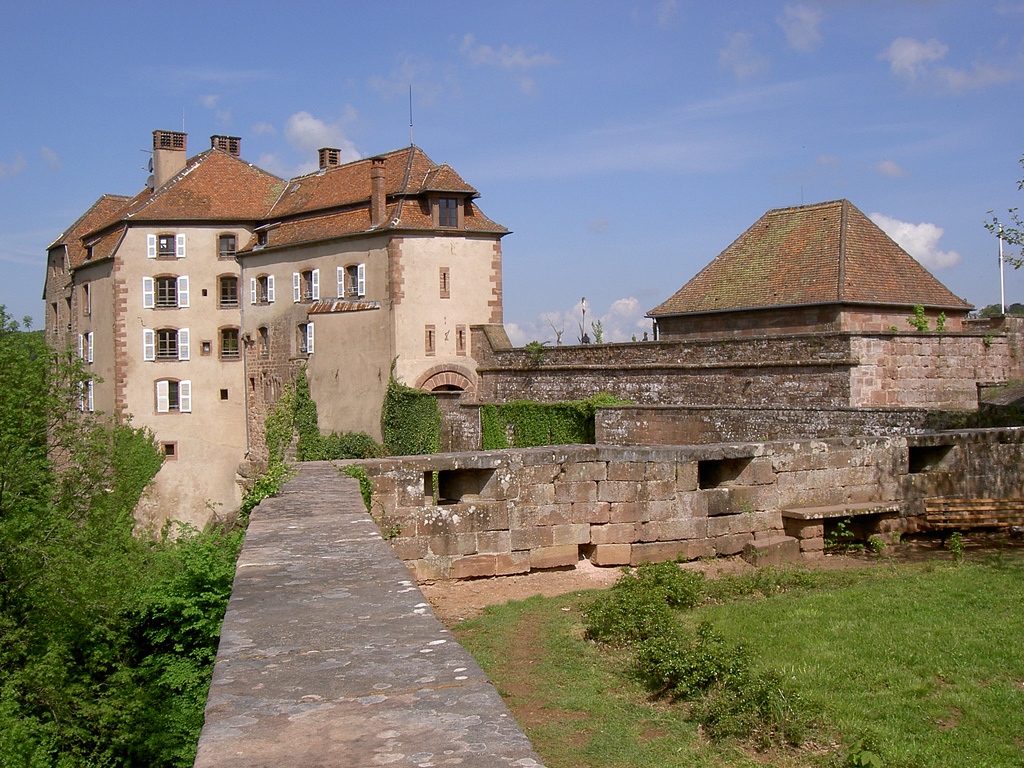
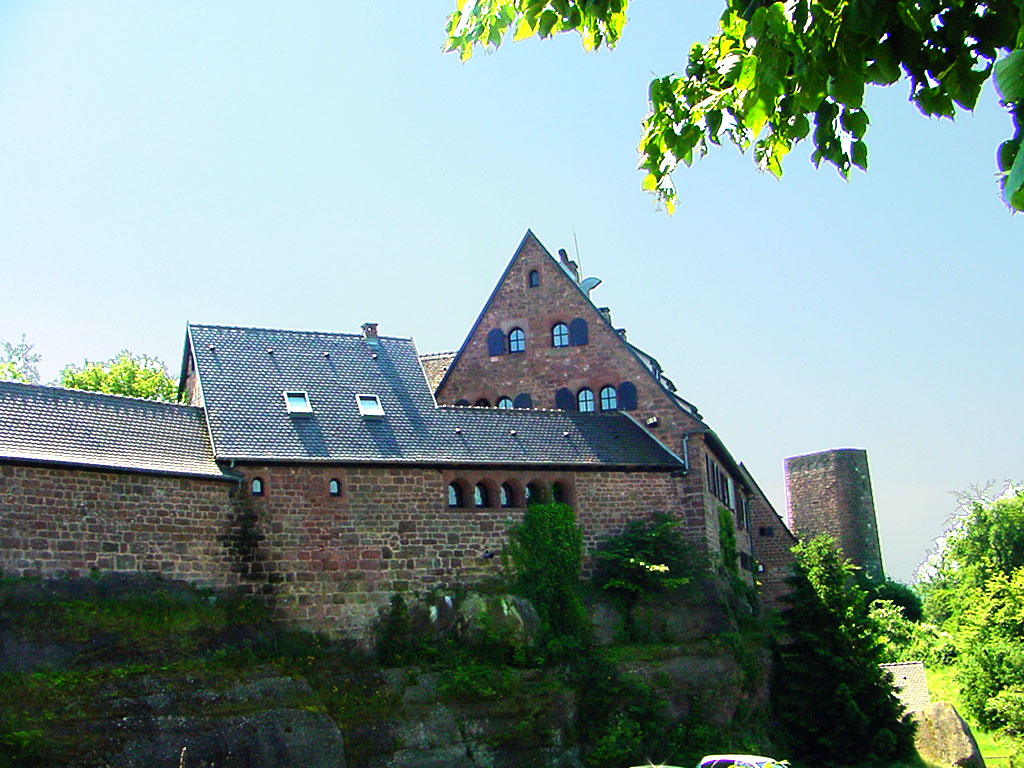
The Castle of Petite-Pierre exemplifies typical high medieval military architecture, characterized by robust stone walls, a central keep, and fortified gatehouses. Its elevated position on a hill provided natural defense advantages, complemented by man-made fortifications.
The castle complex includes a keep (donjon), curtain walls with battlements, and remnants of moats or ditches that enhanced its defensibility. The layout reflects adaptations over time, including Vauban's later modifications that integrated bastion elements to counter artillery threats.
The castle today and cultural significance
Today, the Castle of Petite-Pierre serves as the headquarters of the Northern Vosges Regional Nature Park since 1977. It houses a permanent exhibition that educates visitors about the castle's rich history and the diverse fauna and flora of the surrounding nature park.
The castle's preservation as a well-preserved historic site allows visitors to explore its medieval architecture and understand its strategic role through centuries of European history. Its cultural significance extends beyond architecture to encompass natural heritage and regional identity.
Visitor experience and educational role
The exhibitions within the castle provide insights into medieval life, noble families, and military engineering, alongside ecological information about the Northern Vosges. This dual focus makes the castle a unique destination combining history, architecture, and natural science.
Historical context and regional importance
Located at the crossroads between Alsace and Lorraine, the castle's position was pivotal in controlling trade and military movements. Its successive ownership by noble families and the bishopric reflects the complex feudal and political landscape of medieval and early modern France.
The castle's integration into the French kingdom under Louis XIV and Vauban's subsequent fortification work symbolize the transition from feudal stronghold to state-controlled military asset, illustrating broader trends in French territorial consolidation and military modernization.
Legacy of vauban's fortifications
Vauban's influence on the castle is part of his extensive legacy of fortifications across France, many of which are recognized for their innovative design and historical importance. The Castle of Petite-Pierre stands as a testament to his strategic vision and engineering skill.
Frequently asked questions (FAQ)
- How do I get to the Castle of Petite-Pierre?
- The Castle of Petite-Pierre is located in La Petite-Pierre, France, and is easily accessible by car or public transport. If traveling by car, follow the signs to the town, and there is parking available nearby. Public transport options include regional trains and buses that connect to the town.
- What is the historical significance of the Castle of Petite-Pierre?
- The Castle of Petite-Pierre dates back to the 12th century and has played a crucial role in the region's history. Originally built for defense, it has witnessed numerous historical events and changes in ownership over the centuries. Today, it stands as a testament to medieval architecture and history.
- When was the Castle of Petite-Pierre built?
- Construction of the Castle of Petite-Pierre began in the 12th century, with significant modifications made in the following centuries. Its architecture reflects the styles and fortifications of the medieval period, making it an important historical site. The castle has been preserved to showcase its original features and historical context.
- Can I take guided tours of the Castle of Petite-Pierre?
- Yes, guided tours of the Castle of Petite-Pierre are available, providing visitors with in-depth knowledge of its history and architecture. These tours are led by knowledgeable guides who can answer questions and share fascinating stories about the castle. It’s advisable to check the schedule and book in advance during peak seasons.
- Why is the Castle of Petite-Pierre a popular tourist attraction?
- The Castle of Petite-Pierre is a popular tourist attraction due to its rich history, stunning architecture, and picturesque surroundings. Visitors are drawn to its well-preserved structures and breathtaking views of the Alsatian landscape. Additionally, the castle hosts various cultural events and exhibitions throughout the year, enhancing its appeal.
- Is it possible to visit the Castle of Petite-Pierre year-round?
- Yes, the Castle of Petite-Pierre is open to visitors year-round, although specific opening hours may vary by season. It’s best to check the official website for the most current information on hours and any seasonal events that might affect access. Special tours or activities may occur during the summer months.
- What are the ticket prices for the Castle of Petite-Pierre?
- Ticket prices for the Castle of Petite-Pierre are generally affordable, with discounts available for students, seniors, and children. Admission fees contribute to the maintenance and preservation of the site. Check the official website for current pricing and any special offers that may be available.
- What is the best time to visit the Castle of Petite-Pierre?
- The best time to visit the Castle of Petite-Pierre is during the spring and early fall when the weather is pleasant and the surrounding landscapes are particularly beautiful. These seasons offer comfortable temperatures and fewer crowds, allowing for a more enjoyable experience. Summer is also popular, but it can be busier with tourists.
- Are there any nearby attractions to the Castle of Petite-Pierre?
- Yes, there are several nearby attractions that visitors can explore, including hiking trails in the Vosges Mountains and charming villages with local shops and eateries. The region is known for its natural beauty and cultural heritage, making it a great destination for day trips. Don’t miss the opportunity to explore the Alsace Wine Route, which is also close by.
Information
Website
Visit websiteSources & official resources
Verify the information above using these authoritative references.
Loading map...
Visitor reviews
No reviews yet. Been here? Write the first review and help other travelers!
Write the first reviewVisited this castle? Share your experience
Your review helps other travelers and adds first-hand knowledge to our encyclopedia.