Castle of Good Hope
The Castle of Good Hope stands as a remarkable example of 17th-century military architecture in Cape Town, South Africa. Constructed by the Dutch East India Company (VOC) between 1666 and 1679, this pentagonal bastion fort was designed to replace an earlier fortification made of clay and timber. It is the oldest surviving colonial building in South Africa and remains the best-preserved example of a Dutch East India Company fort worldwide.
Historical context and strategic importance
The Castle was built to secure the VOC's supply station at the Cape, which was a critical stopover point for ships traveling between Europe and the East Indies. Its location on the southern tip of Africa allowed the Dutch to control the vital sea route around the Cape of Good Hope. The fort's construction reflected the military and colonial ambitions of the Dutch Republic during the Renaissance period, incorporating contemporary European fortification principles.
Architectural design and features
The Castle of Good Hope is characterized by its distinctive pentagonal layout with five bastions named after the titles of the then Dutch monarchy: Bastion Leerdam, Bastion Buuren, Bastion Katzenellenbogen, Bastion Nassau, and Bastion Oranje. This design follows the star fort concept, which was prevalent in European military architecture of the time, intended to provide overlapping fields of fire and reduce blind spots.
The fort is surrounded by a wide moat filled with water, which was originally connected to the sea. Thick stone walls and angled bastions provided defense against artillery attacks. The Castle includes several key structures such as the Governor's Residence, armory, chapel, dungeons, and soldiers' quarters. The interior courtyard is spacious and historically served as a parade ground.
Construction materials and techniques
The fort was built primarily from local stone and bricks imported from Europe. The walls are notably thick, designed to withstand cannon fire. The bastions feature angled walls to deflect incoming shots, a hallmark of Renaissance military engineering. The use of lime mortar and skilled masonry contributed to the fort's longevity.
Historical significance and later use
Throughout its history, the Castle of Good Hope served various military and administrative functions. It was the seat of colonial government and a military garrison for the Dutch and later the British after they took control of the Cape in the early 19th century. The Castle witnessed several conflicts, including the British occupation and the Anglo-Dutch wars.
In the 20th century, the Castle was recognized for its cultural and historical value. In 1936, it was declared a national monument, and it has since been preserved as a heritage site. Restoration efforts in the 1980s focused on maintaining its structural integrity and historical authenticity, making it a major tourist attraction and educational site.
Visitor experience and cultural heritage
Today, the Castle of Good Hope operates as a museum and cultural venue, offering visitors insight into South Africa's colonial past. Exhibits include military artifacts, period furnishings, and displays on the history of the VOC and the Cape Colony. The Castle also hosts reenactments, guided tours, and cultural events that highlight its historical role.
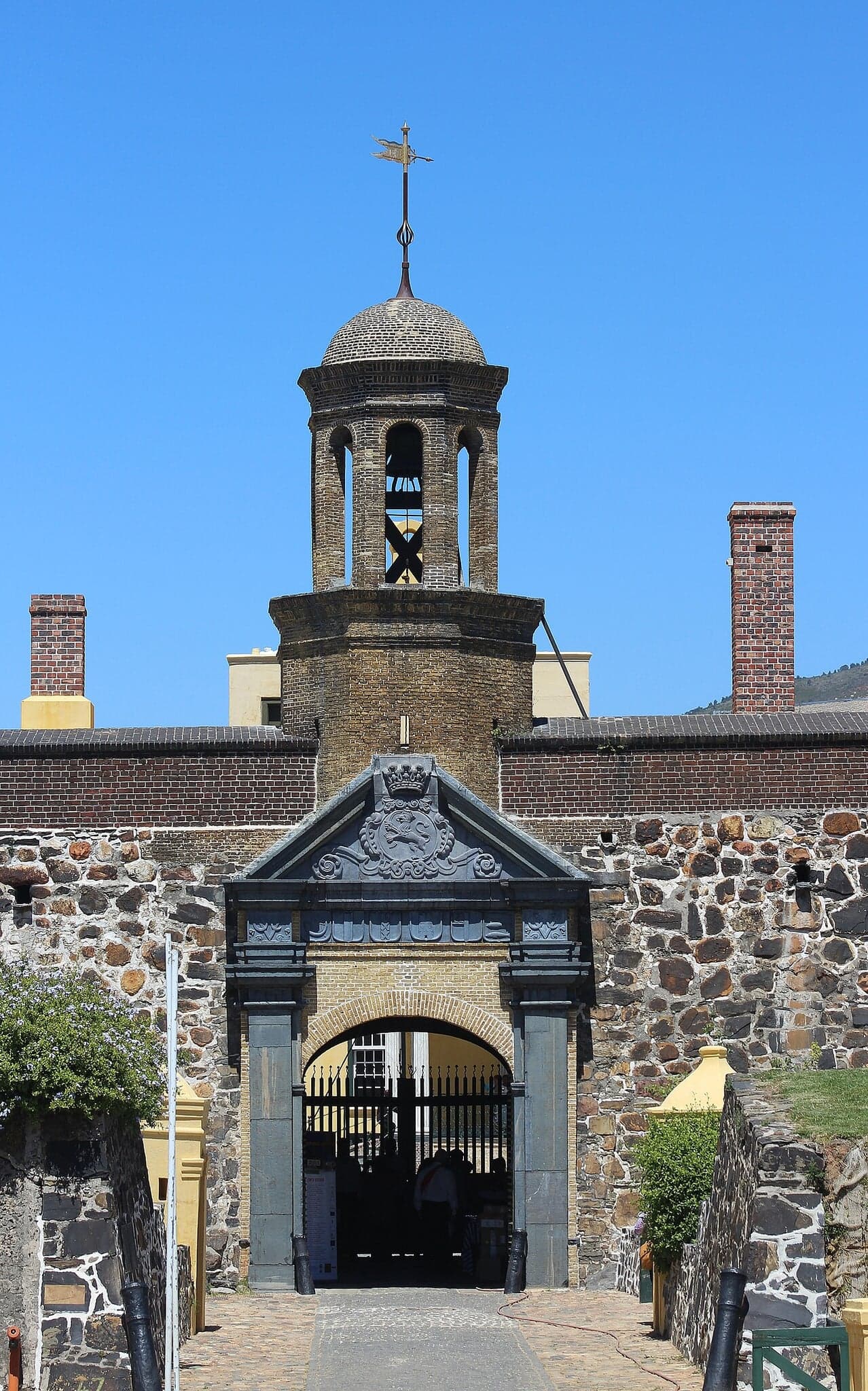
The site is surrounded by a moat and features well-preserved battlements and gatehouses. Visitors can explore the armory, chapel, and the Governor's Residence, gaining a comprehensive understanding of 17th-century fort life. The Castle's location in central Cape Town makes it accessible and a key landmark for those interested in South African history and architecture.
Frequently asked questions (FAQ)
- What is the historical significance of the Castle of Good Hope?
- The Castle of Good Hope is the oldest surviving colonial building in South Africa, constructed between 1666 and 1679 by the Dutch East India Company. It served as a fortification and a supply station for ships traveling to the East Indies, playing a pivotal role in the maritime history of the region.
- When was the Castle of Good Hope built?
- The construction of the Castle of Good Hope began in 1666 and was completed in 1679. It was designed as a military fortification to protect the Dutch settlement at Cape of Good Hope from potential attacks.
- What are the opening hours of the Castle of Good Hope?
- The Castle of Good Hope is open to visitors daily from 9:00 AM to 5:00 PM. It's advisable to check their official website for any changes in hours or special events that may affect visiting times.
- Can I take a guided tour of the Castle of Good Hope?
- Yes, guided tours are available and provide an in-depth look at the castle's history and architecture. These tours typically last around an hour and are led by knowledgeable guides who share fascinating stories about the castle.
- Is the Castle of Good Hope accessible for visitors with disabilities?
- Yes, the Castle of Good Hope is committed to being accessible to all visitors. There are ramps and designated pathways to ensure those with mobility challenges can explore the castle and its grounds with ease.
- What is the ticket price for visiting the Castle of Good Hope?
- As of now, the ticket prices for adults are approximately R50, while children and students can enjoy discounted rates. It's recommended to check the official website for the most current prices and any available family packages.
- When is the best time to visit the Castle of Good Hope?
- The best time to visit the Castle of Good Hope is during the spring (September to November) and autumn (March to May) months when the weather is mild and conducive to sightseeing. Visiting during weekdays can also help you avoid large crowds.
- What nearby attractions can I explore after visiting the Castle of Good Hope?
- After visiting the Castle, you can explore the nearby Iziko South African Museum and the vibrant V&A Waterfront. Both locations offer additional insights into Cape Town's rich history and culture, making them perfect complements to your visit.
Photo gallery

Information
Loading map...
Visitor reviews
No reviews yet. Been here? Write the first review and help other travelers!
Write the first reviewVisited this castle? Share your experience
Your review helps other travelers and adds first-hand knowledge to our encyclopedia.