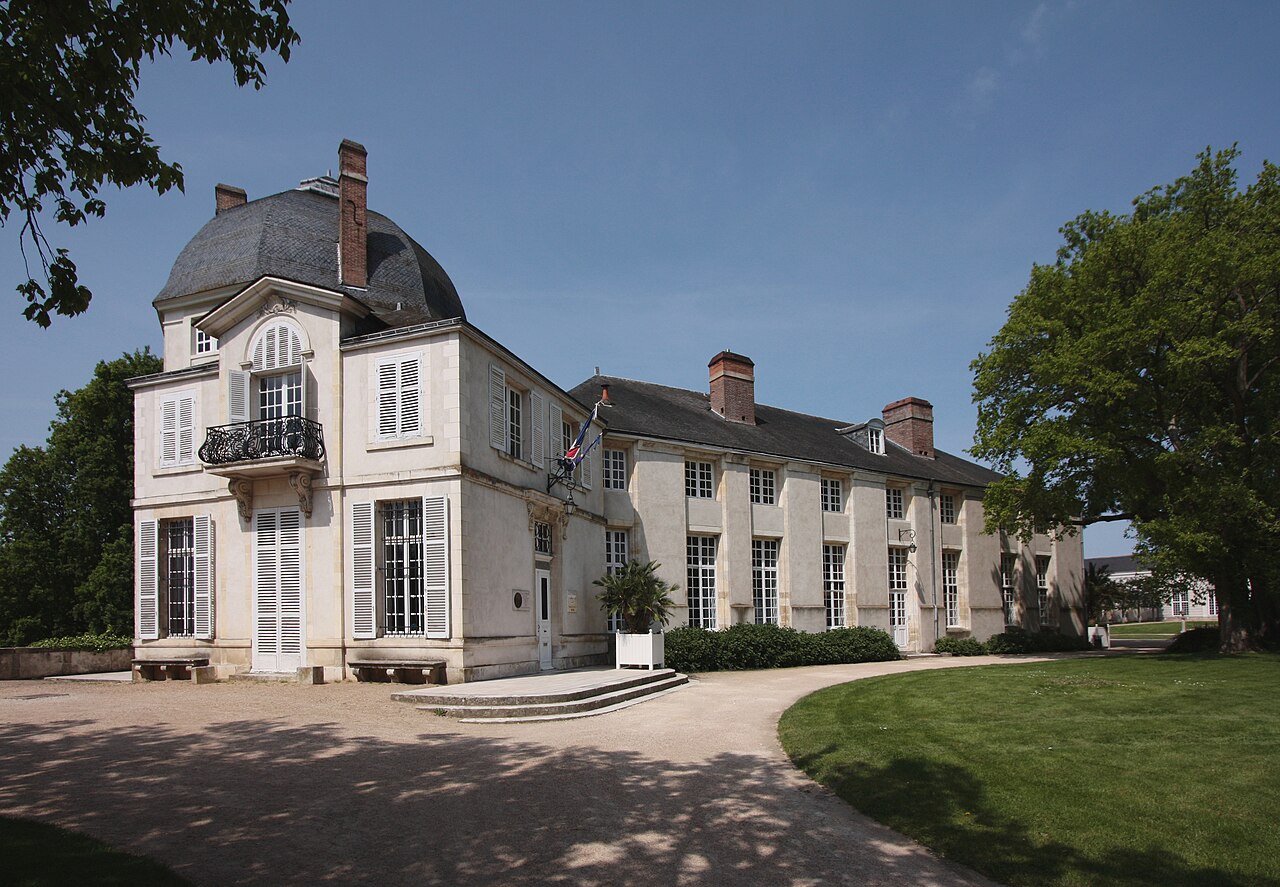
Castle of Gien

Castle of Gien
Gien, Centre-Val de Loire, France
Late Medieval (14th–15th c.)
Restored

The Castle of Gien, located in the town of Gien in France, stands as a remarkable example of late medieval architecture with significant historical importance. Constructed in the 15th century for Anne of France, the castle was originally designed as a fortified manor house that combined residential comfort with military defensive features typical of the period.

Historical significance and royal connections

The castle's origins are closely tied to the powerful Valois dynasty, as Anne of France, also known as Anne de Beaujeu, was the eldest daughter of King Louis XI and served as regent for her brother Charles VIII. The Castle of Gien was a favored residence for French royalty and nobility, hosting illustrious guests such as King Francis I, King Henry II, Queen consort Catherine de' Medici, King Charles IX, Queen consort Anne of Austria, and King Louis XIV. These visits underscore the castle's role as a significant political and social hub during the Renaissance and early modern periods.

Architectural features and design

The castle exhibits many characteristics of late medieval fortifications, including robust stone walls, corner towers, and a moat that once surrounded the structure for defense. Its layout reflects a transition from purely military castles to more comfortable noble residences, with spacious halls and chambers designed for courtly life. The castle's façade is notable for its elegant blend of defensive and decorative elements, demonstrating the evolving tastes of the time.

Fortifications and defensive structures

The moat and towers were integral to the castle's defense system, providing protection against invaders while allowing for surveillance of the surrounding area. The thick walls and battlements were designed to withstand sieges, a common concern in the turbulent political climate of 15th-century France.

Residential and ceremonial spaces

Inside, the castle housed grand halls and private chambers that were richly decorated to accommodate royal guests and dignitaries. The design balanced security with the need for comfort and representation, featuring large windows and ornate fireplaces that reflected the status of its inhabitants.

Damage and restoration

During World War II, the castle suffered significant damage when it was bombed in 1940. The bombing caused destruction to parts of the structure, necessitating extensive restoration efforts in the post-war period. These restorations aimed to preserve the castle's historical integrity while adapting it for modern use.

Current use and cultural importance

Today, the Castle of Gien is owned by the French government, having been in state hands since 1823. It serves as a museum dedicated to the art and history of hunting, a tradition deeply rooted in French aristocratic culture. The museum exhibits a rich collection of hunting weapons, trophies, and related artifacts, attracting visitors interested in both history and wildlife heritage.

Museum collections and exhibitions

The hunting museum offers a comprehensive overview of hunting practices from medieval times to the present, showcasing weapons such as crossbows, rifles, and hunting knives, alongside taxidermy and artistic representations of game animals. This cultural institution highlights the castle's ongoing role in preserving and interpreting French heritage.

Visitor experience and accessibility

Visitors to the castle can explore its historic architecture, enjoy the scenic views of the Loire River nearby, and learn about the evolution of hunting as a royal pastime. The castle's restoration and museum function make it a significant cultural landmark in the region, accessible to tourists and scholars alike.

Geographical and regional context

Situated in the Loiret department within the Centre-Val de Loire region, the Castle of Gien benefits from its strategic location near the Loire River, historically important for trade and defense. The surrounding landscape and town add to the castle's charm and historical ambiance, making it a key point of interest in the area.

Frequently asked questions (FAQ)

What is the historical significance of the Castle of Gien?
The Castle of Gien, originally built in the 15th century, served as a royal residence and played a crucial role in the political landscape of France. It was a favored retreat for various French kings and has historical connections to significant events in French history.
When was the Castle of Gien constructed?
The construction of the Castle of Gien began in 1480 under the reign of King Louis XI and was completed in the early 16th century. Its design reflects the transition between Gothic and Renaissance architectural styles, making it a notable example of its time.
What are the opening hours for the Castle of Gien?
The Castle of Gien is typically open to visitors from 10 AM to 6 PM, but hours may vary seasonally. It is advisable to check the official website for the most current opening times before planning your visit.
Can I purchase tickets in advance for the Castle of Gien?
Yes, tickets for the Castle of Gien can be purchased in advance through the official website. This is recommended to ensure availability, especially during peak tourist seasons.
Is the Castle of Gien accessible for visitors with disabilities?
Yes, the Castle of Gien is committed to accessibility and provides facilities for visitors with disabilities. It is advisable to contact the castle prior to your visit to understand the specific accommodations available.
When is the best time to visit the Castle of Gien?
The best time to visit the Castle of Gien is during the spring and early autumn months when the weather is pleasant and the gardens are in full bloom. Additionally, visiting during weekdays can help you avoid the larger crowds typically seen on weekends.
What nearby attractions should I consider visiting while in Gien?
While in Gien, consider visiting the Musée de la Faïence, which showcases the town's famous pottery, as well as the picturesque banks of the Loire River. Additionally, the town itself offers charming streets and local dining options that enhance your visit.
How do I get to the Castle of Gien from Paris?
To reach the Castle of Gien from Paris, you can take a train from Gare de Bercy to Gien, which takes approximately 1.5 to 2 hours. From the train station, the castle is within walking distance, making it easy to explore upon arrival.
What are the ticket prices for the Castle of Gien?
Tickets for the Castle of Gien typically range from €6 to €10, with discounts available for students and seniors. Children under 12 often enter for free, making it an affordable option for families.

Information

Lowland Castle

Sources & official resources

Verify the information above using these authoritative references.

Loading map...

Visitor reviews

No reviews yet. Been here? Write the first review and help other travelers!

Write the first review

Visited this castle? Share your experience

Your review helps other travelers and adds first-hand knowledge to our encyclopedia.

Write a review

(5/5)

0/2000 characters

Your review will be visible after admin approval

Nearby castles

8 km

Combreux Castle

, France

Combreux Castle, located in the Centre-Val de Loire region of France, stands as a remarkable example of neo-medieval architecture layered upon a rich historical foundation dating back to the early 12th century. This castle, whose origins are intertwined with the reign of King Louis VI of France, known as Le Gros, has witnessed centuries of noble residence and architectural evolution, making it a significant cultural landmark. Historical roots and early ownership The earliest recorded mention of the site dates back to 1108, when the castle was promised by King Louis VI. Although the exact construction date of the original fortress remains uncertain, it is known that the castle was a strategic and prestigious holding during the High Medieval period. The castle's early proprietors included notable figures such as Guy de Senlis de la Tour, who acquired the estate in 1124, and the influential La Rochefoucauld family, who have maintained ownership through the centuries. Notable residents and legacy Throughout its history, Combreux Castle has been home to several prominent lords, including the famed Lancelot de la Taille, whose name is engraved in the castle's antechamber. The legacy of these noble families is deeply embedded in the castle's identity, reflected in both its preserved heraldic symbols and the architectural features that have been maintained or restored over time. Architectural evolution and neo-medieval transformation The current appearance of Combreux Castle is largely the result of extensive renovations undertaken between 1887 and 1905. These works transformed the original 16th-century structure into a neo-medieval masterpiece, a style that sought to revive and romanticize medieval architectural forms during the late 19th century. Structural additions and stylistic details The renovation included the construction of new stables, apartments, and pavilions designed to accommodate the castle's staff, reflecting the functional needs of a large noble estate. An additional floor was added to the main building, richly decorated in the neo-Gothic style, featuring characteristic pointed arches, ornate tracery, and decorative stonework that evoke the grandeur of medieval Gothic architecture. Preservation of original elements Despite these significant modifications, Combreux Castle retains its ancient core, notably a massive and stocky tower whose weathered patina stands out among the later additions. This tower serves as a tangible link to the castle's medieval origins and provides insight into the defensive architecture of the period. Combreux Castle in the cultural landscape Today, Combreux Castle is recognized not only for its architectural beauty but also for its role in the heritage of the canton of Châteauneuf. It represents a fusion of historical layers, from medieval stronghold to romanticized 19th-century residence, attracting visitors interested in history, architecture, and French nobility. Visiting and cultural significance The castle's unique blend of styles and its well-preserved features offer a compelling narrative of French aristocratic life and architectural trends over nearly a millennium. Its continued ownership by the La Rochefoucauld family adds to its authenticity and historical continuity, making it a valuable site for cultural tourism and historical study. Architectural features and estate layout The estate includes a complex of buildings beyond the main residence, such as the large stables and staff pavilions, which illustrate the operational scale of the castle as a noble estate. The layout reflects traditional French château planning, integrating functional outbuildings with the residential quarters in a harmonious ensemble. Neo-Gothic decorative elements The neo-Gothic additions showcase intricate stone carvings, pointed windows, and decorative battlements that emphasize verticality and ornate detail. These elements were carefully designed to complement the older structures while asserting the romantic revivalist aesthetic popular in the late 19th century. Preservation and current status Combreux Castle is considered a well-preserved example of a neo-medieval château that respects and highlights its medieval origins. Its maintenance by the La Rochefoucauld family has ensured the safeguarding of its architectural integrity and historical significance. The castle remains a testament to the evolving tastes and fortunes of French nobility, embodying centuries of history within its walls and grounds. It continues to be a site of interest for historians, architects, and visitors drawn to its majestic and atypical character.

High Medieval (11th–13th c.)
Details
10.6 km

Château du Hallier

Nibelle, France

Château du Hallier is a notable example of a late medieval castle located in Nibelle, France. While its exact construction date remains uncertain, the castle is documented in historical records from the 15th century. This period was marked by the transition from fortified medieval structures to more residential and agricultural uses, which is reflected in the castle's evolving function over the centuries. The origins and early history The earliest known mention of Château du Hallier appears in 15th-century deeds of sale, indicating its existence and importance during the late medieval era. The castle was originally built as a fortified residence, typical of the period, with defensive features designed to protect its inhabitants from regional conflicts and feudal disputes. The architecture likely included thick stone walls, towers, and a courtyard, although much of the original structure has been altered or lost. Ownership and transformations in the 16th and 18th centuries In 1537, the castle was sold to Charles de l'Hospital, a significant figure whose ownership marked a new chapter in the castle's history. During this time, the castle may have undergone modifications to suit the needs of its new owner, possibly shifting from a purely defensive fortress to a more comfortable noble residence. By the 18th century, Château du Hallier experienced a dramatic change in use. It was repurposed as a quarry, a common fate for many medieval castles that had lost their military relevance. This quarrying led to the disappearance of the castle's square second floor, significantly altering its original profile and reducing its stature. 19th and early 20th century adaptations In the 19th century, the castle's function shifted once again, this time becoming a farm. This agricultural use reflected broader social and economic changes in rural France, where many former noble estates were adapted for practical farming purposes. One of the castle's towers was notably used to house a potter's kiln until the early 20th century. This unique adaptation illustrates the castle's integration into local artisanal and industrial activities, highlighting a period when historical buildings were repurposed to meet contemporary economic needs. Architectural features and current condition Although much of the original structure has been lost or altered, Château du Hallier retains key elements characteristic of its late medieval origin. The remaining towers and portions of the walls provide insight into the castle's defensive architecture, including thick stone masonry and narrow window openings typical of the period. The loss of the square second floor and other structural changes have left the castle in a partially preserved state. Despite these alterations, the castle's historic fabric remains an important link to the region's medieval past. Heritage status and private ownership Château du Hallier has been recognized for its cultural and historical significance by the French Ministry of Culture. It was officially listed as a monument historique in 1967, a designation that helps protect the site and encourages preservation efforts. Today, the castle is privately owned, which has influenced its accessibility and conservation. While not generally open to the public, its protected status ensures that any restoration or maintenance work respects the castle's historical integrity. Significance in the context of French medieval castles Château du Hallier exemplifies the trajectory of many late medieval castles in France, transitioning from fortified residences to agricultural and industrial uses over time. Its history reflects broader patterns of social change, architectural adaptation, and heritage preservation in the French countryside. The castle's surviving structures offer valuable insights into the construction techniques and defensive strategies of the 15th century, while its later uses demonstrate the evolving relationship between historic buildings and local communities.

Late Medieval (14th–15th c.)
Details
10.8 km
Château de Châteauneuf-sur-Loire — France castle

Château de Châteauneuf-sur-Loire

Châteauneuf-sur-Loire, France

The Château de Châteauneuf-sur-Loire is a notable French Renaissance castle situated in the town of Châteauneuf-sur-Loire within the Loiret department of the Centre-Val de Loire region. Constructed primarily during the 17th and 18th centuries, this hill castle exemplifies the architectural transition from medieval fortifications to more refined Renaissance residences. Historical context and construction The castle was built on a strategic elevated site overlooking the Loire River, a vital waterway for trade and defense throughout French history. Its construction in the 17th century reflects the period's shift towards more comfortable and elegant noble residences, moving away from purely military purposes. The château's development continued into the 18th century, incorporating elements of the evolving architectural tastes of the time. Architectural features and style The Renaissance architectural style of Château de Châteauneuf-sur-Loire is marked by its balanced proportions and classical details, characteristic of the era's emphasis on symmetry and harmony. The castle's layout includes a main residence surrounded by defensive walls and ancillary buildings, including stables and service quarters. The use of local stone and traditional masonry techniques contributes to its enduring presence. Distinctive features include the castle's towers that blend defensive function with elegant design, and the courtyard which serves as a central organizing space. The castle's rooflines and chimneys reflect the stylistic preferences of the Renaissance period, combining utility with decorative appeal. Current use and cultural significance Today, the castle's old stables have been repurposed to house the Loire Maritime Museum (Musée de la Marine de Loire). This museum showcases the rich maritime heritage of the Loire River, including traditional boats, navigation instruments, and historical exhibits related to river trade and transportation. The integration of the museum within the castle grounds enhances the site's cultural value and attracts visitors interested in both history and regional heritage. Preservation and visitor experience Château de Châteauneuf-sur-Loire is well preserved, maintaining much of its original Renaissance character despite the passage of centuries. The castle and museum offer visitors a glimpse into the architectural evolution of French noble residences and the economic importance of the Loire River. Guided tours and educational programs facilitate a deeper understanding of the site's historical and architectural significance. Visitors can explore the castle grounds, including the courtyard, towers, and the museum housed in the former stables. The location in the Centre-Val de Loire region places it among a rich landscape of historic castles and cultural landmarks, making it an important destination for heritage tourism.

Renaissance (15th–17th c.)
Details