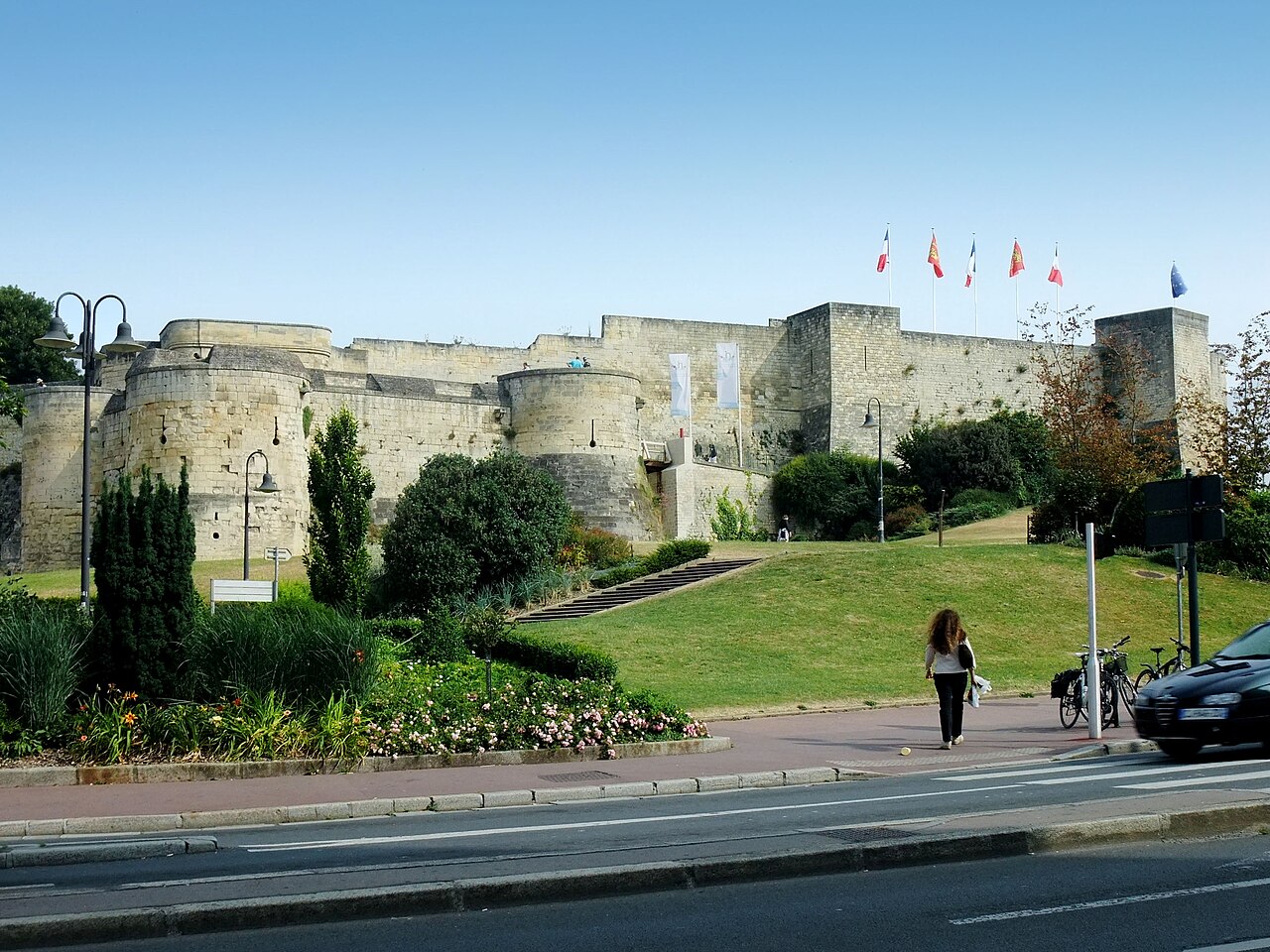
Castle of Falaise
The castle of Falaise stands as a monumental symbol of Norman heritage and medieval military architecture. Located in the town of Falaise, Normandy, France, this high medieval fortress traces its origins to the early 12th century, built on the site of an earlier structure where William the Conqueror was born around 1028. William, the son of Duke Robert of Normandy, rose to become one of the most significant figures of medieval Europe by conquering England in 1066 and establishing Norman rule. The castle’s historical importance is deeply intertwined with his legacy and the subsequent history of Normandy and England.
Early history and significance
The original castle on this site was a motte-and-bailey structure likely erected in the 11th century, serving as a strategic stronghold for the Dukes of Normandy. It was here that William spent his formative years before his famous conquest. The current stone castle was constructed in the 12th century, reflecting the transition from wooden fortifications to more durable stone defenses typical of the high medieval period. The castle served both as a military fortress and a noble residence, symbolizing ducal power in the region.
Architectural features and layout
The castle of Falaise is a classic example of a hill castle built on elevated ground to maximize defensive advantage. Its design includes massive curtain walls, a deep moat, and imposing towers that provided vantage points for surveillance and defense. The keep, or donjon, is a prominent feature, serving as the last line of defense and a residence for the lord. The castle’s layout includes a central courtyard surrounded by defensive walls and various domestic buildings.
The keep (donjon)
The keep at Falaise is a rectangular stone tower, typical of Norman military architecture, with thick walls designed to withstand siege weaponry. It housed the lord’s chambers and administrative rooms, and its elevated position allowed defenders to repel attackers effectively. The keep’s robust construction and strategic placement underscore its role as the castle’s defensive and symbolic heart.
Defensive structures
Surrounding the keep are curtain walls reinforced with towers at intervals, designed to provide overlapping fields of fire. The castle’s gatehouse was heavily fortified, featuring a portcullis and murder holes to repel invaders. The moat, fed by nearby water sources, added an extra layer of protection, making direct assault difficult. These features reflect the castle’s military purpose during the turbulent medieval period.
Historical events and ownership
After William the Conqueror’s death, the castle remained in the hands of his heirs, serving as a key stronghold in Normandy. In the 13th century, the castle was captured by King Philip II of France during his campaigns to reclaim territories from the English crown. The castle’s control shifted multiple times during the Hundred Years' War, reflecting the ongoing conflict between England and France for dominance in the region.
By the 17th century, the castle had lost its military importance and was largely deserted. Its decline mirrored the changing nature of warfare and the reduced strategic value of medieval fortresses. Despite this, the castle’s ruins remained a potent symbol of Norman history and heritage.
Modern preservation and cultural significance
Since 1840, the castle of Falaise has been protected as a monument historique by the French government, recognizing its cultural and historical importance. Restoration efforts have aimed to preserve its structural remains and make the site accessible to visitors interested in medieval history and architecture.
Today, the castle is a popular tourist destination, offering visitors a glimpse into the medieval past and the life of one of history’s most influential figures. The site includes interpretive displays and guided tours that highlight its architectural features and historical context.
Visitor experience
Visitors can explore the castle’s ruins, including the keep, curtain walls, and gatehouse. The elevated position provides panoramic views of Falaise and the surrounding Normandy countryside. Educational programs and events often take place on-site, enhancing public engagement with the castle’s rich history.
Architectural style and period
The castle exemplifies Norman military architecture of the high medieval period, characterized by robust stone construction and functional defensive design. Its style combines elements typical of Romanesque architecture, such as rounded arches and massive walls, with early Gothic influences in later modifications.
Frequently asked questions (FAQ)
- How do I get to the Castle of Falaise?
- The Castle of Falaise is easily accessible by car and public transport. If you are traveling by train, the nearest station is Falaise, which is about a 15-minute walk from the castle.
- What is the historical significance of the Castle of Falaise?
- The Castle of Falaise is a historic fortress dating back to the 10th century and is the birthplace of William the Conqueror. It played a crucial role in the Norman Conquest of England and offers a glimpse into medieval military architecture.
- When was the Castle of Falaise built?
- Construction of the Castle of Falaise began in the early 10th century, with significant modifications and expansions occurring over the following centuries. Its strategic location and robust design made it a vital defensive stronghold during the medieval period.
- Can I take guided tours of the Castle?
- Yes, guided tours are available at the Castle of Falaise, providing visitors with detailed insights into its history and architecture. These tours are conducted in multiple languages and enhance your experience of this remarkable site.
- Why is the architecture of the Castle of Falaise important?
- The architecture of the Castle of Falaise is significant due to its representation of Norman military design and its adaptation to the rugged landscape. The castle features impressive ramparts, towers, and a keep, showcasing the defensive strategies of the time.
- Is it possible to visit the Castle of Falaise year-round?
- Yes, the Castle of Falaise is open to visitors throughout the year, although opening hours may vary by season. It's advisable to check their official website for the most current information on visiting times and any seasonal events.
- What are the ticket prices for the Castle of Falaise?
- Ticket prices for the Castle of Falaise are generally affordable, with discounts available for students, seniors, and children. Check the castle's official website for current pricing and any special offers or family packages.
- What is the best time to visit the Castle of Falaise?
- The best time to visit the Castle of Falaise is during the spring and early autumn when the weather is mild and pleasant. Additionally, these seasons often have fewer tourists, allowing for a more enjoyable experience.
- Are there any nearby attractions to explore after visiting the castle?
- Yes, there are several nearby attractions worth visiting, including the historic town of Falaise with its charming streets and local shops. Additionally, the Memorial Museum of the Battle of Normandy is close by and offers insights into the region's World War II history.
Information
Website
Visit websiteSources & official resources
Verify the information above using these authoritative references.
Loading map...
Visitor reviews
No reviews yet. Been here? Write the first review and help other travelers!
Write the first reviewVisited this castle? Share your experience
Your review helps other travelers and adds first-hand knowledge to our encyclopedia.