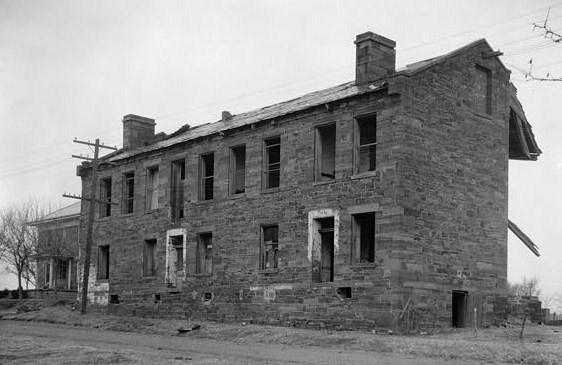
Castle Falls

Castle falls in oklahoma city
Oklahoma City, Oklahoma, United States of America
Post-Renaissance (17th–18th c.)
Well Preserved

Castle Falls, situated in Oklahoma City, Oklahoma, is a unique example of castle-inspired architecture adapted for contemporary use. Built in the mid-20th century, this property combines the romantic aesthetics of European castles with modern event facilities, making it a prominent venue for weddings, receptions, and social gatherings in the region.

Origin and architectural inspiration

The castle, originally known as Blecha Castle, was constructed by Bill Blecha, a First World War veteran whose experiences in Europe deeply influenced the design. Inspired by the grandeur of traditional European castles, Blecha sought to recreate their distinctive features in Oklahoma City. While not a medieval fortress, the building incorporates stone facades, turret-like towers, and battlement-style details that evoke the romantic imagery of historic castles.

Transformation into a premier event venue

After remaining a private residence for about five decades, the property changed hands in the 1990s, when it was transformed by a local restaurateur. The castle’s cellar was converted into a dining space called "Keller in the Kastle", marking the property's shift from private home to public venue. In 2004, Amy and Ralph Rollins acquired Castle Falls and expanded its facilities, adding The Grande Hall, a spacious event area designed to host weddings, corporate functions, and large social events.

These enhancements preserved the castle’s historic charm while integrating modern amenities, making Castle Falls a sought-after location for celebrations requiring both elegance and convenience.

Architectural features and layout

Castle Falls exhibits a blend of castle-inspired architectural elements and contemporary design. The exterior prominently features stonework and turret-like structures that give the impression of a fortress. Inside, the castle has been adapted for modern use with elegant halls, dining rooms, and versatile event spaces that maintain the ambiance of a historic castle.

The cellar, creatively repurposed into a restaurant, adds to the venue’s unique character. The Grande Hall offers a grand setting with high ceilings and decorative details that enhance the castle atmosphere, providing a flexible space for diverse events.

Cultural significance and current use

Castle Falls demonstrates how castle architecture can transcend its traditional European roots to serve modern functions. It stands as an example of architectural adaptation, blending historic castle motifs with contemporary hospitality needs. Located at 820 N MacArthur Blvd, Oklahoma City, it is a favored venue for weddings, receptions, and social events, valued for its distinctive ambiance and architectural character.

Visitor information

Castle Falls operates primarily as an event venue and dining destination. It welcomes guests for weddings, private parties, and dining experiences in its castle-inspired setting. The venue is accessible for bookings and maintains an active presence on social media, where visitors can explore images and information about upcoming events.

Frequently asked questions (FAQ)

How do I get to Castle Falls?
Castle Falls is located in Oklahoma City, American Samoa. Visitors can reach the castle by car or public transportation, with ample parking available on-site. For those flying in, the nearest airport is a short drive away, making it accessible for both local and international travelers.
What is the historical significance of Castle Falls?
Castle Falls has a rich history dating back to the early 20th century, serving as a prominent landmark in the region. It reflects the architectural styles of its time and has been a witness to significant events in local history. The castle is also a symbol of the cultural heritage of American Samoa.
When was Castle Falls built?
Castle Falls was constructed in the 1920s and has been preserved as a historical site ever since. Its unique architecture and design were inspired by medieval European castles. Over the decades, it has undergone various restorations to maintain its historical integrity.
Can I take guided tours of Castle Falls?
Yes, guided tours of Castle Falls are available to visitors, providing an in-depth look at its history and architecture. Tours typically last about an hour and are led by knowledgeable guides. It's recommended to book in advance, especially during peak tourist seasons.
Why is Castle Falls considered an architectural marvel?
Castle Falls is celebrated for its stunning blend of Gothic and Renaissance architectural styles, featuring intricate stonework and majestic towers. The castle's unique design elements make it a favorite among architecture enthusiasts and photographers. Its well-preserved state allows visitors to appreciate its grandeur and craftsmanship.
Is it possible to host events at Castle Falls?
Absolutely! Castle Falls offers event spaces for weddings, corporate events, and private parties. The picturesque surroundings and historic ambiance provide a unique backdrop, making it a popular choice for celebrations.
What are the opening hours for Castle Falls?
Castle Falls is open to visitors daily from 10 AM to 6 PM, with extended hours during the summer months. It is advisable to check the official website for any seasonal changes or special event closures. Planning your visit within these hours ensures you have ample time to explore the castle.
What are the ticket prices for visiting Castle Falls?
Ticket prices for Castle Falls are quite reasonable, with discounts available for children, seniors, and groups. Adult tickets typically range from $10 to $15, while children under 12 may enter for free. Purchasing tickets online in advance can also save you time and ensure your spot on guided tours.
What is the best time to visit Castle Falls?
The best time to visit Castle Falls is during the spring and fall when the weather is mild and the landscape is particularly beautiful. These seasons also tend to attract fewer tourists, allowing for a more intimate experience. Summer can be busy, so plan accordingly if you prefer a quieter visit.
Are there any nearby attractions to explore after visiting Castle Falls?
Yes, there are several attractions near Castle Falls that visitors can enjoy. The nearby botanical gardens and historical museums provide additional insights into the area's culture and history. Additionally, local restaurants and shops offer a chance to experience the vibrant community surrounding the castle.

Information

Palace Castle

Address

820 N MacArthur Blvd, Oklahoma City

Loading map...

Visitor reviews

No reviews yet. Been here? Write the first review and help other travelers!

Write the first review

Visited this castle? Share your experience

Your review helps other travelers and adds first-hand knowledge to our encyclopedia.

Write a review

(5/5)

0/2000 characters

Your review will be visible after admin approval

Nearby castles

105.4 km

The Castle at Leonardo's Children's Museum

Enid, United States of America

The Castle at Leonardo's Children's Museum in Enid, Oklahoma is a unique example of modern, community-driven architecture designed specifically for children's play and learning. Unlike traditional medieval castles built for defense and residence, this castle is a vibrant, interactive wooden structure serving as a centerpiece of Adventure Quest, the museum's expansive outdoor science playground. Recognized as the world’s largest community-built outdoor playground, this castle combines imaginative design with educational purpose, fostering creativity and physical activity among children. Design and architectural features Constructed primarily from wood, the castle's architecture reinterprets classic castle elements such as towers, lookout points, and elevated platforms into child-friendly forms. The structure spans three storeys, connected by a network of bridges, slides, and swings, creating varied play experiences at different heights. Its design prioritizes safety while encouraging exploration, making it an engaging environment for children to develop physical skills and imaginative play. Structural components The castle’s multi-level layout includes climbing areas and interactive elements that stimulate motor skills and social interaction. The use of natural wood not only provides a tactile experience but also integrates the castle seamlessly into the outdoor setting of the museum. The elevated platforms offer vantage points reminiscent of traditional castle battlements, adapted here to suit playful exploration rather than defense. Community involvement and construction The creation of the castle and the surrounding Adventure Quest playground is a testament to community collaboration. Approximately 12,000 volunteers contributed over 150,000 hours of labor to realize the project, representing nearly a quarter of Enid's population at the time. This massive volunteer effort culminated in the playground’s opening in September 1996, reflecting the community’s dedication to children's education and recreation. This collective achievement not only resulted in a unique play structure but also established the castle as a symbol of civic pride and community spirit in Enid. Educational and recreational significance The castle serves as an integral part of Leonardo's Children's Museum's mission to engage children with science, creativity, and physical activity. It functions as an educational tool by encouraging children to explore concepts such as physics, engineering, and teamwork through hands-on play. The playground’s design fosters problem-solving and social interaction in a safe, stimulating environment. Interactive learning environment By combining physical challenges like climbing and sliding with imaginative scenarios inspired by castle architecture, the structure supports cognitive and motor skill development. Children learn through play, experimenting with balance, coordination, and cooperation, which aligns with the museum's broader educational programs. Location and visitor information The castle is located at 200 E Maple Ave, Enid, OK 73701, United States, within the grounds of Leonardo's Children's Museum. It is accessible to families, school groups, and visitors interested in interactive exhibits and outdoor activities. Visiting details Visitors can typically access the castle during the museum's regular business hours. Admission policies and ticket prices may vary, so checking the museum’s official website before planning a visit is recommended to obtain the most current information.

Post-Renaissance (17th–18th c.)
Details
117.8 km

Collings Castle

Davis, United States of America

Collings Castle is a distinctive medieval-style structure located within Turner Falls Park near the city of Davis, Oklahoma. Built in the 1930s, this castle stands out as an unusual architectural landmark in the region, blending romanticized medieval design with the natural woodland surroundings of the park. Though not a true medieval fortress, its stylistic elements evoke the charm and grandeur of historic castles, making it a unique attraction for visitors to the area. Historical background and original purpose The castle was commissioned by Dr. Collings, a professor at Oklahoma University, who envisioned the building as a guest house and summer home. Beyond its residential function, the castle also served as the headquarters for the bar and ranch that Dr. Collings operated. The nearby ranch, located just behind the castle, was a modest agricultural enterprise that complemented the estate. This dual-purpose use highlights the castle's role as both a private retreat and a functional center for ranch operations. Architectural features and style Though constructed in the 20th century, Collings Castle was designed to mimic the medieval architectural style, with features such as turrets, battlements, and stone-like exterior finishes that give it the appearance of an old fortress. The castle's design reflects the romantic revival interest in medieval aesthetics prevalent in the early 20th century, rather than authentic medieval construction techniques. The structure is primarily built from concrete and masonry materials fashioned to resemble traditional stonework, emphasizing its stylistic rather than defensive purpose. Layout and structural elements The castle includes multiple rooms arranged around a central courtyard, typical of many historic castles. Its towers and parapets contribute to the fortress-like silhouette, while interior spaces were adapted for comfort and leisure rather than military use. The castle's setting within a woodland area enhances its fairy-tale appearance, making it a picturesque landmark within Turner Falls Park. Current condition and tourism Today, Collings Castle stands abandoned but remains largely intact. Its preservation state allows visitors to explore the exterior and some interior spaces, although the castle is not maintained as a fully operational historic site. The castle's location within Turner Falls Park—a popular destination featuring Oklahoma's largest waterfall, campgrounds, and cabins—makes it a favored stop for tourists seeking both natural beauty and architectural curiosity. Visitor experience and accessibility Visitors to Turner Falls Park can easily reach Collings Castle via park trails and roads. While the castle itself is not staffed or formally managed as a museum, it offers a unique photo opportunity and a glimpse into a 20th-century interpretation of medieval architecture. The surrounding park amenities, including hiking, swimming, and camping, complement the visit to the castle, making it a well-rounded outdoor experience. Significance and cultural impact Though not a historic medieval fortress, Collings Castle holds cultural significance as a 20th-century architectural curiosity that reflects the era's fascination with romanticized medieval imagery. It also serves as a reminder of the personal ambitions of Dr. Collings and the blending of residential, recreational, and agricultural uses in early Oklahoma history. The castle contributes to the unique character of Turner Falls Park, enhancing its appeal beyond natural attractions alone.

Post-Renaissance (17th–18th c.)
Details
216.5 km
Fort Gibson — United States of America castle

Fort Gibson

Fort Gibson, United States of America

Fort Gibson is a significant historic military fortification located near the modern city of Fort Gibson in Muskogee County, Oklahoma. Established in 1824, it was constructed as a strategic bastioned fortress to guard the western frontier of the United States during a period of rapid expansion and settlement. At the time of its founding, Fort Gibson was the westernmost military post in the country, playing a crucial role in securing the southwestern border of the Louisiana Purchase. Historical context and strategic importance The fort was part of a larger network of military installations forming a north–south chain of forts designed to maintain peace on the volatile frontier of the American West. This chain was essential in enforcing U.S. policies and protecting settlers and Native American tribes during a time of frequent conflict and territorial disputes. Fort Gibson’s primary mission was to serve as a peacekeeping post in the Indian Territory, where tensions between Native American tribes, settlers, and the U.S. government were high. Remarkably, Fort Gibson fulfilled its peacekeeping role for over six decades, from its establishment in 1824 until its decommissioning in 1888, without any recorded massacres or battles occurring on its grounds. This peaceful record is notable given the turbulent history of the American frontier during the 19th century. Architectural features and military design Fort Gibson was designed as a bastioned fortress, a style characterized by angular bastions projecting outward from the main walls, allowing defenders to cover adjacent walls with gunfire and eliminate blind spots. This design was common in military architecture of the period, providing enhanced defensive capabilities against potential attacks. The fort complex included several key structures typical of military forts of the era, such as barracks, officers’ quarters, storehouses, stables, and parade grounds. The buildings were primarily constructed from wood and locally sourced materials, reflecting the practical constraints of frontier construction. Defensive features included and wooden palisades, supplemented by the bastions which allowed for a robust defense. Layout and fortifications The layout of Fort Gibson was planned to optimize both defense and daily military operations. The bastions were positioned at the corners of the fort’s perimeter, providing overlapping fields of fire. The interior was organized around a central parade ground, which served as a space for drills, ceremonies, and gatherings. Additional defensive measures included a moat and earthen ramparts, which enhanced the fort's ability to withstand sieges or attacks. The fort’s location near the confluence of the Grand and Arkansas Rivers also provided a natural defensive advantage and access to vital transportation routes. Role in American frontier history Fort Gibson played a pivotal role in the enforcement of U.S. Indian policy during the 19th century. It served as a base for military operations aimed at managing relations with various Native American tribes forcibly relocated to the Indian Territory, including the Cherokee, Creek, Seminole, Chickasaw, and Choctaw nations. The fort also functioned as a supply and communication hub, supporting other military posts in the region and facilitating the movement of troops and goods across the frontier. Its presence helped to stabilize the area during periods of conflict and transition, including the Civil War, when it was occupied by both Union and Confederate forces at different times. Civil War significance During the American Civil War, Fort Gibson was strategically important due to its location in Indian Territory. It changed hands between Union and Confederate forces, reflecting the divided loyalties of the Native American tribes and settlers in the region. The fort was the site of several skirmishes, but no major battles took place within its walls. Preservation and current status Today, Fort Gibson is preserved as the Fort Gibson Historical Site, managed by the Oklahoma Historical Society. It has been designated a National Historic Landmark in recognition of its historical and cultural significance. The site includes reconstructed buildings and exhibits that interpret the fort’s history and its role in frontier military strategy. Visitors to the site can explore the fort’s layout, learn about the daily lives of soldiers stationed there, and understand the complex interactions between the U.S. military and Native American tribes during the 19th century. The preservation efforts aim to maintain the fort’s structural integrity and provide educational opportunities about this important chapter in American history. Visitor information The Fort Gibson Historical Site offers guided tours, reenactments, and educational programs that highlight the fort’s architecture and historical context. The site is open seasonally, with hours varying throughout the year. Visitors are encouraged to check with the Oklahoma Historical Society for current visiting hours and ticket information.

Modern (19th–20th c.)
Details