Castle Anam Cara

Castle Anam Cara: a modern medieval-inspired hill castle in Rochester
Early Medieval (5th–10th c.)
Well Preserved

Castle Anam Cara is a unique castellated residence located in Rochester, New Hampshire, designed to evoke the atmosphere and architectural spirit of a 10th-century fortified clan chieftain's home. Though a modern construction, it faithfully interprets the defensive and domestic features typical of early medieval hill castles found in the British Isles. This property offers visitors an immersive experience into the lifestyle, social structure, and cultural symbolism of medieval clan society.

Owned by David and Loretta for over 25 years, Castle Anam Cara has become a cherished destination for history enthusiasts, educational groups, and performers seeking a tangible connection to medieval heritage. The castle's design and interior decorations combine to create a convincing and atmospheric representation of medieval life, blending historical inspiration with romantic medieval aesthetics.

Architectural style and features

The castle's exterior is characterized by a castellated design featuring battlements and stonework that simulate the defensive architecture of an early medieval hill castle. The structure reflects the typical layout and fortification elements used by clan chieftains to assert control over their territories and protect their households.

Inside, visitors encounter exposed stone walls and wooden floors that reinforce the medieval ambiance. The exposed wooden beams overhead contribute to the rustic atmosphere, while medieval-style paintings and heraldic shields adorn the walls, illustrating the importance of heraldry and clan identity during the period.

Additional interior features include suits of armor, stained glass windows, and a wooden throne, all carefully chosen to enrich the historical atmosphere. These elements provide visitors with a sense of the martial and ceremonial aspects of a clan chief's residence.

Defensive and domestic elements

The castle's battlements and crenellations serve as symbolic defensive features, while the overall hilltop siting aligns with historical strategies for surveillance and protection. The interior layout balances fortified spaces with areas designed for domestic life and social gatherings, reflecting the dual role of such castles as both military strongholds and centers of clan governance.

Historical inspiration and cultural significance

Castle Anam Cara draws deeply from the early medieval period, particularly the 10th century, when clan chieftains held significant power in local governance and defense. The castle serves not only as an architectural homage but also as a cultural and educational resource, illustrating the social hierarchy and daily routines of the era.

The name "Anam Cara," meaning "soul friend" in Gaelic, underscores the castle's connection to Celtic heritage and the medieval emphasis on friendship, loyalty, and community bonds within clan society. This cultural resonance enhances the castle's role as a living tribute to medieval values and traditions.

Educational and cultural role

Through guided tours and events, the castle educates visitors on the significance of clan structures, medieval defense mechanisms, and artistic expressions such as heraldry. It offers a tangible context for understanding the complexities of early medieval life beyond textbook descriptions.

Visitor experience and accessibility

For more than two decades, David and Loretta have welcomed visitors to explore the castle's magnificent gardens and richly decorated interiors. The tours are designed to engage a wide audience, including school groups, history buffs, and families, providing an interactive learning environment.

Due to the COVID-19 pandemic, public tours were temporarily suspended, and visitors are encouraged to arrange visits by contacting the owners directly. The castle's official website and email remain the primary channels for scheduling tours and obtaining current visitor information.

Location and contact information

Castle Anam Cara is located at 40 Hansonville Rd, Rochester, NH 03839, United States. This location in New England offers a distinctive opportunity to experience a medieval-inspired castle in the United States, far from its European origins.

Contact details for inquiries and tour arrangements are available on the castle's official website and via email at [email protected].

Preservation and current status

The castle is maintained in well-preserved condition by its private owners, who carefully uphold the authenticity and integrity of its medieval-inspired design. Although not an original medieval fortress, Castle Anam Cara stands as a testament to the enduring interest in medieval architecture and culture, offering a modern interpretation that educates and inspires visitors.

Frequently asked questions (FAQ)

How do I get to Castle Anam Cara?
Castle Anam Cara is located in Rochester, United States, easily accessible by car or public transport. If you are driving, ample parking is available nearby. For public transport, check local bus routes that service the area.
What is the historical significance of Castle Anam Cara?
Castle Anam Cara has a rich history, reflecting the architectural styles of its time and serving as a cultural landmark in Rochester. Built in the late 19th century, it has witnessed numerous historical events and has been a gathering place for community activities. Today, it stands as a testament to the area's heritage.
When was Castle Anam Cara constructed?
Castle Anam Cara was constructed in 1895, showcasing the architectural trends of the era. Its design incorporates elements that were popular during the late Victorian period. The castle has been well-preserved, allowing visitors to appreciate its historical architecture.
Can I take photos inside Castle Anam Cara?
Yes, photography is allowed inside Castle Anam Cara, but visitors are requested to be respectful of the artifacts and exhibits. Flash photography may be restricted in certain areas to protect the displays. Be sure to capture the stunning architecture and beautiful surroundings!
Why is Castle Anam Cara a popular tourist attraction?
Castle Anam Cara is a popular tourist attraction due to its unique blend of history, architecture, and scenic beauty. Visitors are drawn to its picturesque setting and the engaging tours that recount fascinating stories from the castle's past. The castle also hosts various events that enhance its appeal.
Is it possible to visit Castle Anam Cara year-round?
Yes, Castle Anam Cara is open to visitors year-round, although the hours of operation may vary by season. It’s best to check the official website for current opening hours and any seasonal events. Each season offers a different charm to the castle and its grounds.
What are the ticket prices for Castle Anam Cara?
Ticket prices for Castle Anam Cara vary depending on age and the type of tour chosen. General admission is typically affordable, with discounts available for seniors and children. Special events may have separate pricing, so it’s advisable to check ahead before your visit.
What are the opening hours of Castle Anam Cara?
Castle Anam Cara is usually open from 10 AM to 5 PM, Wednesday through Sunday. It's closed on Mondays and Tuesdays, so plan your visit accordingly. Special holiday hours may apply, so checking the website before your visit is recommended.
What nearby attractions can I visit while in Rochester?
While visiting Castle Anam Cara, you can explore several nearby attractions, including the Rochester Museum and Science Center and the High Falls. The vibrant downtown area offers shops, restaurants, and parks that are perfect for a full day of exploration. Don’t miss the chance to enjoy the scenic views along the Genesee River!

Information

Hill Castle

Current owner

Private owner

Address

40 Hansonville Rd, Rochester, NH 03839, United States

Loading map...

Visitor reviews

No reviews yet. Been here? Write the first review and help other travelers!

Write the first review

Visited this castle? Share your experience

Your review helps other travelers and adds first-hand knowledge to our encyclopedia.
Write a review

(5/5)

0/2000 characters

Your review will be visible after admin approval

Nearby castles

31 km
Fort McClary — United States of America castle

Fort McClary

Kittery Point, United States of America

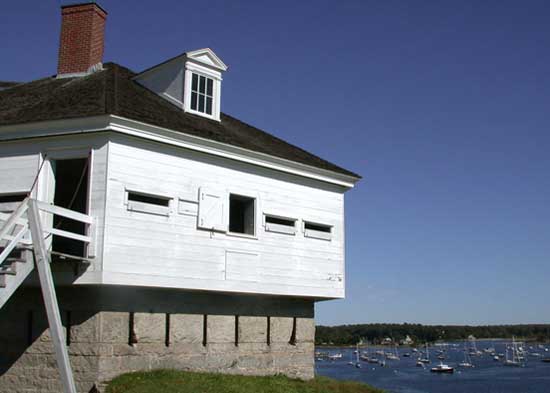
Fort McClary is a significant 19th-century bastioned fortress situated at Kittery Point, Maine, guarding the southern entrance to the Piscataqua River and the harbor of Portsmouth, New Hampshire. This fortification played a crucial role in the coastal defense system of the United States during the 19th century, particularly in protecting the Portsmouth Naval Shipyard located nearby in Kittery. Its strategic location allowed it to oversee and control naval access to one of the important shipbuilding and naval repair facilities of the era.Historical background and military significanceConstructed primarily in the 19th century, Fort McClary was part of a broader network of coastal defenses designed to safeguard key naval and commercial ports along the northeastern seaboard of the United States. The fort was named after Lieutenant Hugh McClary, an officer killed in the War of 1812, reflecting its military heritage and connection to American naval history. Throughout its active years, the fort was equipped with heavy artillery and staffed by military personnel tasked with defending the harbor against potential enemy incursions, especially during periods of heightened tensions such as the Civil War and later conflicts.Architectural features and fortificationsThe design of Fort McClary exemplifies the bastioned fortress style prevalent in coastal defenses of the period. Its layout includes angled bastions that allowed defenders to cover adjacent walls with cannon fire, reducing blind spots and enhancing defensive capabilities. The fort's walls were constructed from durable materials such as granite and brick to withstand bombardment. One of the most notable surviving structures on the site is the blockhouse dating from 1844, which served as a fortified guardhouse and shelter for troops. The blockhouse's robust construction and strategic placement within the fort's perimeter highlight its importance in the overall defensive scheme.Additional structures and featuresBesides the blockhouse, Fort McClary includes remnants of gun emplacements, powder magazines, and barracks that illustrate the fort's operational complexity. The site also features earthworks and defensive ditches that contributed to its resilience against attack. These elements collectively demonstrate the evolution of military architecture and technology during the 19th century, reflecting adaptations to new artillery and tactical doctrines.Preservation and current statusToday, Fort McClary is preserved as a state historic site managed by the State of Maine. It offers visitors a tangible connection to the United States' coastal defense history and military heritage. The site is accessible to the public, providing educational opportunities through interpretive signage and guided tours that explain the fort's historical context and architectural features. Preservation efforts have focused on maintaining the structural integrity of the blockhouse and other surviving elements, ensuring that Fort McClary remains an important cultural and historical resource.Visitor experience and educational valueVisitors to Fort McClary can explore the grounds, view the remaining fortifications, and learn about the strategic importance of coastal defenses in American history. The site serves as a reminder of the military challenges faced in protecting vital maritime infrastructure and offers insights into 19th-century military engineering. Its scenic location overlooking the Piscataqua River also provides a picturesque setting that complements its historical significance.

Modern (19th–20th c.)
Details
45.2 km

Kimball Castle

Gilford, United States of America

Kimball Castle is a striking example of a medieval-style castle constructed as a summer estate in the early 20th century, perched above the scenic Lake Winnipesaukee in Gilford, New Hampshire. Though it appears to be a genuine medieval fortress at first glance, the castle was actually designed and built to evoke the romanticism of medieval architecture rather than to serve any defensive purpose. Its imposing silhouette and stone construction make it a unique landmark in the region. Historical background and origins The castle was originally commissioned and built by a prominent railroad magnate during the early 1900s as a lavish summer residence. This period in American history saw a trend among wealthy industrialists to construct grand estates inspired by European castles, reflecting their status and aspirations. The castle's construction was part of this movement, blending luxury with a romantic architectural style that harkened back to the medieval era. In the 1960s, the estate was donated to a foundation with the intent of preserving the surrounding natural environment as a nature reserve. This philanthropic gesture helped protect the land from development and maintained the area's natural beauty. Subsequently, the property gained recognition for its historical and cultural significance when it was added to the National Register of Historic Places in 1982. Architectural features and style Kimball Castle exhibits architectural features characteristic of romantic medieval revival, including thick stone walls, battlement-like parapets, and towers that evoke the feel of a fortress. Despite these elements, the castle was never intended for military defense but rather as a picturesque retreat. Its design incorporates elements reminiscent of Gothic Revival and Romanesque styles, popular in late 19th and early 20th-century American castle-inspired estates. The castle's elevated position above the lake offers commanding views of the surrounding landscape, enhancing its dramatic presence. The use of local stone and traditional masonry techniques contribute to its rustic charm and durability, although decades of exposure and neglect have led to its current derelict condition. Current status and preservation efforts Today, Kimball Castle remains privately owned and is in a state of dereliction, reflecting years of limited maintenance. However, there are ongoing plans by the owners to restore and preserve the structure, recognizing its architectural and historical value. The adjacent Kimball Castle Innkeeper's Cottage has been fully refurbished and is available as a vacation rental, providing visitors a unique opportunity to experience the ambiance of the estate. The castle's inclusion on the National Register highlights its importance as a cultural and historical asset. Preservation efforts aim to stabilize the structure and prevent further decay while maintaining the natural beauty of the surrounding land. Visiting Kimball Castle and surrounding attractions While Kimball Castle itself is not currently open to the public due to its condition and private ownership, visitors can explore the nearby Kimball Castle Innkeeper's Cottage, which offers accommodations with scenic views and historic charm. The surrounding area of Lake Winnipesaukee is a popular destination for outdoor activities such as boating, hiking, and sightseeing, making it a worthwhile visit for those interested in combining nature with a touch of historic allure. Nearby points of interest Lake Winnipesaukee: The largest lake in New Hampshire, known for its clear waters and recreational opportunities. Belknap Mountains: Offering hiking trails and panoramic vistas near the castle. Gilford town center: Featuring local shops, dining, and cultural events. Architectural and cultural significance Kimball Castle represents a unique example of early 20th-century American romanticism in architecture, where wealthy patrons sought to emulate the grandeur and mystique of European castles. Its preservation contributes to understanding the cultural history of the region and the lifestyle of America's industrial elite during that era. The castle's presence enriches the architectural diversity of New Hampshire and serves as a testament to the enduring fascination with medieval aesthetics in modern times.

Post-Renaissance (17th–18th c.)
Details
47.4 km

Schweitzer Castle

Sandpoint, United States of America

Schweitzer Castle, located near Sandpoint, Idaho, is a distinctive medieval-style stone structure that serves as a captivating landmark atop Schweitzer Mountain. This castle is renowned for its unique architectural features, including thick quarried stone walls and a turret with a conical roof, which evoke the charm and grandeur of a small European chateau. Adjacent to the castle is the Château de Melusine, a charming vacation rental that offers guests a rare opportunity to experience the magic of staying in a castle-like setting with modern comforts. Architectural features and design The Château de Melusine is constructed with 22-inch thick quarried stone walls, emphasizing durability and a medieval aesthetic. One of its most striking features is the 50-inch wide fireplace located in the great room, which serves as a centerpiece for warmth and ambiance. The floors are heated using a hydronic system beneath slabs of Idaho Quartzite, combining traditional materials with modern heating technology to ensure comfort throughout the year. The castle's turret and conical roof add to its fairy-tale appearance, making it a popular choice for visitors seeking a unique and immersive experience. The design reflects an appreciation for historic European castle architecture, adapted for a vacation rental setting in the scenic environment of Northern Idaho. Historical and cultural significance While Schweitzer Castle itself is a modern construction inspired by medieval architecture rather than an authentic historic fortress, it holds cultural significance as a distinctive landmark in the region. The castle and its adjacent chateau are decorated with a treasure trove of antiques from the 15th and 16th centuries, offering guests a glimpse into the past through authentic period furnishings and décor. This blend of historic artifacts and contemporary comfort creates a unique environment that appeals to a variety of visitors, including cosplayers, families, and newlyweds, who seek an unforgettable experience in a setting reminiscent of a fairy tale. The castle’s proximity to Schweitzer Mountain Resort also makes it an ideal base for outdoor activities year-round, from lake adventures in summer to skiing in winter. Visitor experience and amenities Guests staying at the Château de Melusine enjoy a range of amenities that enhance their vacation experience. The close relationship between Schweitzer Castle and Schweitzer Mountain Resort allows visitors to access resort amenities while maintaining the independence and privacy of a private rental. This combination offers the best of both worlds: the excitement and convenience of a mountain resort with the unique charm of a castle stay. The castle’s interior is designed to evoke the feeling of royalty, with luxurious touches such as the grand fireplace and heated stone floors. The setting is perfect for those looking to celebrate special occasions or simply enjoy a distinctive getaway surrounded by the natural beauty of Northern Idaho. Location and accessibility Situated less than five minutes from Schweitzer Mountain Resort, Schweitzer Castle and Château de Melusine offer easy access to a variety of recreational activities. Visitors can enjoy summer lake adventures or winter sports on the nearby slopes, making this location a year-round destination for outdoor enthusiasts. The castle’s location on Schweitzer Mountain provides stunning views and a serene environment, enhancing its appeal as a vacation rental. Its accessibility and unique character make it a sought-after destination for travelers seeking both adventure and a touch of medieval fantasy. Unique appeal and cultural events Schweitzer Castle and its adjacent chateau have become popular venues for cosplay events, family gatherings, and romantic getaways. The castle’s fairy-tale ambiance and historic décor create an immersive setting that inspires creativity and celebration. Visitors often describe their stay as a magical experience, enhanced by the authentic antiques and architectural details that transport them to another time. This unique appeal, combined with the natural beauty of the surrounding area and the convenience of nearby resort amenities, ensures that Schweitzer Castle remains a distinctive and memorable destination in Northern Idaho.

Details
