Castillo San Felipe del Morro
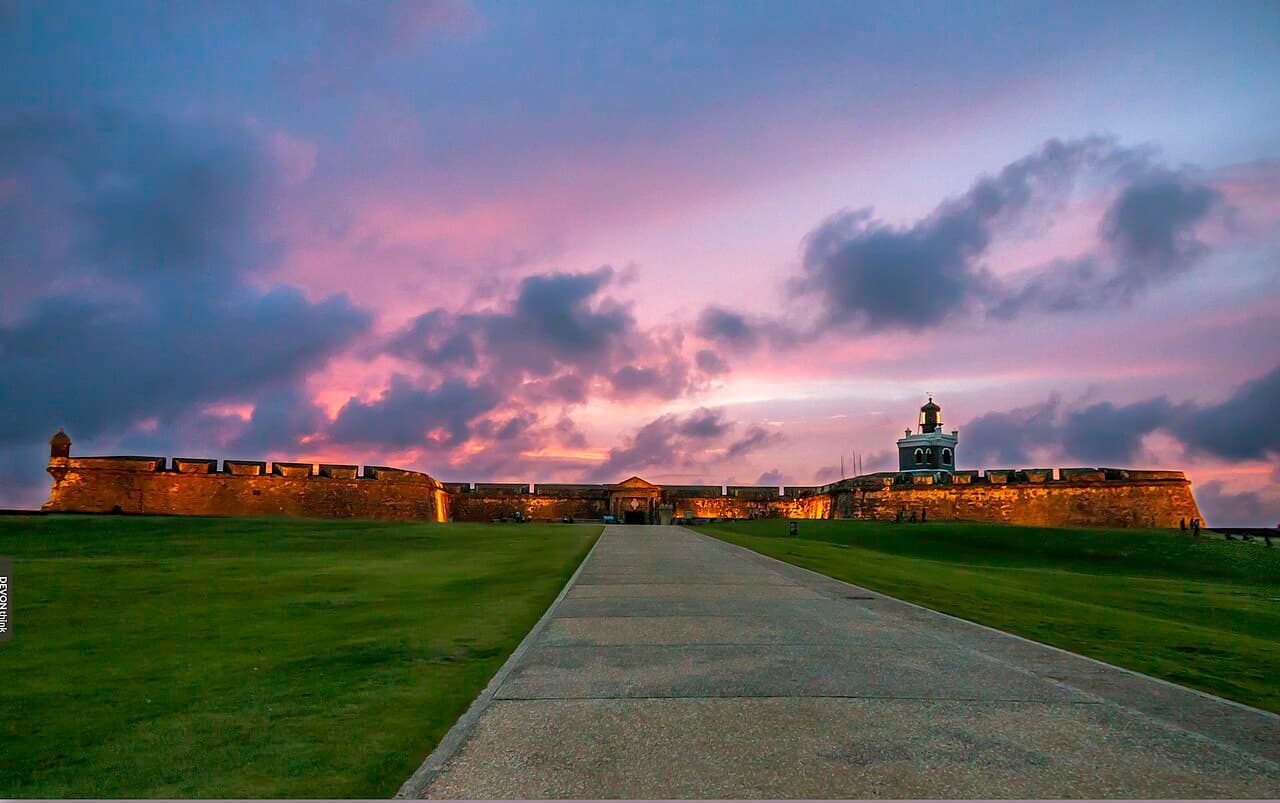
Castillo San Felipe del Morro, commonly known as El Morro, is a monumental fortress located in the Old San Juan historic district of Puerto Rico's capital city, San Juan. This Renaissance-era citadel was originally commissioned in 1539 by King Charles I of Spain to protect the strategically vital harbor of San Juan Bay. The fortress stands prominently on a steep, rocky promontory rising 43 metres (140 feet) above the Atlantic Ocean, commanding views that were critical for defense against naval attacks during the Age of Discovery and Sail.
Early construction and strategic importance
The initial construction began as a simple fortified tower intended to defend the entrance to San Juan Bay. It was named in honor of King Philip II, who later oversaw significant expansions transforming the tower into a formidable hornwork bastion fort by 1595. The design incorporated thick walls ranging from 5.5 to 7.6 metres (18 to 25 feet) to withstand cannon fire and sieges. Over the next two centuries, especially during the reign of King Charles III, the fortress underwent continuous development, culminating in its current six-level structure by 1787.
Architectural features and defensive design
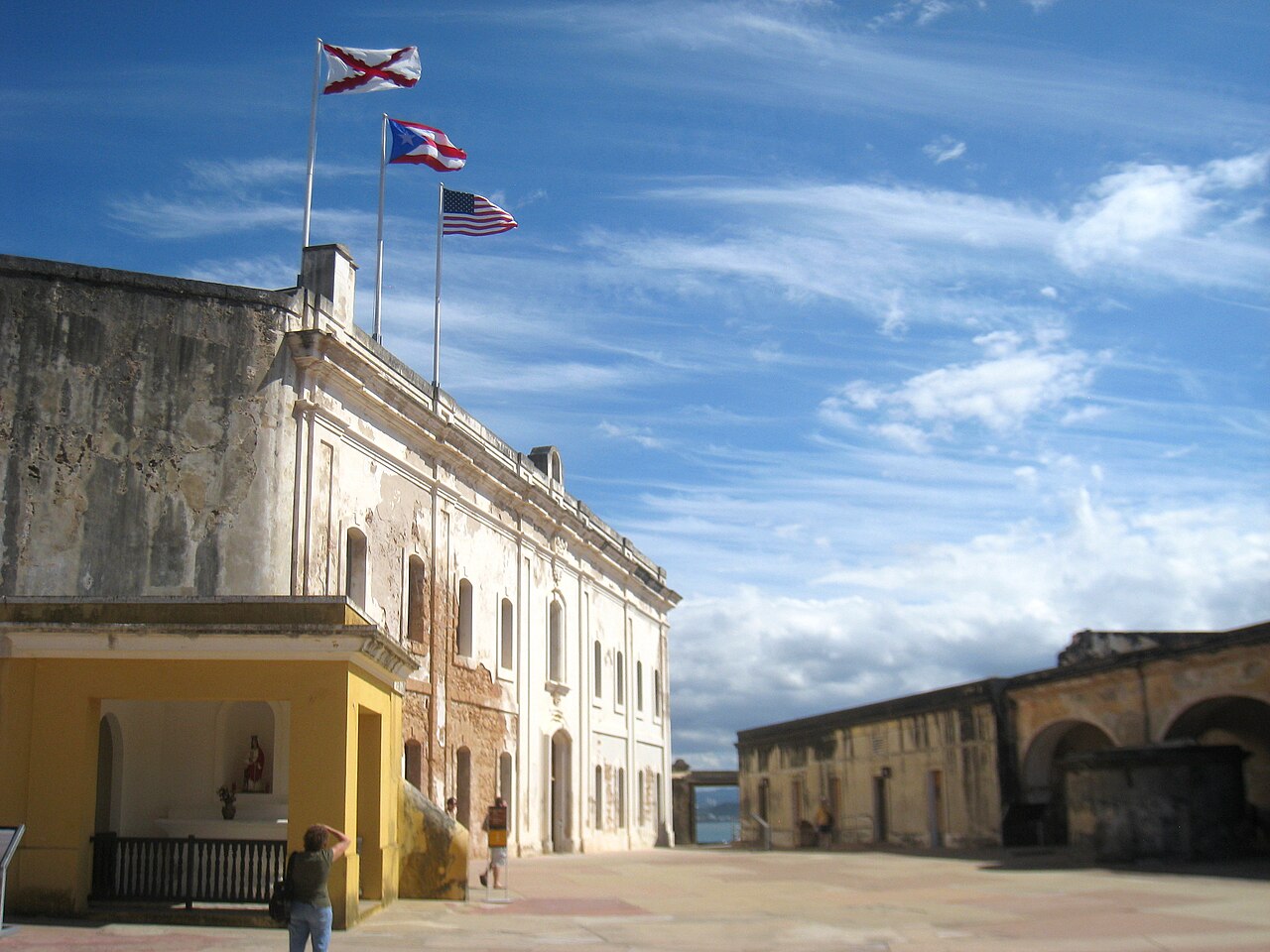
El Morro exemplifies the Renaissance military architecture adapted for the New World, combining European bastion fort principles with adjustments for the Caribbean climate and terrain. The fortress includes multiple defensive features such as thick stone walls, angled bastions for crossfire coverage, a moat, and a series of gates and drawbridges. Its hornwork bastion design allowed defenders to cover all approaches with overlapping fields of fire, making it extremely difficult for enemy forces to breach.
The fortress also contains numerous internal chambers, including garrison quarters, ammunition magazines, and command posts. The multiple levels are connected by ramps and staircases, facilitating rapid movement of troops and supplies during battle. The uppermost level served as an artillery platform, equipped with cannons capable of controlling the bay's entrance and deterring hostile fleets.
Historical role and military engagements
El Morro played a critical role in defending the Spanish Empire's interests in the Caribbean. It was part of a larger system of fortifications including La Fortaleza, San Cristóbal, and El Cañuelo, collectively known as the Walls of Old San Juan. These defenses protected Puerto Rico, often referred to as La Llave de las Indias (The Key to the Indies), from numerous attacks by rival European powers such as the British, Dutch, and later the United States.
The fortress endured several sieges, including attacks during the 1595 English expedition led by Sir Francis Drake and the 1625 Dutch assault. Its robust construction and strategic location made it a formidable obstacle to enemy fleets attempting to capture San Juan. The fortress's military significance continued into the 18th century and beyond, adapting to evolving artillery technology and warfare tactics.
Modern history and preservation
Following its military use, El Morro eventually became a symbol of Puerto Rican heritage and resilience. The fortress was declared a UNESCO World Heritage Site in 1983, recognizing its outstanding universal value as an example of Renaissance military architecture in the Americas and its historical significance in colonial defense systems.
Today, El Morro is managed by the U.S. National Park Service as part of the San Juan National Historic Site. It is open to the public for tours, offering visitors a chance to explore its extensive ramparts, dungeons, and artillery platforms while learning about its rich history. The site also hosts cultural events and educational programs that highlight its role in Puerto Rico's colonial past and its ongoing cultural importance.
Architectural legacy and cultural significance
Castillo San Felipe del Morro remains one of the most iconic landmarks in Puerto Rico, symbolizing centuries of military engineering and colonial history. Its massive walls and strategic location illustrate the importance of fortifications in protecting overseas territories during the Renaissance and early modern periods. The fortress's preservation allows for continued study and appreciation of European military architecture adapted to the unique conditions of the Caribbean.
The fortress also contributes to the historic character of Old San Juan, a district renowned for its colorful colonial buildings and cobblestone streets. As a UNESCO World Heritage Site, El Morro attracts scholars, tourists, and history enthusiasts worldwide, serving as a tangible link to the complex history of colonial expansion, defense, and cultural exchange in the Americas.
Frequently asked questions (FAQ)
- How do I get to Castillo San Felipe del Morro?
- You can reach Castillo San Felipe del Morro by taking a taxi, rideshare, or public transportation within San Juan. The castle is located at the entrance of San Juan Bay, making it easily accessible from various points in the city.
- What is the historical significance of Castillo San Felipe del Morro?
- Castillo San Felipe del Morro, completed in 1783, played a crucial role in the defense of San Juan against various invasions, particularly by the British and Dutch. It is recognized as a UNESCO World Heritage Site, highlighting its importance in military architecture and its role in the history of Puerto Rico.
- When was Castillo San Felipe del Morro built?
- Construction of Castillo San Felipe del Morro began in 1540 and continued over the centuries, with significant modifications made until the late 18th century. The fort's long history reflects the evolving military needs of the Spanish Empire in the Caribbean.
- Can I enter Castillo San Felipe del Morro with a wheelchair?
- Yes, Castillo San Felipe del Morro is accessible for visitors with mobility challenges. The site provides designated pathways and ramps, ensuring that everyone can enjoy the stunning views and rich history of the fort.
- Why is Castillo San Felipe del Morro a popular tourist destination?
- Castillo San Felipe del Morro is popular due to its historical significance, impressive architecture, and breathtaking views of the Atlantic Ocean. Visitors are drawn to its fascinating exhibits and the opportunity to learn about Puerto Rico's rich cultural heritage.
- Is it possible to visit Castillo San Felipe del Morro year-round?
- Yes, Castillo San Felipe del Morro is open to visitors throughout the year, although hours may vary seasonally. It's advisable to check the official website for the most current opening hours before planning your visit.
- What are the ticket prices for Castillo San Felipe del Morro?
- As of now, the entrance fee for Castillo San Felipe del Morro is typically around $10 for adults, with discounts available for seniors and children. It's a good idea to purchase tickets in advance online to avoid long lines and ensure your access.
- What is the best time to visit Castillo San Felipe del Morro?
- The best time to visit Castillo San Felipe del Morro is during the cooler months from December to April when the weather is pleasant and ideal for outdoor exploration. Visiting early in the morning or later in the afternoon can also help you avoid the crowds.
- Are there any nearby attractions to Castillo San Felipe del Morro?
- Yes, nearby attractions include the historic San Juan Gate, the vibrant streets of Old San Juan, and the stunning beaches of San Juan. Exploring these areas can enrich your experience and provide a deeper understanding of the local culture and history.
Photo gallery

Information
Loading map...
Visitor reviews
No reviews yet. Been here? Write the first review and help other travelers!
Write the first reviewVisited this castle? Share your experience
Your review helps other travelers and adds first-hand knowledge to our encyclopedia.