Castillo San Cristóbal
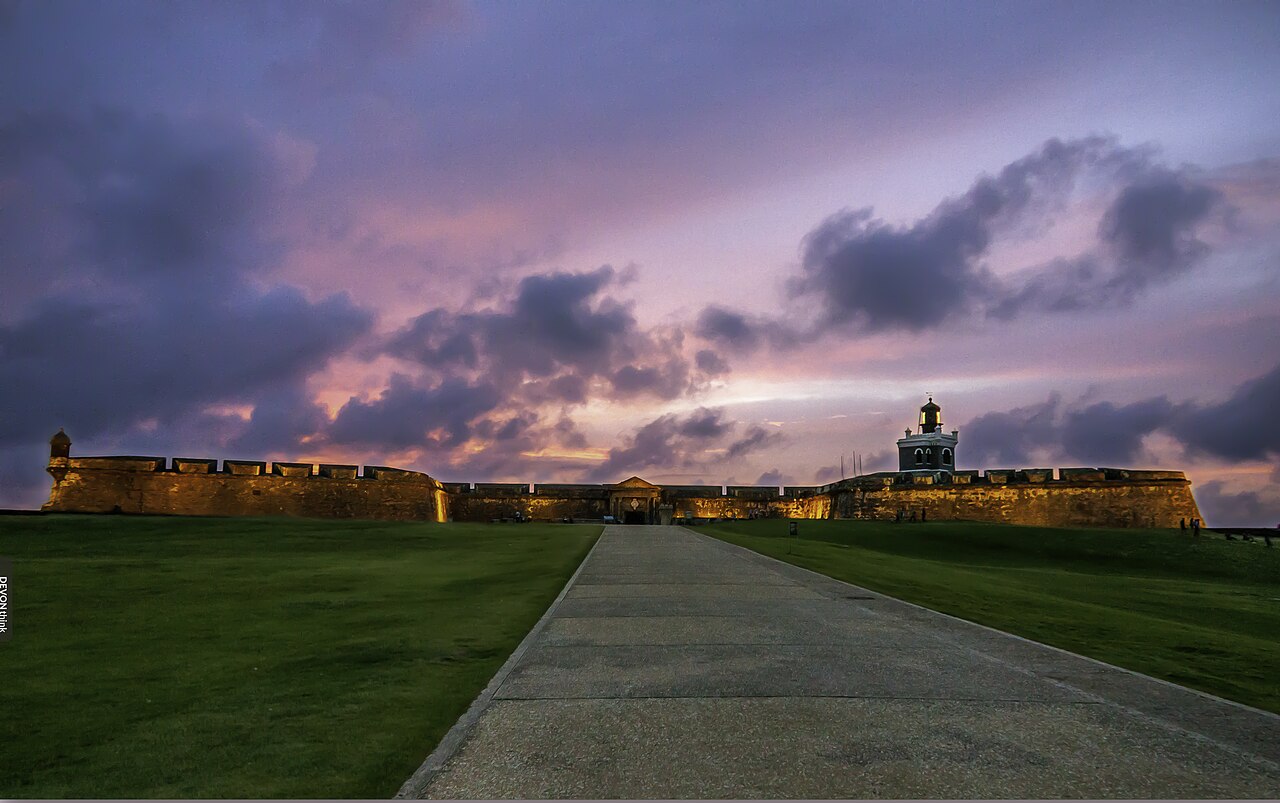
Castillo San Cristóbal, also known as Saint Christopher Castle, is a monumental fortress located in the historic district of Old San Juan, the capital of Puerto Rico. It is renowned as the largest fortification constructed by the Spanish Empire in the New World. This impressive bastion fort played a crucial role in the defense of Puerto Rico, often called La Llave de las Indias (The Key to the Indies), during the Age of Sail when European powers vied for control over the Caribbean and the Americas.
The origins of Castillo San Cristóbal trace back to the early 17th century, with initial construction beginning in 1634 as a response to attacks by the English in 1598 and the Dutch in 1625. Originally named the Caballero de San Miguel (Saint Michael Cavalier) and featuring the iconic Garita del Diablo (Devil’s sentry box), the fortress was strategically placed on a hill rising approximately 150 feet above the Atlantic shoreline. Its elevated position allowed it to guard the landward approaches to Old San Juan effectively, complementing the coastal defenses of El Morro and La Fortaleza.
Architectural evolution and fortification design
Castillo San Cristóbal was developed over more than a century and a half, with significant expansions occurring especially during the reign of King Charles III of Spain in the 18th century. The fortress exemplifies the Renaissance military architectural principles adapted for the Caribbean context, evolving into a complex bastion fort system. Key features include extensive outer ravelins, batteries, and multiple levels of defensive walls designed to withstand artillery sieges common in the period.
The fort's layout is characterized by a series of angular bastions connected by curtain walls, designed to provide overlapping fields of fire against attackers. The three-tiered structure includes underground tunnels, barracks, storerooms, and artillery platforms. The Garita del Diablo, a sentry box perched on the walls, is one of the most famous architectural elements, symbolizing the fortress’s vigilance.
Historical significance and military role
Throughout its history, Castillo San Cristóbal served as a vital military installation guarding the landward entrance to Old San Juan. Alongside El Morro, which defended the harbor, and La Fortaleza, the governor’s residence and fortification, it formed an integrated defensive network known as the Walls of Old San Juan. These fortifications protected Puerto Rico from repeated attempts at invasion by European powers, including the English, Dutch, and later the British.
The fortress also played a role during the Spanish-American War in 1898, when Puerto Rico was ceded to the United States. Its strategic location and robust design made it a formidable defense point throughout the colonial period.
Preservation and cultural heritage
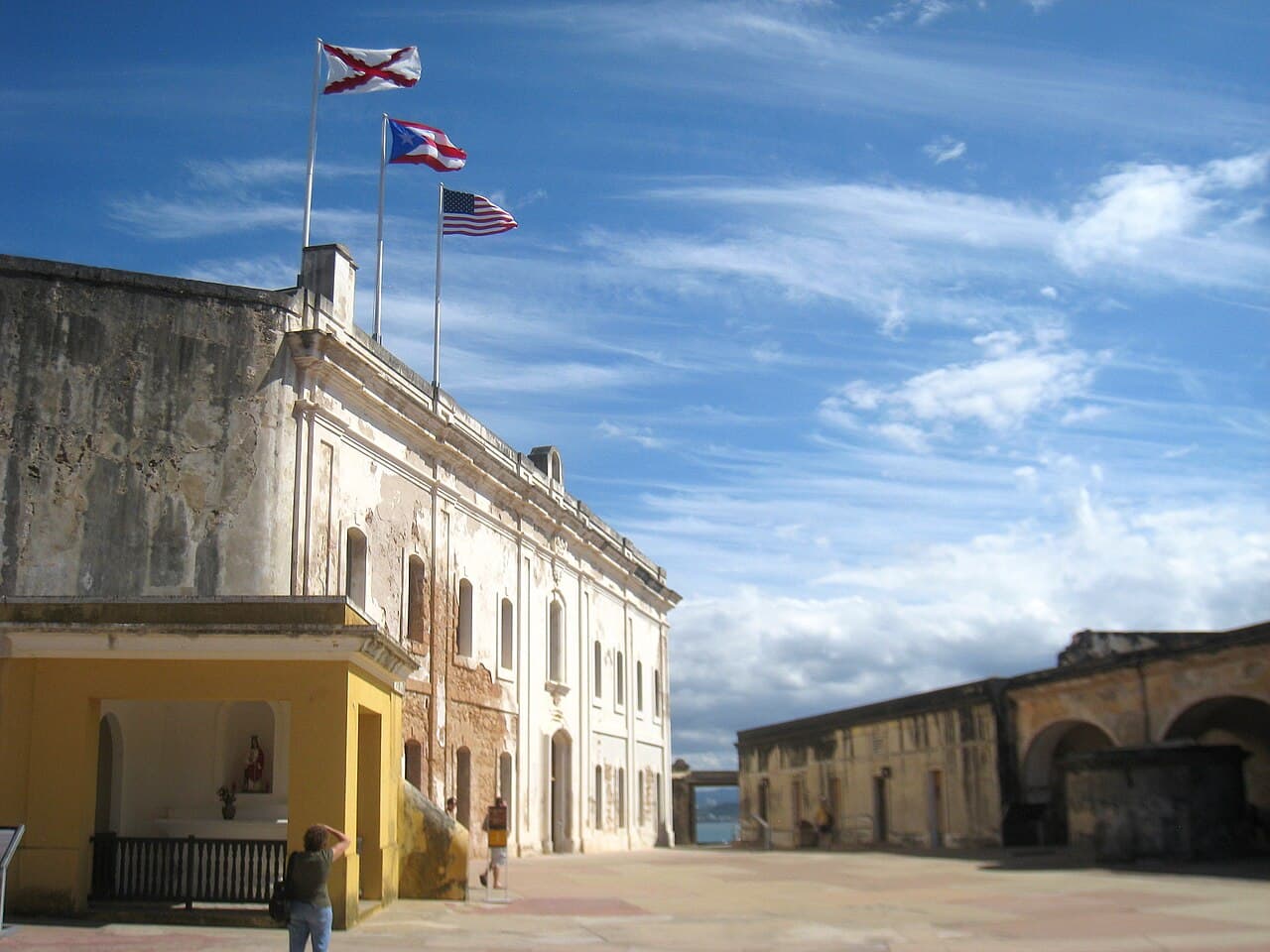
Today, Castillo San Cristóbal is well preserved and managed as a historic site open to the public. It was designated a UNESCO World Heritage Site in 1983 as part of the collective recognition of the Fortifications of Old San Juan. Visitors can explore the extensive network of tunnels, bastions, and courtyards while learning about the fortress's history through guided tours and interpretive exhibits.
The fortress stands as a testament to the Spanish colonial military engineering and the complex history of the Caribbean region. Its imposing walls and strategic location continue to attract historians, architects, and tourists interested in the legacy of European fortifications in the Americas.
Architectural features in detail
Bastions and curtain walls
The design of Castillo San Cristóbal incorporates multiple bastions with angled walls to deflect cannon fire and provide crossfire coverage. The curtain walls between bastions are thick and robust, constructed from stone and mortar, capable of absorbing heavy bombardment. These elements reflect the Renaissance bastion fort concepts that were state-of-the-art in the 17th and 18th centuries.
Defensive structures and artillery placements
The fortress includes numerous batteries positioned to cover all approaches, including land and sea routes. These artillery platforms housed cannons of various calibers, allowing defenders to repel attacks effectively. The outer ravelins served as forward defensive works, adding layers of protection and complicating enemy advances.
Underground tunnels and chambers
One of the remarkable features of Castillo San Cristóbal is its extensive tunnel network, which facilitated troop movement, communication, and storage of munitions safely out of enemy sight. These tunnels connect different parts of the fortress and include chambers for quarters and supplies, highlighting the complexity of the fort's design.
Visiting Castillo San Cristóbal
Visitors to Castillo San Cristóbal can explore its vast grounds, including the battlements, tunnels, and historic sentry boxes. The site offers panoramic views of the Atlantic Ocean and the city of San Juan. Guided tours provide detailed historical context and architectural insights, enhancing the visitor experience.
The fortress is accessible year-round, with facilities to accommodate tourists interested in military history and colonial architecture. Nearby attractions include El Morro, La Fortaleza, and the colorful streets of Old San Juan, making it a key destination for cultural tourism in Puerto Rico.
Frequently asked questions (FAQ)
- What is Castillo San Cristóbal and where is it located?
- Castillo San Cristóbal is a large Spanish fortress located in Old San Juan, Puerto Rico, guarding the land entrance to the city.
- When was Castillo San Cristóbal built?
- Construction began in 1634, with major expansions continuing into the 18th century, especially under King Charles III of Spain.
- What architectural style characterizes Castillo San Cristóbal?
- The fortress exemplifies Renaissance military architecture adapted to Caribbean conditions, featuring bastions, curtain walls, and ravelins.
- Is Castillo San Cristóbal open to visitors?
- Yes, the fortress is open daily from 9:00 to 17:00, with guided tours available and an admission fee of $5 for adults and $3 for children.
- What are the main features to see at Castillo San Cristóbal?
- Visitors can explore the extensive bastions, underground tunnels, artillery batteries, and iconic sentry boxes like the Garita del Diablo.
Photo gallery

Photo by Daderot•Public domain
Information
Opening hours
9:00-17:00 daily
Ticket prices
$5 adult, $3 child
Current owner
Puerto Rico National Parks
Loading map...
Visitor reviews
No reviews yet. Been here? Write the first review and help other travelers!
Write the first reviewVisited this castle? Share your experience
Your review helps other travelers and adds first-hand knowledge to our encyclopedia.