Castell de Sant Joan
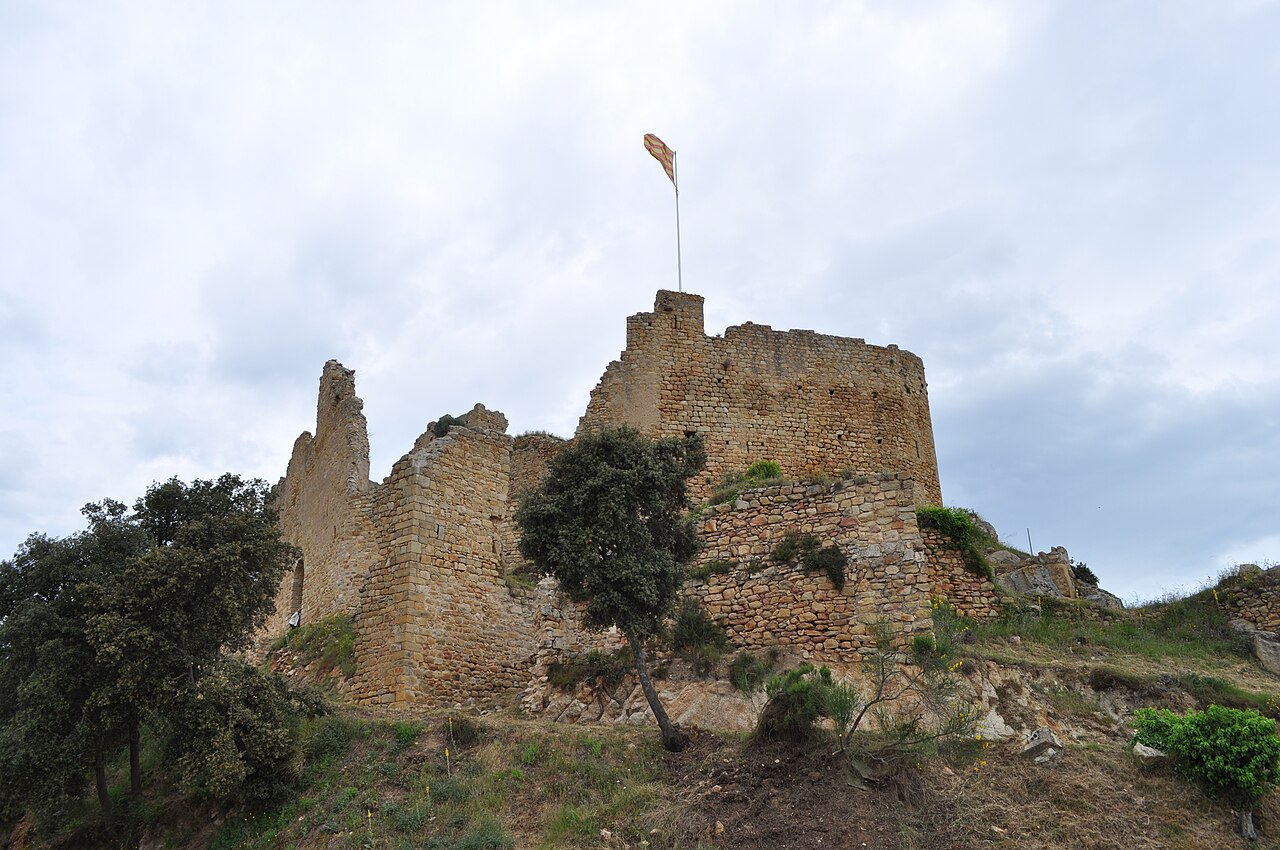
Castell de Sant Joan is a prominent high medieval hill castle located in Spain, dating back to the 13th century. This fortress exemplifies the strategic military architecture typical of its period, situated on elevated terrain to maximize defensive capabilities and control over the surrounding landscape.
Historical context and significance
Constructed during the high medieval period, Castell de Sant Joan was part of a broader network of fortifications established across the Iberian Peninsula. This era was marked by frequent conflicts, including the Reconquista, where Christian kingdoms sought to reclaim territory from Muslim rule. The castle’s position on a hill provided a commanding vantage point, essential for surveillance and defense against invasions.
While specific historical records about the castle’s founders and occupants are limited, its architectural features align with military needs of the 13th century, reflecting the turbulent socio-political environment of medieval Spain. The castle likely served both as a military stronghold and a local administrative center.
Architectural features and design
Castell de Sant Joan showcases typical elements of high medieval hill castles. Its layout is adapted to the uneven terrain, with stone curtain walls that follow the contours of the hilltop. These walls were constructed to withstand sieges and provide a strong defensive perimeter.
The castle includes towers positioned at strategic points along the walls, enhancing its defensive capabilities by allowing archers and guards to monitor and repel attackers effectively. The gatehouse would have been heavily fortified, possibly featuring a drawbridge and portcullis to control access.
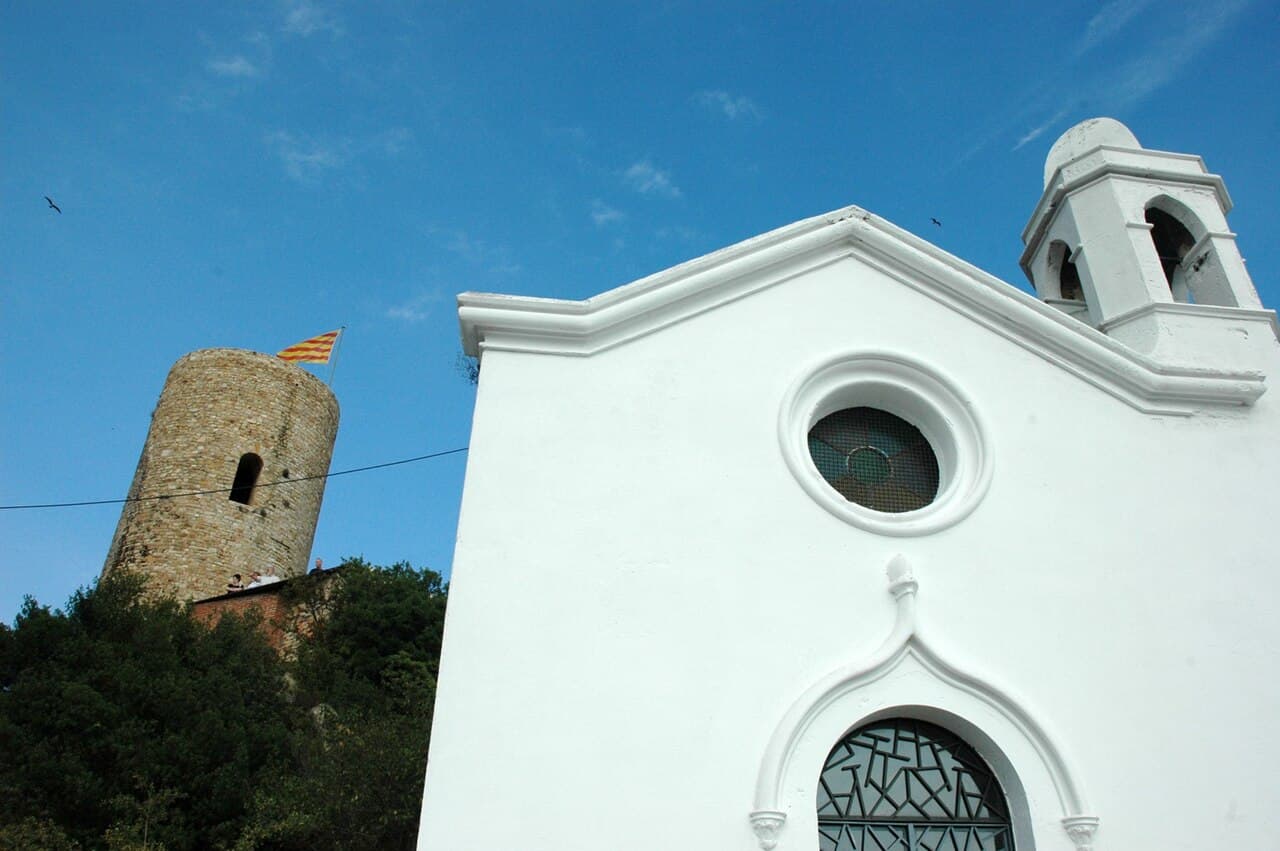
Inside the walls, there would have been essential structures such as a keep or donjon, serving as the last line of defense and residence for the lord or commander. Additional buildings likely included storage facilities, barracks, and a chapel, reflecting the castle’s role as a self-sufficient fortress.
Materials and construction techniques
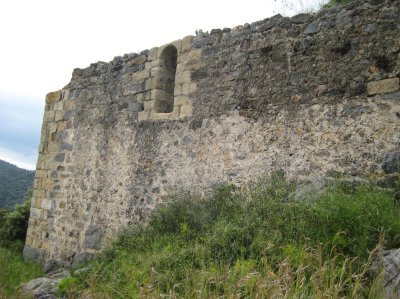
The castle’s construction primarily utilized local stone, chosen for its durability and availability. Masonry techniques of the period involved carefully cut and fitted stones, often laid without mortar in the earliest phases, with later repairs and reinforcements using lime mortar.
Strategic location and landscape
Perched atop a hill, Castell de Sant Joan commands extensive views over the surrounding countryside. This elevated position was crucial for early warning of enemy movements and for signaling between other nearby fortifications.
The natural topography enhanced the castle’s defenses, as steep slopes limited the approaches available to attackers, funneling them into narrow, defensible paths. This strategic siting is characteristic of hill castles built during the medieval period across Europe.
Preservation and current condition
Today, Castell de Sant Joan remains a significant historical site, though its condition is generally classified as ruins. Portions of the curtain walls and towers survive, offering valuable insight into medieval military architecture.
Efforts to preserve and study the site have helped maintain its cultural heritage, making it accessible to visitors interested in medieval history and architecture. The ruins provide a tangible connection to the region’s medieval past and its defensive strategies.
Visitor experience and accessibility
Visitors to Castell de Sant Joan can explore the remains of the castle and enjoy panoramic views of the surrounding landscape. The site’s hilltop location means access may involve a moderate hike, which adds to the experience of visiting a medieval fortress.
Interpretive signage and guided tours, where available, help contextualize the castle’s historical importance and architectural features, enriching the visitor experience.
Photo gallery

Information
Loading map...
Visitor reviews
No reviews yet. Been here? Write the first review and help other travelers!
Write the first reviewVisited this castle? Share your experience
Your review helps other travelers and adds first-hand knowledge to our encyclopedia.