Casa Basso

Casa Basso Italian castle restaurant in Westhampton, New York
Post-Renaissance (17th–18th c.)
Well Preserved

Casa Basso is a unique and historic Italian restaurant located in Westhampton, New York, renowned for its distinctive castle-like appearance featuring a prominent tower and crenellations that evoke the charm of an 18th-century castle. Established in 1928, Casa Basso has become a beloved culinary and architectural landmark in the region, blending authentic Italian cuisine with a captivating historic ambiance.

Historical background and establishment

Since its founding in 1928, Casa Basso has been family owned and operated, maintaining a steadfast commitment to customer satisfaction and culinary excellence. The restaurant’s long-standing history spans over 80 years, during which it has cultivated a reputation for providing some of the finest Italian dishes in a setting that is both elegant and evocative of old-world European architecture.

The castle-like structure housing Casa Basso is not a medieval fortress but rather a carefully designed property that mimics the aesthetic of an 18th-century Italian castle. This architectural choice enhances the dining experience, offering guests a unique atmosphere that complements the traditional Italian fare.

Architectural features and style

The building’s most striking feature is its tower, which rises above the main structure and is crowned with crenellations, typical of castle fortifications. These elements contribute to the romantic and historic feel of the property, drawing visitors into an ambiance reminiscent of European nobility and grandeur.

While the castle does not serve a defensive purpose, its design incorporates castle motifs such as battlements and stone-like facades that evoke the medieval and Renaissance architectural traditions. The overall style blends elements of Romantic Revival architecture, popular in the early 20th century for creating picturesque and nostalgic buildings inspired by historic European castles.

Culinary experience and atmosphere

Casa Basso is celebrated not only for its architectural charm but also for its exceptional Italian cuisine. The restaurant prides itself on offering authentic dishes prepared with high-quality ingredients, reflecting classic Italian culinary traditions. The dining rooms are adorned with historic statues and decor that further enhance the castle-like atmosphere, making each visit a sensory journey into Italy’s rich cultural heritage.

The owners emphasize that the combination of exquisite food, historic ambiance, and attentive service ensures guests leave with a feeling of complete satisfaction, making Casa Basso a cherished destination for both locals and visitors.

Location and visitor information

Situated in Westhampton, New York, Casa Basso is easily accessible to those exploring the Hamptons and seeking a distinctive dining experience. The restaurant’s unique castle-like appearance makes it a notable landmark in the area, attracting guests interested in both its culinary offerings and architectural character.

Legacy and cultural significance

Over nearly a century of operation, Casa Basso has established itself as more than just a restaurant; it is a cultural icon that celebrates Italian heritage through both its cuisine and its evocative castle-inspired setting. The property stands as a testament to the enduring appeal of historic architectural styles adapted for modern use, blending hospitality with a sense of history and romance.

Frequently asked questions (FAQ)

How do I visit Casa Basso?
Visiting Casa Basso requires planning ahead, as it is located in Westhampton, American Samoa. It's advisable to check the official website for any specific visitor guidelines, as well as to book tickets in advance to ensure a smooth experience.
What is the historical significance of Casa Basso?
Casa Basso is a remarkable structure that reflects the rich history and cultural heritage of American Samoa. Originally built in the early 20th century, it served as a residence for prominent local leaders and has played a vital role in the region's development.
When was Casa Basso constructed?
Casa Basso was constructed in 1932, showcasing the architectural style of that era. Its design incorporates traditional Samoan elements, making it a unique example of local craftsmanship and history.
Can I take guided tours of Casa Basso?
Yes, guided tours of Casa Basso are available and highly recommended. These tours provide deeper insights into the castle's history, architecture, and significance, making your visit more enriching.
Why is Casa Basso considered an architectural gem?
Casa Basso is considered an architectural gem due to its unique blend of traditional Samoan design and colonial influences. The intricate woodwork, spacious verandas, and stunning ocean views make it a captivating site for architecture enthusiasts.
Is it possible to host events at Casa Basso?
Yes, Casa Basso offers facilities for hosting various events, including weddings and cultural celebrations. It's advisable to contact the management for details on availability and arrangements.
What is the best time to visit Casa Basso?
The best time to visit Casa Basso is during the dry season, which typically runs from May to October. Visiting during these months ensures pleasant weather, making your exploration of the castle more enjoyable.
What are the ticket prices for Casa Basso?
Ticket prices for Casa Basso vary depending on the type of tour and any special events. It's best to check the official website or contact the visitor center for the most current pricing information.
What are the opening hours of Casa Basso?
Casa Basso is open to visitors from 9 AM to 5 PM, Tuesday through Sunday. It is closed on Mondays and on certain holidays, so planning your visit during regular hours is essential.
Are there any nearby attractions to Casa Basso?
Yes, there are several nearby attractions including beautiful beaches, local markets, and cultural centers. Exploring these sites can enhance your visit and provide a more comprehensive experience of American Samoa.

Information

Palace Castle

Loading map...

Visitor reviews

No reviews yet. Been here? Write the first review and help other travelers!

Write the first review

Visited this castle? Share your experience

Your review helps other travelers and adds first-hand knowledge to our encyclopedia.
Write a review

(5/5)

0/2000 characters

Your review will be visible after admin approval

Nearby castles

148.4 km
Fort Wingate — United States of America castle

Fort Wingate

Gallup, United States of America

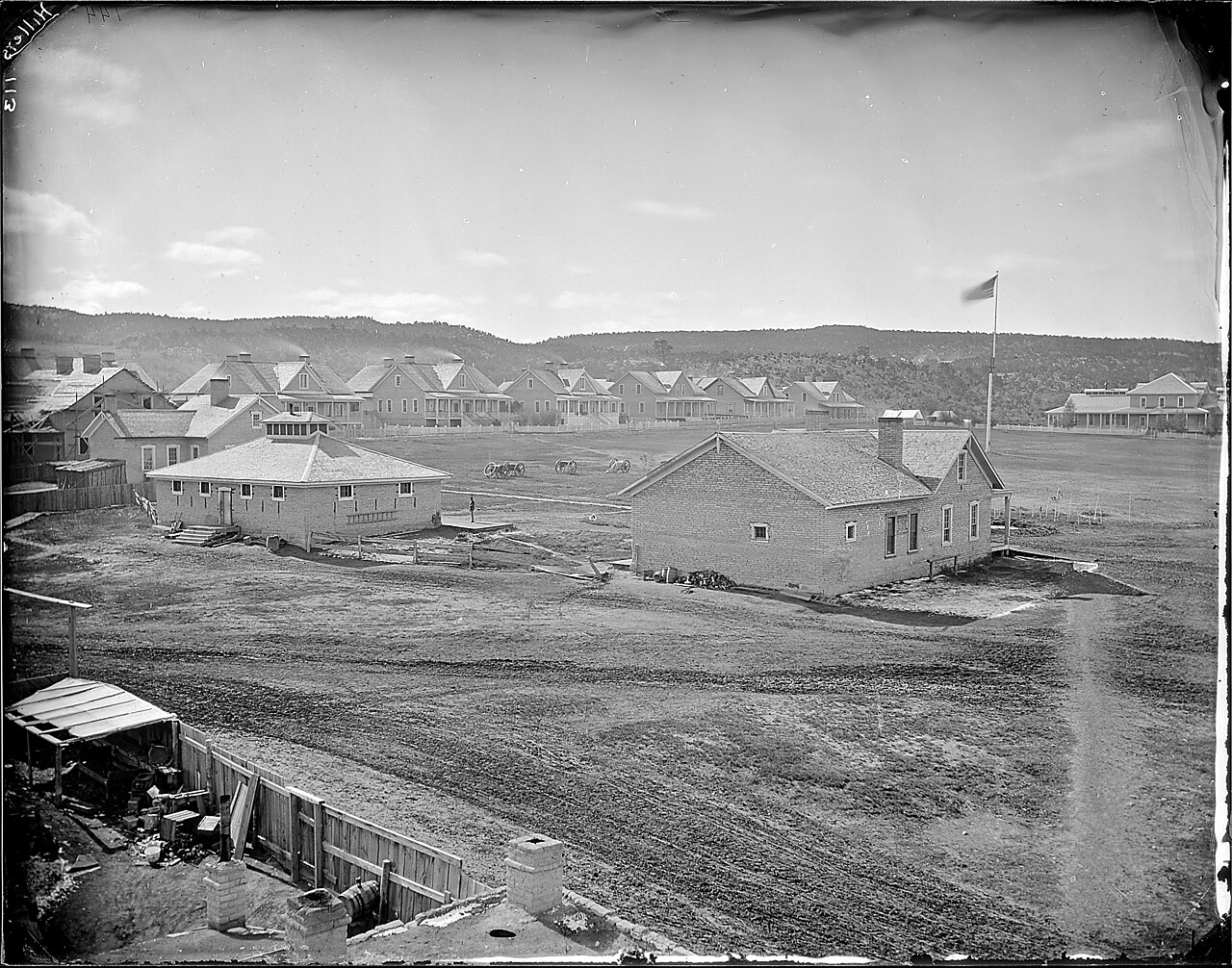
Fort Wingate is a historic military installation located near Gallup, New Mexico, United States. Established in the 19th century, it functioned as a bastioned fortress with strategic importance for military operations in the region. The fort's history is closely tied to the complex relations between the U.S. government and Native American tribes, particularly the Navajo and Apache peoples. Historical background and early locations The name Fort Wingate actually refers to three different sites in New Mexico over time. The first was established at Seboyeta from 1849 to 1862, followed by a second location at San Rafael from 1862 to 1868. The San Rafael fort notably served as the staging point for the infamous Long Walk of the Navajo, the forced deportation of the Navajo people during the 1860s. The current and most well-known Fort Wingate was established in 1868 at the former site of Fort Lyon on Navajo territory. Its primary purpose was to control and "protect" the large Navajo tribe located to the north, reflecting the U.S. military's approach to Native American relations during that period. Military role and operations From 1870 onward, the garrison at Fort Wingate shifted focus to concerns about the Apache tribes to the south. The fort became a key military post in monitoring and managing Apache activities. Additionally, hundreds of Navajo Scouts were enlisted at Fort Wingate through the 1890s, playing a significant role in military operations in the region. During World War II, Fort Wingate transitioned into an important ammunition depot known as the Fort Wingate Depot Activity. It supplied large quantities of munitions and explosives, including 100 tons of Composition B high explosives used in the Manhattan Project for the first Trinity nuclear test in 1945. This highlights the fort's strategic significance beyond its initial frontier military role. Architecture and fortifications Fort Wingate was designed as a bastioned fortress, a style characterized by angular bastions projecting from the walls to provide defensive coverage and eliminate blind spots. This fortification style was well-suited to the military needs of the 19th century, allowing defenders to cover all approaches against attacks. The layout typically included thick defensive walls, bastions at key points, gates controlling access, and internal buildings for barracks, storage, and command. While the exact architectural details of Fort Wingate's structures evolved over time, the bastioned design remained a defining feature of the fort's military architecture. Later history and legacy Fort Wingate remained an active military installation until its closure in 1993 following the Base Realignment and Closure Commission decisions. Since then, the site has undergone extensive environmental cleanup efforts to address unexploded ordnance (UXO), perchlorate contamination, and lead pollution resulting from decades of military use. The fort's historical significance was formally recognized when the Fort Wingate Historic District was added to the National Register of Historic Places in 1978. The surrounding community was designated as the Fort Wingate census-designated place in 2020, recording a population of 328 residents in the 2020 census. Fort Wingate in cultural and military history Fort Wingate's history reflects broader themes in American history, including westward expansion, Native American relations, and military innovation. It played a role in both the forced relocation of the Navajo and in the scientific advancements of the atomic age. The fort's evolution from a frontier bastioned fortress to a modern ammunition depot illustrates changes in military strategy and technology over more than a century. Today, Fort Wingate stands as a site of historical memory, with ongoing efforts to preserve its structures and remediate environmental impacts. It attracts interest from historians, military scholars, and visitors seeking to understand the complex legacy of U.S. military installations in the Southwest.

Modern (19th–20th c.)
Details
189.9 km

Blue Castle Automotive

Albuquerque, United States of America

Blue Castle Automotive stands out as a unique architectural curiosity in Albuquerque, New Mexico. Unlike traditional castles built for defense or residence, this building serves a modern commercial purpose while adopting the iconic castle-like design that captures attention and sparks curiosity among locals and visitors alike. Located at 2321 Isleta Blvd SW, this structure is painted a vivid blue, making it a prominent landmark along the street. Its design mimics medieval castle features such as battlement-style parapets, turret-like projections, and arched windows, creating a playful yet striking aesthetic that contrasts with the surrounding urban environment. The building functions as an automotive repair shop, blending commercial utility with whimsical architectural styling. This fusion of form and function makes Blue Castle Automotive a notable example of thematic architecture where the visual appeal is enhanced by a strong, recognizable motif—here, the medieval castle. Architectural features and style While not a historic castle in the traditional sense, Blue Castle Automotive incorporates several castle-inspired architectural elements. The structure features crenellated parapets along the roofline, reminiscent of defensive battlements found on medieval fortifications. These parapets provide the building with its distinctive silhouette and contribute to its nickname, "Blue Castle." The facade includes turret-like corners that rise slightly above the main roofline, enhancing the castle illusion. The use of arched windows and doorways further emphasizes the medieval theme, though these elements serve practical purposes for the business inside. The choice of a bright blue paint color is unusual for castle-themed architecture, which typically favors stone or earth tones, but it effectively draws attention and creates a memorable visual identity for the business. The cultural and local significance Blue Castle Automotive has become a well-known local landmark in Albuquerque due to its distinctive appearance and function. It adds character and charm to the neighborhood, standing out from typical commercial buildings. The playful design invites curiosity and serves as a conversation piece among residents and visitors. Its presence highlights how architectural motifs traditionally associated with historic castles can be adapted creatively to modern commercial buildings, enriching the urban landscape with unique and engaging structures. Visiting information Located in a busy urban area, Blue Castle Automotive is accessible to the public during its business hours. Visitors interested in architecture or quirky roadside attractions can view the exterior from the street. The shop provides automotive repair services, making it a functional destination as well as a visual landmark. While the building does not offer tours or historical exhibits, its distinctive castle-like appearance makes it a popular photo opportunity for those exploring Albuquerque's diverse architectural styles.

Details
193.9 km

ABQ Biopark Castle

Albuquerque, United States of America

ABQ Biopark Castle in Albuquerque, New Mexico, offers a unique and imaginative experience unlike traditional medieval castles. Situated within the ABQ BioPark, this castle is not a historic fortress but a creative garden installation designed to engage visitors with the wonders of horticulture and plant life through extraordinary oversized sculptures and playful landscaping. The castle is guarded by a fourteen-foot high topiary dragon, a striking and whimsical feature that immediately captures the attention of visitors. This dragon stands sentinel at the gates, inviting guests into a fantasy world where nature and imagination merge. The entrance itself is designed as a huge rabbit hole, symbolizing the gateway to an enchanted garden realm. Here, visitors encounter six-foot earthworms burrowing through the walls, a creative nod to the vital role of soil creatures in gardening. Fantasy garden features and installations The Fantasy Garden at ABQ Biopark Castle is filled with a variety of oversized plant-themed sculptures and educational exhibits. Among the highlights are nine-foot high potted plants and an eleven-foot tall watering can, which emphasize the scale and importance of nurturing plants. The garden also features giant soil particles illustrating the drainage properties of different soil types such as sand and clay, offering visitors an interactive learning experience about plant growth environments. Another notable feature is the gargantuan "nurse" tree complete with a bird nest and kid-sized eggs, symbolizing care and protection in nature. The garden includes a seedling forest with enormous acorns and pinecones, highlighting the early stages of plant life. Visitors can walk through a pumpkin 42 feet in diameter and two stories high, a truly immersive and playful experience that delights children and adults alike. The vegetable garden section showcases potatoes, onions, and carrots scaled up to sizes "only Superman could lift," blending education with fantasy to engage visitors in the importance of growing food plants. Location and visitor information ABQ Biopark Castle is located at 2601 Central Ave NW, Albuquerque, New Mexico 87104. The BioPark itself is a complex that includes a zoo, aquarium, and botanical garden, making it a comprehensive destination for nature lovers and families. The garden is open from 9 a.m. to 5 p.m., Tuesday through Sunday, and is closed on Mondays as well as on January 1, Thanksgiving, and December 25. This schedule allows for regular maintenance and seasonal care of the garden installations. Architectural and design aspects While ABQ Biopark Castle does not conform to traditional castle architecture such as medieval fortifications or stone keeps, its design embraces the concept of a castle as a place of wonder and imagination. The use of topiary art and large-scale garden sculptures creates an immersive environment where the principles of landscape design and horticultural education are combined with playful creativity. The castle and garden installations serve as a modern interpretation of a castle’s role as a protective and magical space, reimagined through the lens of environmental awareness and botanical fascination. Educational and cultural significance ABQ Biopark Castle plays an important role in promoting awareness about plant biology, ecology, and the importance of soil health. Through its engaging and oversized exhibits, it fosters curiosity and learning among visitors of all ages. The garden encourages hands-on interaction and observation, making complex botanical concepts accessible and entertaining. This approach aligns with the broader mission of the ABQ BioPark to connect people with nature, inspire conservation efforts, and provide recreational opportunities in an urban setting.

Details

