Carbury Castle — Ireland castle

Carbury Castle

Carbury Castle in County Kildare, Ireland
High Medieval (11th–13th c.)
Partially Preserved

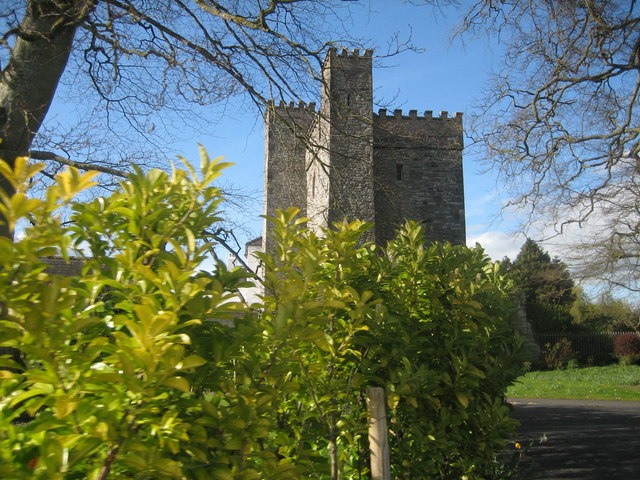
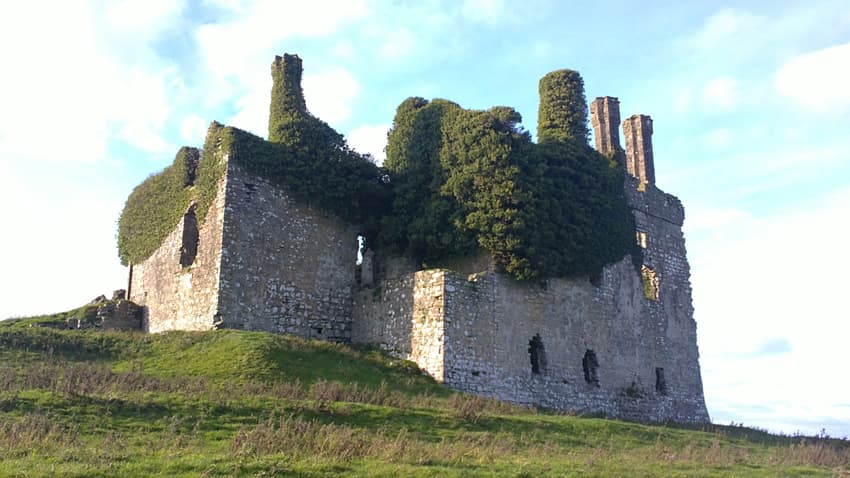
Carbury Castle is a prominent hill castle located in the townland of Carbury, near the border of County Kildare and County Offaly in Ireland. This medieval fortress stands on a strategic elevated site, commanding extensive views of the surrounding landscape, which was ideal for defense and surveillance during its active use.

Historical background and origins

The castle was constructed in the 13th century by Pierce St. Leger, a member of the Anglo-Norman St. Leger family who played a significant role in the Norman colonization of Ireland. The St. Legers were granted lands in this region following the Norman invasion, and Carbury Castle was established as a fortified stronghold to assert control over the territory and protect the surrounding estates.

Throughout its history, Carbury Castle witnessed various changes in ownership and was involved in regional conflicts, reflecting the turbulent medieval period in Ireland. Its position near the border of two counties made it a valuable asset in controlling movement and defending against rival factions.

Architectural features and layout

Carbury Castle exemplifies typical high medieval defensive architecture with its robust stone construction and elevated position. The castle's remains indicate a compact design centered around a keep or donjon, which served as the main fortified residence and last line of defense. The keep would have been surrounded by curtain walls and possibly a moat or ditch, enhancing its defensive capabilities.

Although much of the castle is now in ruins, the surviving structures reveal thick stone walls and remnants of defensive towers. The elevated site provided natural protection, supplemented by man-made fortifications. The castle's design reflects the military architecture of the period, emphasizing stronghold security and control over the landscape.

Defensive elements

The castle's location on a hilltop allowed for excellent visibility of the surrounding areas, an essential feature for early warning against attacks. The walls were likely equipped with battlements and arrow slits to enable defenders to repel sieges effectively. The entrance would have been fortified with a gatehouse, possibly including a portcullis and murder holes to deter invaders.

Role in regional history

Carbury Castle played a strategic role in the medieval history of the region, serving as a military and administrative center. It was part of the network of castles established by Norman settlers to consolidate their power and manage the local population. The castle's control over the border area between Kildare and Offaly was crucial during periods of unrest and shifting alliances.

Over the centuries, the castle experienced sieges and ownership disputes, reflecting the broader conflicts in medieval Ireland, including struggles between Gaelic Irish lords and Anglo-Norman families. Its decline began as the military importance of such fortifications waned with changes in warfare and political structures.

Current condition and preservation

Today, Carbury Castle stands as partially preserved ruins. While much of the original structure has deteriorated, the remaining walls and foundations offer valuable insights into medieval castle construction and life. The site is accessible to visitors who can explore the ruins and appreciate the castle's commanding position in the landscape.

Efforts to preserve and maintain the ruins help protect this important historical monument, which continues to attract interest from historians, archaeologists, and tourists alike.

Visiting Carbury Castle

Visitors to Carbury Castle can enjoy panoramic views from the hilltop and explore the remains of the medieval fortress. The site is open year-round, although facilities are limited due to its ruinous state. It is recommended to wear suitable footwear for uneven terrain and to check local access conditions before visiting.

Nearby attractions

The castle's location near the border of County Kildare and County Offaly places it within reach of other historical sites and natural attractions in the region, making it a worthwhile stop for those interested in Ireland's medieval heritage.

Frequently asked questions (FAQ)

How do I get to Carbury Castle?
Carbury Castle is located in County Kildare, Ireland, easily accessible by car. The nearest major city is Dublin, which is approximately 50 kilometers away. Public transport options may include buses that connect to nearby towns, followed by a short taxi ride.
What is the historical significance of Carbury Castle?
Carbury Castle dates back to the 12th century and played a vital role in the defense of the region during the medieval period. It was historically associated with the powerful Fitzgerald family and has witnessed many significant events in Irish history. Today, it stands as a testament to Ireland's rich heritage and architectural development.
When was Carbury Castle built?
Carbury Castle was constructed in the early 12th century, making it one of Ireland's oldest surviving castles. Its strategic location on a hill provided a commanding view of the surrounding landscape, essential for both defense and monitoring movements in the area. Over the centuries, it has undergone various renovations that reflect changing architectural styles.
Can I visit Carbury Castle?
Yes, visitors are welcome to explore Carbury Castle, although access to certain areas may be restricted due to preservation efforts. Guided tours are often available, providing insights into the castle's history and architecture. It is recommended to check ahead for tour schedules and any special events.
Why is Carbury Castle a popular tourist attraction?
Carbury Castle attracts visitors due to its stunning views of the surrounding countryside and its rich historical background. The castle's unique architecture and its connection to notable Irish families make it a fascinating site for history enthusiasts. Additionally, the serene environment offers a perfect setting for photography and exploration.
Is it possible to host events at Carbury Castle?
Yes, Carbury Castle can be rented for private events, including weddings and corporate gatherings, providing a unique and historic backdrop. Interested parties should contact the castle management to discuss availability and specific arrangements. The picturesque setting enhances the experience for guests and creates unforgettable memories.
What are the opening hours for Carbury Castle?
Carbury Castle typically operates from 10 AM to 5 PM during the tourist season, but hours may vary depending on the time of year or special events. It is advisable to check the official website or contact the castle directly for the most current information regarding opening hours. Planning your visit ahead can help you make the most of your experience.
What are the ticket prices for Carbury Castle?
Ticket prices for visiting Carbury Castle are generally affordable, with discounts available for students and seniors. Children under a certain age may be granted free admission, but it's best to verify current pricing on the official website before your visit. Group rates may also be available for larger parties, enhancing the experience for educational trips or family outings.
What is the best time to visit Carbury Castle?
The best time to visit Carbury Castle is during the late spring and early autumn months, when the weather is mild and conducive to outdoor exploration. Additionally, these seasons offer beautiful natural scenery, enhancing your overall experience. Be sure to check for any local events that may coincide with your visit for an even richer experience.
Are there any nearby attractions to visit along with Carbury Castle?
Yes, there are several attractions near Carbury Castle, including the scenic Lough Boora Parklands and the historic town of Kilbeggan. These sites offer opportunities for nature walks, historical exploration, and cultural experiences. Planning a day trip that includes these nearby locations can provide a well-rounded experience of the region.

Photo gallery

Carbury Castle
Click to view

Photo by Dougbermingham at English Wikipedia•CC0

1 photo • Click any image to view in full screen

Information

Hill Castle

Loading map...

Visitor reviews

No reviews yet. Been here? Write the first review and help other travelers!

Write the first review

Visited this castle? Share your experience

Your review helps other travelers and adds first-hand knowledge to our encyclopedia.

Write a review

(5/5)

0/2000 characters

Your review will be visible after admin approval

Nearby castles

14.9 km

Donadea Castle

, United Kingdom

Donadea Castle stands as a remarkable example of a fortified manor house nestled within the historic landscape of County Kildare, Ireland. Its origins are deeply intertwined with an early Christian monastic site founded in the mid-5th century by Saint Patrick, who established a church and monastery dedicated to Saint Peter at a location originally known as Dunmurragill. This early religious settlement was not only a spiritual center but also featured defensive characteristics, likely due to its foundation on or near an ancient Iron Age fortification. The Irish term "dún," meaning fortress, underscores the site's longstanding military significance. In 832 AD, the monastery was devastated by Viking raids, a common fate for many Irish ecclesiastical sites during this turbulent period. Despite this destruction, the church was rebuilt, maintaining the sacred role of the site through the centuries. Following the Anglo-Norman invasion of Ireland in the late 12th century, the region came under feudal control, and a castle was constructed near the present-day Donadea Castle site. This early fortification was part of a network of defensive structures that endured cycles of destruction and rebuilding, reflecting the volatile nature of medieval Ireland. Construction and development under the Aylmer family The estate and castle eventually came into the possession of the Aylmer family in 1558, when they purchased it from the Earls of Ormond. Gerald Aylmer, a prominent figure of the family, initiated the construction of a new castle in 1581, which was completed in 1624. This structure represents the oldest surviving part of Donadea Castle today. The Aylmers were significant local aristocrats, with Gerald Aylmer receiving the title of baronet, which reflected their elevated status in the social hierarchy. Alongside the castle's construction, the Aylmers undertook repairs to the ancient church in 1626, preserving the religious heritage of the site. The castle itself embodies the architectural transition from purely military fortifications to fortified manor houses that combined defense with residential comfort, typical of late 16th and early 17th-century Ireland. Architectural features and site layout Donadea Castle's surviving structure, built between 1581 and 1624, exemplifies the characteristics of fortified manor houses of its period. While detailed architectural plans are scarce, the castle likely featured robust defensive elements such as thick stone walls, narrow windows for archery or musketry, and possibly a bawn (walled courtyard) typical of Irish tower houses and manors. The castle is situated adjacent to a large woodland park, part of the historic demesne, which emphasizes its role not only as a defensive stronghold but also as a center of estate management and leisure. The location on or near earlier fortifications connects the castle to a long tradition of military architecture on the site, spanning from the Iron Age through the medieval period. Remnants of earlier fortifications The site preserves traces of its earlier defensive past, including the foundations of the early Christian monastery and possible remains of the Iron Age fort. These layers of history contribute to the castle's archaeological and cultural significance. Although no detailed archaeological excavations have been widely published, the presence of these features indicates a complex palimpsest of occupation and defense. Materials and construction techniques While specific details about the building materials and decorative elements of Donadea Castle are limited, it is consistent with other Irish fortified houses of the period, which typically used local stone and lime mortar. The construction would have balanced defensive solidity with residential needs, incorporating features such as fireplaces, chimneys, and possibly ornamental stonework in key areas. Historical significance and legacy Donadea Castle and its demesne hold significant cultural and historical value as a site that encapsulates centuries of Irish history, from early Christian monasticism through medieval feudalism to early modern aristocratic residence. The Aylmer family's long tenure at Donadea reflects the continuity of landed gentry in Ireland and their role in shaping the local landscape. The castle's endurance through centuries of political and social change, including the tumultuous periods of Viking raids, Anglo-Norman conquest, and later English rule, marks it as a testament to the resilience and adaptation of Irish noble estates. Current condition and visitor experience Today, Donadea Castle stands in a partially preserved state, retaining its historical fabric and setting within the woodland park of Donadea Demesne. The castle and its grounds are managed as part of a public park, offering visitors a glimpse into Ireland's layered past through its architecture and landscape. Visitors can explore the castle ruins and the surrounding woodlands, which include walking trails, gardens, and remnants of the estate's former grandeur. While the castle itself does not feature extensive internal exhibits or archaeological displays, its presence enriches the cultural experience of the park. Access and amenities The site is accessible to the public, with walking paths and informational signage that provide context about the castle's history and architecture. The woodland park enhances the visitor experience by offering natural beauty alongside historical interest. Future prospects Ongoing preservation efforts aim to maintain the castle's structural stability and protect its archaeological heritage. As research and conservation continue, Donadea Castle remains a valuable resource for understanding Ireland's medieval and early modern periods.

Details
24.2 km
Barberstown Castle — Ireland castle

Barberstown Castle

, Ireland

Barberstown Castle is a prominent hill castle located in Straffan, County Kildare, Ireland, approximately 25 kilometers west of Dublin. Originally constructed in the 13th century, this castle has a rich history that spans over seven centuries, reflecting the architectural and social changes of the High Medieval period. Today, it functions as a hotel, welcoming visitors to experience its historic ambiance amidst scenic gardens. Historical background and significance The earliest records indicate that Barberstown Castle was built in 1288, during a time of significant Norman influence in Ireland. The castle was initially established as a defensive stronghold typical of the High Medieval era, serving to protect the surrounding lands and assert control over the region. Over the centuries, it witnessed various ownership changes and played a role in local historical events. Its strategic location on a hill provided natural defensive advantages, allowing occupants to monitor the surrounding landscape effectively. The castle's proximity to the village of Straffan and the nearby church suggests it was integrated into the local community's social and religious life. Architectural features and layout Barberstown Castle exhibits characteristics typical of hill castles from the High Medieval period. The original structure likely included a fortified keep or tower, surrounded by defensive walls and possibly a moat, though much of the original fortifications have been modified or lost through later renovations. The castle's construction primarily used local stone, with thick walls designed to withstand attacks. The discovery of a tunnel during renovations in 1996 reveals an intriguing aspect of the castle's design. This tunnel, which connects the castle to the nearby church in Straffan, is believed to have been used during the Penal Laws era, offering a secret passage for safe movement between the two sites. The 1996 renovations and tunnel discovery Renovations carried out in 1996 uncovered a previously unknown tunnel beneath the castle grounds. This tunnel is a significant historical feature, shedding light on the castle's role during periods of religious persecution in Ireland. The Penal Laws were a series of statutes imposed in the 17th and 18th centuries that severely restricted the rights of Catholics and other non-Anglican groups. The tunnel likely provided a discreet route for clergy and worshippers to evade detection and safely attend services at the church. Barberstown Castle as a modern hotel and heritage site Since 1971, Barberstown Castle has been operating as a hotel, combining its historic charm with modern amenities. The castle is set within 20 acres (8.1 hectares) of beautifully maintained gardens, offering guests a tranquil environment that complements the medieval architecture. The hotel preserves many original architectural elements, such as stone walls, narrow windows, and period features, while adapting interiors for comfortable accommodation. This blend of history and hospitality attracts visitors interested in experiencing Ireland's medieval heritage firsthand. Gardens and surroundings The extensive gardens surrounding the castle provide a picturesque setting, featuring mature trees, manicured lawns, and walking paths. These grounds enhance the castle's appeal as a destination for weddings, events, and tourism, offering a peaceful retreat in the Irish countryside. Architectural style and preservation Barberstown Castle's architectural style reflects the functional and defensive priorities of the High Medieval period. While the castle has undergone various modifications over the centuries, its core structure retains elements typical of medieval fortifications, including thick stone walls and a compact layout suited for defense. The castle is currently in a well-preserved condition, thanks to ongoing maintenance and sensitive restoration efforts that respect its historical integrity. These efforts have ensured that Barberstown Castle remains a valuable cultural and architectural landmark in County Kildare. Visiting information and cultural importance Visitors to Barberstown Castle can explore its historic interiors and enjoy the serene gardens. The castle's operation as a hotel allows guests to immerse themselves in a medieval atmosphere while benefiting from modern comforts. The castle's historical significance, combined with its picturesque setting and unique features like the secret tunnel, make it an important heritage site in Ireland. It offers insights into medieval life, Norman architecture, and the complex history of religious conflict in the region.

High Medieval (11th–13th c.)
Details
24.2 km

Barberstown Castle

, United Kingdom

Barberstown Castle stands as a remarkable testament to medieval Norman architecture and Irish history. Located near Straffan in County Kildare, Ireland, this castle has witnessed over seven centuries of continuous transformation, reflecting the complex social and political changes of the region. Originally constructed in the late 13th century, Barberstown Castle combines its fortified medieval origins with significant 19th-century expansions, creating a unique architectural narrative that spans from the High Medieval period to the modern era. Early history and medieval origins The origins of Barberstown Castle date back to around 1288, when Nicholas Barby, a Norman settler, established the fortified residence on lands that were part of the Fitzgerald family estate. The Fitzgeralds were one of the most powerful Norman-Irish dynasties in Ireland, and their influence shaped much of the region's medieval landscape. The castle was built as a hill castle, strategically positioned to oversee the surrounding countryside and assert control over the territory. The original structure featured typical Norman defensive elements such as thick stone walls, narrow arrow slits, and a strong keep designed to withstand sieges. Over time, the castle became a symbol of Norman authority in the area, serving both as a military stronghold and a noble residence. Ownership transitions and historical significance Throughout its history, Barberstown Castle changed hands multiple times, mirroring the turbulent political landscape of Ireland. In the early 17th century, the castle was acquired by William Sutton in 1630. Later in the century, it came under the ownership of Lord Kingston, whose allegiance to the deposed King James II during the Jacobite-Williamite conflict led to the castle's seizure by the Earl of Tyrconnell in 1689. This event marked a significant turning point as the castle was transferred to crown control and managed by royal revenue commissioners. In the early 18th century, the castle was purchased by Bartholomew Vanhomrigh in 1703, a notable figure who served as Lord Mayor of Dublin in 1697. Vanhomrigh's family connection to the literary world is of particular interest; he was the father of Vanessa, who is famously linked to the writer Jonathan Swift. The estate remained with the Vanhomrigh family before passing to the Henry family, who eventually sold it due to financial difficulties. 19th-century enhancements and architectural evolution The 19th century brought significant changes to Barberstown Castle under the ownership of Hugh Barton, a merchant associated with the renowned Barton and Guestier wine company. In the 1830s, Barton undertook extensive renovations, adding a substantial wing to the medieval fortress and constructing the nearby Straffan House. These additions reflected the architectural tastes of the period, blending the castle's medieval character with contemporary residential comforts. The new wing incorporated larger windows, more elaborate interior spaces, and updated facilities, transforming the castle from a purely defensive stronghold into a comfortable country residence. The interplay between the original stonework and the 19th-century extensions illustrates the castle's adaptation to changing residential needs while preserving its historic essence. 20th-century restoration and modern use In the 20th century, Barberstown Castle experienced further transitions. The Huddleston family owned the property before it was sold to Mrs. Norah Devlin, who converted the castle into a hotel in 1971. This marked the beginning of the castle's new role as a hospitality venue, allowing visitors to experience its historic ambiance firsthand. Famous musician Eric Clapton purchased the castle in 1979, holding it until 1987 when it was sold to Ken Healy. Under Healy's ownership, the castle underwent extensive renovations and expansions, including the addition of 10 bedrooms and three bathrooms. These improvements increased the accommodation capacity to 59 guest rooms, balancing modern amenities with the preservation of the castle's historic character. Notable archaeological discoveries and features One of the most intriguing aspects of Barberstown Castle is the discovery in 1996 of an underground tunnel linking the castle to the nearby Straffan church. This tunnel is believed to date from the period of the Penal Laws in Ireland, when Catholic worship was suppressed, and secret passages were used to protect clergy and worshippers. The existence of this subterranean route offers valuable insight into the covert religious practices and social history associated with the castle. The castle's physical fabric reflects its layered history. The medieval stone walls, characteristic of Norman defensive architecture, remain prominent, while the 19th-century wing showcases adaptations to residential comfort. The surrounding gardens, covering approximately 20 acres, provide a picturesque setting that enhances the castle's historic presence in the Irish landscape. Architectural highlights and layout Barberstown Castle exemplifies a hill castle design, with its elevated position offering strategic views and defense advantages. The original Norman keep and curtain walls exhibit robust construction with thick masonry, narrow windows, and battlements designed for protection. The 19th-century additions introduced larger fenestration and refined interior spaces, reflecting the transition from fortress to stately home. The castle complex includes several notable architectural features such as the main gatehouse, defensive towers, a great hall, private chambers, and service areas. The blend of medieval and later architectural elements creates a rich tapestry that tells the story of the castle's evolution over centuries. Visitor experience and cultural significance Today, Barberstown Castle operates as a hotel, inviting guests to immerse themselves in its historic atmosphere while enjoying modern comforts. The castle's extensive grounds and well-preserved structures make it a significant cultural landmark in County Kildare. Visitors can appreciate the castle's architectural heritage, its role in Irish history, and the unique stories embodied in its walls and hidden passages. Barberstown Castle's enduring presence highlights the resilience and adaptability of medieval structures in Ireland, serving as a bridge between past and present. Its combination of defensive origins, noble residence transformations, and contemporary hospitality use offers a multifaceted experience for history enthusiasts and travelers alike.

Details