Bzovík Castle Ruins
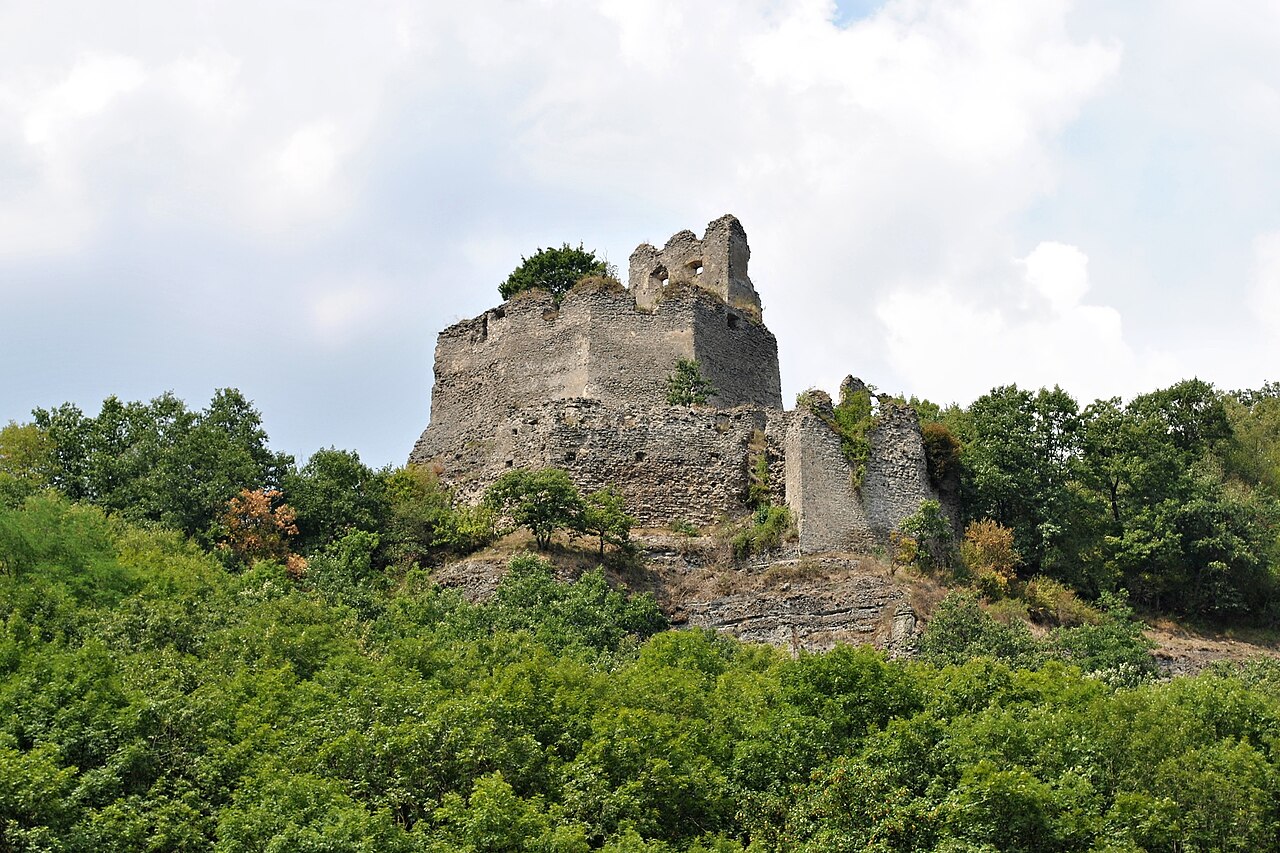
Bzovík Castle Ruins stand as a significant historical site in the Krupina District of Slovakia, representing a layered architectural and cultural heritage that spans nearly a millennium. Originally established as a Cistercian Abbey around 1130, the site evolved through various phases of religious and military use, reflecting the complex history of the region.
The castle's origins trace back to the early 12th century when the Cistercian monks founded the abbey, marking the beginning of a religious complex that would later transform dramatically. By the late medieval period, the abbey had become a prominent spiritual and economic center. Several decades after its founding, the site was taken over by the Premonstratensian order, who established a provostship that grew to become the largest feudal estate in the historical region of Hont.
Medieval transformations and fortifications
Throughout the 15th century, the abbey's fortifications were repeatedly damaged amid regional conflicts and power struggles. The turbulent times necessitated significant defensive enhancements. In 1530, the estate was acquired by Sigismund Balassa, a notable nobleman who expelled the monks and initiated a comprehensive reconstruction of the site. This transformation converted the former Romanesque monastery into a fortified Gothic-Renaissance castle, reflecting the architectural trends of the period.
Architectural features and defensive structures
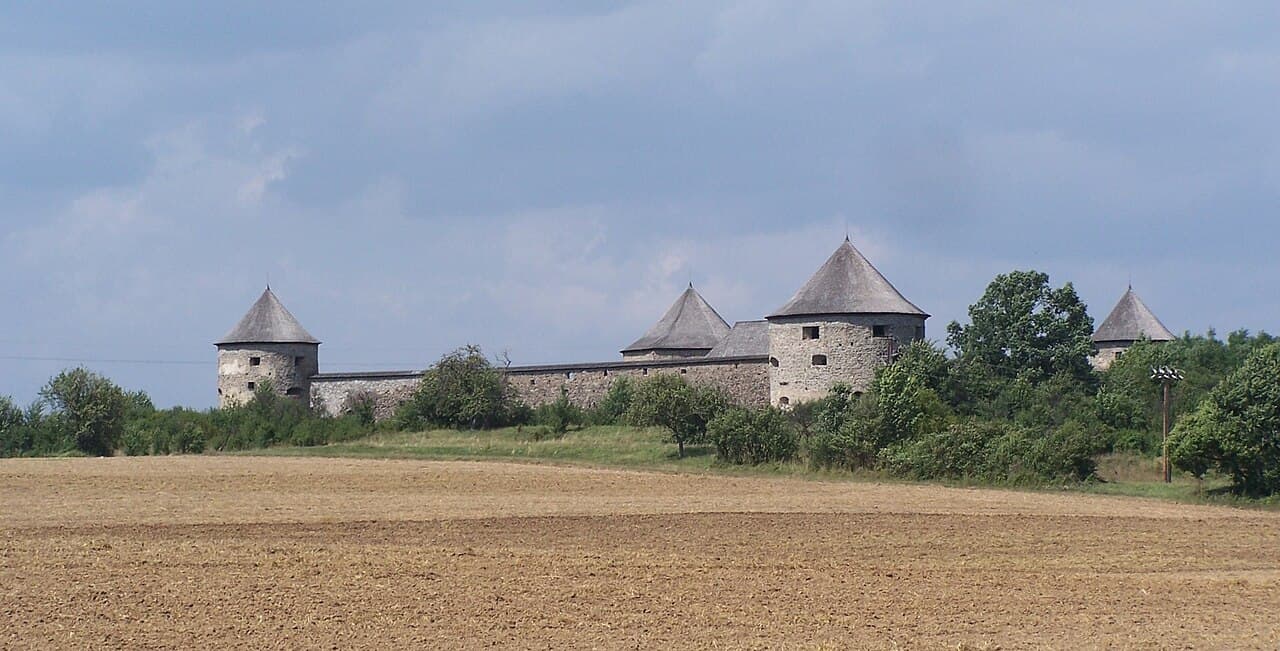
The castle's redesign under Balassa included the construction of strong outer fortifications characterized by four corner bastions and a protective dike. These elements enhanced the castle's defensive capabilities, adapting it to the evolving military technologies of the Renaissance era. The fusion of Gothic and Renaissance styles is evident in the structural details and layout, combining the verticality and pointed arches typical of Gothic architecture with the symmetry and classical elements of the Renaissance.
The castle's layout and surviving elements
Today, visitors to Bzovík Castle Ruins can explore the remains of the extensive fortifications and bastions that once defended the estate. Within the courtyard, the ruins of the original monastery are still visible, including parts of the Romanesque church that served the monastic community. These remnants provide valuable insight into the site's religious origins and its subsequent adaptation to a military fortress.
Damage and restoration efforts
The castle suffered significant damage during the final stages of the Second World War, which left many of its structures in ruins. In recent decades, restoration efforts have aimed to stabilize and partially reconstruct the remaining buildings to preserve the site's historical significance. These conservation projects focus on maintaining the integrity of the fortifications and the monastery ruins, allowing for public access and educational opportunities.
Historical significance and cultural heritage
Bzovík Castle is registered as a National heritage site in Slovakia, recognizing its importance as a cultural monument that documents the region's religious, feudal, and military history. The castle's evolution from a 12th-century Cistercian abbey to a Renaissance fortress encapsulates key historical transitions in Central Europe, including the rise of noble estates and the adaptation of medieval structures to Renaissance military architecture.
The site attracts historians, architects, and tourists interested in exploring the layers of Slovak history embedded in its walls. Its combination of religious and military architecture offers a unique perspective on the interplay between spiritual life and feudal power in the region.
Frequently asked questions (FAQ)
- What is the best time to visit Bzovík Castle Ruins?
- The best time to visit Bzovík Castle Ruins is during the late spring to early autumn months when the weather is mild and the site is most accessible for walking and exploration.
- Can I explore the remains of the Romanesque church at Bzovík Castle?
- Yes, visitors can explore the ruins of the Romanesque church located within the castle courtyard, which offers insight into the site's original monastic function.
- How was Bzovík Castle transformed in the 16th century?
- In 1530, Sigismund Balassa transformed the former Cistercian monastery into a Gothic-Renaissance castle by adding strong fortifications including four corner bastions and a dike.
- Is Bzovík Castle open to the public?
- Bzovík Castle Ruins are accessible to the public, allowing visitors to walk through the remaining fortifications and monastery ruins, though facilities may be limited due to its partially restored condition.
- Why is Bzovík Castle considered a national heritage site?
- Bzovík Castle is a national heritage site because it represents significant historical phases from a 12th-century abbey to a Renaissance fortress, reflecting Slovakia's cultural and architectural history.

Information
Loading map...
Visitor reviews
No reviews yet. Been here? Write the first review and help other travelers!
Write the first reviewVisited this castle? Share your experience
Your review helps other travelers and adds first-hand knowledge to our encyclopedia.