Branc Castle Ruins
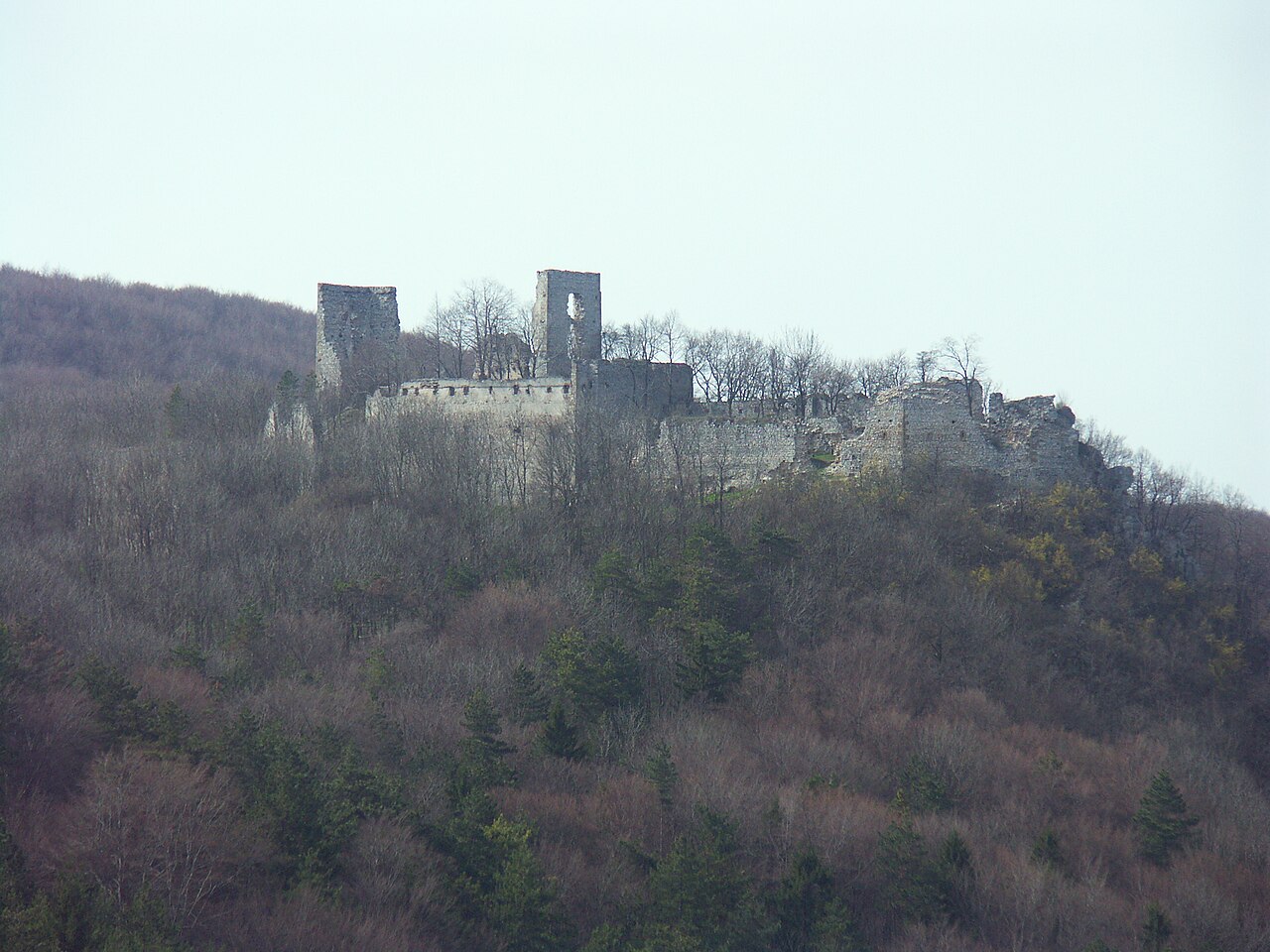
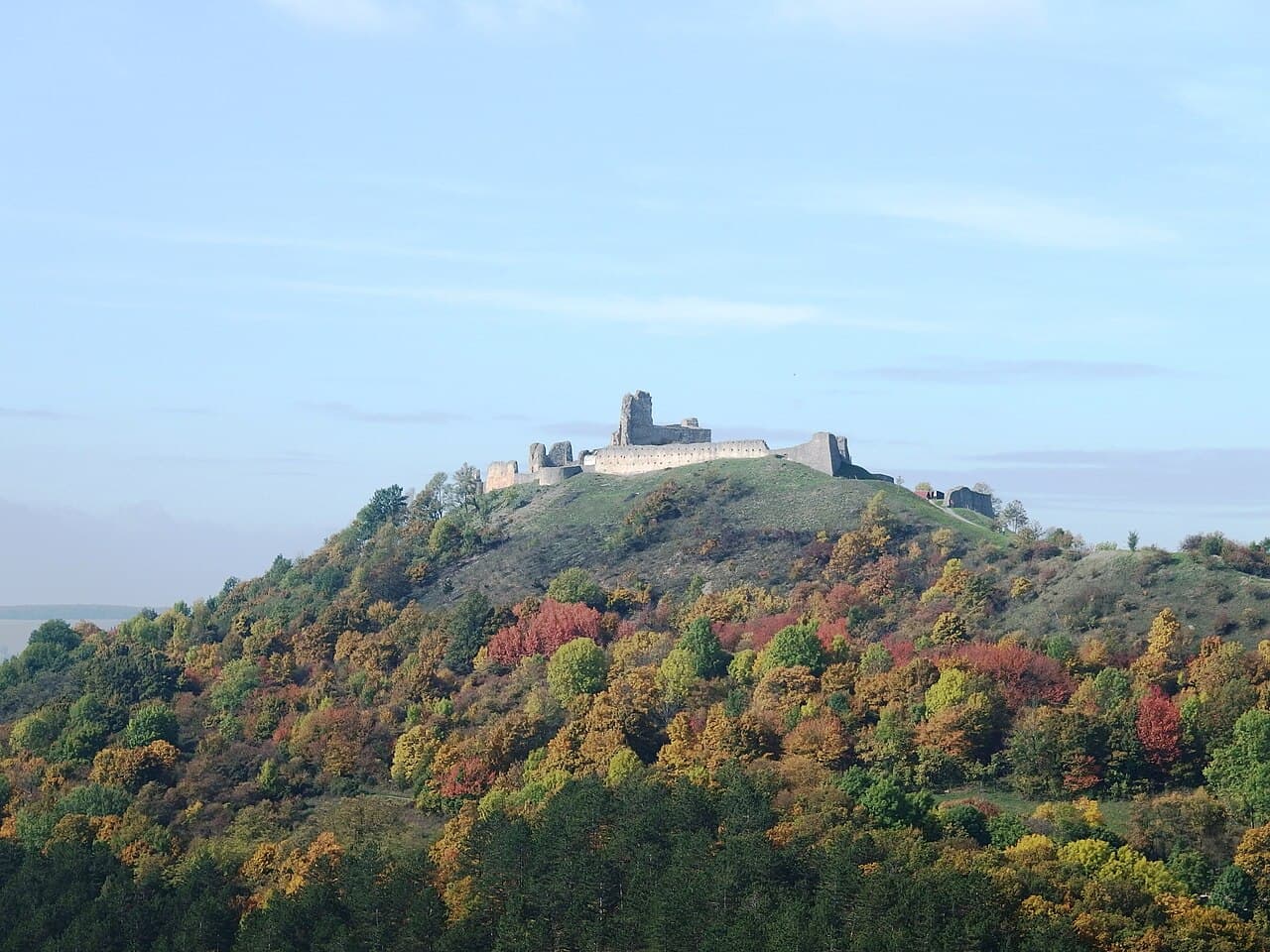
Branč Castle ruins stand as a testament to the complex medieval history and architectural evolution of fortifications in Slovakia. Located near the village of Podbranč, this hill castle was originally constructed in the 13th century during the high medieval period as a strategic fortress guarding the important trade and military routes crossing the Little Carpathians towards Moravia. The castle's position atop a 475-meter hill in the Myjavská pahorkatina region offered commanding views and natural defensive advantages, making it a key stronghold on the Kingdom of Hungary's northern frontier.
The castle's origins trace back to between 1251 and 1261, when it was built under the direction of magister Aba from Hlohovec. Its primary purpose was to protect the borderlands and control the passage through the mountain roads. Branč was part of a network of fortifications that safeguarded the kingdom's borders from incursions and facilitated control over trade routes. The first documented mention of Branč Castle dates from 1317, confirming its established role in regional defense and administration by the early 14th century.
Historical context and ownership
Over its centuries of use, Branč Castle changed hands numerous times, reflecting the turbulent political landscape of Central Europe. Approximately 40 different owners, including prominent noble families and rulers, held the castle. Notable figures associated with Branč include the influential Matúš Čák Trenčiansky, a powerful regional lord in the early 14th century; Hungarian kings Charles I Robert and Matthias Corvinus; Czech king John of Luxembourg; Sigismund of Luxembourg, who ruled in the 15th century; and the Polish noble Stibor of Stiborice.
During the reign of Sigismund of Luxembourg, the castle underwent significant rebuilding in the Gothic architectural style, transforming it into a classic rock castle with enhanced fortifications and residential quarters. This reconstruction reflected contemporary military and residential needs, including strengthening walls, adding defensive bastions, and expanding living spaces.
Architectural features and fortifications
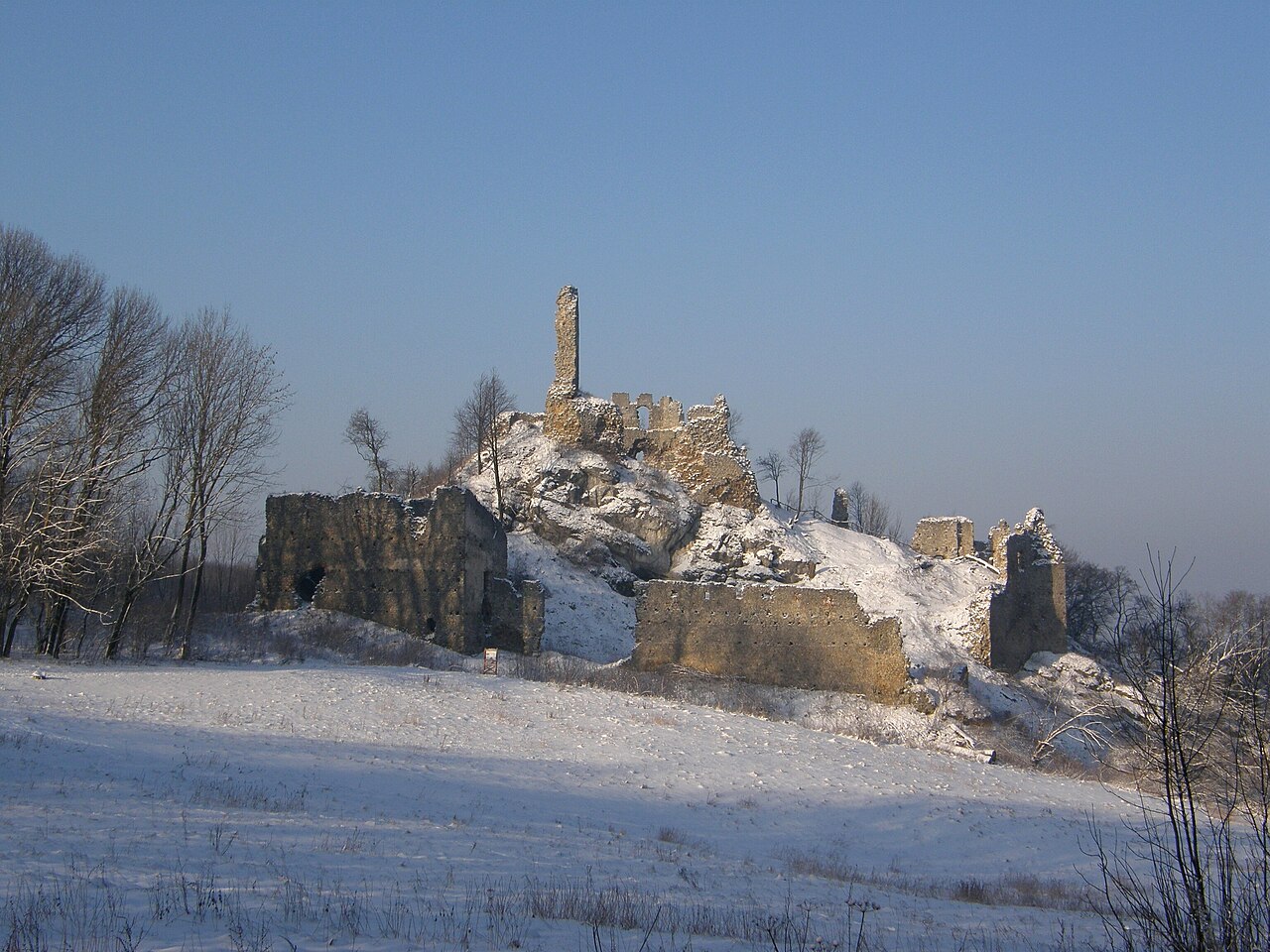
The castle complex covers about 7,500 square meters and is divided into two main sections: the lower castle and the middle castle. These are separated by a dry moat, now partially filled with debris from collapsed walls. The middle castle consists of a northern courtyard and a residential palace area with around forty rooms. The castle's core was originally a residential tower, later expanded into a square-shaped palace surrounded by Gothic defensive walls, a moat, and an earth rampart.
In the Renaissance period, especially after 1539, Branč Castle saw further modifications to adapt to the evolving art of warfare. A battery tower was constructed within the middle castle to house artillery, reflecting the introduction of gunpowder weapons. The western side of the core was expanded, and an outer fortification with three bastions was built on the western and southern sides. In the 17th century, two pentagonal bastions were added on the eastern side to reinforce defenses, compensating for the castle's location on a relatively gentle hill.
The lower castle's western courtyard once contained a well, essential for sustaining inhabitants during sieges; however, this well has since been filled and is no longer visible. The castle was primarily constructed from stone and natural rock, materials that have contributed to the durability of the surviving walls and ruins.
Role in regional conflicts and decline
Branč Castle played a significant role during the wars against the Ottoman Turks in the 17th century. It served as a refuge for local populations fleeing Ottoman raids and as a military defense point. The castle also became a prison for Protestant clergy persecuted during forced recatholization efforts. Several imprisoned clergymen died in pits near the castle walls, and a memorial now stands to honor these martyrs, highlighting the castle's somber religious history.
After the construction of a nearby manor in Sobotište, Branč Castle lost its strategic importance and was gradually abandoned in the early 18th century. Its furnishings were removed, fortifications deliberately destroyed, and the castle fell into decay. The castle was further damaged by Ottoman attacks, including being burned, which hastened its ruin.
Archaeological research and conservation
In the 20th century, efforts to preserve Branč Castle began with reconstruction work by Pamiatkostav Žilina in 1968. Archaeological excavations started in 1978, uncovering significant structural remains and artifacts that shed light on the castle's history and architectural phases. Conservation work has focused on stabilizing the remaining walls and ruins to prevent further deterioration.
Today, visitors can explore the partially preserved ruins, which offer a tangible connection to Slovakia's medieval past. The site provides a relatively easy ascent to the castle hill, rewarding visitors with panoramic views of the surrounding Myjavská pahorkatina hills. The combination of historical significance, architectural features, and scenic location makes Branč Castle an important cultural heritage site.
Visitor experience and significance
Branč Castle ruins attract history enthusiasts, hikers, and those interested in medieval architecture. The site is accessible by a short and undemanding hike, making it a popular destination for locals and tourists alike. The ruins allow visitors to imagine the castle's former grandeur and strategic importance while appreciating the natural beauty of the region.
The castle's layered history, from its medieval origins through Gothic and Renaissance modifications to its decline and modern conservation, illustrates the dynamic nature of Central European fortresses. Branč Castle stands as a symbol of regional defense, religious conflict, and architectural adaptation over centuries.
Frequently asked questions (FAQ)
- What is the historical significance of Branc Castle Ruins?
- Branc Castle Ruins date back to the 13th century and served as an important defensive fortification in the region. It played a significant role in the medieval battles between various noble families and was a strategic point for controlling trade routes in Slovakia.
- When was Branc Castle built and by whom?
- Branc Castle was built in the 13th century, likely under the rule of the Hungarian King Béla IV. It was constructed to protect the borders of the kingdom and to serve as a residence for local nobility.
- How do I get to Branc Castle Ruins?
- Branc Castle Ruins are located in Podbranč, Slovakia, and can be accessed by car or public transport. The nearest major city is Trnava, from where you can take a bus or taxi to reach the site.
- Is it possible to explore the ruins of Branc Castle?
- Yes, visitors can explore the ruins of Branc Castle. While some areas may be restricted for safety reasons, many sections are accessible for guests to enjoy the stunning views and learn about the castle's history.
- What are the opening hours for Branc Castle Ruins?
- Branc Castle Ruins are open year-round, but it's best to visit during daylight hours. Typically, the site is accessible from early morning until sunset, but it’s advisable to check local resources for any seasonal changes in hours.
- Can I find nearby attractions when visiting Branc Castle?
- Yes, there are several nearby attractions, including beautiful hiking trails and other historical sites in the region. Visitors can also explore the charming village of Podbranč and enjoy local cuisine in nearby restaurants.
- What is the best time to visit Branc Castle Ruins?
- The best time to visit Branc Castle Ruins is during the spring and fall when the weather is mild and the surrounding landscape is vibrant. Summer can also be a good time, but be prepared for higher tourist traffic.
- Are there any ticket prices for visiting Branc Castle?
- There is no admission fee to visit Branc Castle Ruins, making it an affordable option for travelers. However, visitors are encouraged to contribute to the preservation of the site through donations if they appreciate their experience.
- How accessible is Branc Castle Ruins for visitors with disabilities?
- The accessibility of Branc Castle Ruins can be challenging due to the uneven terrain and steep pathways. However, some areas may be reachable with assistance, so it’s recommended to plan ahead if accessibility is a concern.
Photo gallery

Information
Website
Visit websiteSources & official resources
Verify the information above using these authoritative references.
Loading map...
Visitor reviews
No reviews yet. Been here? Write the first review and help other travelers!
Write the first reviewVisited this castle? Share your experience
Your review helps other travelers and adds first-hand knowledge to our encyclopedia.