Béjar Castle
Béjar Castle, located in the historic town of Béjar, Spain, is a notable example of High Medieval military architecture dating back to the 13th century. Originally constructed under the reign of King Alfonso VIII after 1203, the castle served as a strategic fortress and royal residence. Over time, it evolved into the Ducal Palace of Béjar, reflecting its transition from a purely defensive stronghold to a noble seat.
The origins and historical significance of Béjar Castle
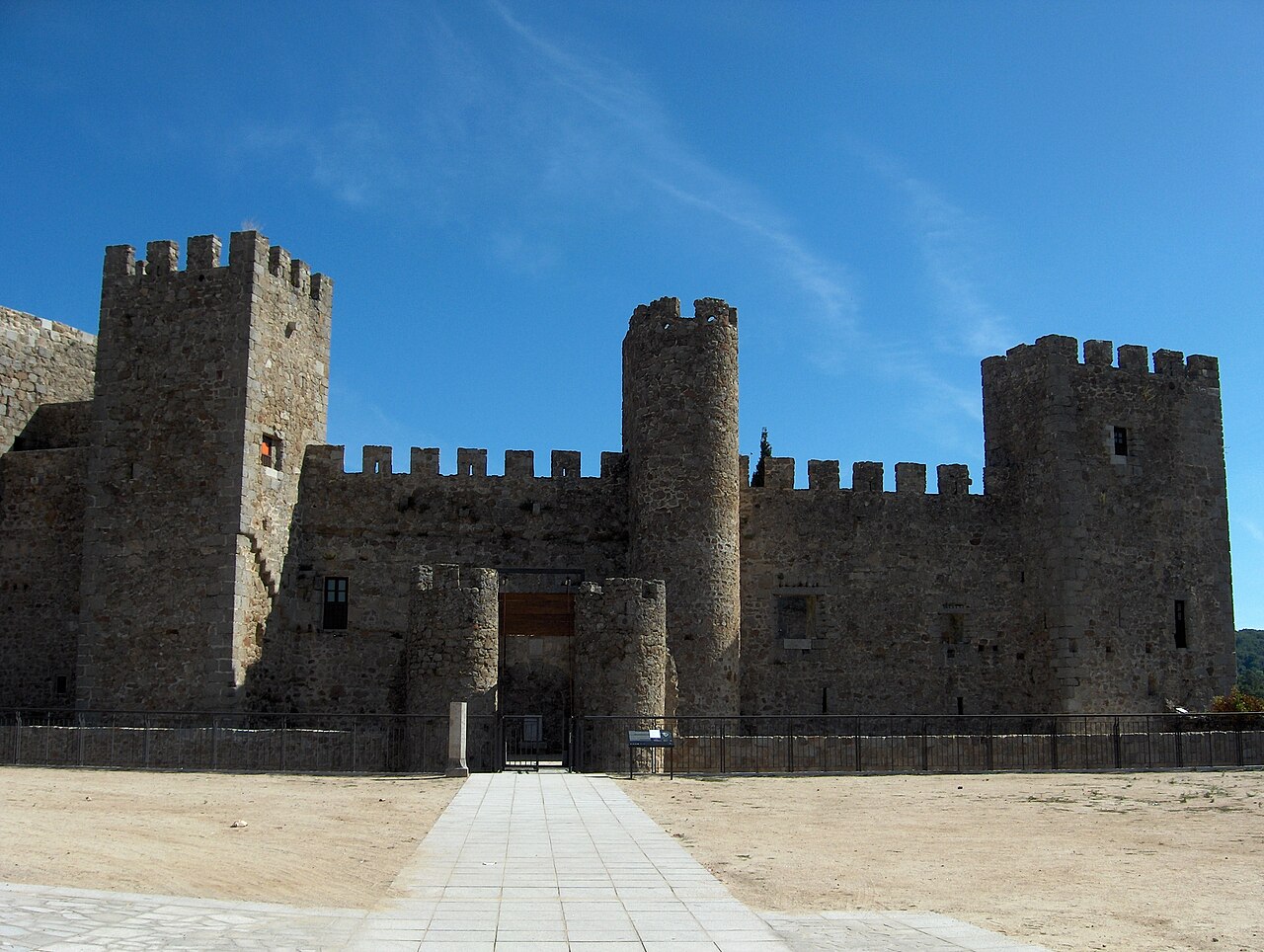
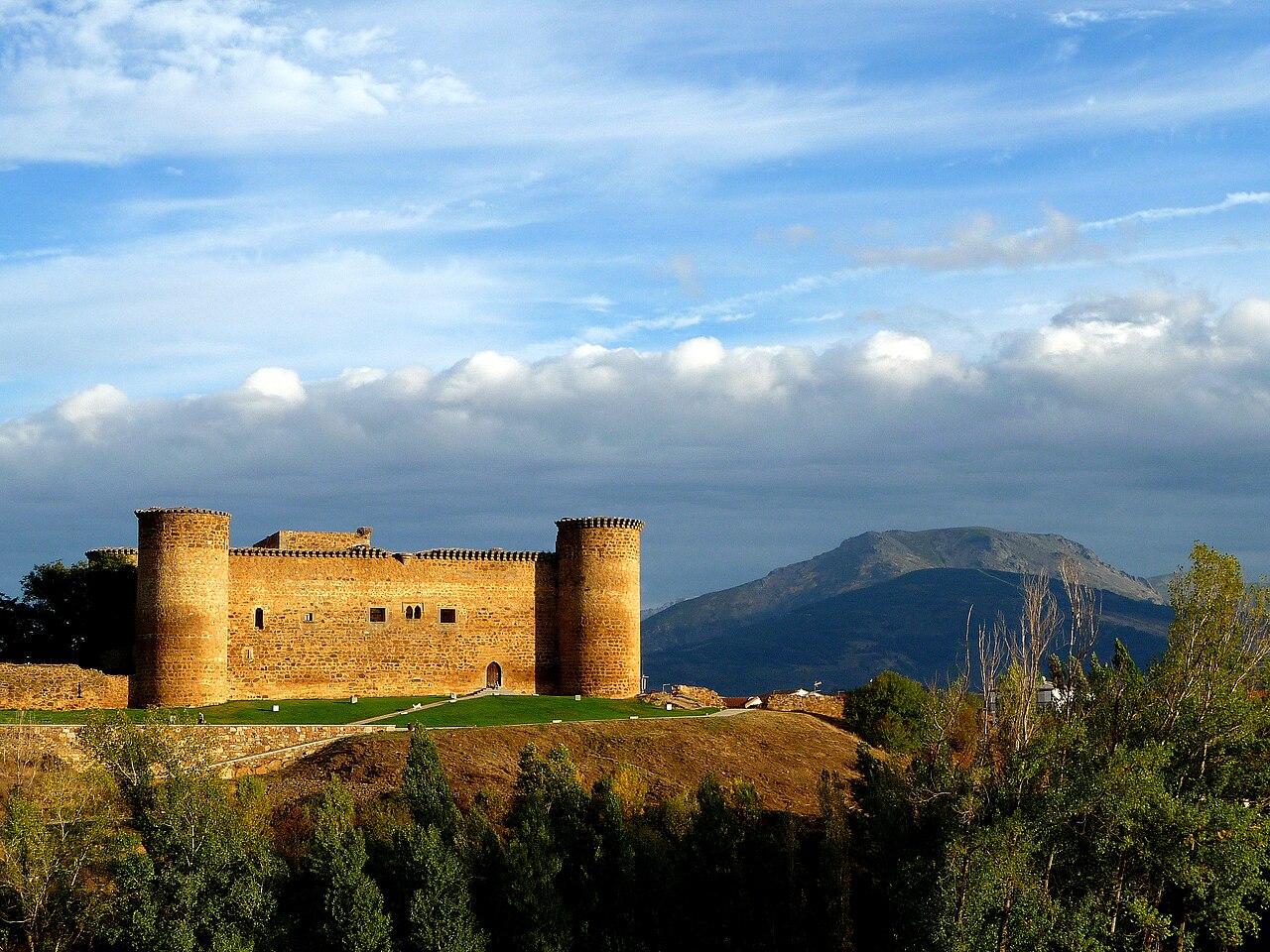
The castle's foundation was part of a broader effort by Alfonso VIII to consolidate royal power in the region during the Reconquista. Béjar's location on an oblong hill provided a natural defensive advantage, which was enhanced by the construction of perimeter walls and a series of square and round towers. These fortifications were designed to protect the town and control the surrounding territory.
In 1396, the castle and lordship passed to Diego López de Zúñiga (also known as Estúñiga), a nobleman whose family would hold the title of Dukes of Béjar. This title was officially granted by the Catholic Monarchs, Ferdinand and Isabella, marking the castle's importance as a ducal seat and symbol of aristocratic power in Castile.
Architectural features and layout
The castle's architecture reflects typical High Medieval military design, with robust stone walls and a combination of square and round towers that provided overlapping fields of fire and improved defense against siege engines. The surviving towers, although reduced by later modifications and partial demolitions in the 19th century, still illustrate the castle's original defensive capabilities.
The castle's perimeter follows the contours of the hill, creating an irregular but effective defensive enclosure. The layout includes a keep or main tower, which would have served as the last line of defense and the lord's residence. Surrounding courtyards and ancillary buildings supported the castle's military and residential functions.
Transition to a ducal palace
As the political and military landscape changed, Béjar Castle gradually transformed from a fortress into a more comfortable residence for the dukes. The Ducal Palace incorporated Renaissance and later architectural elements, reflecting evolving tastes and the reduced need for heavy fortifications. Despite these changes, some medieval fortifications remained integral to the palace complex.
Béjar's role in regional history
Throughout the Middle Ages and into the Early Modern period, Béjar Castle and its ducal palace played a central role in the governance and defense of the region. The castle was a symbol of royal authority and later noble power, witnessing various historical events tied to the Kingdom of Castile and the consolidation of Spanish monarchy under the Catholic Monarchs.
While the castle's military importance declined over the centuries, its status as a noble residence ensured its continued maintenance and partial preservation. The 19th century saw significant reductions to the original fortifications, yet key elements such as the towers and perimeter walls remain visible today.
Current condition and cultural heritage
Today, Béjar Castle stands as a partially preserved monument, with its remaining towers and walls offering valuable insights into medieval military architecture in Spain. The site is an important cultural landmark in Béjar, attracting visitors interested in history, architecture, and Spanish heritage.
Efforts to preserve and promote the castle continue, highlighting its significance within the broader context of Spanish castles and noble residences. The castle's blend of medieval fortifications and ducal palace features make it a unique example of architectural evolution over several centuries.
Frequently asked questions (FAQ)
- How do I get to Béjar Castle?
- Béjar Castle is located in the town of Béjar, Spain, easily accessible by car or public transport. Visitors can use the N-630 road, which connects to major cities nearby. Once in Béjar, follow the signs that lead to the castle, which is situated on a hill providing stunning views of the surrounding area.
- What is the historical significance of Béjar Castle?
- Béjar Castle dates back to the 12th century and played a crucial role in the defense of the region during the Reconquista. It served as a strategic military fortress and has witnessed numerous historical events over the centuries. The castle's rich history is reflected in its well-preserved architecture and the legends that surround it.
- When was Béjar Castle built?
- Béjar Castle was originally constructed in the 12th century, with significant renovations and expansions taking place in later centuries. Its architecture showcases various styles, reflecting the different periods of its construction and use. Visitors can explore these historical layers during their visit.
- Can I enter Béjar Castle?
- Yes, visitors can enter Béjar Castle and explore its grounds. Guided tours are often available, providing insights into the castle's history and architecture. Be sure to check the availability of tours and any potential restrictions before your visit.
- Why is Béjar Castle a popular tourist attraction?
- Béjar Castle is popular for its historical significance, stunning architecture, and breathtaking views of the surrounding landscape. It offers a glimpse into the past and a chance to appreciate medieval military architecture. The castle's serene environment also makes it a favorite spot for photography and leisurely walks.
- Is it possible to visit Béjar Castle year-round?
- Yes, Béjar Castle is open to visitors year-round, though opening hours may vary depending on the season. It's advisable to check the official website or local tourism information for the most current visiting hours. Some areas may be less accessible during winter months due to weather conditions.
- What are the ticket prices for Béjar Castle?
- Admission to Béjar Castle is typically free, making it an accessible destination for all visitors. However, fees may apply for guided tours or special events. It's a good idea to verify any costs ahead of your visit to plan accordingly.
- What is the best time to visit Béjar Castle?
- The best time to visit Béjar Castle is during the spring and fall when the weather is mild and the landscape is particularly beautiful. These seasons also tend to be less crowded, allowing for a more enjoyable experience. Summer can be hot, while winter may present challenges with access due to snow.
- Are there any nearby attractions to visit?
- Yes, the town of Béjar itself offers several attractions, including the historic center, local parks, and beautiful hiking trails in the surrounding mountains. Additionally, the Sierra de Béjar ski resort is nearby for winter sports enthusiasts. Exploring the local cuisine and culture adds to the overall experience.
Information
Loading map...
Visitor reviews
No reviews yet. Been here? Write the first review and help other travelers!
Write the first reviewVisited this castle? Share your experience
Your review helps other travelers and adds first-hand knowledge to our encyclopedia.