Ballymalis Castle — Ireland castle

Ballymalis Castle

Ballymalis Castle, a 16th-century tower house in County Kerry
Renaissance (15th–17th c.)
Ruins

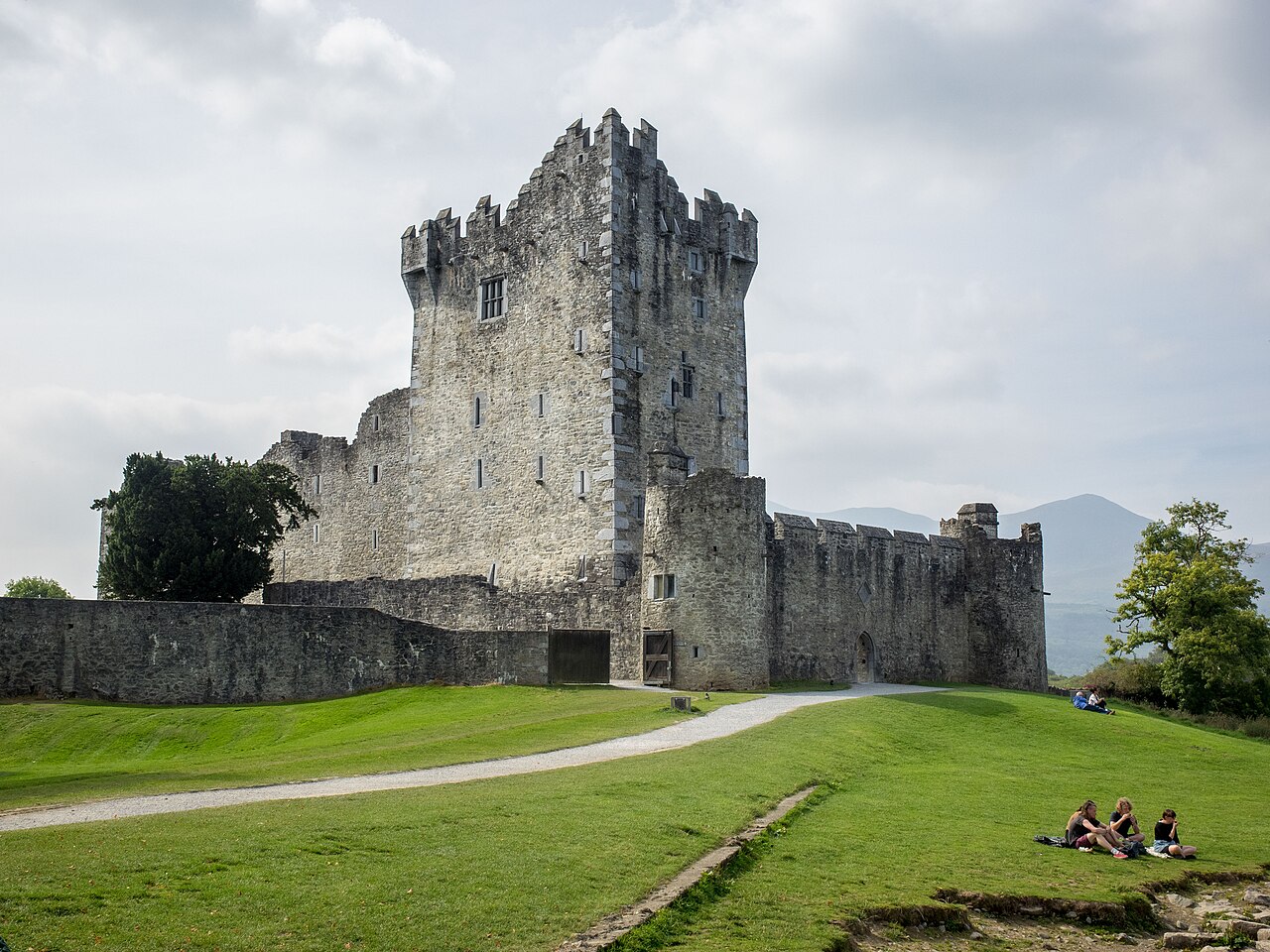
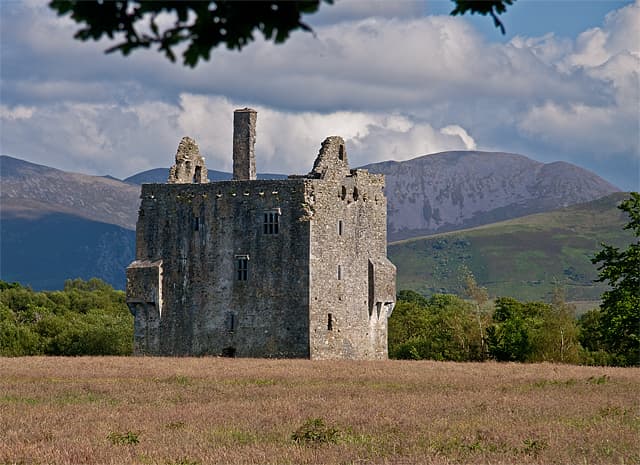
Ballymalis Castle is a striking example of a 16th-century tower house located in County Kerry, Ireland. This castle, now preserved as a National Monument, stands as a significant relic of the Renaissance period in Irish architecture and history. Though it remains in ruins, Ballymalis Castle offers valuable insight into the defensive and residential structures typical of that era in Ireland.

Historical context and construction

The castle was built in the 16th century, a time when tower houses were common throughout Ireland, serving both as fortified residences and symbols of local power. Ballymalis Castle was constructed by the MacCarthy Mór clan, a prominent Gaelic Irish family who controlled much of the surrounding region. The castle was strategically positioned to oversee the fertile lands and important routes in County Kerry, reflecting its dual role in defense and administration.

Architectural features of Ballymalis Castle

Ballymalis Castle is a classic tower house, a type of fortified residence characterized by a tall, narrow, multi-storey structure. The castle's design includes thick stone walls, narrow slit windows for archers, and a battlemented parapet at the top. Its vertical emphasis was typical of tower houses, designed to maximize defense while occupying a relatively small footprint.

Defensive elements

The castle's defensive features include a bawn, or walled courtyard, which provided an additional layer of protection for the inhabitants and their livestock. The entrance was likely secured by a heavy wooden door reinforced with iron, and the windows were designed to be easily defensible. The castle's elevated position also gave defenders a commanding view of the surrounding landscape, enabling early warning of approaching threats.

Residential aspects

Inside, Ballymalis Castle would have contained several floors with living quarters, storage rooms, and a great hall for gatherings and meals. The great hall was the social heart of the castle, where the lord and his family would entertain guests and conduct business. Fireplaces and narrow spiral staircases were typical internal features, providing both comfort and security.

Historical significance and legacy

Ballymalis Castle is an important monument in Irish history, illustrating the lifestyle and defensive needs of Gaelic lords during the Renaissance period. The MacCarthy Mór family's ownership connects the castle to the broader narrative of Irish clan politics and regional power struggles. Despite falling into ruin, the castle remains a symbol of the turbulent history of Ireland during the 16th century, marked by local conflicts and the gradual encroachment of English rule.

Preservation and visitor information

Today, Ballymalis Castle is preserved as a ruined tower house and is accessible to visitors interested in Ireland's medieval and Renaissance heritage. While the castle is not fully restored, its ruins provide a tangible connection to the past and a striking example of tower house architecture. Visitors can explore the site, appreciate the craftsmanship of the stonework, and enjoy the scenic surroundings of County Kerry.

Access to Ballymalis Castle is typically free, and it is advisable to check local tourist information for opening hours and any visitor guidelines. The castle's remote location means that visitors should prepare accordingly, but the experience offers a rewarding glimpse into Ireland's architectural and historical legacy.

Frequently asked questions (FAQ)

How do I get to Ballymalis Castle?
Ballymalis Castle is located in County Kerry, Ireland, and is easily accessible by car. The nearest town is Killorglin, which is well-connected by public transport, so you can reach the castle via local bus services as well.
What is the historical significance of Ballymalis Castle?
Ballymalis Castle dates back to the 15th century and is a prominent example of medieval architecture in Ireland. It has a rich history involving various noble families and played a strategic role in local power dynamics during its time.
When was Ballymalis Castle built?
Ballymalis Castle was constructed in the late 1400s, specifically around 1490. It showcases the architectural styles and defensive designs typical of that era, reflecting the historical context of its construction.
Can I visit Ballymalis Castle?
Yes, visitors are welcome to explore Ballymalis Castle and its surrounding grounds. However, it is advisable to check for any specific visiting hours or guided tour availability before planning your visit.
Why is Ballymalis Castle important to Irish heritage?
Ballymalis Castle is important to Irish heritage as it represents the medieval history and architectural development of Ireland. It serves as a cultural landmark that attracts historians and tourists alike, contributing to the understanding of Ireland's past.
Is it possible to take guided tours at Ballymalis Castle?
Yes, guided tours are available at Ballymalis Castle, providing visitors with in-depth knowledge about its history and architecture. These tours are often conducted by knowledgeable guides who can offer fascinating insights into the castle's significance.
What are the opening hours for Ballymalis Castle?
Ballymalis Castle typically opens to the public from March to October, with specific hours varying by season. It is recommended to check the castle's official website or contact local tourism offices for the most current opening hours before your visit.
What are the ticket prices for visiting Ballymalis Castle?
Ticket prices for Ballymalis Castle can vary depending on the type of tour and any special events. Generally, entry fees are modest, and discounts may be available for students, seniors, and families.
When is the best time to visit Ballymalis Castle?
The best time to visit Ballymalis Castle is during the late spring and summer months, from May to September, when the weather is generally milder and the grounds are in full bloom. Additionally, this period often features various events and activities that enhance the visitor experience.
Are there any nearby attractions to visit while at Ballymalis Castle?
Yes, there are several nearby attractions, including the scenic Ring of Kerry, the beautiful Killarney National Park, and the charming town of Killorglin. These sites offer a variety of outdoor activities and cultural experiences, making them perfect companions to your visit to Ballymalis Castle.

Photo gallery

Ballymalis Castle
Click to view

Photo by Mike Searle•CC BY-SA 2.0

1 photo • Click any image to view in full screen

Information

Tower House

Loading map...

Visitor reviews

No reviews yet. Been here? Write the first review and help other travelers!

Write the first review

Visited this castle? Share your experience

Your review helps other travelers and adds first-hand knowledge to our encyclopedia.

Write a review

(5/5)

0/2000 characters

Your review will be visible after admin approval

Nearby castles

9.4 km

Parkavonear Castle

Nunstown, United Kingdom

Parkavonear Castle is a distinctive 13th-century Norman fortress situated on a hillside overlooking the north bank of Lough Leane near Killarney in County Kerry, Ireland. This castle represents a notable example of medieval military architecture introduced during the Anglo-Norman invasion of Ireland that began in 1169. While much about its history remains obscure, Parkavonear Castle stands as a rare surviving structure from the High Medieval period in this region. Historical context and origins Constructed in the 13th century, Parkavonear Castle was built by an unknown Norman lord to establish and defend control over newly conquered territory in southwestern Ireland. The castle's location near Lough Leane provided strategic oversight of the surrounding landscape and access to waterways, which were vital for transportation and defense. The Normans, after their initial invasion, built numerous fortifications across Ireland to secure their holdings, and Parkavonear is part of this network. Architectural features and layout Unusual circular keep One of the most remarkable aspects of Parkavonear Castle is its circular keep, which contrasts with the more common rectangular or square Norman keeps found elsewhere. This circular design is relatively rare among Norman fortifications in Ireland and the British Isles, suggesting a unique architectural choice or adaptation to the local terrain. The keep is a two-storey structure constructed of stone, now in a ruined state but still retaining enough form to understand its original design. The walls are thick, typical of Norman military construction, intended to withstand attacks and sieges. Defensive earthworks The keep is enclosed within a square earthen rampart, which would have been topped with wooden palisades originally. This rampart provided an additional layer of defense and created a courtyard area around the keep. The combination of stone keep and earthworks reflects typical Norman defensive strategies of the period. Access and internal structure The original entrance to the keep was likely on the second floor, accessible only by a ladder or removable wooden stairs, a common defensive feature to prevent easy access by attackers. The current doorway at ground level is believed to be a later modification, possibly made to facilitate modern visitor access. The internal layout was probably simple, with the ground floor used for storage or as a secure refuge, and the upper floor serving as living quarters or a defensive platform. The wall stairs, which end at the second floor, indicate the keep was not built to exceed two stories. Current condition and visitor information Today, Parkavonear Castle stands as a partially preserved ruin accessible to the public without charge. Its modest size and scenic location make it a pleasant site for visitors interested in medieval history and Norman architecture. The castle's setting on a hillside offers views of Lough Leane and the surrounding Kerry landscape, adding to its appeal. While there are no extensive facilities or interpretive centers on site, the castle's accessibility and unique circular keep make it a worthwhile stop for those exploring the rich heritage of County Kerry. Significance in Norman architecture Parkavonear Castle is significant for its rare circular keep design, which provides insight into the diversity of Norman military architecture in Ireland. Most Norman keeps were rectangular, so this castle offers an unusual example that may reflect local adaptations or specific defensive considerations. Its construction during the High Medieval period places it within a critical era of Norman expansion and consolidation in Ireland, marking it as an important historical monument despite its relatively modest scale and limited documented history.

High Medieval (11th–13th c.)
Details
12 km

Ross Castle

Ross Rd, United Kingdom

Ross Castle, also known as O'Donoghue Castle, is a striking 15th-century tower house situated on the scenic shore of Lough Leane within Killarney National Park in County Kerry, Ireland. This castle stands as a significant example of late medieval Irish defensive architecture and is closely linked to the history and culture of the O'Donoghue Mor clan, its original builders and inhabitants. Constructed in the late 15th century, Ross Castle was designed as a formidable rectangular tower house surrounded by a protective bawn—a defensive courtyard wall—with round towers at each corner. This layout reflects the typical architectural style of Irish tower houses of the period, combining residential comfort with strong defensive capabilities. The castle's strategic location on Ross Island allowed control over the surrounding lands and the lake, playing a crucial role in regional power dynamics. The O'Donoghue Mor clan used the castle as their chief seat, maintaining authority over the local territory. Historical significance and ownership transitions During the turbulent 16th century, Ross Castle witnessed significant changes in ownership and function. In the 1580s, amid the Second Desmond Rebellion, control passed to the MacCarthy Mor clan. Subsequently, in 1588, the castle was mortgaged to Sir Valentine Browne, an English official, marking the beginning of Anglo-Irish influence in the area. The castle's role in the Irish Confederate Wars (1641–1652) is particularly notable. It was one of the last strongholds to resist Oliver Cromwell's forces. Defended by Donough MacCarthy, Lord Muskerry, the castle withstood a siege by a Cromwellian army led by Edmund Ludlow. The siege ended only after the attackers deployed artillery from boats on Lough Leane, fulfilling a local prophecy that the castle would remain impregnable until attacked from the water. After the wars, the Browne family retained ownership by proving their non-involvement in the rebellion. Around 1688, they constructed a nearby mansion, which led to the partial demolition of the castle's western bawn wall. However, their support for King James II during the Williamite War resulted in their exile. Subsequently, Ross Castle was converted into a military barracks. This conversion involved the demolition of the Browne mansion and much of the bawn, with new extensions and bastions added to the tower house. The castle served as a garrison until 1825, after which it fell into ruin. Architectural features and defensive elements Ross Castle exemplifies the classic features of a medieval Irish tower house. The central keep is a tall, rectangular stone structure with square bartizans—small overhanging turrets—on two opposite corners, enhancing its defensive capabilities and providing vantage points for surveillance. The surrounding bawn is a square defensive wall with round towers at each corner, designed to protect the courtyard and provide additional fortification. The main entrance is fortified with a yett, an iron grill secured by a chain from the inside, and a murder-hole above the doorway allowed defenders to attack invaders who breached the outer gate. The inner door consists of two layers of thick Irish oak boards arranged perpendicularly and reinforced with heavy beams embedded in the stone walls, providing formidable resistance against forced entry. Windows on the lower floors are narrow vertical slits, facilitating defense by allowing archers and later firearm users to shoot while minimizing vulnerability. Upper-floor windows are larger to admit light, considered safer due to their height above ground level. Two machicolations project from the parapet above the front door and the rear wall, enabling defenders to drop stones or boiling substances on attackers attempting to scale the walls. The roof parapet is crenellated, with alternating merlons and crenels providing cover for defenders. Interior layout and living quarters The castle's interior is organized vertically across multiple floors. The first floor served as storage space, while the second floor housed guards and attendants, who slept on straw without furniture. The third floor contained kitchen facilities and living quarters for attendants. The fourth floor was reserved for the chieftain's family, featuring an arched stone roof that supported the heavy stone floor of the fifth story. The fifth floor functioned as the great hall, used for dining, entertaining, and as a last refuge during attacks, with a fire-resistant stone floor. Cultural significance and legends Ross Castle is steeped in local legend and folklore. One enduring tale tells of the O'Donoghue chieftain who mysteriously disappeared by leaping or being drawn into the waters of Lough Leane from the castle's top chamber, along with his horse, table, and library. According to legend, he now resides in an underwater palace at the bottom of the lake, watching over the land and its people. This legend contributes to the castle's cultural importance, linking the physical structure with the natural landscape and the mystical heritage of the region. Modern preservation and visitor experience After falling into ruin in the 19th century, Ross Castle was taken into state care in 1970. Since then, it has undergone partial restoration to preserve its architectural integrity and historical value. The castle is now a popular tourist attraction within Killarney National Park. The castle grounds are freely accessible to visitors, offering scenic views of Lough Leane and the surrounding parkland. Access to the tower house interior is available only through guided tours, which provide detailed insights into the castle's history, architecture, and legends. These tours require a ticket fee and are an essential part of the visitor experience. Nearby attractions include Castlelough Castle, adding to the area's rich concentration of historical sites. Visitor information Opening hours: Typically open during daylight hours; guided tours available seasonally. Ticket prices: Entrance to the grounds is free; guided tours of the interior require a fee. Accessibility: The castle's medieval structure includes narrow stairways and uneven floors; visitors should be prepared for limited accessibility. Best time to visit: Spring through early autumn offers the most favorable weather and park activities.

Late Medieval (14th–15th c.)
Details
12 km
Ross Castle — Ireland castle

Ross Castle

Killarney, Ireland

Ross Castle (Irish: Caisleán an Rois) is a prominent 15th-century tower house and keep located on the edge of Lough Leane within the scenic Killarney National Park in County Kerry, Ireland. This late medieval fortress served as the ancestral stronghold of the Clan O'Donoghue, a powerful Gaelic family in the region. Later, it became associated with the Brownes of Killarney, a Norman-Irish dynasty who held the castle after the Gaelic chiefs. Ross Castle is an excellent example of a hill castle typical of the period, combining defensive features with residential functions. Architectural features and design Ross Castle is primarily a tower house, a common type of fortified residence built in Ireland during the 15th century. The structure is composed of a tall, rectangular keep rising several stories above the ground, with thick limestone walls designed to withstand attacks. The castle's defensive elements include narrow slit windows for archers, machicolations projecting from the battlements to drop objects on attackers, and a battlemented parapet that crowns the roofline. The entrance is fortified with a heavy oak door and a murder hole above the doorway for additional defense. Surrounding the tower is a bawn or defensive courtyard enclosed by stone walls, which would have housed ancillary buildings such as stables and workshops. The castle's location on a rocky outcrop beside the lake provides natural protection on several sides, enhancing its defensive position. Historical context and ownership The castle was constructed in the 15th century by the Clan O'Donoghue, who were prominent Gaelic lords in the region. The O'Donoghues used Ross Castle as their principal residence and stronghold. The castle's strategic position allowed control over the surrounding lands and access to the lake, which was vital for transportation and resources. In the late 16th and early 17th centuries, the castle came under the control of the Browne family, Anglo-Norman settlers who became influential landowners in Kerry. The Brownes adapted the castle for their use, maintaining its defensive features while enhancing its residential comfort. Ross Castle played a role during the Irish Confederate Wars and the Williamite War in Ireland (1689–1691). It was one of the last strongholds to surrender to the forces of William of Orange in 1691, marking the end of significant Gaelic resistance in the area. Preservation and public access Today, Ross Castle is managed by the Office of Public Works and is a popular tourist attraction within Killarney National Park. The castle is well preserved, retaining much of its original structure and defensive features. Visitors can explore the interior on guided tours, which provide insights into the castle's history, architecture, and the lives of its former inhabitants. The castle's lakeside setting offers picturesque views and opportunities for photography, making it a favored destination for visitors to County Kerry. Seasonal opening hours allow access during the warmer months, with tours highlighting the castle's significance in Irish history and medieval architecture. Architectural significance in Irish castle heritage Ross Castle exemplifies the typical tower house design prevalent in Ireland during the late medieval period. Its combination of military and residential features reflects the turbulent political landscape of Ireland in the 15th and 16th centuries. The castle's preservation provides valuable insights into the construction techniques and defensive strategies of the time. The castle's location within Killarney National Park also situates it within a broader cultural and natural heritage context, contributing to the understanding of medieval Irish lordship and land use. Its enduring presence highlights the architectural and historical legacy of Gaelic and Norman influences in Ireland.

Late Medieval (14th–15th c.)
Details