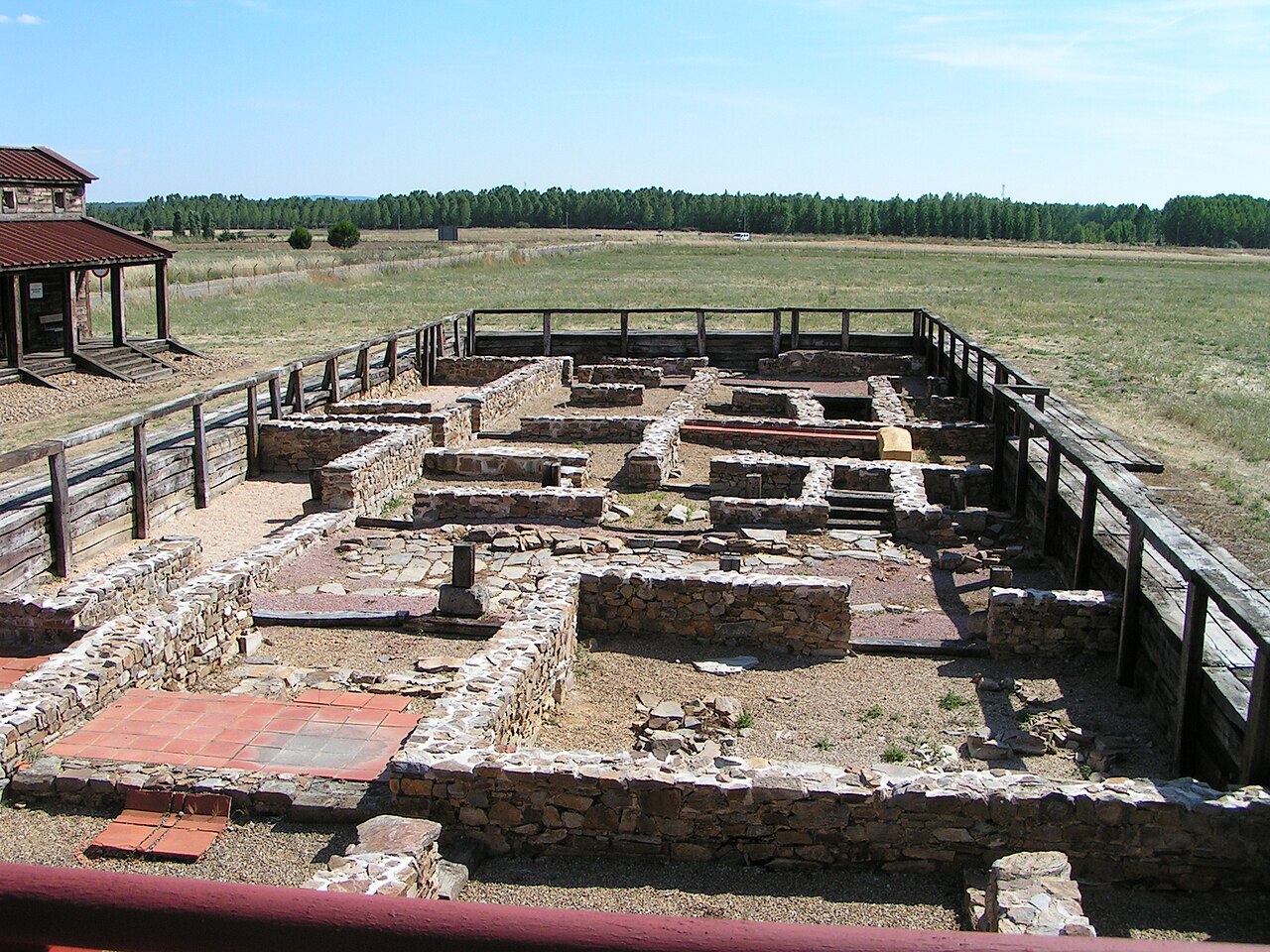
Alija del Infantado Castle
Alija del Infantado Castle stands as a remarkable example of late medieval military architecture perched on a strategic hilltop in the municipality of Alija del Infantado, Spain. Constructed primarily in the 15th century, this hill castle was designed to oversee and control the surrounding landscape, reflecting the defensive needs and feudal power structures of its era.
Architectural design and layout
The castle features a distinctive square floor plan, a common design choice in late medieval fortifications that balanced defensive strength with functional space. Each corner of the castle is fortified by robust towers, which served both as lookout points and as defensive bastions to repel attackers. The thick curtain walls connecting these towers were constructed to withstand siege warfare, incorporating battlements and arrow slits for archers.
Within the protective enclosure of the castle walls lies the private Palace of the Ponces, an important residential structure whose origins trace back to the 13th century. This palace predates the main castle fortifications, indicating the site's long-standing significance and continuous occupation. The palace's architecture reflects the transition from medieval domestic styles to more fortified noble residences.
Historical context and significance
The castle was built during a period of significant political and military upheaval in the Iberian Peninsula, marked by the consolidation of territorial domains and frequent conflicts. The late 15th century saw the final stages of the Reconquista, which influenced castle construction to emphasize both defense and lordly prestige.
Alija del Infantado Castle played a role in regional defense and governance, serving as a seat of power for the local nobility, particularly the Ponce family. The castle's strategic position allowed control over important routes and protected the surrounding settlements.
Restoration and current condition
Today, the castle is restored, preserving its architectural integrity and historical character. Restoration efforts have focused on stabilizing the structure, conserving original masonry, and maintaining the distinctive features such as the towers and palace interiors. Visitors can appreciate the castle's imposing silhouette against the landscape and explore its historical spaces.
Architectural features of note
- Towers: The corner towers are key defensive elements, designed for surveillance and archery defense.
- Curtain walls: Thick stone walls with battlements provide a formidable barrier against attackers.
- Palace of the Ponces: A unique feature within the castle walls, combining residential comfort with medieval fortification.
- Gatehouse: Likely fortified to control access, typical of castles from this period.
- Interior courtyards: Spaces within the castle walls that allowed for daily activities and gatherings.
Visiting Alija del Infantado Castle
The castle is accessible to visitors interested in medieval architecture and Spanish history. Its hilltop location offers panoramic views of the surrounding region, enhancing the experience of exploring a late medieval fortress. While specific visitor amenities and hours may vary, the castle remains a significant cultural landmark in the province.
Legacy and cultural importance
Alija del Infantado Castle exemplifies the architectural and historical heritage of the Castile and León region. It reflects the evolution of military architecture from the 13th to the 15th centuries and the social history of the noble families who shaped the area's development. The castle continues to attract scholars, historians, and tourists, contributing to the appreciation and preservation of Spain's medieval past.
Frequently asked questions (FAQ)
- What is the historical significance of Alija del Infantado Castle?
- Alija del Infantado Castle was built in the late 15th century and served as a strategic defensive fortress and noble residence in the Castile and León region of Spain.
- Can I visit Alija del Infantado Castle?
- Yes, the castle is open to visitors interested in medieval architecture and history, offering panoramic views and a glimpse into late medieval fortifications.
- What architectural features make Alija del Infantado Castle unique?
- The castle features a square floor plan with corner towers and includes the private Palace of the Ponces, which dates back to the 13th century, combining defensive and residential elements.
- When was Alija del Infantado Castle built?
- The main castle was constructed in the 15th century, while the Palace of the Ponces inside the walls dates to the 13th century.
- Why is the castle located on a hill?
- The hilltop location provided strategic advantage for defense and surveillance, typical of hill castles built during the late medieval period.
Information
Loading map...
Visitor reviews
No reviews yet. Been here? Write the first review and help other travelers!
Write the first reviewVisited this castle? Share your experience
Your review helps other travelers and adds first-hand knowledge to our encyclopedia.