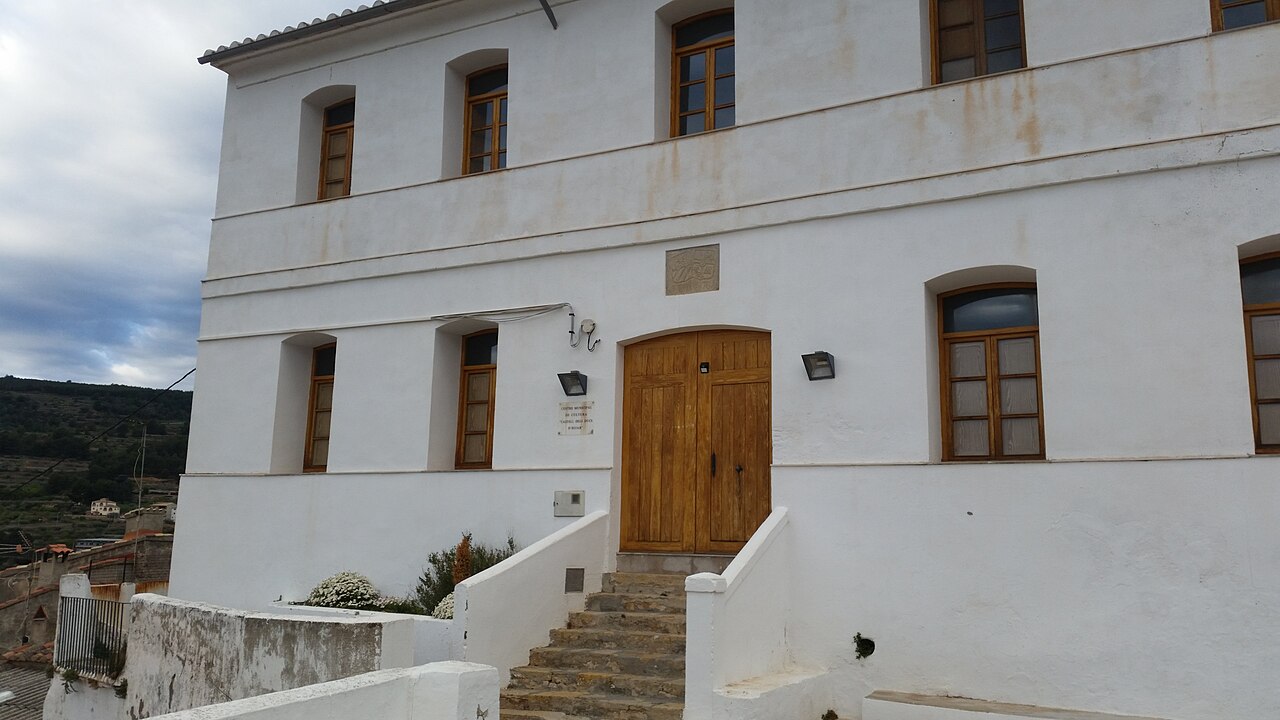
Alcalatén Castle
Alcalatén Castle stands prominently on San Salvador Mountain in the municipality of Alcora, Spain. This Islamic fortress was originally constructed in the 10th century and underwent significant architectural reforms throughout the medieval period, particularly between the 10th and 13th centuries. The castle's strategic location atop a mountain provided natural defense advantages, overseeing the surrounding territory and controlling important routes in the region.
Historical background and significance
The fortress was part of the network of Islamic fortifications established during the Early Medieval period in the Iberian Peninsula. In 1233, following the Christian reconquest of the area around Borriana, the castle was granted by King James I of Aragon to the Aragonese knight Ximén d'Urrea, along with the title of baron. This transfer marked a significant shift in the castle's role and ownership, transitioning from Islamic to Christian control. The castle played a role in the defense and administration of the newly acquired territories during the expansion of the Crown of Aragon.
Architectural layout and structures
Alcalatén Castle is notable for its triangular layout, covering an area of approximately 150 square meters. The design includes a main enclosure surrounded by a patrol path, which allowed defenders to move along the walls efficiently. The fortress features a cistern at its base, constructed of mortar and stones, measuring roughly 4 by 10 meters. This cistern was essential for water storage, particularly during sieges.
Defensive walls and towers
At the highest point of the castle, two walls meet at a right angle and are topped with battlements. These walls extend into two towers: a circular tower to the north and a semicircular tower to the south. A third tower once existed but was demolished in the 15th century, leaving only rubble remains. The eastern side of the castle is completely destroyed, indicating either structural failure or deliberate dismantling over time.
Entrance and fortifications
The castle's entrance is located on the south side and is fortified by two circular towers, battlements, and a barbican-style wall. This layered defense system was designed to slow and expose attackers, providing defenders with multiple vantage points for protection. The masonry construction throughout the castle is typical of Islamic military architecture adapted during the medieval Christian period.
Construction materials and techniques
The fortress is primarily built using masonry, combining stones and mortar, which provided durability and resistance against attacks. The use of mortar-bound stones in the cistern and walls reflects construction techniques common in Islamic fortifications of the time. The battlements and towers exhibit defensive architectural features that were enhanced during the castle's medieval modifications.
Current condition and preservation
Today, Alcalatén Castle remains partially preserved. The highest walls and two main towers are still standing, while other sections, particularly the eastern part, are in ruins. The site includes both abandoned and inhabited areas, indicating some ongoing use or maintenance in parts of the castle grounds. The presence of rubble from the demolished tower and damaged walls highlights the impact of centuries of conflict and neglect.
Visiting Alcalatén Castle
Visitors to Alcalatén Castle can explore the remnants of this historic fortress, appreciating its triangular layout, defensive structures, and the cistern that once supported its inhabitants. The castle's elevated position offers panoramic views of the surrounding landscape, providing insight into its strategic importance. While some areas are in ruins, the preserved towers and battlements give a clear impression of the castle's original defensive capabilities.
Nearby attractions and cultural context
The castle is located near the town of Alcora, which offers additional historical and cultural sites. The region of Alcalatén is rich in medieval history, with other castles and fortifications that illustrate the complex history of Christian and Islamic rule in Spain. Exploring Alcalatén Castle provides a valuable perspective on the military architecture and territorial conflicts of the Early to Late Medieval periods.
Frequently asked questions (FAQ)
- How do I get to Alcalatén Castle?
- Alcalatén Castle is located in Alcora, Spain, and is easily accessible by car. The nearest major city is Castellón, which is approximately 30 kilometers away. Public transportation options may be limited, so it's recommended to plan your visit by checking local bus routes or driving.
- What is the historical significance of Alcalatén Castle?
- Alcalatén Castle dates back to the 13th century and played a crucial role during the Reconquista, serving as a strategic point for the Christian forces. Its architecture reflects the military needs of the time, with defensive walls and towers that highlight its importance in regional conflicts. Today, it stands as a symbol of the area's rich history and cultural heritage.
- When was Alcalatén Castle built?
- Construction of Alcalatén Castle began in the early 13th century, shortly after the Christian conquest of the region. The castle underwent several modifications and expansions over the centuries, adapting to changing military technologies and the needs of its occupants. Its historical layers make it a fascinating site for visitors interested in medieval architecture.
- Can I visit Alcalatén Castle year-round?
- Yes, Alcalatén Castle is open to visitors throughout the year, although hours may vary seasonally. It is advisable to check the official website or local tourism information for the most current visiting hours before your trip. Special events may also be held at the castle during specific times of the year.
- Why is Alcalatén Castle a popular tourist attraction?
- Alcalatén Castle attracts visitors due to its historical significance, stunning architecture, and panoramic views of the surrounding landscape. The castle offers a glimpse into medieval life and military strategy, making it appealing for history enthusiasts. Additionally, its picturesque setting makes it a favorite for photographers and nature lovers alike.
- Is it possible to enter the castle grounds?
- Yes, visitors can enter the castle grounds to explore its historic structures and enjoy breathtaking views. There are designated paths and areas for visitors, allowing a safe and enjoyable experience. Ensure to follow any posted guidelines to protect both the site and your safety.
- What are the ticket prices for Alcalatén Castle?
- Admission to Alcalatén Castle is typically free, making it an accessible destination for all visitors. However, special guided tours or events may have associated fees, so it’s best to check in advance for any costs. This affordability enhances its appeal as a cultural destination.
- What is the best time to visit Alcalatén Castle?
- The best time to visit Alcalatén Castle is during the spring and fall when the weather is mild and pleasant for outdoor exploration. Summer can be quite hot, while winters may bring cooler temperatures. Visiting during spring or fall also allows you to enjoy the natural beauty of the surrounding landscape.
- Are there nearby attractions to Alcalatén Castle?
- Yes, there are several nearby attractions worth exploring, including the charming town of Alcora itself, known for its ceramics and local cuisine. Additionally, the natural parks and hiking trails in the region offer opportunities for outdoor activities. These attractions complement a visit to Alcalatén Castle, making for a fulfilling day of exploration.
Information
Loading map...
Visitor reviews
No reviews yet. Been here? Write the first review and help other travelers!
Write the first reviewVisited this castle? Share your experience
Your review helps other travelers and adds first-hand knowledge to our encyclopedia.