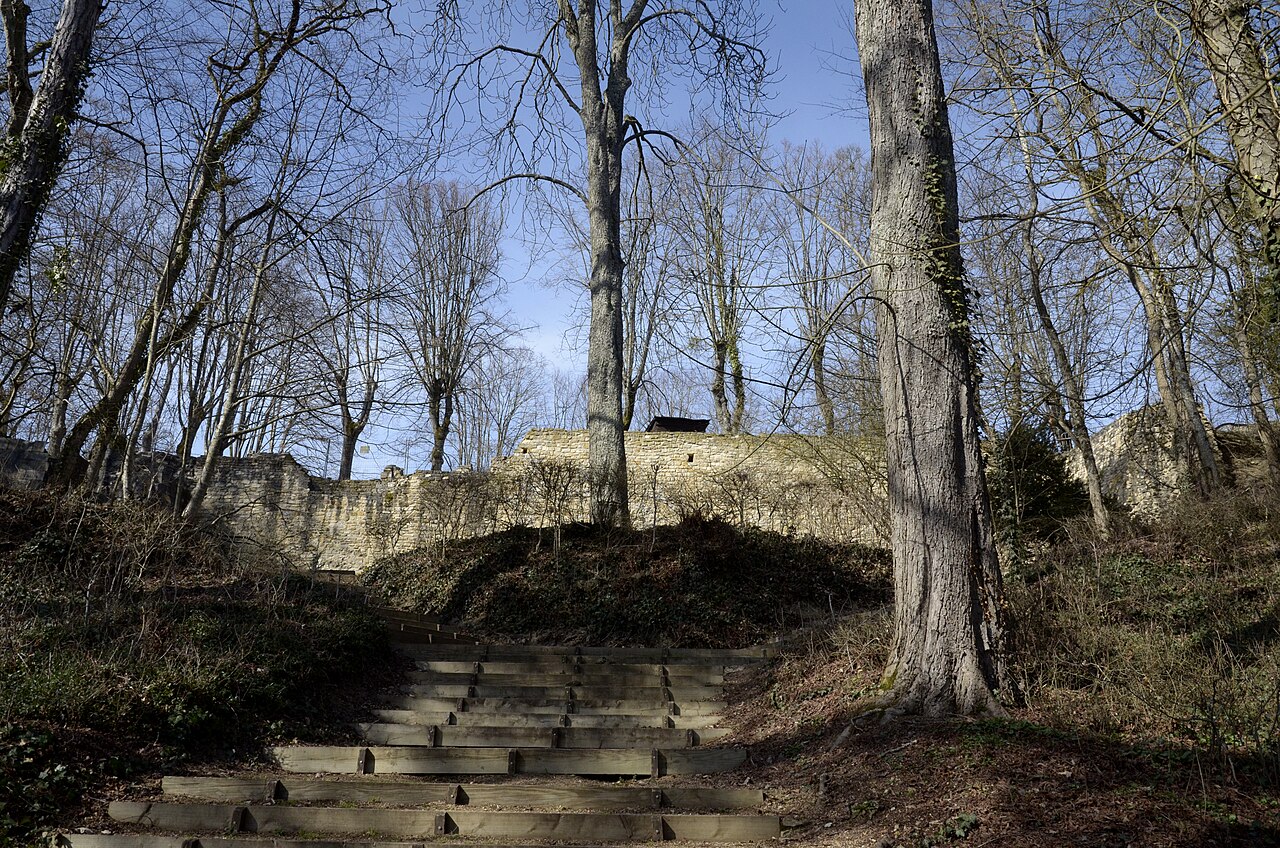
Ainay-le-Vieil Castle
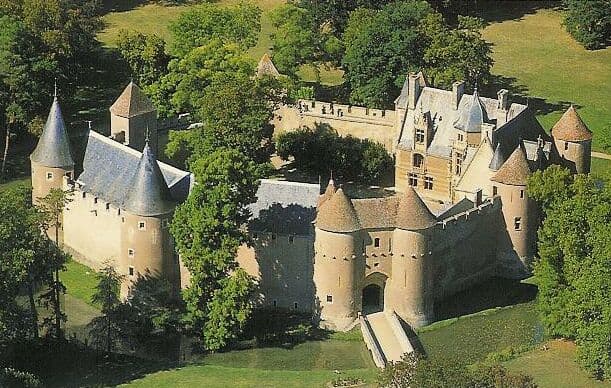
Ainay-le-Vieil Castle, also known as Château d'Ainay-le-Vieil, is a remarkable example of medieval fortification and early Renaissance architecture located in the village of Ainay-le-Vieil in the Centre-Val de Loire region of France. This hill castle stands on a site with a long history of occupation, beginning with the Gallo-Romans, and later becoming a strategic fortress during the High Medieval period. The castle's unique octagonal layout and its nickname "the little Carcassonne" reflect its distinctive defensive design reminiscent of the famous fortified city of Carcassonne.
Historical significance and strategic location
The site of Ainay-le-Vieil has been fortified since the 12th century, originally as a motte-and-bailey castle that guarded a critical frontier between the Frankish kingdom and Aquitaine, later contested between the French and English crowns. Its position in the border region of the Cher department made it a vital stronghold, especially during the Hundred Years' War.
Throughout its history, the castle was held by influential noble families close to the French crown, including the House of Bourbon, the Barres, and the Sully family. The Sully family is particularly notable for rebuilding the castle in the late 13th and early 14th centuries, giving it the form largely visible today. The castle was one of the few in the region to remain under French control after the Battle of Poitiers in 1356, when many others fell to English forces.
Architectural evolution
Medieval fortifications
The present castle was constructed over the earlier motte in the second half of the 13th century, probably by the Sully family. The design features an irregular octagonal enclosure surrounded by a broad moat of running water. It was fortified with seven round towers and a main entrance gate flanked by two additional towers, providing formidable defense capabilities.
Originally, the castle included a second outer wall with a double moat and drawbridge, enhancing its defensive perimeter, although these outer fortifications have since disappeared. The lack of natural defensive features necessitated these extensive man-made fortifications.
Pre-Renaissance additions
In the early 16th century, between 1500 and 1505, Charles de Chevenon, Lord of Bigny, transformed part of the castle into a comfortable residence by adding a lodging in the Louis XII style, blending late Gothic and early Renaissance architectural elements. This building was constructed using brick and stone, signaling a shift from purely military architecture to a more domestic and aesthetic function.
The castle's large living room contains one of the Loire Valley's most beautiful fireplaces, a testament to the castle's status and refinement during this period. The chapel features unique wall paintings attributed to the Bigny workshop, which also contributed to the cathedral of Bourges, highlighting the artistic connections of the castle's owners.
Role during the Hundred Years' War and later history
During the Hundred Years' War, Ainay-le-Vieil served as a critical French stronghold used to harass English forces. Its strategic importance is underscored by its survival as the only castle in the region to remain in French hands following the devastating Battle of Poitiers in 1356.
Ownership changed hands several times in the 15th century, notably when Jacques Cœur, the influential treasurer of King Charles VII, purchased the castle in 1435. After Jacques Cœur's fall from grace and confiscation of his properties in 1450, the castle was restored to his son but later sold to Charles de Chevenon in 1467, who initiated the significant architectural enhancements.
The castle's military relevance declined after the French victory at the end of the Hundred Years' War. It transitioned into a noble residence, with gardens laid out and embellishments added, reflecting the changing needs and tastes of its owners.
Survival through the French Revolution and modern era
Remarkably, the castle survived the turmoil of the French Revolution largely intact. Though the Marquis of Bigny was executed and his family scattered, the castle remained in the hands of the Chevenon family. The family undertook restoration efforts in the mid-19th century, preserving both the castle and its gardens.
Today, Ainay-le-Vieil Castle remains under the ownership of the descendants of the Chevenon family. It is recognized as one of the best-preserved fortresses of the 14th century in France and has been listed as a Monument historique since 1968 by the French Ministry of Culture.
Architectural features and visitor experience
The castle's moat, filled with running water, still encircles the fortress, enhancing its picturesque and defensive qualities. The combination of medieval fortifications and early Renaissance residential buildings offers visitors a comprehensive view of architectural evolution over centuries.
The gardens, including a fragrant rose garden with varieties dating back to the 15th century, add to the castle's charm and historical ambiance. Visitors can explore the castle's interiors, including the grand living room with its magnificent fireplace and the chapel with its rare wall paintings.
Ainay-le-Vieil Castle is accessible to the public for a fee, providing an enriching experience for those interested in medieval military architecture, Renaissance art, and French history. Its nickname, "the little Carcassonne," emphasizes its distinctive circular design and well-preserved defensive structures.
Frequently asked questions (FAQ)
- How do I get to Ainay-le-Vieil Castle?
- Ainay-le-Vieil Castle is located at 7 Rue du Château in France. Visitors can reach the castle by car, and there is parking available nearby. Public transport options may vary, so it's advisable to check local schedules for bus or train services.
- What is the historical significance of Ainay-le-Vieil Castle?
- Ainay-le-Vieil Castle dates back to the 15th century and is a prime example of medieval architecture in France. It has witnessed numerous historical events, including battles and sieges, and has been preserved to showcase the rich heritage of the region. The castle is also known for its beautiful gardens and surrounding moat.
- When was Ainay-le-Vieil Castle built?
- Construction of Ainay-le-Vieil Castle began in the 15th century, with significant modifications made in the following centuries. The castle reflects the architectural styles of its time, integrating both defensive and residential features. Its enduring structure showcases the craftsmanship of medieval builders.
- Can I take guided tours of Ainay-le-Vieil Castle?
- Yes, guided tours are available at Ainay-le-Vieil Castle, offering visitors an in-depth look at its history and architecture. Tours typically run during the peak tourist season and may require prior booking. Check the official website for the latest tour schedules and availability.
- Why is Ainay-le-Vieil Castle popular among tourists?
- Ainay-le-Vieil Castle attracts visitors due to its stunning architecture, rich history, and picturesque surroundings. The castle's well-preserved features and beautiful gardens provide a unique glimpse into medieval life. Additionally, its proximity to other attractions in the region makes it a popular stop for travelers.
- Is it possible to host events at Ainay-le-Vieil Castle?
- Yes, Ainay-le-Vieil Castle can be rented for private events, such as weddings and corporate gatherings. The enchanting setting and historical ambiance make it a memorable venue. Interested parties should contact the castle management for more information on availability and pricing.
- What are the opening hours for Ainay-le-Vieil Castle?
- Ainay-le-Vieil Castle is open to visitors from April through October, with specific hours that may vary. It is advisable to check the official website for up-to-date information on opening times, especially during holidays or special events. Planning ahead can enhance your visit experience.
- What are the ticket prices for Ainay-le-Vieil Castle?
- Ticket prices for Ainay-le-Vieil Castle vary depending on age and group size, with discounts often available for students and seniors. Children under a certain age may enter for free. Check the official website for the latest pricing details and any seasonal promotions.
- What nearby attractions should I visit while at Ainay-le-Vieil Castle?
- While visiting Ainay-le-Vieil Castle, consider exploring other nearby attractions such as the charming village of Ainay-le-Vieil and local vineyards. The region is rich in history and offers beautiful landscapes for hiking and photography. Be sure to take time to enjoy the local cuisine at nearby restaurants.
Photo gallery

Information
Sources & official resources
Verify the information above using these authoritative references.
Loading map...
Visitor reviews
No reviews yet. Been here? Write the first review and help other travelers!
Write the first reviewVisited this castle? Share your experience
Your review helps other travelers and adds first-hand knowledge to our encyclopedia.