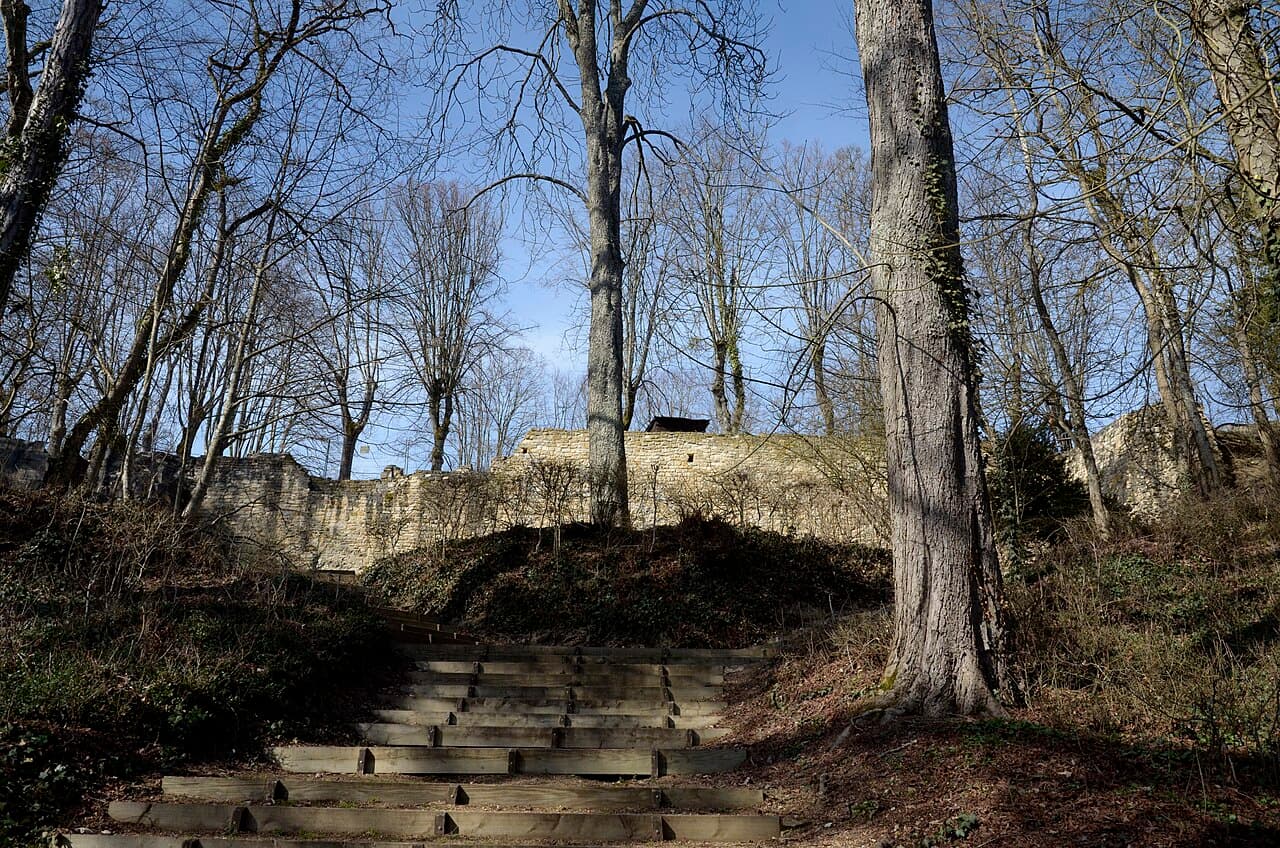
Château de Montrond — France castle

Château de Montrond

Château de Montrond in Saint-Amand-Montrond, France
Saint-Amand-Montrond, Centre-Val de Loire, France
High Medieval (11th–13th c.)
Ruins

The Château de Montrond stands as a significant medieval fortress ruin located in the commune of Saint-Amand-Montrond within the Cher département of France. This castle, dating back to the 13th century, represents an important example of High Medieval military architecture in the region. Though now in a state of ruins, the site preserves valuable archaeological remains that provide insight into the defensive strategies and feudal life of the period.

Historical background and context

Constructed during the High Medieval period, the Château de Montrond was originally built as a strategic fortification to oversee and control the surrounding territory. The castle played a role in regional conflicts and power struggles typical of medieval France, especially given its location in the historically contested Berry province. Over the centuries, it witnessed various sieges and ownership changes, reflecting the turbulent history of the region.

Architectural features and layout

The castle's remains reveal a typical medieval fortress design featuring defensive walls, towers, and a central keep. The layout was likely adapted to the natural topography, possibly situated on a raised site to maximize defensive advantage. Though much of the structure has collapsed, surviving elements include portions of curtain walls and foundations of towers that once guarded the perimeter.

Defensive structures

Key defensive features would have included battlements, arrow slits, and a gatehouse designed to withstand assaults. The castle's walls were constructed from local stone, providing both strength and durability. The presence of a moat or ditch is plausible, as such features were common in castles of this era to hinder attackers.

Residential and functional spaces

Within the castle, there would have been living quarters for the lord and his retinue, a great hall for gatherings, and storage areas for supplies and armaments. The design balanced military needs with the requirements of daily life in a feudal stronghold.

Current condition and archaeological significance

Today, the Château de Montrond is classified as archaeological ruins, with much of its original structure lost to time. The site is important for historians and archaeologists studying medieval fortifications and feudal society. Excavations have helped uncover the castle's footprint and provided artifacts that illuminate the lifestyle and defensive techniques of its inhabitants.

Visiting the château

The ruins are accessible to the public, offering visitors a glimpse into medieval architecture and history. The site provides an educational experience through its preserved remains and interpretive signage. Visitors can explore the grounds and imagine the castle's former prominence in the landscape of Saint-Amand-Montrond.

Frequently asked questions (FAQ)

How do I get to Château de Montrond?
Château de Montrond is located in Saint-Amand-Montrond, France, and is accessible by car and public transportation. If you are traveling by train, the nearest station is Saint-Amand-Montrond, from where you can take a taxi or a bus to reach the castle.
What is the historical significance of Château de Montrond?
Château de Montrond dates back to the 13th century and has played a crucial role in regional history. It has witnessed various events, including wars and political changes, making it an important monument reflecting the heritage of the Berry region.
When was Château de Montrond built?
The construction of Château de Montrond began in the 13th century and was completed in the 14th century. It has undergone several renovations over the centuries, preserving its architectural integrity while adapting to modern needs.
Can I take a guided tour of Château de Montrond?
Yes, guided tours are available at Château de Montrond, offering visitors an in-depth look at its history and architecture. These tours are led by knowledgeable guides who provide fascinating insights and stories about the castle.
Why is the architecture of Château de Montrond unique?
The architecture of Château de Montrond is a blend of medieval and Renaissance styles, featuring impressive stonework and defensive structures. Its design reflects the strategic importance of the castle during its time, showcasing both functionality and aesthetic appeal.
Is it possible to visit Château de Montrond year-round?
Château de Montrond is open to visitors year-round, although specific opening hours may vary by season. It is advisable to check the official website or contact the castle directly for the most current visiting times.
What are the ticket prices for Château de Montrond?
Ticket prices for Château de Montrond vary by age group and special rates may be available for students and seniors. It is recommended to check the castle’s official website for the latest pricing information and any available discounts.
What is the best time to visit Château de Montrond?
The best time to visit Château de Montrond is during the spring and early fall when the weather is mild, and the gardens are in full bloom. These seasons offer a pleasant experience for exploring the castle and its surroundings.
Are there any nearby attractions to Château de Montrond?
Yes, nearby attractions include the charming town of Saint-Amand-Montrond, known for its historic streets and local markets. Additionally, visitors can explore the scenic Berry countryside and other historical sites in the region.

Photo gallery

Château de Montrond
Click to view

Photo by Julien Descloux•CC BY-SA 3.0

1 photo • Click any image to view in full screen

Information

Archaeological Site / Ruins

Loading map...

Visitor reviews

No reviews yet. Been here? Write the first review and help other travelers!

Write the first review

Visited this castle? Share your experience

Your review helps other travelers and adds first-hand knowledge to our encyclopedia.

Write a review

(5/5)

0/2000 characters

Your review will be visible after admin approval

Nearby castles

6.4 km

Castle of Meillant

Meillant, France

The castle of Meillant, located in the commune of Meillant in central France, is a remarkable example of a late medieval manor house that has retained much of its original grandeur and architectural integrity. Constructed primarily in the 15th century, this castle stands as a testament to the transitional period between the medieval fortress and the Renaissance residence, embodying elements of Gothic architecture with early hints of Renaissance influence. Historical background and significance The castle of Meillant was built during a time of considerable social and political change in France, a period marked by the gradual decline of feudal warfare and the rise of more refined noble residences. Originally constructed as a fortified manor, it served both as a defensive stronghold and a symbol of the lord's power and prestige in the region. Over the centuries, the castle has witnessed numerous historical events and changes in ownership, reflecting the evolving tastes and needs of the French aristocracy. Since its designation as an official monument in 1963, the castle has been recognized for its cultural and architectural importance, attracting historians, architects, and visitors interested in France's medieval heritage. Architectural features and style Gothic elements and layout The castle prominently features Gothic architectural elements characteristic of the late medieval period, including pointed arches, ribbed vaults, and ornate stonework. Its layout typically includes a central courtyard surrounded by fortified walls and towers, which provided both defense and a controlled environment for the castle's inhabitants. The main entrance gate is fortified with defensive mechanisms such as a portcullis and machicolations, designed to repel attackers. The towers are strategically positioned to allow for surveillance and defense of the surrounding lands. Interior design and living quarters Inside, the castle boasts spacious halls and chambers that were adapted over time to enhance comfort and status rather than purely military function. Large windows with stone mullions allow natural light to illuminate the interiors, a departure from the darker, fortress-like castles of earlier medieval times. The great hall served as the social and administrative heart of the castle, where feasts, meetings, and judicial proceedings took place. Decorative elements such as carved wooden ceilings, stone fireplaces, and tapestries would have adorned these spaces, reflecting the wealth and sophistication of the owners. Preservation and current status The castle of Meillant is currently in a well-preserved state, thanks to ongoing conservation efforts. Its status as an official monument has ensured protection under French heritage laws, allowing for careful restoration and maintenance to preserve its historical authenticity. Visitors today can explore the castle's exterior and some interior areas, gaining insight into the architectural and historical significance of this late medieval manor. The castle remains a vital part of the cultural landscape of the Berry region, contributing to local tourism and education. Cultural impact and tourism As a site of historical and architectural interest, the castle of Meillant attracts tourists, scholars, and enthusiasts of medieval history and architecture. Its picturesque setting and elegant design make it a popular destination for cultural tourism in the region. Events and guided tours often highlight the castle's rich history, architectural details, and the lifestyle of the nobility during the late medieval period. This engagement helps to foster appreciation for France's heritage and supports the local economy.

Late Medieval (14th–15th c.)
Details
6.6 km

Meillant Castle

Meillant, France

Meillant Castle, located in the picturesque village of Meillant in the Centre-Val de Loire region of France, stands as a remarkable example of medieval and Renaissance architecture. Surrounded by a lush park and mature trees, this hill castle captivates visitors with its rich history and exquisite architectural details, particularly its eastern facade in the Flamboyant Gothic style. Historical background and construction phases The origins of Meillant Castle date back to the 13th century, with construction continuing through to the 16th century. This extended building period allowed for a fascinating blend of architectural styles, reflecting the transition from the medieval fortress to a more refined Renaissance residence. The castle was originally built as a defensive stronghold on a strategic hilltop, typical of high medieval fortifications, but over time it evolved into a stately home with elaborate decorative elements. Architectural features and style Flamboyant Gothic eastern facade The castle's most striking feature is its eastern facade, which showcases the ornate and intricate designs characteristic of the Flamboyant Gothic style prominent in late medieval France. This facade is richly adorned with sculpted stone tracery, pointed arches, and elaborate window designs that exemplify the period's artistic flourish. The detailed stonework includes motifs such as fleur-de-lis and heraldic emblems, emphasizing the castle's noble heritage. The Lion tower One of the castle’s standout elements is the Lion tower, named for the sculpted lion figures that decorate its exterior. This tower is not only an architectural focal point but also served defensive and symbolic functions. Its height and robust construction provided vantage points for surveillance and protection, while the lion sculptures symbolized strength and nobility. Other structural components Meillant Castle also features traditional medieval elements such as battlements, turrets, and machicolations, which were designed for defense. The castle’s interior includes grand halls and chambers that were adapted over the centuries to suit residential and ceremonial purposes. The harmonious integration of defensive and aesthetic features reflects the evolving role of castles during the late medieval and Renaissance periods. The surrounding park and landscape The castle is set within a beautifully maintained park that offers visitors the opportunity to enjoy leisurely walks amid mature trees and landscaped gardens. This green space enhances the castle’s appeal, providing a tranquil environment that complements the historic architecture. The park’s design likely evolved alongside the castle’s transformation from fortress to noble residence, emphasizing leisure and aesthetic pleasure. Preservation and current status Today, Meillant Castle is restored and well-preserved, allowing visitors to appreciate both its historical significance and architectural beauty. Restoration efforts have focused on maintaining the integrity of the original structures while ensuring the castle remains accessible and safe for public visits. The castle continues to be an important cultural landmark in the Centre-Val de Loire, attracting tourists interested in medieval history and French heritage. Visiting information and cultural significance Visitors to Meillant Castle can explore its impressive facades, towers, and interiors, as well as enjoy the peaceful surroundings of the park. The castle’s blend of high medieval defensive features and Flamboyant Gothic artistry provides a unique insight into the architectural and social developments of France from the 13th to 16th centuries. Its preservation and accessibility contribute to its standing as a valuable heritage site in the Loire Valley region.

High Medieval (11th–13th c.)
Details
6.7 km

Château de Meillant

Meillant, France

The Château de Meillant stands as a remarkable example of French Renaissance architecture infused with lingering elements of the late Gothic style. Constructed in 1510 for Charles d’Amboise by skilled Italian craftsmen, the château reflects the cultural exchange between Italy and France during the early 16th century. This fusion is evident in the château’s architectural details, combining the ornate and vertical emphasis of Gothic design with the balanced proportions and classical motifs of the Renaissance. Architectural features and design The château is prominently defined by the Lion’s Tower, an octagonal three-storey staircase tower that serves both as a functional element and a striking visual centerpiece. This tower exemplifies the transition from medieval defensive structures to more residential and representational architecture typical of the Renaissance period. The tower’s shape and height emphasize verticality, while its refined stonework and decorative details reflect Renaissance aesthetics. Surrounding the main building, the château is encircled by a moat, which mirrors the structure and adds to its imposing presence. The west facade of the château, dating back to the early 1300s, presents a simpler and more austere appearance compared to the richly decorated main sections. This facade offers a glimpse into the château’s medieval origins, contrasting with the later Renaissance additions. The chapel and interiors One of the key highlights of the Château de Meillant is its graceful chapel, which showcases intricate architectural and decorative elements. The chapel reflects the religious and cultural importance of such spaces within noble residences during the Renaissance. Its design incorporates elements of Gothic verticality and Renaissance harmony, with detailed stone carvings and stained glass that illuminate the interior. The château’s interiors, while not fully documented in public sources, are known to contain richly decorated rooms that blend Renaissance artistic trends with traditional French craftsmanship. The use of wood paneling, ornate fireplaces, and sculpted stonework would have contributed to the château’s status as a prestigious noble residence. Historical context and significance Charles d’Amboise, a prominent figure of the early 16th century, commissioned the château during a period of significant architectural innovation in France. The influence of Italian Renaissance styles was becoming increasingly prominent among French nobility, who sought to express their power and sophistication through their residences. The Château de Meillant exemplifies this trend, standing as a symbol of the cultural and artistic exchanges that shaped the French Renaissance. The château’s location in Meillant, France, situates it within the historical region of Berry, an area rich in medieval and Renaissance heritage. The château has survived through centuries, maintaining much of its original structure and character, which allows visitors to experience a tangible connection to the past. Preservation and visitor experience Today, the Château de Meillant is considered well-preserved, retaining its key architectural features and historical ambiance. Visitors can explore the château’s exterior, including the moat and the Lion’s Tower, as well as the chapel and surrounding grounds. The combination of Gothic and Renaissance elements offers a unique insight into the architectural evolution during the early 16th century in France. The château’s setting amidst landscaped grounds enhances the visitor experience, providing a serene environment that complements the historical significance of the site. The preservation efforts have ensured that the château remains an important cultural landmark, attracting those interested in French history, architecture, and Renaissance art.

Renaissance (15th–17th c.)
Details

