
Peru
Historical background and medieval period
Peru's castle heritage is unique in the context of European-style fortifications due to its rich pre-Columbian history and subsequent Spanish colonial influence. Before the arrival of the Spanish in the 16th century, the region was home to powerful indigenous civilizations such as the Incas, who developed advanced defensive structures rather than traditional castles. The concept of castles as seen in Europe did not exist in the same form, but fortresses and defensive settlements played a crucial role in the protection of territories and trade routes.
With the Spanish conquest beginning in the 1530s, European architectural and military traditions were introduced to Peru. The Spanish colonizers constructed forts and castles to consolidate their control over the region, protect their settlements from indigenous resistance, and defend against pirate attacks along the coast. This fusion of indigenous and European fortification techniques forms the foundation of Peru’s historical fortifications.
Continue reading below — scroll for the full article.
Castles in Peru
Discover 2 magnificent castles across the country


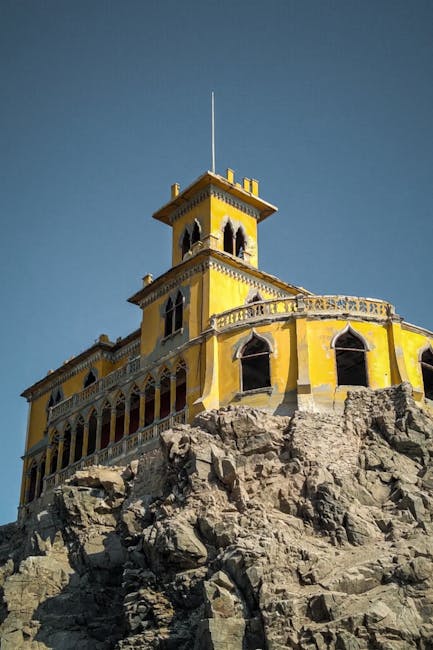
Types of fortifications in peru
Peru’s defensive architecture includes a variety of fortifications built over different periods, reflecting both indigenous and colonial military needs. The primary types include:
- Pre-Columbian fortresses: Indigenous strongholds such as Sacsayhuamán, which feature massive stone walls built with precise masonry.
- Spanish colonial forts: Coastal and inland forts constructed to defend against pirates, indigenous uprisings, and rival colonial powers.
- Defensive walls and bastions: Found in cities like Lima and Cusco, these structures combined European Renaissance military architecture with local materials and techniques.
These fortifications served both military and administrative functions, often acting as centers of colonial governance and symbols of power.
Architectural styles and influences
The architecture of Peru’s fortifications is a compelling blend of indigenous and European styles. Pre-Columbian fortresses are notable for their monumental stonework, with walls composed of large, irregularly shaped stones fitted together without mortar. This technique, known as ashlar masonry, provided impressive resistance to seismic activity.
Spanish colonial fortifications introduced elements of Renaissance military architecture, such as bastions, curtain walls, and moats, designed to withstand artillery attacks. Forts like the Real Felipe Fortress in Callao exemplify this style, featuring thick walls, angled bastions, and strategic positioning overlooking the sea.
The fusion of styles can also be seen in urban defensive walls, where traditional European designs were adapted to local topography and materials. This blending created a distinct architectural heritage that distinguishes Peru’s fortifications from those elsewhere in the Americas.
Regional variations in fortifications
Peru’s diverse geography influenced the design and distribution of its fortifications. Coastal regions, vulnerable to naval attacks and piracy, saw the construction of robust maritime forts, while highland areas favored large, elevated stone fortresses built by indigenous populations.
Coastal fortifications
The port city of Callao hosts some of the most significant colonial fortresses, including the Real Felipe Fortress, a massive complex built in the 18th century. Its strategic location guarded the main port from pirate incursions and foreign invasions. Other coastal forts, such as those in Arica and Pisco, served similar defensive purposes.
Highland fortresses
In the Andean highlands, pre-Columbian fortresses like Sacsayhuamán near Cusco demonstrate indigenous defensive ingenuity. These sites were often positioned on hilltops with extensive walls and terraces to control access and provide surveillance over the surrounding valleys. The Incas and their predecessors prioritized natural terrain advantages in their fort designs.
Notable periods of castle construction
Castle and fort construction in Peru can be broadly divided into two key periods: the pre-Columbian era and the colonial period.
Pre-columbian era
Before European contact, indigenous groups built fortified settlements and ceremonial centers with defensive features. The Inca civilization (15th and early 16th centuries) expanded upon earlier traditions, constructing sites that combined military, religious, and administrative functions. Fortresses like Sacsayhuamán and Ollantaytambo exemplify this era’s architectural advancements and strategic planning.
Spanish colonial period
Following the conquest, the 16th to 18th centuries saw an extensive program of fortification construction. The Spanish built coastal forts such as the Real Felipe Fortress to protect maritime trade routes. Inland, they reinforced urban defenses in key cities, incorporating European military engineering principles. This period reflects the adaptation of European fortification techniques to the challenges of the New World.
Preservation and current state
Many of Peru’s fortifications have survived in various states of preservation, from well-maintained museums to ruins. Sites like Sacsayhuamán remain iconic symbols of Inca engineering and are protected as part of the Cusco Historic Sanctuary, a UNESCO World Heritage Site. Similarly, the Real Felipe Fortress is preserved as a national monument and serves as a museum showcasing colonial military history.
However, some fortifications face threats from urban development, natural erosion, and insufficient conservation resources. Efforts by the Peruvian government and international organizations continue to focus on protecting these sites, recognizing their cultural and historical value.
Castle tourism and accessibility
Fortifications in Peru are important attractions for cultural tourism, offering visitors insights into the country’s complex history. The sites are often accessible through guided tours that explain their historical context and architectural features.
Sacsayhuamán draws thousands of tourists annually due to its proximity to Cusco and its impressive stonework. The Real Felipe Fortress in Callao is also open to visitors, featuring exhibitions on colonial military history and Peru’s struggle for independence.
Tourism infrastructure around these sites varies, with some offering visitor centers, interpretive signage, and educational programs. Promoting sustainable tourism is a priority to ensure these fortifications remain accessible for future generations.
Cultural significance and heritage
Peru’s fortifications hold profound cultural significance, symbolizing both indigenous resilience and colonial history. Pre-Columbian fortresses like Sacsayhuamán are revered as masterpieces of Inca architecture and engineering, representing a connection to ancestral heritage and identity.
Colonial forts such as the Real Felipe Fortress embody the complex legacy of Spanish conquest and defense. They serve as reminders of historical conflicts, colonial administration, and the eventual emergence of Peru as an independent nation.
These fortifications contribute to Peru’s rich heritage, fostering national pride and scholarly interest. Their preservation and interpretation continue to enhance understanding of the country’s multifaceted past.
Castle Locations in Peru
Explore all castle locations on an interactive map
Loading castle locations...