
Korea (Republic of)
The castle heritage and historical fortifications of korea (republic of)
Korea’s rich history is deeply intertwined with its extensive heritage of castles and fortifications, reflecting centuries of strategic military planning and architectural ingenuity. Unlike many Western European countries known for towering stone castles, Korea’s fortifications often emphasize natural landscapes and integrated defensive systems. These structures provide critical insight into the peninsula’s turbulent past and its enduring cultural legacy.
The Republic of Korea, or South Korea, preserves numerous examples of ancient fortresses and defensive walls, many dating back to the Three Kingdoms period and continuing through the Joseon dynasty. These sites not only showcase unique architectural styles but also embody the political and military challenges faced by Korean kingdoms across different eras. The continuing preservation and study of these fortifications highlight their importance in Korean heritage and national identity.
Continue reading below — scroll for the full article.
Castles in Korea (Republic of)
Discover 1 magnificent castle across the country
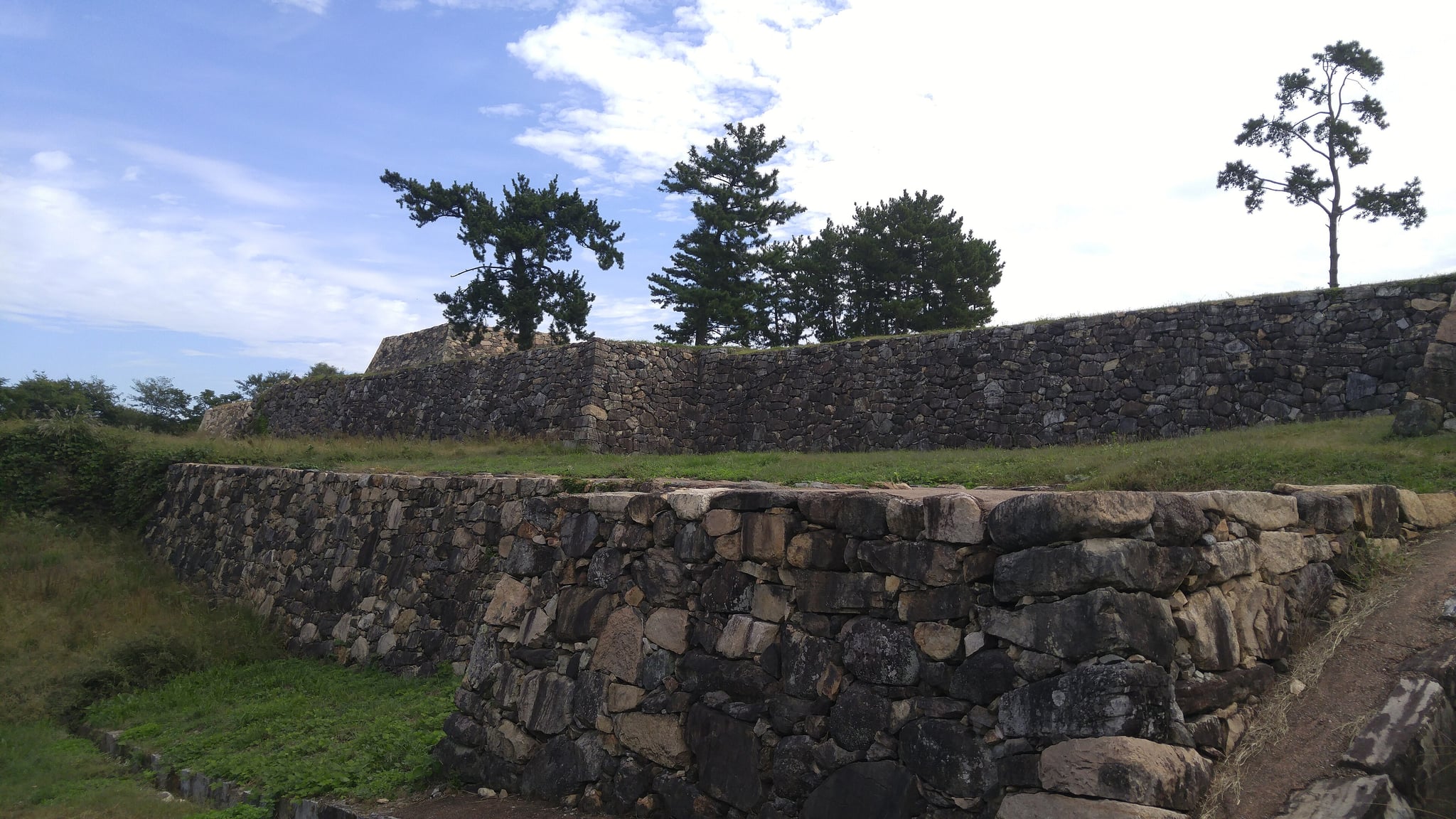
Historical background and medieval period
The origins of Korea’s castle heritage can be traced to the early Three Kingdoms period (57 BC – 668 AD), when the kingdoms of Goguryeo, Baekje, and Silla constructed fortresses to protect their territories. Goguryeo, known for its military prowess, built massive stone fortresses such as Ansi Fortress, designed to withstand prolonged sieges and invasions. These early fortifications were often strategically placed on mountain ridges or hills to maximize defensive advantages.
During the Goryeo dynasty (918–1392), fortifications evolved in response to new military threats, including Mongol invasions. The era saw the reinforcement of existing castles and the construction of new ones focusing on both defense and administration. The subsequent Joseon dynasty (1392–1897) continued this tradition, emphasizing the construction of integrated city walls and mountain fortresses, often blending military function with Confucian ideals of harmony with nature.
Types of fortifications
Mountain fortresses
Mountain fortresses constitute one of the most distinctive types of Korean fortifications. These structures utilize natural topography, such as steep slopes and rocky ridges, to create formidable defensive positions. Walls were typically built with stone and earth, enclosing large areas to shelter military personnel and civilians during times of war. The Hwaseong Fortress in Suwon, built during the late 18th century, is a remarkable example of a mountain fortress integrating advanced defensive technologies with landscape features.
City walls and palatial fortifications
Urban fortifications, including city walls, were crucial for protecting administrative centers. Seoul’s historic city walls, originally constructed in the 14th century during the early Joseon period, encircle the old city and demonstrate sophisticated stone masonry combined with strategic gate placements. Palaces such as Gyeongbokgung were also fortified with walls and gates, reflecting both defense and ceremonial functions.
Coastal fortresses
The peninsula’s extensive coastline necessitated the construction of coastal fortresses to guard against naval incursions and pirate raids. These fortifications often featured watchtowers and artillery platforms. The fortress of Ganghwa Island is notable for its coastal defenses that played a role in repelling invasions during the late Goryeo and Joseon periods.
Architectural styles and influences
Korean fortress architecture exhibits a distinct style characterized by the harmonious integration of structures with the natural environment. Unlike European castles, which often emphasize towering keeps and thick curtain walls, Korean fortifications tend to be lower in profile but extensive in layout, following the contours of mountains and valleys. This approach not only enhances defense but also reflects traditional Korean aesthetics valuing balance and subtlety.
The use of stone walls combined with earthworks is common, with walls often constructed from irregularly shaped stones fitted without mortar, relying on precise craftsmanship for stability. Gates and watchtowers incorporate wooden elements with intricate joinery, often decorated with traditional motifs. The influence of Confucian ideals during the Joseon dynasty also encouraged simplicity and restraint in fortification design.
Technological influences can be seen in the Hwaseong Fortress, where King Jeongjo commissioned engineers to incorporate contemporary military innovations such as bastions, gunpowder artillery platforms, and secret gates, blending Eastern architectural traditions with emerging Western techniques.
Regional variations
Regional geography played a significant role in shaping the diverse forms of Korean fortifications. In the mountainous northeast, fortresses like Ansi and Gungnae are characterized by rugged stone walls conforming to steep terrain, designed to deter invasions from northern tribes. In contrast, the southern regions feature fortifications adapted for coastal defense, such as the island fortresses on Ganghwa and Jeju.
The central region, home to the capital cities across successive dynasties, contains more elaborate urban fortifications. Seoul’s city walls and the Hwaseong Fortress in Suwon showcase advanced engineering and urban planning, reflecting the political and cultural importance of the area. These regional differences illustrate how Korean fortifications evolved according to local needs and environmental conditions.
Notable periods of castle construction
The Three Kingdoms period was foundational for Korea’s castle heritage, with the establishment of large mountain fortresses serving as military and administrative centers. This era laid the groundwork for defensive strategies that would influence later dynasties.
The Joseon dynasty marked a golden age of fortress construction, particularly during the late 18th century under King Jeongjo. The building of Hwaseong Fortress (1794–1796) exemplifies this period’s synthesis of military functionality, urban planning, and cultural expression. The fortress was designed to protect the relocated royal tomb of King Jeongjo’s father and to serve as a symbol of enlightened governance.
Throughout the Joseon period, fortifications were continuously maintained and adapted to new military technologies, including the use of gunpowder weapons. This period also saw the reinforcement of Seoul’s city walls and the expansion of coastal defenses in response to increasing foreign threats.
Preservation and current state
Many of Korea’s historical fortifications have survived in varying conditions, thanks to ongoing preservation efforts by the government and cultural organizations. The designation of sites such as Hwaseong Fortress as UNESCO World Heritage sites has helped raise international awareness and funding for restoration projects.
Seoul’s city walls have been partially restored and are accessible for public tours, offering a glimpse into the city’s medieval past amid modern urban surroundings. Similarly, mountain fortresses like Ansi are protected archaeological sites where visitors can explore ancient walls and interpretive trails.
Despite these efforts, some fortifications face challenges due to urban development, environmental degradation, and limited resources. Continued conservation is essential to safeguard these structures as invaluable components of Korea’s cultural heritage.
Castle tourism and accessibility
Castle tourism in South Korea attracts both domestic and international visitors interested in history, architecture, and nature. Hwaseong Fortress in Suwon is among the most popular destinations, offering guided tours, reenactments, and cultural events that vividly bring the fortress’s history to life.
Seoul’s city walls provide accessible hiking routes with panoramic views of the city and opportunities to explore historic gates and watchtowers. Coastal fortresses and island fortifications can be visited through organized tours, although some sites require more effort to reach due to their remote locations.
Tourism infrastructure around these sites has improved steadily, with museums, visitor centers, and multilingual signage enhancing the educational experience. These efforts contribute to raising public appreciation for Korea’s castle heritage and promote sustainable cultural tourism.
Cultural significance and heritage
Korean fortifications embody more than military defense; they symbolize resilience, identity, and the historical continuity of the Korean people. These structures are woven into national narratives about sovereignty, cultural pride, and the harmonious relationship between humans and nature.
The architectural emphasis on blending fortresses with natural landscapes reflects enduring philosophical traditions and aesthetic values. Moreover, castles and walls often serve as venues for cultural festivals, traditional performances, and educational programs, reinforcing their role as living heritage sites.
By preserving and honoring these fortifications, Korea not only safeguards its past but also fosters a sense of community and shared history for future generations. The rich legacy of Korean castles and fortresses continues to inspire architects, historians, and visitors worldwide.
Castle Locations in Korea (Republic of)
Explore all castle locations on an interactive map
Loading castle locations...