
Australia
Castle heritage in australia: an overview
Australia's castle heritage differs significantly from the traditional European narrative of medieval fortifications. Due to its relatively recent colonial history and absence of a medieval period, the country lacks authentic medieval castles typical of Europe. However, Australia's architectural landscape includes a variety of fortifications and castle-like structures that reflect colonial ambitions, military necessities, and romantic architectural revivals.
These structures, often inspired by European designs, serve as reminders of Australia's strategic importance during periods of conflict and its cultural ties to Britain. The heritage of castles and fortifications in Australia encompasses colonial forts, defensive batteries, and grand residences mimicking medieval styles, all contributing to the nation's unique architectural story.
Continue reading below — scroll for the full article.
Castles in Australia
Discover 2 magnificent castles across the country


Historical background and the absence of a medieval period
Unlike Europe, Australia was not home to any medieval kingdoms or feudal societies that necessitated the construction of castles for defense or lordly residence. The continent's Indigenous peoples developed rich cultures but did not build stone fortifications akin to European castles. European-style castles and fortifications only appeared after colonization began in the late 18th century.
Early European settlers faced different challenges, primarily related to establishing control over a vast and unfamiliar territory. The need for military fortifications arose mainly during the 19th century, particularly as Australia became a strategic point within the British Empire.
Types of fortifications in australia
Australia's fortifications include a variety of military and residential structures that served defensive or symbolic purposes. These can be broadly categorized into colonial forts, coastal batteries, and castle-inspired residences.
Colonial forts and batteries
During the 19th century, several forts and coastal batteries were constructed to protect major ports and settlements from potential naval threats. Notable examples include Fort Denison in Sydney Harbour and Fort Lytton near Brisbane. These installations typically featured earthworks, stone walls, and artillery placements rather than the high curtain walls or keeps associated with medieval castles.
Castle-inspired residences and mansions
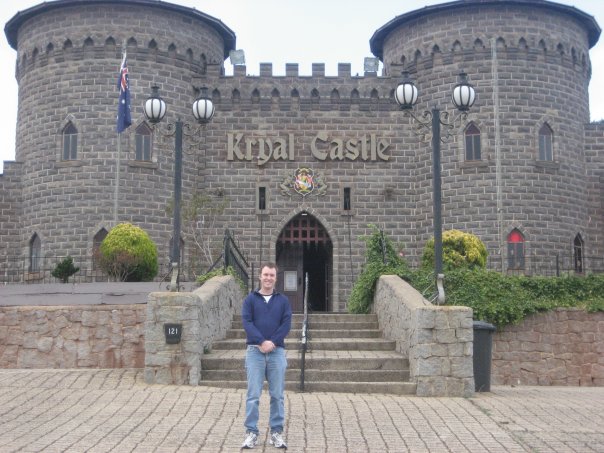
In the late 19th and early 20th centuries, some wealthy Australians built grand homes influenced by Gothic Revival and Tudor Revival styles, incorporating castle-like elements such as turrets, battlements, and stone facades. Montsalvat in Victoria is an example of a complex that embraces medieval European architectural motifs, blending them with artistic and cultural aspirations.
Architectural styles and european influences
The architecture of Australian fortifications and castle-like structures reflects a strong European influence, adapted to local materials and conditions. The dominant styles include Gothic Revival, Norman Revival, and Victorian military architecture.
Gothic and tudor revival architecture
Many castle-inspired residences adopted Gothic Revival features such as pointed arches, crenellated parapets, and decorative stonework. These styles evoked a romanticized medieval past and were popular among the affluent as symbols of prestige and cultural heritage. Barwon Park Mansion in Victoria exemplifies this trend, showcasing castellated forms and intricate detailing.
Victorian military architecture
Colonial forts and batteries often incorporated practical Victorian military architectural principles, focusing on low-profile earthworks to absorb artillery fire and strategic positioning for coastal defense. Structures like Fort Scratchley in Newcastle demonstrate the adaptation of British military engineering to Australian conditions.
Regional variations in castle and fortification heritage
Australia's castle and fortification heritage varies by region, largely influenced by the strategic importance of coastal cities and the local economic context.
New south wales and sydney harbour defenses
New South Wales boasts some of the most significant colonial fortifications due to Sydney's importance as a port. Fort Denison, with its Martello tower design, is a rare example of a fortification style imported from Europe and adapted for Australian use.
Victoria and domestic castellated architecture
Victoria is notable for its numerous grand homes and mansions that incorporate castle-like features. The wealth from the gold rushes fueled the construction of elaborate residences reflecting European tastes, such as Barwon Park Mansion and Montsalvat.
Queensland and coastal batteries
Queensland's fortifications, including Fort Lytton, were part of a network of coastal defenses designed to protect growing settlements and shipping lanes. These sites illustrate the military priorities during Australia's colonial expansion and federation period.
Preservation and current state of australian fortifications
Many of Australia's colonial forts and castle-inspired residences have been preserved as heritage sites, museums, or cultural centers. Their conservation reflects an appreciation of the country's colonial and architectural history.
Fort Scratchley remains a museum open to the public, showcasing military history and coastal defense strategies. Similarly, Fort Denison is accessible on guided tours, allowing visitors to explore its unique Martello tower and learn about Sydney's maritime defense.
Castle-like residences such as Barwon Park Mansion have been restored and maintained, serving as examples of 19th-century architectural ambition and social history.
Castle tourism and accessibility in australia
While Australia does not offer medieval castles in the traditional sense, its fortifications and castle-inspired buildings attract tourists interested in colonial history and architecture. Sites like Fort Denison and Fort Scratchley provide educational experiences related to military heritage.
Many of the grand mansions with castellated features are privately owned but occasionally open for public tours or events, offering glimpses into Australia's adaptation of European architectural styles.
Montsalvat, as an artist colony with medieval influence, also welcomes visitors, blending cultural tourism with architectural appreciation.
Cultural significance and heritage of australian fortifications
Australia's castle heritage, though distinct from European medieval traditions, holds cultural significance as a testament to colonial identity, military history, and architectural adaptation. These structures embody the aspirations and challenges of settlers in a new land, reflecting both defense needs and social status.
The preservation and interpretation of fortifications and castle-like buildings contribute to understanding Australia's colonial past, its relationship with the British Empire, and the evolution of its national identity.
Castle Locations in Australia
Explore all castle locations on an interactive map
Loading castle locations...