
Wąwolnica Castle
Wąwolnica Castle is a prominent medieval hill castle located in the municipality of Wąwolnica, Poland. Situated on the strategic elevated site known as Church Hill, it was constructed in the 14th century during the reign of King Casimir III the Great. Originally built as a royal rest station, the castle served as accommodation for the king during his travels and symbolized royal authority within the Kingdom of Poland.
Historical context and royal function
The origins of Wąwolnica Castle date back to the mid-1300s, a period marked by King Casimir III's efforts to consolidate and expand royal holdings across Poland. The castle was first documented shortly after the king's death in 1370, notably in the Kraków Cathedral Chronicle by Janek of Czarnków, confirming its status as a royal property. Throughout the 15th century, the castle played a crucial administrative and judicial role. Records from 1381 to 1474 indicate that the Lublin castellan held court at the castle, exercising authority over local minor nobility and managing regional affairs.
The castle's burgrave, who was responsible for its defense and management, is mentioned in municipal court records from the late 15th century. The reference to "castrum nostrum Wawelnica" in 1461 underscores the castle's recognized importance within the kingdom's judicial and administrative network. By 1518, the royal estate was leased to Mikołaj Firlej, reflecting a transition from direct royal ownership to private tenancy of former royal properties.
Destruction and transformation
In 1567, a catastrophic fire devastated both the castle and the adjacent town. This disaster prompted the relocation and rebuilding of the settlement in a nearby suburb. Following the fire, the castle lands gradually came under the possession of the Benedictine abbey on Łysa Góra hill. By the mid-17th century, the castle had fallen into ruin, with reports from 1650 describing its dilapidated condition.
The Benedictine order repurposed the remaining castle structures into monastic quarters, integrating the site into their religious complex. Local tradition recorded in 1845 notes that the church and monastery were constructed using parts of the old castle. Surviving defensive walls with arrow slits and a large building incorporated into the monastic complex testify to this adaptation. This transformation marked a significant shift from a royal fortress to a religious institution.
The dissolution of monasteries by Pope Pius VII in 1819 affected the Benedictine holdings, including those at Wąwolnica. Between 1850 and 1860, the remaining castle walls were dismantled to make way for a rectory northeast of St. Adalbert's Church on Church Hill, further altering the site's historic fabric.
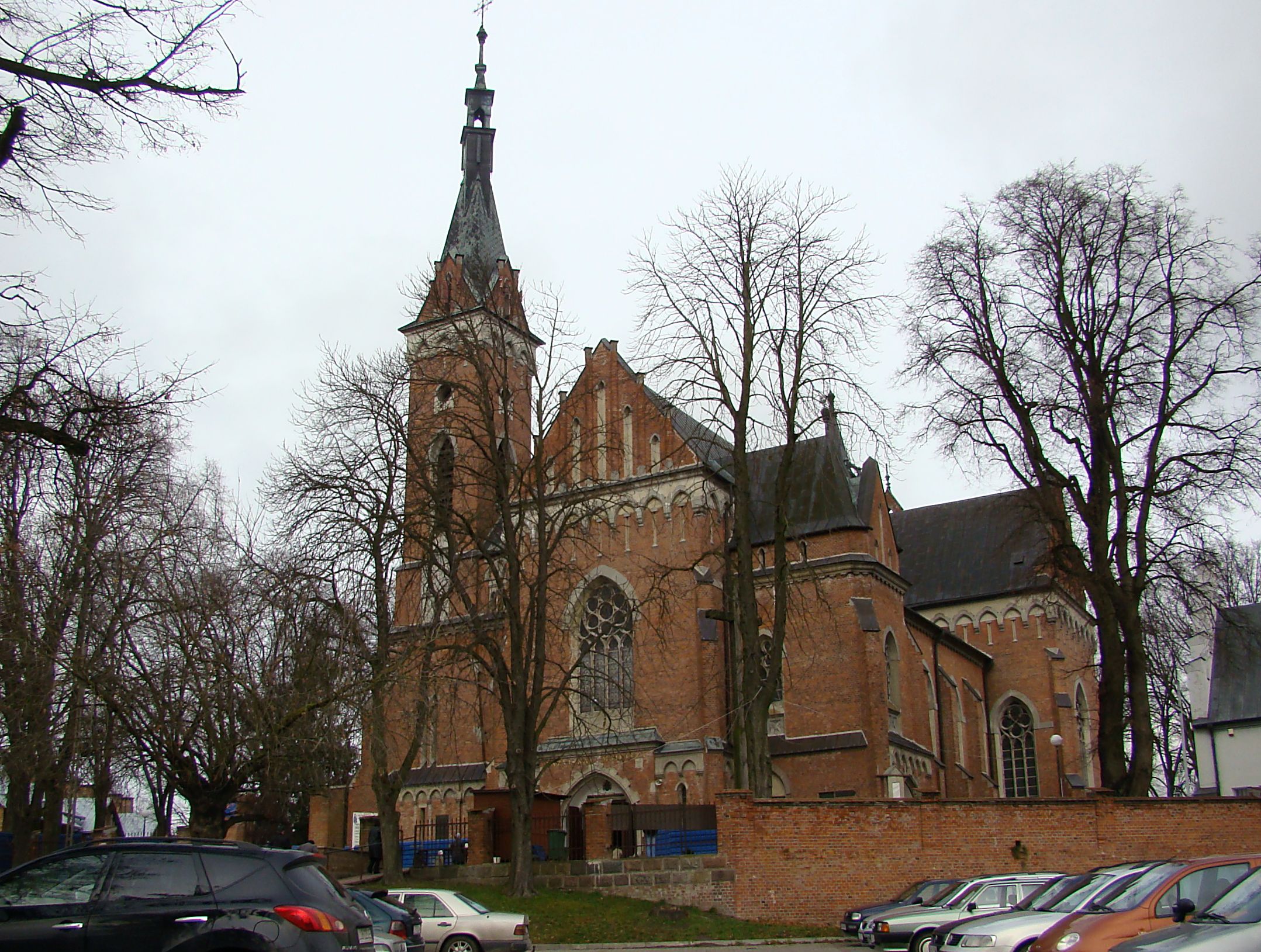
Architectural features and archaeological remains
Wąwolnica Castle was strategically positioned on Church Hill, combining defensive and residential functions within the medieval town. Archaeological excavations conducted from 1999 to 2002 uncovered substantial evidence of the castle's original layout and construction techniques. A large tower in the northern part of the hill served both as living quarters and a fortification, featuring vaulted basement walls constructed with skilled medieval stone masonry.
This tower was part of a broader defensive system connected to the town's fortifications. South of the castle stood a two-story medieval church dedicated to St. Adalbert, partially demolished in the early 20th century but with its lower level preserved. Adjacent to the castle site, the two-level Chapel of Our Lady of Kębło remains intact, historically marking the southern boundary of the castle complex and a corner of the medieval market square.
19th-century chroniclers noted visible masonry within the monastic buildings that replaced the castle, including walls with arrow slits and a large building believed to have served residential or defensive purposes. The removal of the castle walls in the mid-1800s and the construction of the rectory reflect the site's continuous adaptation over centuries.
Legacy and significance
The layered history of Wąwolnica Castle—from a royal residence and administrative center to monastic quarters and archaeological site—offers valuable insights into medieval Polish fortifications and their evolution. The surviving architectural elements and archaeological findings provide tangible connections to the castle's multifaceted past, illustrating its strategic importance and the dynamic changes in ownership and function over time.
Today, the site stands as an important archaeological and cultural landmark, attracting interest from historians, archaeologists, and visitors eager to explore Poland's medieval heritage. Although largely in ruins, the castle's remains continue to tell the story of a royal fortress that adapted to religious and secular uses, reflecting broader historical trends in the region.
Frequently asked questions (FAQ)
- How do I get to Wąwolnica Castle?
- Wąwolnica Castle is located in the town of Wąwolnica in Lublin Voivodeship, Poland. It is accessible by local roads and is a short walk from the town center, making it easy to visit by car or public transport.
- What is the historical significance of Wąwolnica Castle?
- Wąwolnica Castle was built in the 14th century as a royal rest station and administrative center. It played an important role in regional governance and later became part of a Benedictine monastic complex, reflecting its evolving functions over centuries.
- Can I visit the ruins of Wąwolnica Castle?
- Yes, the castle ruins are open to visitors daily from 9:00 to 17:00. There is no admission fee, allowing visitors to explore the archaeological remains and surrounding historic sites at their leisure.
- What architectural features can be seen at Wąwolnica Castle?
- Visitors can observe the remains of a large medieval tower with vaulted basement walls, defensive walls with arrow slits, and the nearby Chapel of Our Lady of Kębło, which marks the southern boundary of the original castle complex.
- Is Wąwolnica Castle wheelchair accessible?
- Due to the castle's hilltop location and ruinous condition, accessibility is limited. Visitors with mobility impairments may find some areas challenging to navigate, so it is advisable to contact local tourist information for specific accessibility details.
- When is the best time to visit Wąwolnica Castle?
- The castle can be visited year-round, but spring through early autumn offers the most pleasant weather for exploring the outdoor archaeological site and surrounding historic town.
Photo gallery

Information
Opening hours
9:00-17:00, daily
Ticket prices
Free
Current owner
Municipality
Website
Visit websiteLoading map...
Visitor reviews
No reviews yet. Be the first to share your experience!