
Wånas Castle
Wanås Castle, located in Knislinge, Sweden, stands as a remarkable example of a Renaissance manor with a rich history spanning several centuries. Originally established in the Middle Ages, the estate evolved from a fortified stone stronghold into an elegant country residence. Today, it is renowned not only for its architectural heritage but also for its unique role as a contemporary art museum and sculpture park, blending historical grandeur with modern creativity.
The origins of Wanås trace back to the 15th century when it was first documented under the name Watnaas, meaning "the ridge by the water." Owned initially by the squire Eskild Aagesen around 1440, the estate was characterized by a stone-built main structure surrounded by protective moats, typical of medieval defensive architecture. Its strategic location in the region of Skåne left it vulnerable during the frequent conflicts between Sweden and Denmark, particularly during the Nordic Seven Years' War (1563–1570), when the original castle was burned down by Swedish troops.
Historical evolution and ownership
The manor's history is intertwined with several prominent Scandinavian families. In the late 15th and early 16th centuries, the influential Brahe family took possession, with Niels Nielsen Brahe playing a notable role during the turbulent period of King Christian II's reign. Following political upheavals, the estate changed hands multiple times, including ownership by Claus Bille and his son Sten Bille, who led the reconstruction efforts after the castle's destruction in the 1560s.
Rebuilding commenced around 1566, incorporating remnants of the original structure. By 1680, drawings show the manor largely as it appears today, reflecting Renaissance architectural elements. The estate passed through the Putbus family in the late 17th and early 18th centuries, with Baroness Lena Sofia von Putbus overseeing significant repairs. In the mid-18th century, under the ownership of Governor Carl Axel Hugo Hamilton and later his widow Betty Jennings, the estate underwent extensive enhancements including the construction of outbuildings and the transformation of the landscape by draining the original defensive moats.
Since the early 19th century, the Wachtmeister family has maintained stewardship of Wanås. Carl Axel Wachtmeister af Johannishus introduced notable changes such as reorienting the main entrance and adding an orangery, reflecting evolving tastes in manor house design and landscaping. The estate remained under fideicommissum until 1978, ensuring it stayed within the family lineage. Today, it is managed by Count Carl-Gustaf Wachtmeister and his wife Marika Wachtmeister, who founded the Wanås Art Foundation.
Architectural features and landscape
Wanås Castle exemplifies Renaissance architecture with its sturdy stone construction and characteristic gables. The main building retains much of its historical interior, showcasing collections of fine furniture and portraits by masters such as Rembrandt, Rubens, Van Dyck, and notable Swedish artists including Roslin, Lundberg, and von Breda. These collections reflect the cultural wealth and refined tastes of its successive owners.
The estate's original defensive moats, once integral to its medieval fortifications, were drained in the 18th century, transforming the grounds into a more open and ornamental landscape. The surrounding park combines formal gardens, water features, and an English-style park laid out around 1800, complete with a manor avenue that emphasizes the grand approach to the castle. The early 19th-century orangery added by Carl Axel Wachtmeister remains a distinctive feature, illustrating the period's horticultural interests.
Medieval stronghold to Renaissance manor
The initial stone fortress was strategically positioned on a ridge by the water, with moats providing defense. After its destruction during the Nordic Seven Years' War, the reconstruction incorporated Renaissance design principles, balancing fortification with residential comfort. The manor's layout and surviving architectural elements demonstrate this evolution from a military stronghold to a stately home.
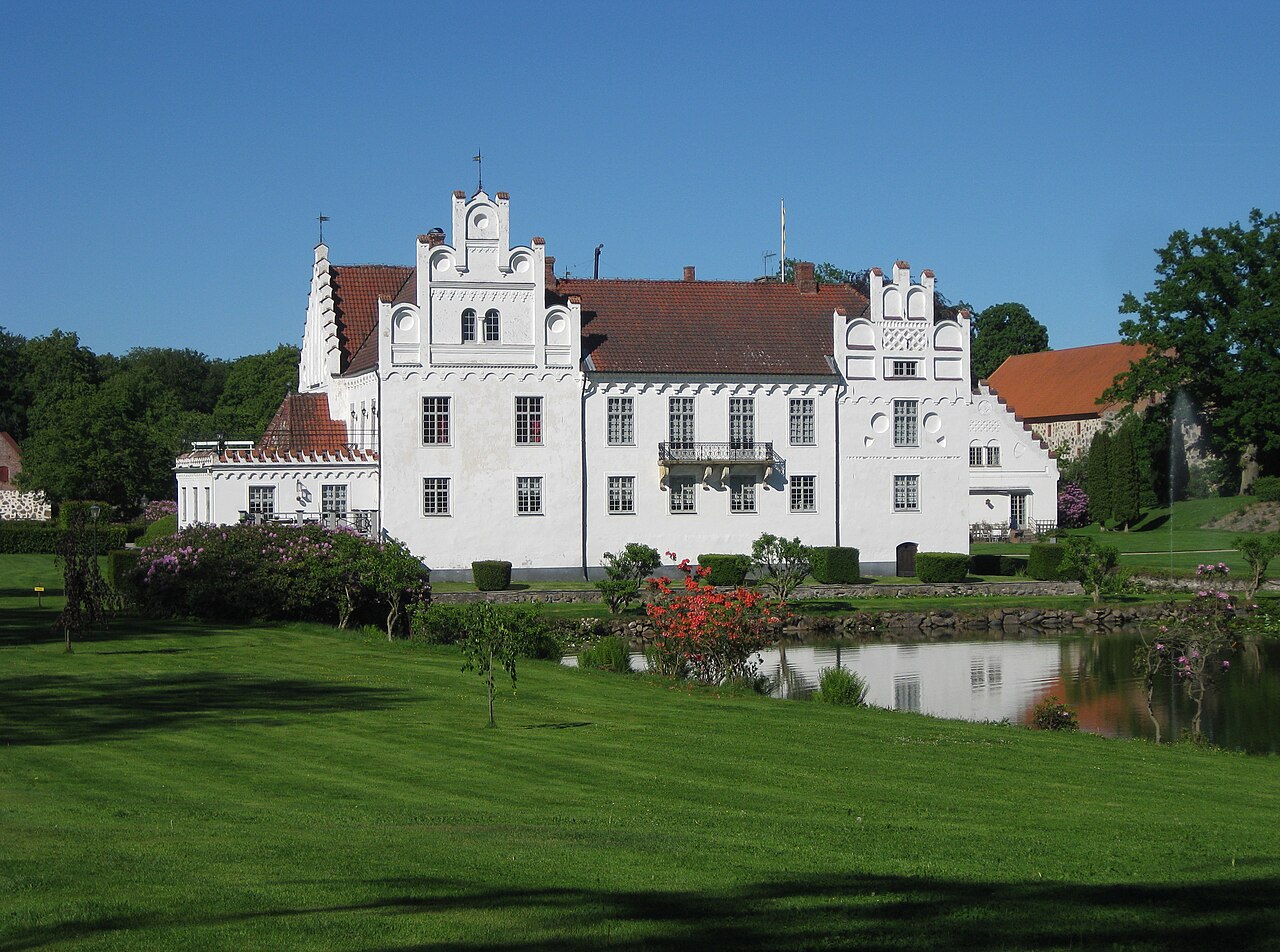
Photo by Jorchr • CC BY-SA 3.0
Role in regional conflicts and cultural significance
Wanås played a significant role during the turbulent 17th-century conflicts between Sweden and Denmark. It served as a center for the Danish resistance, known as the snapphane movement, which opposed Swedish rule in the region. The estate's park is home to a 500-year-old oak tree under which captured resistance fighters were reportedly executed, marking the site as a poignant historical landmark.
The castle's survival through political upheavals, wars, and changing sovereignties underscores its resilience and importance in Scandinavian history. It was one of the few manors in Skåne not seized by the Swedish crown after the Treaty of Roskilde in 1658, highlighting its unique status.
Wanås today: art, preservation, and public engagement
Since 1987, Wanås Castle has embraced a new cultural role as a museum and sculpture park. The estate hosts over 40 permanent contemporary art installations, created by internationally renowned artists such as Per Kirkeby, Yoko Ono, and Antony Gormley. These works are displayed throughout the park and within renovated 18th- and 19th-century farm buildings, including stables and barns, creating a dynamic dialogue between historic architecture and modern art.
The castle itself remains a private residence but opens its extensive park to the public, offering visitors a unique experience that combines history, nature, and contemporary creativity. The estate's status as a protected listed building since 1980 ensures the conservation of its architectural integrity and historical fabric for future generations.
Art foundation and cultural programming
The Wanås Art Foundation organizes exhibitions, educational programs, and cultural events that draw visitors from across Sweden and beyond. This integration of art and heritage has positioned Wanås as a significant cultural landmark, fostering appreciation for both its historical legacy and its contemporary artistic contributions.
Visitor experience and accessibility
The park's open access allows visitors to explore the landscaped grounds, admire the sculptures, and enjoy the natural beauty surrounding the manor. While the castle interior is private, the estate's public areas provide ample opportunities for cultural enrichment and leisure. The combination of historical architecture, landscaped gardens, and modern art installations makes Wanås a distinctive destination in southern Sweden.
Frequently asked questions (FAQ)
- When was Wanås Castle originally built and by whom?
- Wanås Castle was originally established in the Middle Ages, first documented around 1440 under the ownership of squire Eskild Aagesen. The current main structure was rebuilt starting around 1566 after destruction in the Nordic Seven Years' War.
- What architectural style characterizes Wanås Castle?
- Wanås Castle primarily reflects Renaissance architecture, with sturdy stone construction, gabled roofs, and interior elements from the 16th and 17th centuries.
- Is Wanås Castle open to the public for visits?
- The castle itself remains a private residence, but the surrounding park and sculpture grounds are open to the public year-round, offering access to contemporary art installations and landscaped gardens.
- What is the significance of the 500-year-old oak tree in the park?
- The oak tree is historically significant as the site where captured Danish resistance fighters, known as snapphanar, were reportedly executed during the 17th-century conflicts between Sweden and Denmark.
- What kind of art can visitors see at Wanås today?
- Visitors can explore over 40 permanent contemporary art pieces by internationally acclaimed artists such as Per Kirkeby, Yoko Ono, and Antony Gormley, displayed throughout the park and in renovated farm buildings.
Photo gallery

Information
Loading map...
Visitor reviews
No reviews yet. Be the first to share your experience!