
Žuta Tabija
Žuta Tabija, also known as the Yellow Fortress or Yellow Bastion, is a prominent bastioned fortress located at the entrance of the historic Walled City of Vratnik in Sarajevo, Bosnia and Herzegovina. Constructed between 1727 and 1739, this fortress was strategically positioned in the area known as Jekovac, near the Jajce Barracks and the Jekovac water reservoir. It played a crucial role in the defense system of Sarajevo during the post-Renaissance period, particularly against the advancing Austro-Hungarian troops in 1878.
Architectural design and fortifications
The fortress is a fine example of 18th-century bastioned military architecture, designed to accommodate cannon artillery and withstand contemporary siege warfare. Its bastion structure allowed defenders to cover multiple angles of approach, creating overlapping fields of fire to repel attackers effectively. The walls of Žuta Tabija are thick and robust, constructed to absorb cannon fire and provide a secure platform for the fortress's artillery.
The fortress features curved ramparts and typical of the bastioned fortress style, which was prevalent in European military architecture during the post-medieval era. The design reflects the evolution from medieval fortifications to more modern defenses adapted to gunpowder weaponry.
Historical significance and military role
Žuta Tabija was an integral part of Sarajevo's defensive network, guarding the eastern entrance to the fortified city of Vratnik. Its location near the Jekovac water reservoir and military barracks made it a critical point for controlling access and protecting key resources.
During the 1878 Austro-Hungarian occupation of Bosnia and Herzegovina, Žuta Tabija was one of the main defensive positions resisting the invading forces. The fortress endured damage during these conflicts but was subsequently repaired and maintained to preserve its defensive capabilities.
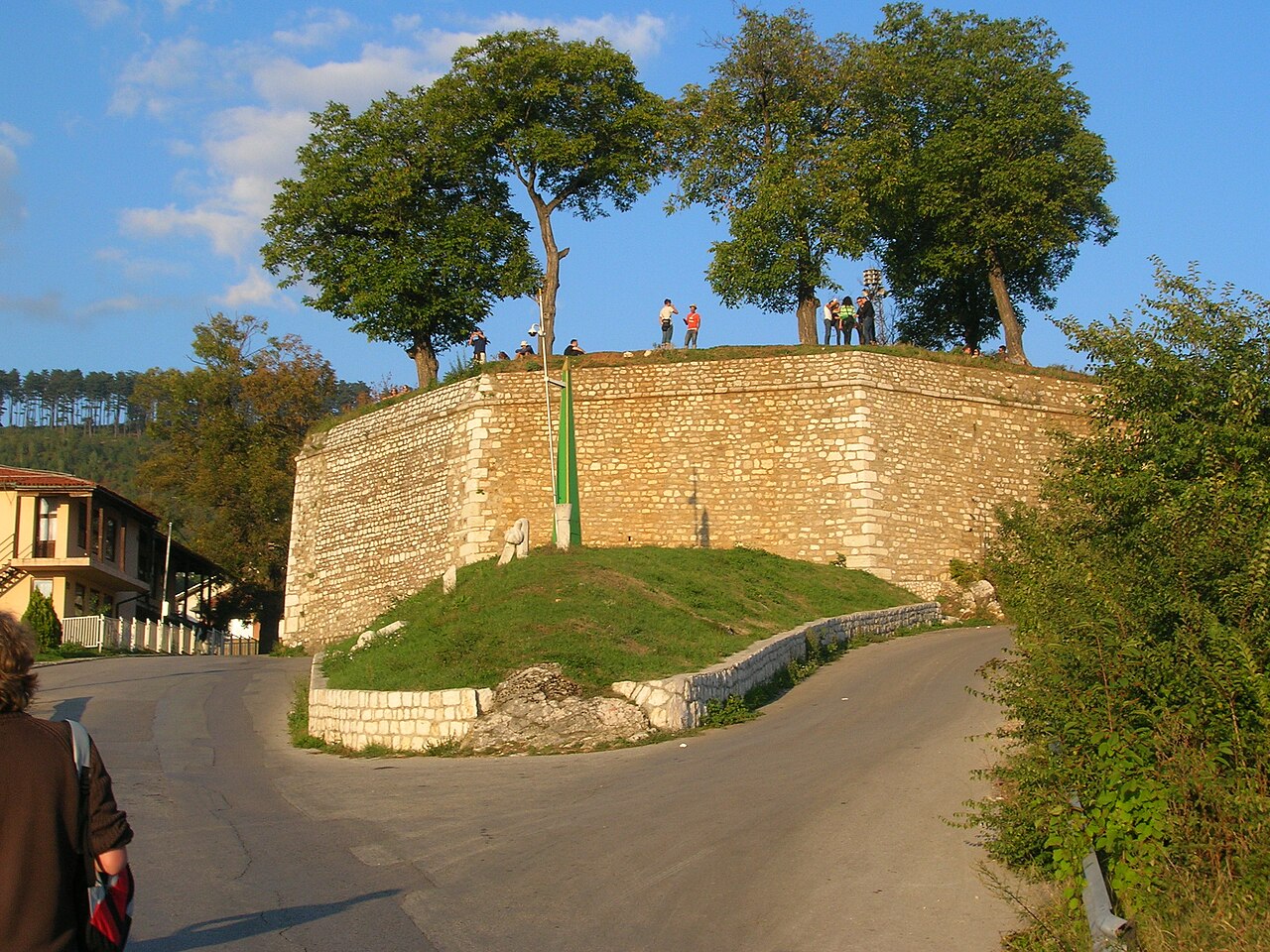
Photo by Damien Smith from London, United Kingdom • CC BY-SA 2.0
Renovations and current condition
The fortress has undergone several phases of damage and restoration throughout its history. The most recent significant renovation was completed in 1998, aimed at preserving the structure and making it accessible to visitors. Today, Žuta Tabija stands as a well-preserved bastioned fortress and an important cultural monument in Sarajevo.
The site offers panoramic views over the city and the surrounding landscape, making it a popular destination for tourists and history enthusiasts interested in military architecture and the history of Bosnia and Herzegovina.
Visiting Žuta Tabija
Visitors to Žuta Tabija can explore the fortress's ramparts, bastions, and cannon placements. The site provides insight into the military strategies employed in the 18th century and the post-Renaissance period in the Balkans. Informational plaques and guided tours often highlight the fortress's role in regional conflicts and its architectural features.
The fortress's location within the historic Vratnik area also allows visitors to experience the broader context of Sarajevo's fortified past and urban development.
Frequently asked questions (FAQ)
- What is Žuta Tabija and where is it located?
- Žuta Tabija, also known as the Yellow Fortress, is a bastioned fortress located at the entrance of the Walled City of Vratnik in Sarajevo, Bosnia and Herzegovina.
- When was Žuta Tabija built?
- Žuta Tabija was constructed between 1727 and 1739 during the post-Renaissance period.
- What was the military role of Žuta Tabija?
- The fortress served as a key defensive position protecting Sarajevo, especially during the Austro-Hungarian invasion in 1878.
- Is Žuta Tabija open to visitors today?
- Yes, Žuta Tabija is well-preserved and accessible to visitors, offering panoramic views and historical insights.
- Has Žuta Tabija undergone renovations?
- The fortress has been damaged and rebuilt several times, with the most recent renovation completed in 1998 to preserve its structure.
Photo gallery

Information
Loading map...
Visitor reviews
No reviews yet. Be the first to share your experience!