
Tynnelsö Castle
Tynnelsö Castle is a historic fortress located on Tynnelsö island in Lake Mälaren, near the town of Strängnäs, Sweden. This hill castle has origins dating back to the High Medieval period, with its estate first documented in 1282. The castle's strategic position on the island allowed it to serve as a significant ecclesiastical and royal stronghold for centuries.
The medieval origins and ecclesiastical ownership
The estate of Tynnelsö was initially under the control of the Diocese of Strängnäs from 1306. During the 1490s, Bishop Kort Rogge commissioned the construction of the first stone castle on the site. The original first floor of this medieval structure remains intact within the current castle, preserving a tangible link to its ecclesiastical roots. This early castle was primarily built as a fortified residence for the bishops, reflecting the common practice of the church securing its territorial and political influence through such fortifications.
Transition to royal ownership and architectural transformation
In 1522, the castle was acquired by Gustav Vasa, marking its transition from ecclesiastical to royal possession. It remained part of the royal estates until 1636, after which it was returned to the crown during the Great Reduction of 1681. The castle's current square-shaped form was established during the 1590s, reflecting the architectural trends of the late Renaissance period in Sweden. This transformation included the construction of robust walls and the reorganization of the castle's internal layout to suit both defensive needs and residential comfort.
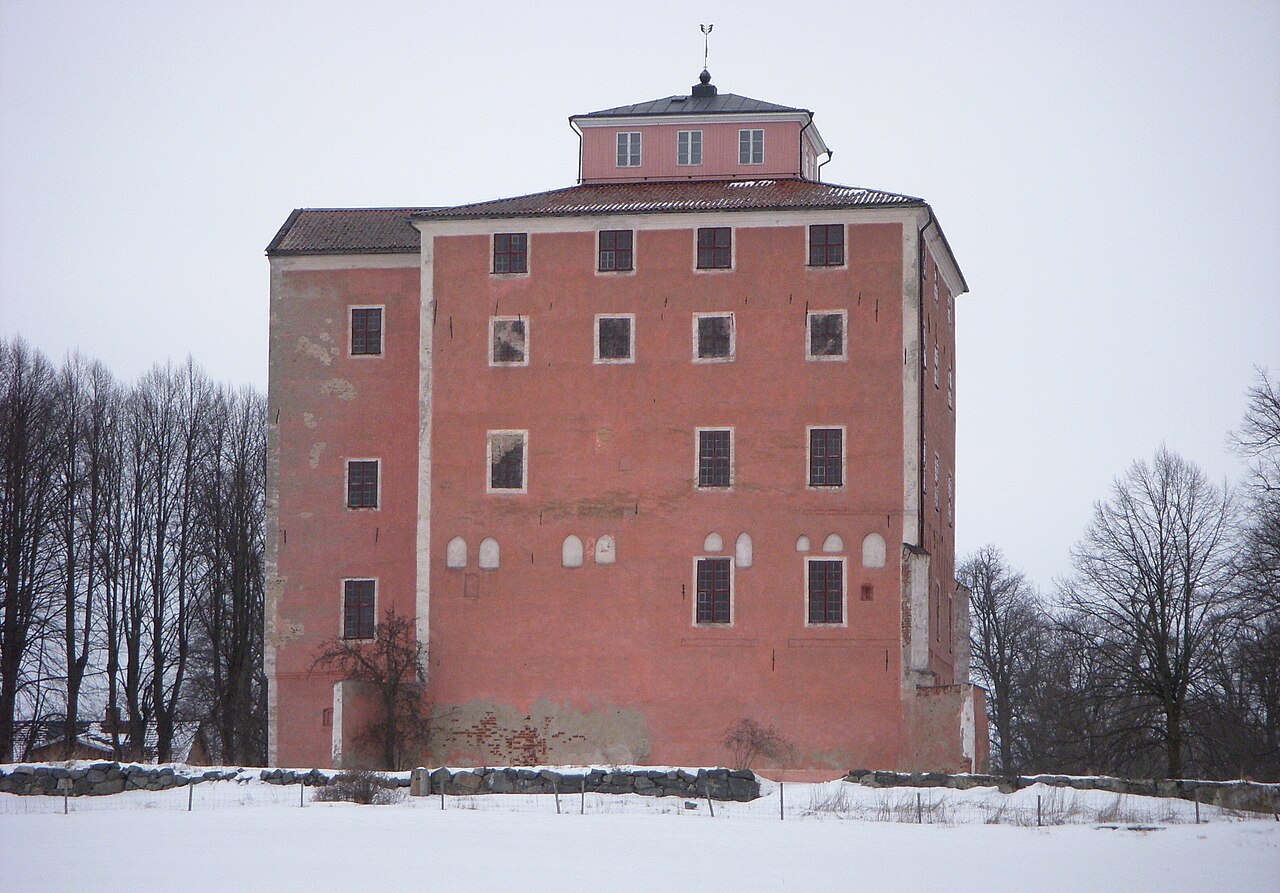
Photo by Holger.Ellgaard • CC BY-SA 3.0
Decline and restoration efforts
Following its period of active use, Tynnelsö Castle was abandoned in the 18th century and subsequently fell into a state of decay. Its deterioration over time mirrored the fate of many Swedish castles that lost strategic importance. A significant restoration took place between 1826 and 1827, aimed at preserving the remaining structures and preventing further ruin. Despite these efforts, the castle today remains closed to the public as it awaits future restoration work to stabilize and conserve the historic fabric.
Architectural features and surrounding landscape
The castle's architecture is characterized by its square plan and the integration of medieval stonework with later Renaissance modifications. The surviving first floor of the original stone castle provides insight into the medieval construction techniques used by the bishops. The castle is surrounded by a garden notable for its numerous lime trees and includes a villa built in 1876, which adds to the site's historical layers. The location on an island in Lake Mälaren enhances the castle's defensive position and scenic value.
Historical significance and cultural heritage
Tynnelsö Castle represents a significant example of Swedish medieval and Renaissance architecture, illustrating the evolution from ecclesiastical fortifications to royal residences. Its association with prominent historical figures such as Bishop Kort Rogge and King Gustav Vasa underscores its importance in Swedish history. The castle's enduring presence on Lake Mälaren continues to attract interest for its architectural heritage and its role in the region's medieval political landscape.
Visiting information
Currently, Tynnelsö Castle is closed to visitors due to ongoing plans for restoration. The surrounding gardens and the villa from the late 19th century can be appreciated from outside. Prospective visitors should check for updates regarding reopening and restoration progress to plan visits accordingly.
Frequently asked questions (FAQ)
- What is the historical significance of Tynnelsö Castle?
- Tynnelsö Castle, located in Strängnäs, Sweden, dates back to the late 16th century and has played a crucial role in Swedish history. It was originally built as a defensive structure and later became a royal residence, reflecting the architectural styles and political dynamics of the time.
- When was Tynnelsö Castle built?
- Tynnelsö Castle was constructed between 1590 and 1600, commissioned by King Charles IX of Sweden. It showcases the Renaissance architectural style and has undergone various renovations over the centuries, preserving its historical essence.
- What are the opening hours for Tynnelsö Castle?
- Tynnelsö Castle is open to visitors from May to September, typically from 10:00 AM to 5:00 PM daily. It's advisable to check the castle's official website for any seasonal changes or special events that may affect visiting hours.
- Can I access Tynnelsö Castle with public transport?
- Yes, Tynnelsö Castle is accessible via public transport from central Strängnäs. Buses run regularly to the area, making it easy for visitors to reach the castle without needing a car.
- What is the best time to visit Tynnelsö Castle?
- The best time to visit Tynnelsö Castle is during the summer months when the weather is pleasant and the gardens are in full bloom. Additionally, many guided tours and events are held during this period, enhancing the visitor experience.
- Is it possible to take guided tours at Tynnelsö Castle?
- Yes, guided tours of Tynnelsö Castle are available, providing visitors with in-depth knowledge about its history, architecture, and the surrounding area. These tours are typically offered during peak visiting season and can be booked in advance.
- What are the ticket prices for visiting Tynnelsö Castle?
- Ticket prices for Tynnelsö Castle are generally affordable, with discounts available for students and seniors. Children under a certain age may enter free, making it an accessible destination for families.
- Are there any nearby attractions to visit after exploring Tynnelsö Castle?
- Yes, after visiting Tynnelsö Castle, you can explore the charming town of Strängnäs, which features picturesque streets, local shops, and the beautiful Strängnäs Cathedral. Additionally, the scenic Mälaren lake offers opportunities for outdoor activities and relaxation.
Photo gallery

Information
Loading map...
Visitor reviews
No reviews yet. Be the first to share your experience!