Sulov Castle Ruins
Sulov Castle is a historic fortress located near Bytča, Slovakia, dating back to the 15th century. Constructed in the late medieval period, it served primarily as a small defensive stronghold designed to oversee and protect nearby roads. Despite its modest size, the castle played an important role in regional security and control of local transportation routes.
Historical background and strategic importance
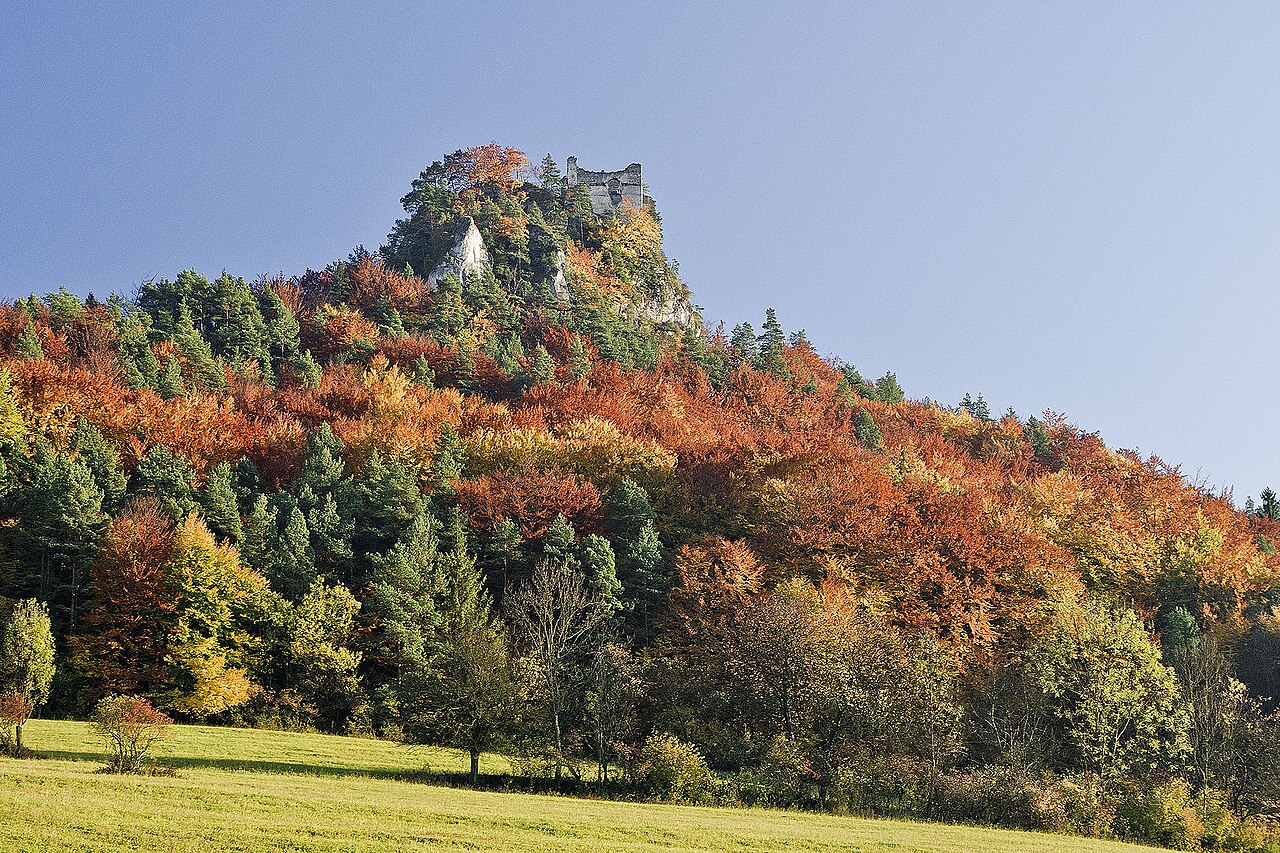
The castle was built in the first third of the 15th century, a time marked by frequent conflicts and shifting power dynamics in the region. Its location was chosen for its vantage point, enabling surveillance over vital trade and military roads. This strategic positioning reflects the castle's primary function as a watchpoint rather than a large residential or administrative center.
Historical records indicate that the castle complex originally consisted of two parts: the upper castle and the lower castle. This division was typical of medieval fortifications, allowing layered defense and accommodation of various functions within the castle precinct.
Architectural features and construction
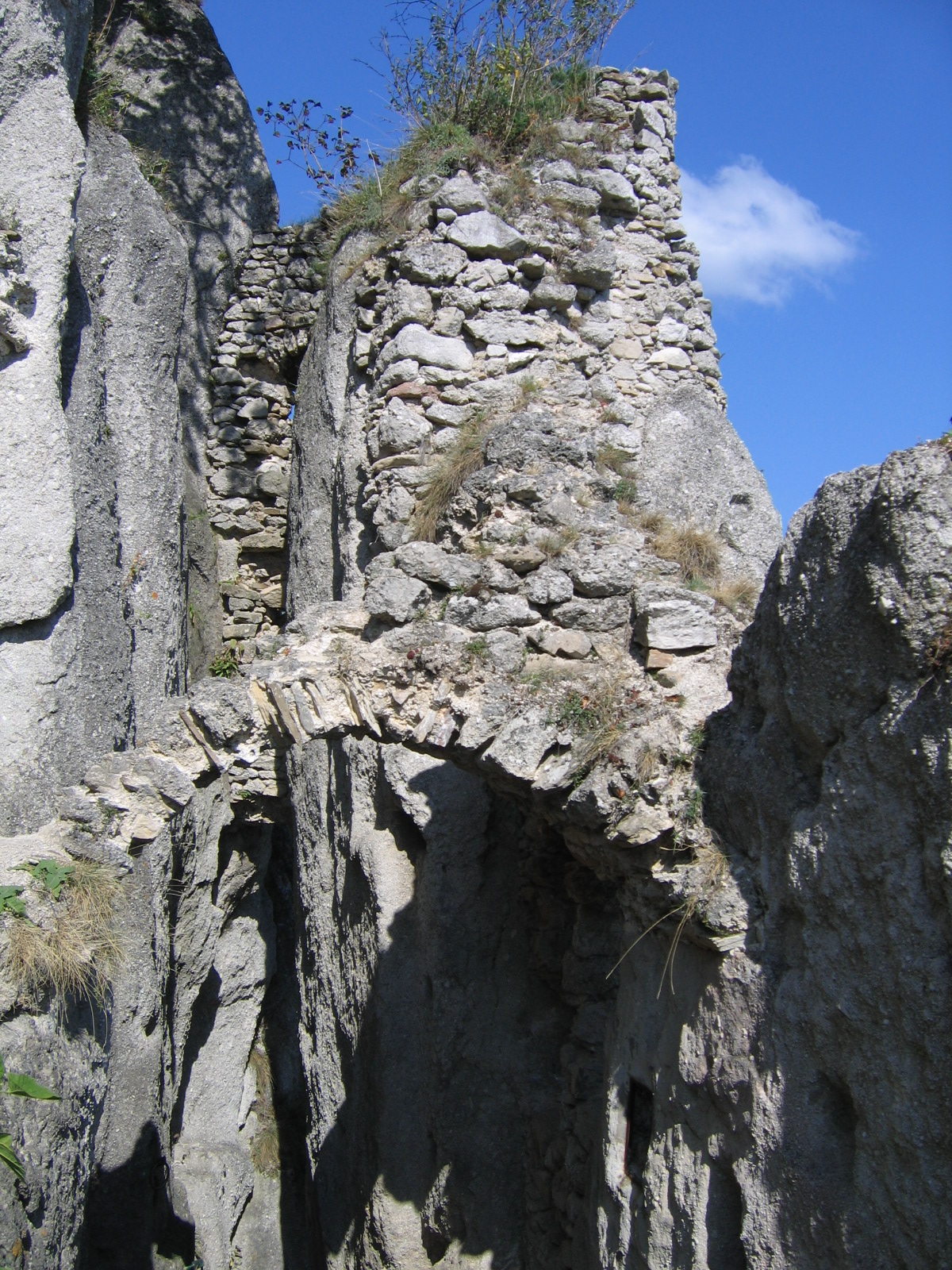
The castle was relatively small in scale, constructed with typical late medieval defensive features. It included fortified walls, battlements, and a gatehouse designed to control access. The compact design focused on functionality, with limited residential quarters and defensive towers. The castle's architecture reflects the practical needs of a roadside fortress rather than the grandeur of larger castles built for nobility.
In the aftermath of a fire around 1550, Sulov Castle was rebuilt to its original shape and size, indicating the continued importance of the site during the mid-16th century. The reconstruction preserved the castle's defensive character and small footprint.
Later history and decline
By 1730, Sulov Castle had transitioned to serve as a military garrison, highlighting its ongoing strategic use. However, the castle's fortunes declined after it suffered heavy damage during a significant earthquake in 1763. The seismic event critically weakened the structure, accelerating its deterioration and eventual abandonment.
Following the earthquake, the castle fell into ruin and was no longer maintained as a military or residential site. Today, the remains of Sulov Castle stand as partially preserved ruins, offering insight into the region's medieval defensive architecture and history.
Archaeological significance
Archaeological investigations in the nearby village of Sulov have uncovered fortified formations dating back to the 12th and 13th centuries. These findings suggest that the area held strategic importance well before the construction of the current castle in the 15th century. The earlier fortifications likely influenced the choice of site for Sulov Castle.
The ruins provide valuable information on the evolution of medieval fortifications in Slovakia and the broader Central European context. They contribute to understanding the military and social history of the region during the late medieval period.
Visiting Sulov Castle ruins
Today, visitors to Sulov Castle can explore the remains of the fortress and appreciate its historical context within the scenic landscape of northern Slovakia. The ruins are accessible and offer a glimpse into the defensive architecture typical of small late medieval castles. The site is a point of interest for those studying medieval military architecture and Slovak history.
While the castle is in ruins, efforts to preserve its remains allow for educational and cultural engagement. Visitors are encouraged to respect the site and its historical significance while enjoying the natural surroundings.
Frequently asked questions (FAQ)
- How do I get to Sulov Castle Ruins?
- Sulov Castle Ruins is located near Bytča, Slovakia, and can be accessed by car or public transport. The nearest bus stop is in the village of Sulov, from which you can take a short hike to reach the castle.
- What is the historical significance of Sulov Castle?
- Sulov Castle dates back to the 13th century and played a crucial role in the region's defense against invasions. It was a strategic fortress that witnessed many historical events, including conflicts between noble families and foreign armies.
- When was Sulov Castle built?
- Construction of Sulov Castle began in the early 13th century, with its first mentioned records dating to 1300. It was expanded and modified over the centuries, reflecting various architectural styles.
- Can I explore the castle ruins?
- Yes, visitors are welcome to explore the ruins of Sulov Castle. While some areas may be restricted for safety, the site offers a unique opportunity to walk through the remnants of its ancient walls and enjoy panoramic views of the surrounding landscape.
- Why is Sulov Castle a popular tourist destination?
- Sulov Castle is popular for its rich history, stunning views, and picturesque hiking routes in the surrounding area. The combination of natural beauty and historical intrigue makes it an appealing destination for both history buffs and outdoor enthusiasts.
- Is it possible to visit year-round?
- Yes, Sulov Castle Ruins can be visited year-round, although the best time is during spring and autumn when the weather is mild and the scenery is vibrant. Winter visits may be more challenging due to snow and ice, while summer can be hot but is also bustling with tourists.
- What are the ticket prices for visiting Sulov Castle?
- Visiting Sulov Castle Ruins is free of charge, allowing everyone to enjoy its historical significance without an admission fee. However, donations to help maintain the site are appreciated.
- What are the opening hours of Sulov Castle?
- Sulov Castle Ruins does not have specific opening hours as it is an open-air site. Visitors can explore the ruins at any time, but it is advisable to visit during daylight hours for safety and to fully appreciate the views.
- Are there any nearby attractions to visit?
- Yes, nearby attractions include the picturesque village of Sulov and the surrounding Sulov Hills, which offer excellent hiking trails. Additionally, the town of Bytča is home to historical buildings and cultural sites worth exploring.
Information
Loading map...
Visitor reviews
No reviews yet. Been here? Write the first review and help other travelers!
Write the first reviewVisited this castle? Share your experience
Your review helps other travelers and adds first-hand knowledge to our encyclopedia.