Singer Castle

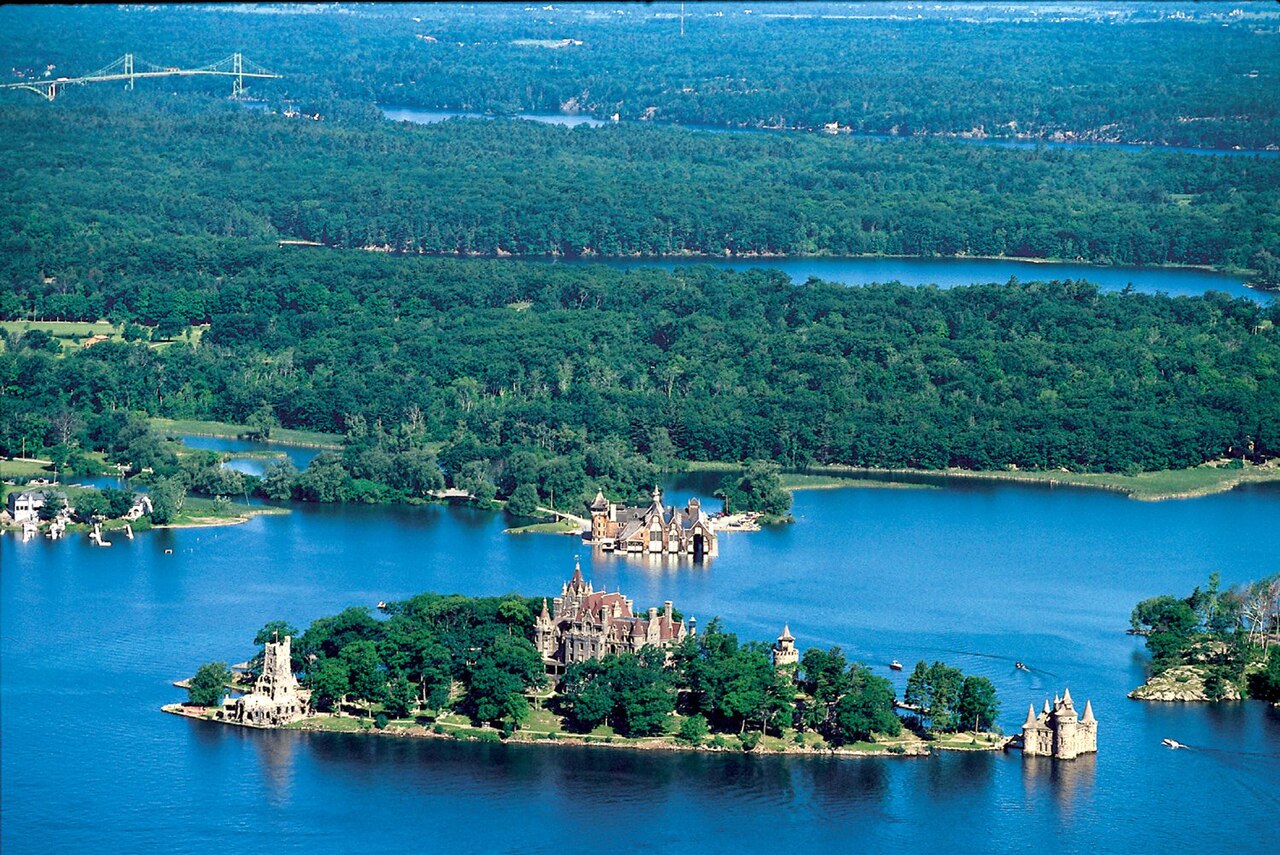
Singer Castle on Dark Island in the Thousand Islands
Post-Renaissance (17th–18th c.)
Well Preserved

Singer Castle, located on Dark Island in the scenic Thousand Islands region of the United States, stands as a remarkable example of early 20th-century castle architecture in North America. Though often overshadowed by the more famous Boldt Castle, Singer Castle offers visitors a unique glimpse into a world of architectural ingenuity and historical intrigue. Its remote location requires a boat journey, adding to the allure and mystique of this hidden gem.

The island itself earned its name from early navigators who noted its dark granite peak covered in towering pine trees, creating a striking natural silhouette against the skyline. This dramatic setting provided the perfect backdrop for a castle that was both a private retreat and a showcase of architectural creativity. The castle was constructed between 1902 and 1904 for Commodore Frederick Gilbert Bourne, the fourth president of the Singer Sewing Machine Company. Bourne envisioned a residence that combined luxury with elements of medieval fortification and mystery.

Architectural design and influences

The castle was designed by Ernest Flagg, a prominent architect renowned for his work on iconic New York City landmarks such as the Singer Building and the Chrysler Building. Flagg's design for Singer Castle was heavily inspired by the romanticized medieval castles described in literature, particularly Sir Walter Scott's novel Woodstock. This influence is evident in the castle's incorporation of secret passageways, hidden corridors, and escape routes reminiscent of a fortified hunting lodge used by royalty.

The castle's exterior features granite walls that blend harmoniously with the natural rock formations of the island, lending it a rugged yet elegant appearance. The structure includes towers and battlements that evoke a medieval fortress while serving practical purposes such as panoramic views and defense. The interior boasts a complex network of rooms and concealed spaces, designed to intrigue and protect its inhabitants.

Historical context and significance

Built during the post-Victorian era, Singer Castle reflects the era's fascination with medieval revival architecture and the desire among America's wealthy elite to emulate European aristocratic lifestyles. Commodore Bourne's commission of such a castle illustrates the intersection of industrial wealth and romantic historicism prevalent in the early 1900s. The castle was intended not only as a summer home but also as a symbol of status and personal taste.

Throughout its history, Singer Castle has remained a private residence with limited public access, contributing to its aura of exclusivity and mystery. Its preservation offers valuable insights into the lifestyle and architectural preferences of America's Gilded Age elite. The castle's secret passages and unique design elements continue to fascinate historians, architects, and visitors alike.

Visitor experience and access

Access to Singer Castle is exclusively by boat, with visitors departing from various points in the Thousand Islands region. The journey to Dark Island passes by numerous private islands adorned with impressive homes, but none rival the grandeur of Singer Castle. Upon arrival, guests can explore the castle's historic rooms, hidden corridors, and the surrounding natural landscape that inspired its construction.

The castle offers a rare opportunity to experience a blend of architectural grandeur and natural beauty in a relatively secluded setting. Visitors are encouraged to appreciate the craftsmanship of Ernest Flagg and the vision of Frederick Bourne that brought this unique castle to life.

Architectural features and layout

Towers and battlements

The castle's towers provide commanding views of the surrounding waterways and forests, serving both aesthetic and strategic functions. The battlements reinforce the castle's medieval character while offering vantage points for observation.

Secret passages and hidden corridors

One of the most captivating aspects of Singer Castle is its network of secret passages and hidden corridors. These features were inspired by literary descriptions and designed to provide privacy and security. Visitors can explore these mysterious routes, gaining insight into the castle's unique design philosophy.

Interior rooms and chambers

The interior includes a variety of living quarters, reception halls, and service areas, all arranged to maximize comfort while maintaining the castle's historic ambiance. The use of natural materials and period-appropriate furnishings enhances the authentic experience.

Preservation and current status

Singer Castle remains a well-preserved example of early 20th-century castle architecture in the United States. Its maintenance and conservation efforts ensure that future generations can continue to appreciate its historical and architectural significance. The castle is managed to balance public interest with preservation needs, retaining its unique character and charm.

Overall, Singer Castle stands as a testament to the creative vision of its architect and patron, offering a fascinating destination for those interested in architecture, history, and the cultural heritage of the Thousand Islands region.

Frequently asked questions (FAQ)

How do I get to Singer Castle?
Singer Castle is located on Dark Island in Chippewa Bay, accessible by boat. Visitors can take a guided tour boat from various launch points in the Thousand Islands region, which provides a scenic journey to the castle.
What is the historical significance of Singer Castle?
Singer Castle was built in the early 20th century as a private residence for the Singer sewing machine family. It is a prime example of the Gilded Age architecture and reflects the opulence and lifestyle of its era.
When was Singer Castle built?
Construction of Singer Castle began in 1902 and was completed in 1904. It was designed by architect Ernest Flagg and showcases a unique blend of architectural styles.
Can I take a guided tour of Singer Castle?
Yes, guided tours are available and provide visitors with in-depth information about the castle's history, architecture, and the lives of its original inhabitants. Tours are typically conducted during the warmer months, from late spring to early fall.
Why is Singer Castle a popular destination for visitors?
Singer Castle is popular due to its stunning architecture, rich history, and beautiful island setting. Visitors are captivated by its unique features, including secret passageways and impressive views of the St. Lawrence River.
Is it possible to rent the castle for private events?
Yes, Singer Castle offers rental options for private events such as weddings and corporate gatherings. The picturesque setting and historic ambiance make it a memorable venue for special occasions.
What are the opening hours for Singer Castle?
Singer Castle typically opens for tours from late May through early October, with specific hours varying by day. It is advisable to check the official website for the most current information on hours and availability.
What are the ticket prices for visiting Singer Castle?
Tickets for guided tours of Singer Castle are reasonably priced and vary based on age and group size. Discounts may be available for families, seniors, and groups, so checking the official website for current rates is recommended.
What is the best time to visit Singer Castle?
The best time to visit Singer Castle is during the summer months when the weather is pleasant, and the tours are in full swing. Visiting in late spring or early fall can also be enjoyable, with fewer crowds and beautiful foliage.
Are there any nearby attractions to explore after visiting Singer Castle?
Yes, the Thousand Islands region is rich with attractions, including other historic sites, nature trails, and waterfront activities. Nearby options include Boldt Castle and the Thousand Islands Museum, making for a full day of exploration.

Information

Water Castle

Sources & official resources

Verify the information above using these authoritative references.

Loading map...

Visitor reviews

No reviews yet. Been here? Write the first review and help other travelers!

Write the first review

Visited this castle? Share your experience

Your review helps other travelers and adds first-hand knowledge to our encyclopedia.

Write a review

(5/5)

0/2000 characters

Your review will be visible after admin approval

Nearby castles

4.5 km

Singer Castle

Chippewa Bay, United States of America

Singer Castle, located on Dark Island in the St. Lawrence Seaway, is a remarkable historic structure that has captivated visitors for over a century. Built as a private "hunting lodge" for Commodore Frederick Gilbert Bourne, the castle stands as a testament to early 20th-century opulence and architectural intrigue. This majestic castle, now more than 100 years old, offers a unique glimpse into the lavish lifestyle and innovative design of its era. Visitors to Singer Castle are drawn not only by its stunning location but also by its intricate architecture and the mystery of its many secret passages. The castle is accessible exclusively by boat, including shuttle services, private boats, and organized tours, adding to its allure and exclusivity. Situated in the scenic 1000 Islands region, the castle provides breathtaking views of the Canadian sunset and American sunrise, making it a favored destination for tourists from around the world. Architectural features and design Singer Castle is a four-story structure featuring a rich blend of architectural elements characteristic of early 20th-century American castles. The castle's design incorporates numerous secret passages and hidden doors, which were intended to intrigue and entertain guests. These passages connect various parts of the castle and add an element of mystery and adventure to the visitor experience. The interior boasts original furnishings and artifacts that have been carefully preserved, providing an authentic window into the castle's past. Visitors ascend approximately 80 steps from the Great Hall to explore the upper floors, which house the majority of the castle's historic rooms and secret corridors. The great hall and living quarters The Great Hall serves as the castle's central gathering space and is notable for its impressive scale and detailed craftsmanship. Surrounding this hall are the living quarters, including the exquisite Royal Suite, which offers modern amenities such as a private bath, luxury furnishings, and designer carpeting. This suite provides guests with an opportunity to experience the castle's grandeur firsthand, complete with panoramic views of the surrounding waterways. Historical context and significance Constructed in the early 20th century, Singer Castle reflects the ambitions and tastes of Commodore Frederick Gilbert Bourne, who was the president of the Singer Sewing Machine Company. The castle was intended as a private retreat and hunting lodge, showcasing Bourne's wealth and status. Its location on Dark Island was chosen for its seclusion and natural beauty, making it an ideal getaway. Over the years, the castle has become a cultural landmark within the 1000 Islands region, attracting visitors interested in history, architecture, and the unique stories embedded within its walls. The castle's preservation allows guests to step back in time and explore the lifestyle of America's industrial elite during the early 1900s. Visitor experience and tours Today, Singer Castle is open to the public for guided tours that last approximately 45 minutes. Knowledgeable and enthusiastic guides share the castle's history, architectural details, and the lore surrounding its secret passages. These tours provide insight into the castle's construction, its original owner, and the various features that make it a fascinating destination. Visitors are encouraged to wear comfortable walking shoes due to the castle's multiple levels and staircases. The castle attracts tourists from across the United States, Europe, and beyond, all eager to experience its unique blend of mystery, history, and natural beauty. Accommodations and special experiences For those wishing to extend their visit, the castle offers accommodations in the Royal Suite. This luxurious lodging option includes a private modern bath, upscale furnishings, and exclusive views of the surrounding landscape. Guests who stay overnight receive a private tour and catered meals, enhancing their immersive experience of castle life. Location and access Singer Castle is situated at 1136 County Route 6, Chippewa Bay, New York, within the 1000 Islands area. Access to the castle is exclusively by water, emphasizing its unique island setting. Visitors can reach the castle via shuttle boats, private vessels, or organized boat tours, each offering scenic views of the St. Lawrence Seaway and the surrounding natural environment. Preservation and current status The castle is well preserved, maintaining much of its original character and charm. The ongoing efforts to preserve its architectural integrity and historic furnishings ensure that future generations can continue to enjoy and learn from this extraordinary site. Its status as a popular tourist attraction underscores its cultural and historical importance in the region. Frequently asked questions How do I get to Singer Castle? Visitors can access Singer Castle by boat tours, shuttle boats, or private boats from the mainland, as it is located on Dark Island in the St. Lawrence Seaway. What can I expect on a guided tour? Guided tours last about 45 minutes and include visits to the Great Hall, secret passages, and original furnishings, with detailed historical narratives from experienced guides. Is it possible to stay overnight at the castle? Yes, guests can book the Royal Suite, which offers luxury accommodations, private bath, and exclusive views, along with a private tour and catered meals. When is the best time to visit? The castle is open seasonally, typically during warmer months, to take advantage of the beautiful weather and boat access; check the official website for exact dates and times. Are there any accessibility considerations? Due to the castle's historic nature and multiple staircases, it may not be suitable for visitors with limited mobility. What is the historical significance of Singer Castle? It was built as a private hunting lodge for Commodore Frederick Gilbert Bourne, reflecting early 20th-century wealth and architectural innovation in the 1000 Islands region. Are there any nearby attractions? The 1000 Islands region offers numerous other historic sites, natural parks, and boat tours, making it a rich destination for cultural and outdoor activities. What are the ticket prices and opening hours? Ticket prices and opening hours vary seasonally; visitors should consult the official Singer Castle website for the most current information.

Post-Renaissance (17th–18th c.)
Details
14.8 km

Boldt Castle

New York, United States Minor Outlying Islands

Boldt Castle stands as a magnificent testament to romantic devotion and architectural grandeur in the heart of the Thousand Islands region of New York. Commissioned by the hotel magnate George C. Boldt around 1900, this palatial estate was designed as a lavish summer retreat and a monumental love letter to his wife, Louise Boldt. Situated on Heart Island, the castle is renowned for its imposing six-story structure with 120 rooms, intricate Italian gardens, and unique architectural features that blend elements of European medieval styles with early 20th-century innovations. The vision and construction of boldt castle The inception of Boldt Castle was driven by George Boldt's ambition to create an unparalleled summer residence that reflected both his wealth and deep affection for Louise. The construction engaged over 300 skilled workers including bricklayers, carpenters, and artisans, who labored to realize a dream of architectural splendor. The castle's design incorporated a drawbridge, an Alster Tower—a whimsical structure intended as a children's playhouse—and a dovecote, showcasing a blend of functional and decorative elements. The estate also featured an elaborate network of tunnels and an early electric system, highlighting the technological advancements embraced during the castle's construction. The central Italian gardens added a touch of classical elegance, enhancing the island's natural beauty and providing serene outdoor spaces for leisure and entertainment. Tragedy and the unfinished dream In January 1904, the Boldt family's idyllic summer life was shattered when Louise Boldt died suddenly. Grief-stricken, George Boldt ordered an immediate cessation of all construction activities on the island, instructing the workers to halt their work permanently. The castle, intended as a symbol of their love, was left incomplete, and Boldt never returned to Heart Island. This poignant abandonment left the estate as a silent monument to a love story interrupted by tragedy. Decades of neglect and restoration efforts For over 73 years, Boldt Castle and its surrounding stone structures endured the harsh elements of wind, rain, ice, snow, and the ravages of vandalism. The estate fell into a state of disrepair, its grandeur fading beneath layers of neglect. In 1977, the Thousand Islands Bridge Authority acquired the property and embarked on an ambitious restoration campaign. Utilizing all net income generated from the castle's management, millions of dollars have since been invested in preserving and restoring the island's historic buildings and grounds. Today, visitors can explore much of the castle's first floor and many rooms on the second floor, furnished with period-appropriate pieces that evoke the early 1900s ambiance. While the upper floors remain largely unfinished, they house exhibits showcasing images and artifacts from the Thousand Islands region during the Boldts' era, offering a glimpse into the castle's original vision and the historical context of its construction. Architectural highlights and island features The castle's stone arch triumphal monument at the island's edge, originally designed as an entryway for boats, has been meticulously restored. The drawbridge connecting the island's two sides remains operational, raised and lowered as needed. Two notable auxiliary buildings, the Power House and Alster Tower, are open to the public. The Power House, once housing a generator to supply electricity to the island, now serves as a museum detailing early 20th-century electrical technology and the tools used during the castle's construction. The Alster Tower, with its distinctive sloping walls and uneven ceilings, was intended for guest entertainment and children's play. Nearby, the George C. Boldt Yacht House on Wellesley Island stands as another architectural marvel, available for visitation by a separate fee and accessible via a shuttle boat. This structure is listed on the National Register of Historic Places since 1978, underscoring its historical and cultural significance. Visiting boldt castle today Boldt Castle is accessible by ferry services from Alexandria Bay, Gananoque, Rockport in Ontario, and Ivy Lea, Ontario. Visitors can explore most of the island's land and buildings for an admission fee. Boat owners may dock at Heart Island free of charge. Due to the island's location on the US-Canada border, the presence of a US Customs and Border Protection office requires visitors from Canada to carry proper identification, as visiting the island constitutes entry into the United States. The enduring legacy of boldt castle Boldt Castle's enduring beauty and romantic history continue to captivate visitors, symbolizing both the opulence of the early 20th century and the poignant human story behind its creation. The estate remains a cherished cultural landmark within the Thousand Islands, celebrated for its architectural elegance, historical significance, and the timeless tale of love and loss that it embodies.

Post-Renaissance (17th–18th c.)
Details
14.8 km
Boldt Castle — United States of America castle

Boldt Castle

Alexandria Bay, United States of America

Boldt Castle stands as a remarkable testament to early 20th-century American ambition and romantic dedication, located on Heart Island in the 1000 Islands region of the St. Lawrence River, near Alexandria Bay, New York. Conceived as a grand summer residence by hotel magnate George C. Boldt, the castle was intended to rival the great European castles in scale and beauty, embodying both luxury and architectural grandeur. The project began in 1900 and was designed to be a lavish retreat for Boldt and his wife, Louise Boldt. The castle's design reflects the opulent tastes of the Gilded Age, featuring robust stone masonry, intricate turrets, expansive battlements, and elegant courtyards. It was to include numerous rooms, galleries, and ballrooms, showcasing the finest craftsmanship and materials available at the time. However, the castle's construction was tragically cut short when Mrs. Boldt died suddenly just months before its completion. Distraught, George Boldt halted all work, leaving the castle unfinished and abandoned for over seven decades. The vision and construction of boldt castle George Boldt, a prominent figure in the hospitality industry as the proprietor of the Waldorf-Astoria Hotel in New York City, sought to create a summer home that would be a symbol of his love and success. The castle was planned as a grandiose project, incorporating elements from European castle architecture, including Gothic Revival and Romanesque styles, which were popular among wealthy Americans seeking to evoke the grandeur of the Old World. The construction began in 1900 on Heart Island, strategically positioned in the St. Lawrence River to offer stunning views and privacy. The design included a massive main castle building with multiple towers, a boathouse, and various auxiliary buildings to support the estate's operations. The use of local stone and fine detailing underscored the ambition behind the project. Architectural features and layout Boldt Castle is notable for its impressive stone walls and turrets, which give it a distinctly castle-like appearance. The structure features a large central tower that dominates the skyline, surrounded by smaller towers and battlements that enhance its fortress-like silhouette. The castle's interior was designed to be equally lavish, with plans for richly decorated rooms, expansive ballrooms, and galleries filled with fine art and furnishings. The estate also includes the Boldt Yacht House, an architecturally significant structure designed to house the Boldt family's yachts. This building complements the castle and is a key part of the visitor experience today. The castle's abandonment and restoration Following Louise Boldt's untimely death in 1904, George Boldt ceased all construction immediately, and the castle was left incomplete and unoccupied. For over seventy years, the property remained vacant, exposed to the elements and the ravages of time. This period of abandonment turned Boldt Castle into a romantic ruin, attracting curiosity and speculation. In the 1970s, the Thousand Islands Bridge Authority (TIBA) took over the property and began extensive restoration efforts to preserve and complete the castle as a historical and tourist site. These restorations have been careful to maintain the original architectural intent while making the site accessible and safe for visitors. Boldt castle today: a major tourist attraction Today, Boldt Castle is one of the premier attractions in the 1000 Islands region. Visitors can tour the castle and its grounds, including the boathouse, gardens, and the Yacht House. The castle serves as a romantic and historical landmark, drawing thousands of tourists annually who are captivated by its story and architectural beauty. The castle is accessible by boat tours departing from Alexandria Bay and nearby locations, making it a popular destination for families, couples, and history enthusiasts alike. Its location in the scenic 1000 Islands adds to its appeal, offering visitors stunning views of the St. Lawrence River and the surrounding natural beauty. Visitor experience and amenities The site offers guided tours that provide insights into the castle's history, architecture, and the Boldt family's legacy. The castle grounds include picnic areas, gift shops, and event spaces, making it a versatile destination for a range of visitors. Seasonal events and special programs further enhance the visitor experience. Historical and cultural significance Boldt Castle is not only an architectural marvel but also a poignant symbol of love and loss. Its story resonates with many, adding a deeply human element to the grandeur of its stone walls. The castle's restoration and preservation efforts highlight the importance of maintaining cultural heritage sites and celebrating regional history. The castle is often featured in regional tourism promotions and has become an iconic landmark representing the 1000 Islands area. Its combination of romantic history, architectural splendor, and scenic location make it a unique and cherished destination.

Post-Renaissance (17th–18th c.)
Details