Shea's Castle — United States of America castle

Shea's Castle

Shea's Castle: the private stone residence in Antelope Valley

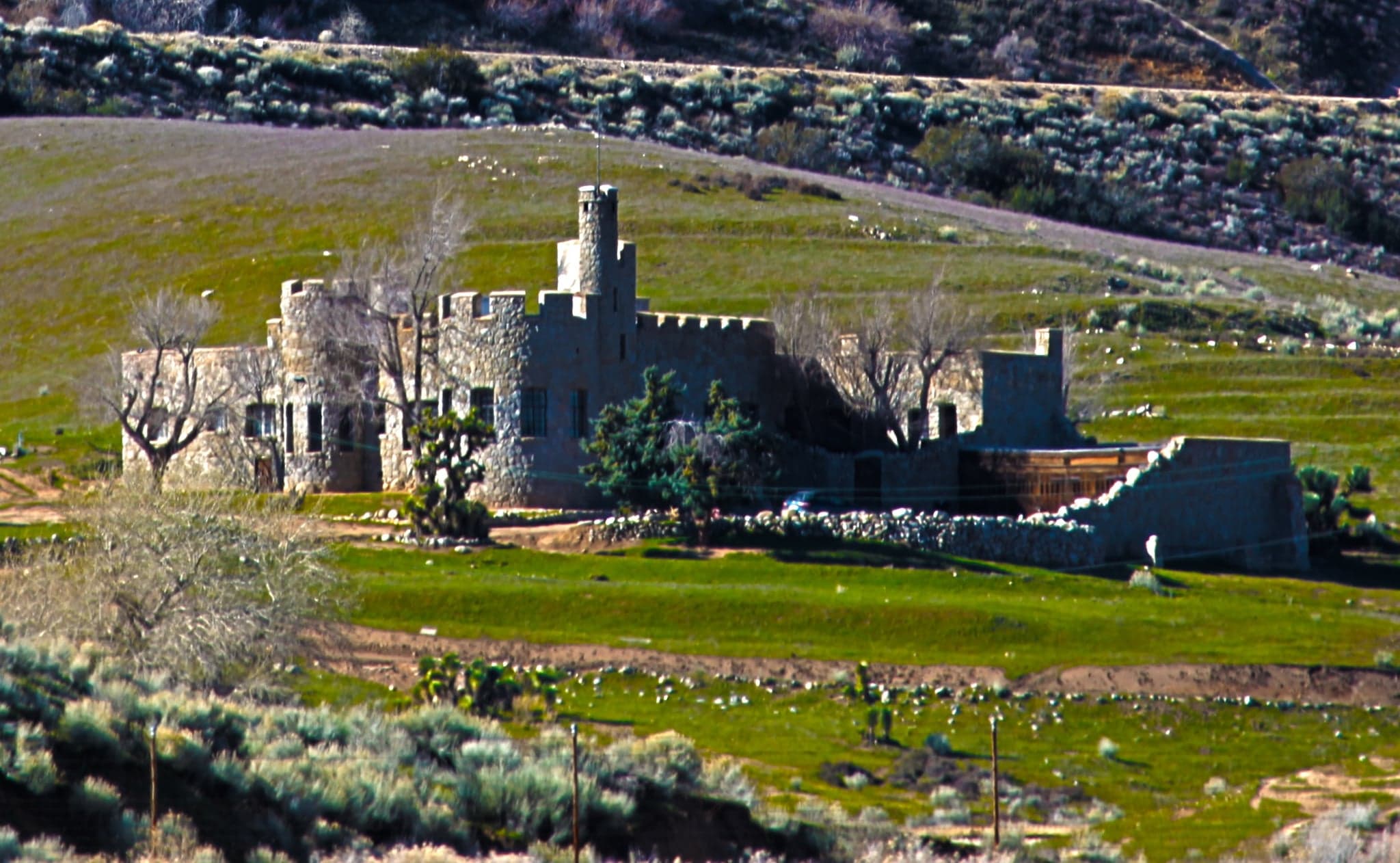
Shea's Castle, also known as the Sky Castle or Castle Ranch, is a distinctive private residence located in the Antelope Valley of California. Built in the 1920s, this unique property was designed to resemble a medieval castle, featuring a striking stone exterior that showcases several characteristic elements of castle architecture such as towers, turrets, and crenellations. Despite its castle-like appearance, Shea's Castle was constructed as a private home rather than a defensive fortress or historical stronghold.

Architectural features and design

The castle-like design of Shea's Castle incorporates traditional medieval motifs that evoke the romanticized image of European castles. The use of stone masonry for the exterior walls gives the structure a robust and timeless quality, while the towers and turrets add vertical emphasis and visual interest to the silhouette of the building. The crenellated parapets along the roofline further enhance the castle aesthetic, mimicking the battlements typically found on defensive fortifications.

Unlike authentic medieval castles, which were built primarily for defense, Shea's Castle was designed for residential comfort and aesthetic appeal. Its layout and interior spaces reflect the needs of a private home, with rooms and amenities suited for modern living in the early 20th century.

Historical context and significance

Constructed during the 1920s, Shea's Castle is an example of the period's fascination with romantic revival architecture and the trend of building castle-inspired homes in the United States. This era saw a number of wealthy individuals commissioning residences that borrowed elements from European architectural traditions, blending them with modern conveniences.

The castle stands as a testament to the eclectic architectural tastes of the early 20th century and reflects the cultural interest in medieval and Gothic motifs that influenced American residential architecture during that time.

Location and current status

Situated in the scenic Antelope Valley, Shea's Castle enjoys a commanding presence in the landscape, visible from surrounding areas. The property remains a private residence and is not open to the public. Visitors are respectfully asked to honor the privacy of the owners and refrain from approaching the estate.

The castle's location in California's high desert region contributes to its unique charm and distinguishes it from traditional castles found in Europe or the eastern United States.

Frequently asked questions (FAQ)

How do I get to Shea's Castle?
Shea's Castle is located in the scenic Valley of American Samoa. Visitors can reach the castle by car or local transport, with ample parking available nearby. It is recommended to check local transport schedules for the most convenient options.
What is the historical significance of Shea's Castle?
Shea's Castle holds great historical importance as it reflects the colonial architecture of the late 19th century in the region. It served as a residence for prominent figures and has witnessed significant events in American Samoa's history. Today, it stands as a testament to the rich cultural heritage of the islands.
When was Shea's Castle built?
Shea's Castle was constructed in 1892, making it over a century old. The castle showcases the architectural styles popular during that era and has undergone several restorations to preserve its historical integrity. Visitors can appreciate its age and the stories it holds from its long history.
Can I take guided tours of Shea's Castle?
Yes, guided tours of Shea's Castle are available for visitors looking to explore its rich history and architecture. Tours typically last about an hour and provide insights into the castle's significance and the stories of its past inhabitants. It's advisable to book in advance to ensure availability.
Why is Shea's Castle an important architectural site?
Shea's Castle is considered an important architectural site due to its unique design that combines traditional Samoan elements with colonial influences. The castle's structure and decor reflect the cultural exchange that took place during the colonial period. This makes it a valuable resource for understanding the architectural evolution in American Samoa.
Is it possible to visit Shea's Castle year-round?
Yes, Shea's Castle is open to visitors throughout the year, but it is advisable to check for any seasonal events or maintenance closures. The castle offers a unique experience in every season, with lush surroundings and different perspectives of the landscape. Always confirm the opening hours before planning your visit.
What are the ticket prices for Shea's Castle?
Ticket prices for Shea's Castle are quite reasonable, with discounts available for children and seniors. General admission allows access to the castle grounds and guided tours, ensuring a comprehensive experience. It's best to check the official website for the latest pricing details and any special promotions.
What is the best time to visit Shea's Castle?
The best time to visit Shea's Castle is during the dry season, which typically runs from May to October. During this period, the weather is more favorable for outdoor exploration and photography. Additionally, visiting during local festivals can enhance your experience with cultural events and activities nearby.
Are there any nearby attractions to see while visiting Shea's Castle?
Yes, there are several nearby attractions that visitors can enjoy after exploring Shea's Castle. The beautiful beaches of American Samoa, scenic hiking trails, and cultural centers are just a short drive away. These locations offer opportunities for relaxation and further immersion in the local culture and natural beauty.

Photo gallery

Shea's Castle
Click to view

Photo by Tim King•CC BY 2.0

1 photo • Click any image to view in full screen

Loading map...

Visitor reviews

No reviews yet. Been here? Write the first review and help other travelers!

Write the first review

Visited this castle? Share your experience

Your review helps other travelers and adds first-hand knowledge to our encyclopedia.

Write a review

(5/5)

0/2000 characters

Your review will be visible after admin approval

Nearby castles

50.5 km

The Pink Castle

La Cañada Flintridge, United States of America

The Pink Castle in La Cañada Flintridge, California, is a distinctive example of early 20th-century American residential architecture that draws heavily on medieval European castle motifs. Built in 1911, this private residence exemplifies the romantic revival style popular among affluent homeowners of the period, combining historicist architectural elements with the comforts of a luxurious home. Its design features an imposing turret and extensive crenellations along the roofline, creating a silhouette that evokes the grandeur of medieval fortifications while serving a purely aesthetic purpose. Architectural features and design elements Situated on an elevated site, The Pink Castle is classified as a hill castle due to its commanding position overlooking the surrounding landscape. The exterior is dominated by crenellated parapets that mimic defensive battlements, a hallmark of medieval castle architecture. The prominent turret adds vertical emphasis and a picturesque profile, contributing to the castle's fairy-tale appearance against the backdrop of the Californian sky. The interior of The Pink Castle retains much of its original early 20th-century character, featuring generously proportioned rooms that showcase the craftsmanship of the era. Noteworthy are the intricate wood carvings and wood-paneled walls, which provide warmth and elegance, reflecting the artisanal skills and attention to detail valued during the castle's construction. These woodwork details enhance the historic ambiance and complement the castle's exterior romanticism. Historical context and cultural significance The Pink Castle was constructed during a period when eclectic revival styles flourished in American residential architecture. Its 1911 construction date places it firmly within the post-Renaissance era of architectural experimentation, where historic European styles were adapted for modern use. This romanticized interpretation of medieval architecture was part of a broader cultural fascination with the past, often used to convey social prestige and individual identity. Although The Pink Castle was never intended as a defensive fortress, its design draws inspiration from medieval fortifications such as castles and keeps. This reflects the American architectural trend of the late 19th and early 20th centuries to incorporate historic motifs into domestic architecture, blending nostalgia with contemporary tastes. The Pink Castle remains a unique landmark within the La Cañada Flintridge community, symbolizing this architectural movement. Location and current status Located at 5455 Castle Knoll Road, La Cañada Flintridge, CA 91011, The Pink Castle occupies a prominent hilltop position that enhances its visibility and grandeur. Despite its castle-like appearance, it serves as a private residence, and public access is restricted to respect the privacy of its owners. The castle has attracted attention through local media coverage and social media platforms, including features in the LA Times and on Facebook. These sources provide glimpses into the castle's architectural charm and historical significance, contributing to its recognition as a cultural landmark in the region. Architectural style and classification The Pink Castle exemplifies a mixed architectural style with strong influences from the romantic revival movement. It incorporates characteristic elements of medieval castle architecture such as turrets, battlements, and crenellated parapets, adapted for residential use rather than military defense. This eclectic blend reflects the early 20th-century American fascination with European historicism, reinterpreted through the lens of domestic architecture. Its classification as a hill castle is due to its elevated location and commanding silhouette, which are typical of traditional castles built for strategic advantage, though in this case, the function is aesthetic rather than defensive.

Post-Renaissance (17th–18th c.)
Details
65.4 km

Rubel Castle

Glendora, United States of America

Rubel Castle, located in the foothills of Glendora, California, stands as an extraordinary example of folk architecture and creative ingenuity. This monumental structure was entirely handcrafted by Michael Rubel and his team, affectionately known as his “pharmhands,” over a period of 26 years. The castle is renowned for its unique construction methods, which incorporate river rock, recycled materials, and an eclectic collection of relics and artifacts that reflect the agricultural and industrial heritage of Glendora. Origins and vision of Michael Rubel Michael Rubel purchased a citrus packing house near Route 66 in Glendora when he was only 18 years old. His dream was to build a real castle, a vision that he pursued with remarkable dedication and creativity. The site, originally part of the region’s flourishing citrus industry, provided a rich source of materials and inspiration. Rubel’s innovative use of both natural and cultural elements makes the castle a significant masterwork within the context of California folk art environments. Architectural features and materials The castle’s stone masonry is a defining characteristic, meticulously handcrafted from river rocks and a wide variety of recycled materials. This includes remnants from the local agricultural and industrial past, such as old bottles, tiles, and metal pieces. The resulting structure is a fascinating blend of rustic charm and artistic expression. Notable features include a clock tower, a dungeon, and a bottle house, each contributing to the castle’s eclectic and whimsical appearance. The citrus packing house and Tin Palace Museum The original citrus packing house on the property has been preserved as part of the castle complex. It serves as a tangible link to Glendora’s agricultural heritage and is complemented by the Tin Palace Museum, which showcases artifacts and memorabilia from the area’s past. These elements enrich the visitor experience, providing historical context alongside the castle’s architectural marvels. Historical and cultural significance Rubel Castle is not only an architectural curiosity but also a valuable cultural resource. It stands as a rare physical reminder of the citrus industry that was instrumental in shaping the development of Glendora in the late 19th and early 20th centuries. The castle attracts visitors from around the world who come to explore its history, learn about its famous visitors, and enjoy the unique atmosphere of the property. Visitor experience and legacy Each year, thousands of guests visit Rubel Castle to tour its extensive grounds and explore its many features. Visitors can wander through the Santa Fe caboose, climb the clock tower, and explore the dungeon. The castle’s eclectic collection of artifacts and architectural elements offers a rich and immersive experience. Rubel Castle continues to inspire as a testament to individual creativity and the preservation of local heritage. Preservation efforts and current status Rubel Castle remains a cherished landmark in Glendora. Ongoing efforts aim to preserve its unique structure and historical artifacts, ensuring that future generations can appreciate this remarkable example of folk art architecture. The castle’s status as a cultural icon highlights the importance of preserving unconventional heritage sites that tell the stories of local communities and their histories.

Details
85.7 km

Lobo Castle

Agoura Hills, United States of America

Lobo Castle is a distinctive castle-like estate located in Agoura Hills, California, nestled within the scenic Santa Monica Mountains. This property uniquely blends luxury residential design with medieval architectural elements, creating an authentic castle ambiance close to Los Angeles. The estate is renowned for its arched windows, extensive use of stone masonry, a prominent , and numerous crenellations that evoke the defensive battlements typical of medieval castles.The castle's setting amidst large oak trees and terraced gardens enhances its historic and picturesque appeal. Unlike traditional castles built for defense or royal residence, Lobo Castle was designed primarily as a luxury estate with castle-inspired aesthetics, making it a unique example of romanticized medieval revival architecture in a modern Californian context.Architectural features and designLobo Castle's architecture is characterized by its medieval-style stonework and castle motifs such as crenellated parapets and a large entrance tower. The use of arched windows adds to the castle's historic feel while allowing natural light to illuminate the interiors. The estate's layout includes terraced gardens that complement the rugged mountainous terrain and provide scenic views of the surrounding landscape.The castle's design does not follow a traditional defensive plan but rather emphasizes aesthetic elements that recall European castles. This includes the prominent tower which serves as a focal point and the stone facade that conveys a sense of permanence and strength.Historical and cultural significanceWhile Lobo Castle is not a medieval fortress, it holds cultural interest as one of the few castle-style homes in the Los Angeles area. It is frequently used for charitable fundraisers, filming, and photoshoots, contributing to the local cultural scene and entertainment industry. The property requires approved county permits for such activities, emphasizing its role as a versatile venue rather than a historic monument.The castle's presence in the Santa Monica Mountains provides a unique juxtaposition of medieval architectural fantasy within a modern American landscape, attracting visitors and event organizers seeking a distinctive setting.Location and accessibilityLobo Castle is situated at 31400 Lobo Canyon Road, Agoura Hills, CA 91301. It is easily accessible from Los Angeles and surrounding communities, making it a convenient destination for events and filming. The castle's location within the Santa Monica Mountains offers both privacy and natural beauty.Visitors and event planners can contact the castle management at 818-203-1048 for inquiries, bookings, and permit information.Current use and preservationCurrently, Lobo Castle functions primarily as a private luxury estate and an event venue. It is well maintained to preserve its castle-like appearance and landscaping. The property is not open for general public tours but is available for special events with appropriate permissions.This contemporary castle exemplifies how castle architecture can inspire modern luxury homes, blending historical motifs with current lifestyle needs.

Details
