San José Castle — Guatemala castle

San José Castle

San josé castle, guatemala city
Guatemala City, Guatemala
Modern (19th–20th c.)

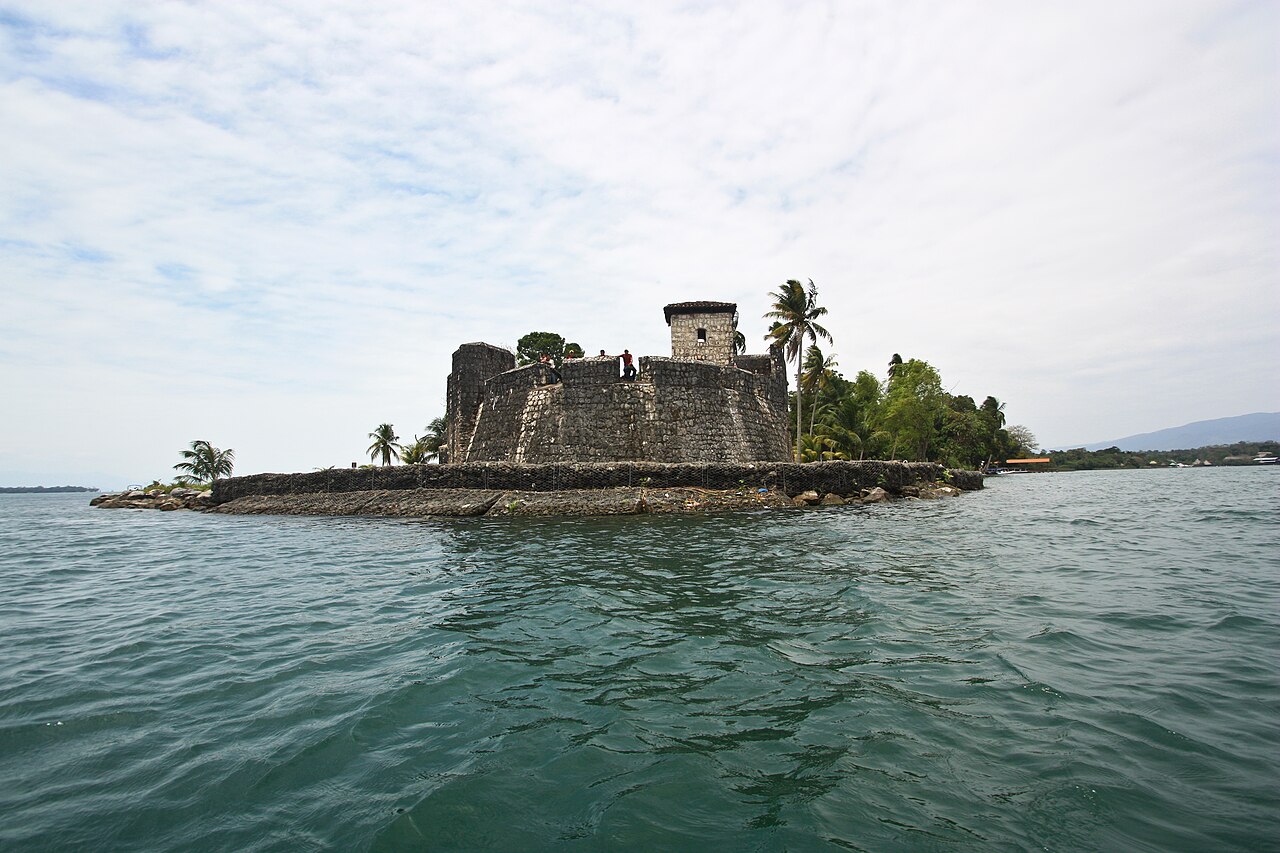
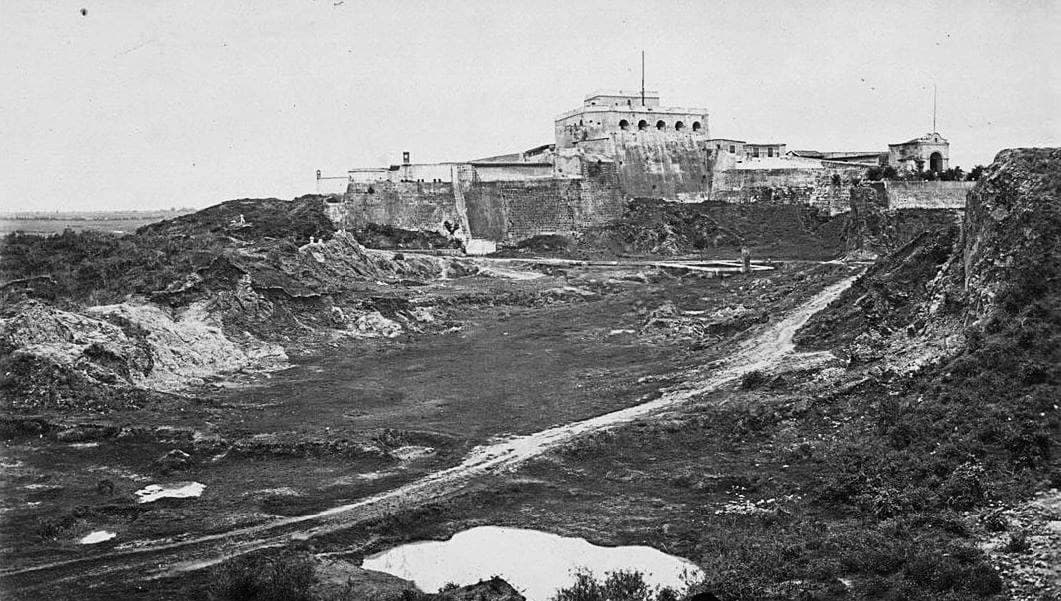
San José Castle, also known as Castillo de San José in Spanish, is a significant 19th-century bastioned fortress located on the historic Buena Vista Hill southeast of Guatemala City. Constructed and inaugurated on 25 May 1846 during the government of General Rafael Carrera, the castle served as a key military installation in Guatemala's post-colonial period.

Historical context and strategic importance

The castle was built during a time when Guatemala was consolidating its national identity and strengthening its defenses following independence from Spain. General Carrera, a prominent conservative leader, commissioned the fortress to protect the capital and maintain order amid regional conflicts and internal unrest. Situated on Buena Vista Hill, the elevated position provided commanding views over the surrounding landscape, enhancing its defensive capabilities.

San José Castle was also known as "Carrera Castle," reflecting the strong association with its founder. The fortress played a role not only as a military stronghold but also as a symbol of governmental authority during a formative era in Guatemalan history.

Architectural features and layout

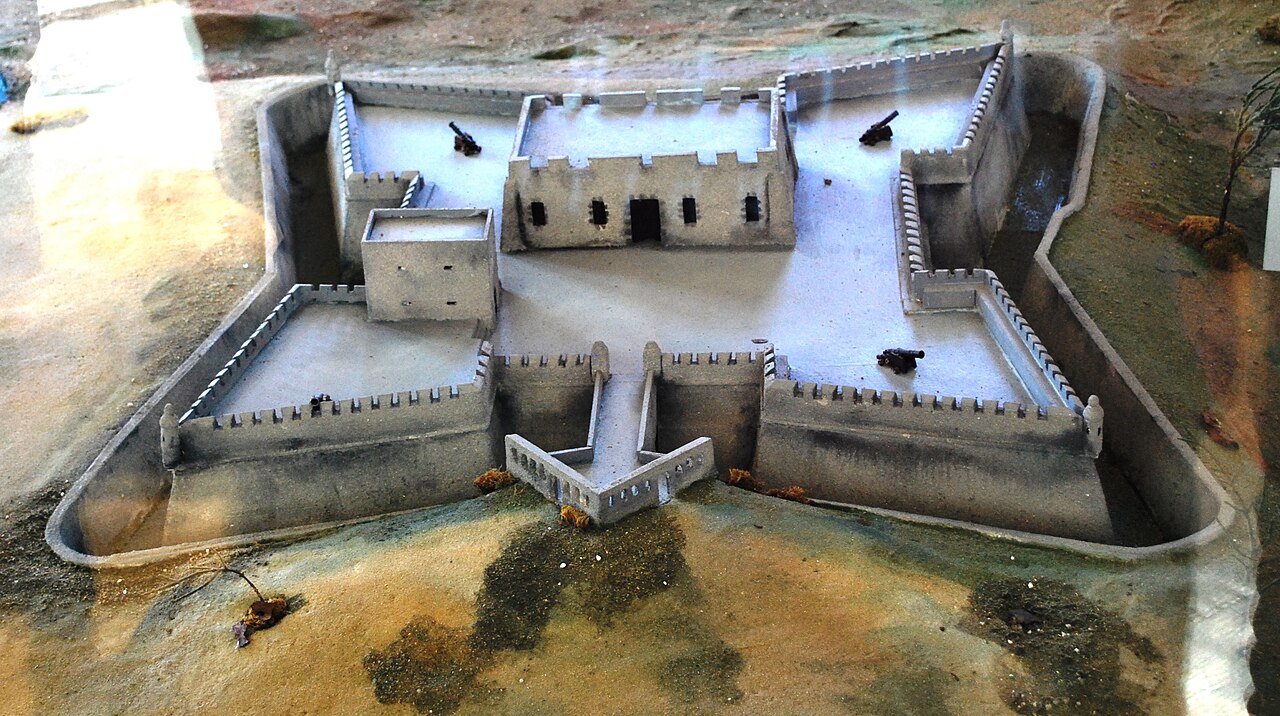
As a bastioned fortress, San José Castle was designed following the principles of modern military architecture of the 19th century. Its layout included angular bastions that allowed defenders to cover adjacent walls with cannon and musket fire, eliminating blind spots and enhancing the fort's defensive perimeter.

The castle complex contained several functional areas essential for military operations. These included a shooting range for soldier training, ammunition warehouses to store gunpowder and munitions safely, stables for horses, dining facilities for troops, and a small artificial pond known as the Soldier's Pond. This pond likely served both practical and morale purposes for the garrison.

The fortress's construction utilized durable materials typical of the period, such as stone masonry and lime mortar, ensuring resilience against attacks and the elements. Although detailed architectural plans have not been widely published, the presence of bastions confirms its adherence to contemporary European military design adapted to local conditions.

Location and subsequent development

San José Castle originally occupied a prominent position on Buena Vista Hill, an area that later underwent significant urban development. The site of the fortress was eventually repurposed to accommodate key civic structures, including a new city hall, the National Theater, and parts of the Bolívar Avenue. This transformation reflects the shifting priorities from military defense to civic and cultural functions as Guatemala City expanded.

Current status and cultural significance

Today, San José Castle is recognized for its historical role in Guatemala's military and political history. While the original fortress no longer stands intact due to urban redevelopment, its legacy remains in the cultural memory of the city and the nation. The castle's association with General Rafael Carrera and its function as a bastioned fortress make it an important subject of study for historians and architects interested in 19th-century Central American fortifications.

Visiting and educational value

Although the physical structure of San José Castle has been largely replaced by modern buildings, the site and its history offer valuable insights into Guatemala's past. Visitors interested in military architecture and Guatemalan history can explore nearby landmarks and museums that provide context about the era in which the castle was operational. The story of San José Castle contributes to understanding the evolution of urban planning and defense strategies in Guatemala City during the 19th century.

Frequently asked questions (FAQ)

What is San José Castle?
San José Castle, located in Guatemala City, is a historical fortress built in the 18th century to protect the city from pirate attacks. It showcases colonial architecture and offers insights into the military history of the region.
When was San José Castle built?
San José Castle was constructed between 1769 and 1773, making it one of the key military structures of the Spanish colonial period in Guatemala. Its strategic location on a hill provided a vantage point over the surrounding areas.
What are the opening hours of San José Castle?
San José Castle is typically open to visitors from 9 AM to 5 PM, Tuesday through Sunday. It is advisable to check for any holiday closures or special events that may affect access.
Can I visit San José Castle with my family?
Absolutely! San José Castle is family-friendly and offers a unique educational experience for visitors of all ages. Children will enjoy exploring the castle grounds and learning about its history.
Is it possible to access San José Castle by public transportation?
Yes, visitors can reach San José Castle via public transportation, including buses and taxis that operate in Guatemala City. It is recommended to check local transport schedules for the best routes.
What is the ticket price for visiting San José Castle?
The entrance fee for San José Castle is quite affordable, generally costing around 20 quetzals for adults and less for children. This small fee grants you access to explore the historic site and its exhibits.
When is the best time to visit San José Castle?
The best time to visit San José Castle is during the dry season, from November to April, when the weather is more pleasant for outdoor exploration. Morning visits can provide a quieter experience before larger crowds arrive.
What nearby attractions can I see while visiting San José Castle?
While visiting San José Castle, you can also explore the nearby Plaza de la Constitución and the Metropolitan Cathedral. These attractions are within walking distance and enhance your understanding of Guatemala City's rich history.

Photo gallery

San José Castle
Click to view

Photo by Eadweard Muybridge•Public domain

1 photo • Click any image to view in full screen

Information

Bastioned Fortress

Loading map...

Visitor reviews

No reviews yet. Been here? Write the first review and help other travelers!

Write the first review

Visited this castle? Share your experience

Your review helps other travelers and adds first-hand knowledge to our encyclopedia.
Write a review

(5/5)

0/2000 characters

Your review will be visible after admin approval

Nearby castles

19.5 km
Castillo de Dorión — Guatemala castle

Castillo de Dorión

, Guatemala

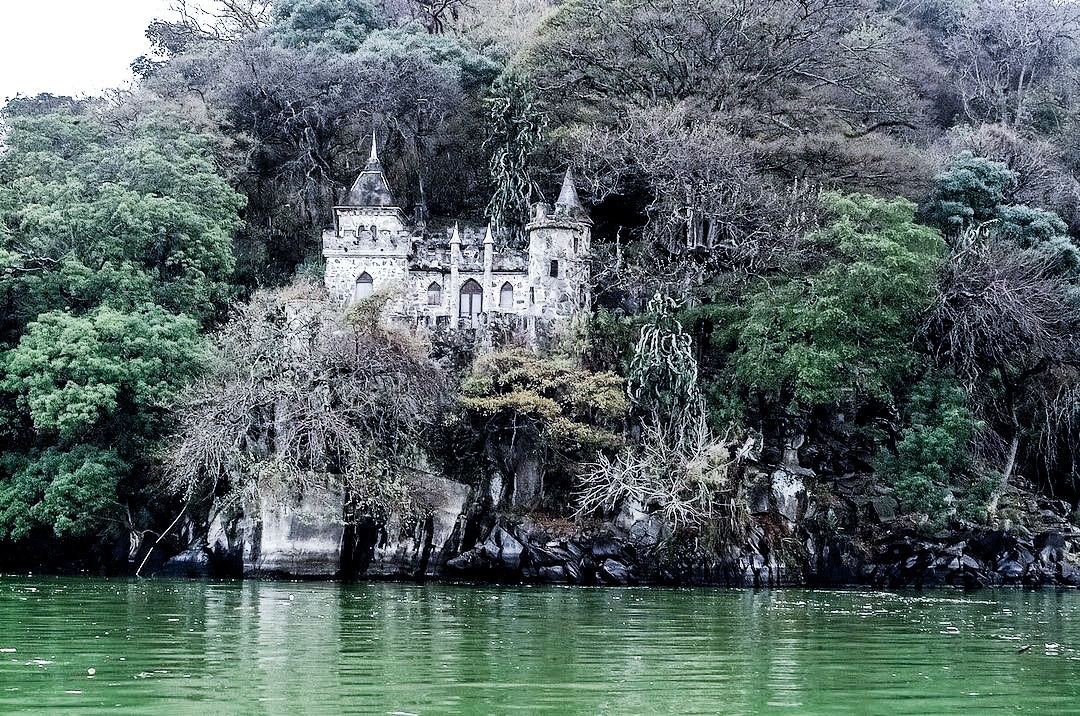
Castillo de Dorión is a distinctive 20th-century hill castle located in Guatemala. Unlike many traditional medieval castles, this structure reflects the architectural trends and cultural influences of the contemporary period. Its construction during the 20th century places it in a unique category among castles, as it was built not for defense but more likely as a residence or a statement piece reflecting historical styles adapted for modern use. Architectural characteristics and style As a hill castle, Castillo de Dorión is situated on elevated terrain, which historically would have provided strategic advantages such as visibility and defense. However, given its contemporary construction, the castle incorporates modern building materials and techniques while drawing inspiration from traditional castle elements. It features characteristic components such as towers, battlements, and that evoke the medieval aesthetic but are executed with modern craftsmanship. The architectural style of Castillo de Dorión is best described as contemporary, with possible influences from historicist movements that revive and reinterpret medieval motifs. This blend of old and new creates a unique visual impression that distinguishes it from authentic medieval fortifications. Historical context and purpose Constructed in the 20th century, Castillo de Dorión does not have the typical defensive or feudal history associated with older castles. Instead, it likely served as a private residence or a cultural landmark, reflecting the owner's interest in castle architecture and heritage. The castle's existence in Guatemala adds to the diverse architectural landscape of the region, where colonial and indigenous influences dominate but European-style castles are rare. Location and surroundings While the exact city or town of Castillo de Dorión is not widely documented, its placement in Guatemala situates it within a country known for its rich history and varied geography. The castle's location on a hill provides panoramic views of the surrounding landscape, which may include natural features such as forests or mountains typical of Guatemala's terrain. Current condition and accessibility The castle is reported to be in a well-preserved or restored state, maintaining its structural integrity and architectural details. This condition allows visitors and architecture enthusiasts to appreciate its design and craftsmanship. Information on public access, visiting hours, or ownership is limited, suggesting that it may be privately owned or not fully open to the public. Significance and cultural impact Though not a medieval fortress, Castillo de Dorión represents an interesting example of 20th-century castle architecture in Central America. It illustrates how castle forms have been adapted in modern times for aesthetic and residential purposes rather than military ones. This adaptation reflects broader trends in architectural revivalism and the romanticization of historic styles. The castle contributes to Guatemala's architectural diversity and offers insight into how European castle motifs have been interpreted outside their original historical and geographical contexts. Visiting tips and nearby attractions Potential visitors interested in Castillo de Dorión should seek local information to confirm access and visiting conditions. Exploring the surrounding region of Guatemala offers opportunities to experience the country's rich cultural heritage, including ancient Mayan sites, colonial towns, and natural parks.

Contemporary (20th–21st c.)
Details
197.3 km
Castillo de San Felipe de Lara — Guatemala castle

Castillo de San Felipe de Lara

, Guatemala

Castillo de San Felipe de Lara is a prominent Spanish colonial fortress constructed in the 17th century to guard the strategic entrance to Lake Izabal in eastern Guatemala. This fortification occupies a critical position at the narrowest point of the Dulce River, which connects Lake Izabal to the Caribbean Sea through the El Golfete lake. Its location was chosen to control and protect Spanish trade routes from pirate incursions during the colonial period. Historical context and strategic importance The fort was built during the Renaissance period of Spanish colonial expansion in Central America. Its primary role was to defend the valuable waterways that linked the interior of Guatemala to the Caribbean, a vital route for the transportation of goods and resources. The Castillo de San Felipe de Lara was repeatedly targeted and attacked by pirates throughout its history, reflecting the turbulent maritime conflicts of the era. Despite these assaults, the fort remained a key military installation for several centuries. Architectural features and design The castle is classified as a hill castle, positioned on elevated terrain overlooking the Dulce River. Its design incorporates typical features of Renaissance military architecture adapted to the tropical environment of Guatemala. The fort includes thick stone walls, bastions for artillery placement, and a complex system of moats and drawbridges to deter invaders. The layout allowed defenders to monitor and control river traffic effectively. Inside, the fort contains several barracks, armories, and storage rooms for supplies and ammunition. The battlements and watchtowers provided vantage points for surveillance and defense against pirate ships. The structure's robust construction helped it withstand multiple attacks and partial destructions over the centuries. Pirate attacks and historical events Throughout its operational life, Castillo de San Felipe de Lara was the scene of numerous conflicts with pirates who sought to disrupt Spanish control over the Caribbean trade routes. The fort was destroyed and looted multiple times, necessitating repairs and reconstructions. These events highlight the fort's strategic importance and the persistent threat posed by piracy in the region during the 17th and 18th centuries. Modern significance and preservation Today, the fort is recognized for its historical and cultural value, having been placed on the UNESCO World Heritage Tentative List. It is a well-preserved example of colonial military architecture in Central America and serves as a popular tourist attraction. Visitors can explore the remaining structures, including the walls, towers, and internal chambers, gaining insight into the defensive strategies employed during the colonial era. The site is managed to balance conservation with public access, offering educational opportunities about the region's colonial history and maritime defense. Its location near Lake Izabal also makes it a focal point for understanding Guatemala's geographical and historical landscape.

Renaissance (15th–17th c.)
Details
502.2 km
San Felipe Fortress — Mexico castle

San Felipe Fortress

, Mexico

San Felipe Fortress is a prominent 18th-century bastioned fortress located along the coast of Mexico. Constructed during the post-Renaissance period, this fortress was strategically designed to defend the region from pirate attacks and naval incursions, reflecting the military architectural advancements of its time. Historical context and purpose During the 18th century, the Spanish Empire sought to protect its valuable colonial holdings and trade routes in the Americas. The Caribbean and Gulf of Mexico coasts were frequent targets for pirates and privateers, necessitating robust coastal defenses. San Felipe Fortress was built as part of this defensive network, serving as a critical military installation to guard the coastline and nearby settlements. Architectural design and features The fortress exemplifies the bastioned fortress style, a form of fortification that emerged in the post-Renaissance era and was characterized by angled bastions projecting from the main walls. These bastions allowed defenders to cover adjacent walls with crossfire, eliminating blind spots and enhancing the fortress's defensive capabilities. San Felipe Fortress features thick stone walls constructed to withstand cannon fire, with bastions positioned at key points to provide overlapping fields of fire. The layout typically includes a central courtyard, barracks, storage rooms for munitions, and artillery platforms. The fortress's design balances functionality with the need for strong defensive measures against both sea and land attacks. Defensive elements Key defensive elements include ramparts, curtains walls, and moats or ditches surrounding the fortress to impede enemy advances. The bastions are equipped with embrasures for cannons, allowing defenders to repel attackers efficiently. The entrance is usually fortified with a gatehouse designed to control access and provide an additional layer of security. Strategic location and significance Situated on the coastline, San Felipe Fortress commands views over the surrounding sea approaches, enabling early detection of incoming ships. This vantage point was vital for the protection of maritime trade routes and local communities. The fortress also served as a base for Spanish naval operations in the region. Preservation and current status Today, San Felipe Fortress remains a significant historical monument, reflecting the military engineering expertise of the 18th century. Its preservation offers insights into colonial defensive strategies and architectural styles. The fortress is partially preserved, with many original structures intact, allowing visitors to explore its bastions, walls, and internal chambers. Visiting San Felipe Fortress Visitors to the fortress can appreciate its robust construction and strategic design while learning about its role in protecting Mexico's coastline. The site often includes interpretive signage and guided tours that explain its historical context and architectural details.

Post-Renaissance (17th–18th c.)
Details