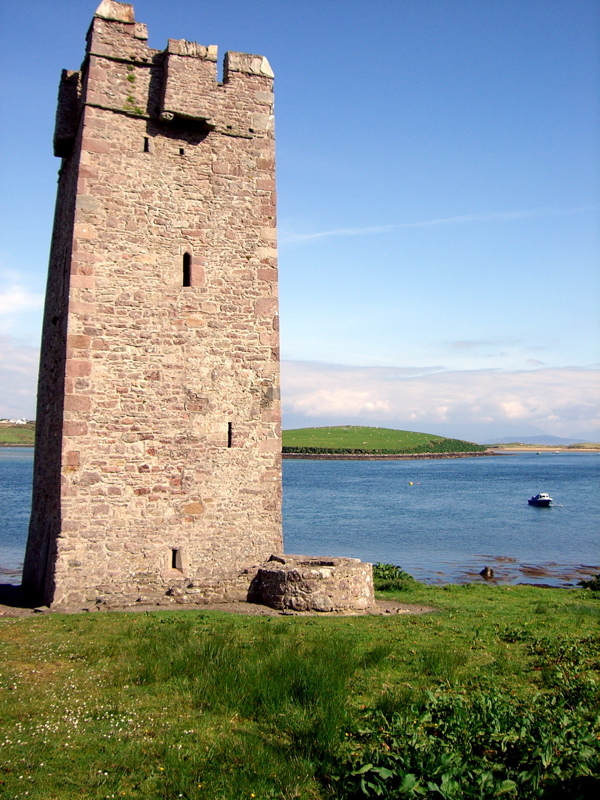
Rockfleet Castle

Rockfleet Castle: the late medieval tower house of Grace O'Malley
Late Medieval (14th–15th c.)
Partially Preserved

Rockfleet Castle, also known as Carrickahowley Castle, is a prominent late medieval tower house located near Newport, County Mayo, Ireland. Constructed in the mid-15th century, this castle stands as a significant historical monument closely associated with Grace O'Malley, the legendary "pirate queen" and chieftain of the Clan O'Malley. Its imposing structure rises over eighteen metres tall and overlooks the distinctive drumlins of Clew Bay, offering strategic views of the surrounding landscape and seascape.

Architectural features and design

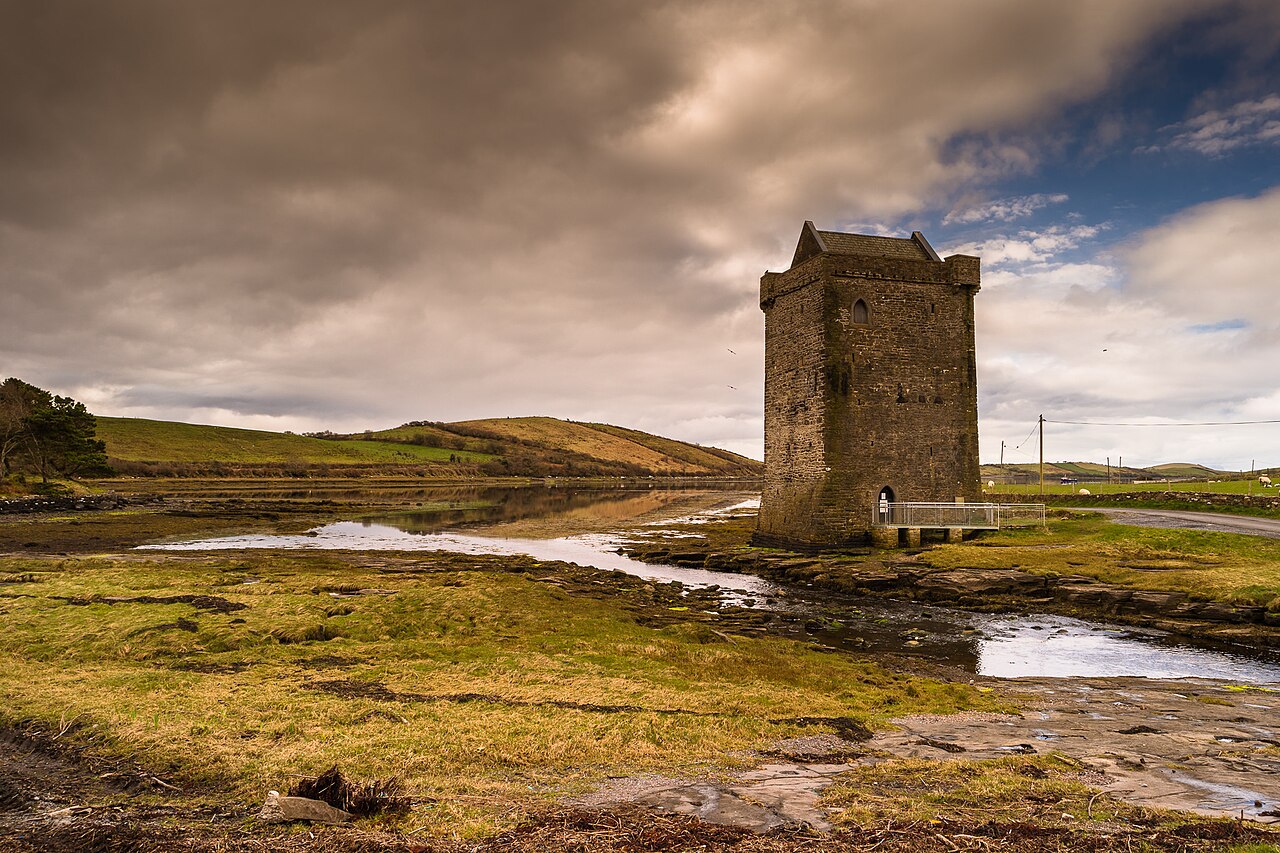
The castle is a classic example of a tower house, a common form of fortified residence in late medieval Ireland. It consists of four floors, each serving different functions typical of such structures. The thick stone walls provide defense against attacks, while the vertical design maximizes limited ground space. The entrance is elevated, accessible originally by a removable ladder or wooden staircase, which enhanced security. In 2015, a metal walkway was installed to facilitate safer access from the adjacent grassland, especially during high tides that previously made entry difficult.

The castle's exterior masonry was carefully pointed in 2017 to preserve the stonework and prevent deterioration from weather exposure. The robust construction and maintenance efforts have helped retain much of its original form, although the interior is not open to the public due to safety concerns.

Historical significance and Grace O'Malley

Grace O'Malley (c. 1530–c. 1603) is the most famous figure linked to Rockfleet Castle. As a chieftain and sea captain, she commanded a fleet of ships and was influential in the politics and maritime affairs of western Ireland during the 16th century. Rockfleet served as one of her primary residences and strongholds. It is widely speculated that she may have died at this castle, although exact records are scarce.

The castle's strategic position allowed control over local waterways and facilitated O'Malley's activities, including trade and defense against rival clans and English forces. Its association with such a notable historical figure adds to its cultural and heritage value, making it a site of interest for historians and visitors alike.

Location and surroundings

Situated near the town of Newport in County Mayo, Rockfleet Castle commands views over the Clew Bay area, known for its unique drumlin islands. The natural landscape around the castle includes rolling hills and coastal features that historically provided natural defense and resources.

The castle's location in the west of Ireland places it within a region rich in medieval history and Gaelic culture. Its proximity to the Atlantic Ocean made it an ideal base for maritime activities, including the seafaring exploits of Grace O'Malley.

Preservation and public access

While Rockfleet Castle was once accessible to the public, entry is currently prohibited due to safety concerns stemming from its age and structural condition. The installation of the metal walkway in 2015 improved access to the entrance, but the interior remains closed to visitors.

Conservation efforts such as the 2017 masonry pointing highlight ongoing attempts to preserve the castle's exterior. These measures aim to protect the stone fabric from weathering and maintain the castle's historical integrity for future generations.

Architectural context and comparison

As a late medieval tower house, Rockfleet Castle exemplifies the typical defensive residences built by Gaelic lords and Anglo-Irish families during the 15th century. These structures were designed to combine domestic living quarters with fortification features like battlements, narrow windows for archery, and thick walls.

Compared to larger castles, tower houses like Rockfleet were more modest in scale but highly functional, reflecting the turbulent political and social environment of medieval Ireland. Their vertical design allowed for efficient defense and surveillance over surrounding lands.

Legacy and cultural importance

Rockfleet Castle remains a symbol of Irish medieval architecture and the maritime heritage of the west coast. Its connection to Grace O'Malley elevates its status as a cultural landmark, inspiring interest in Ireland's history of clan leadership, seafaring, and resistance against external powers.

Though not open for interior tours, the castle's silhouette against the landscape continues to attract photographers, historians, and tourists intrigued by its storied past and architectural form.

Frequently asked questions (FAQ)

How do I get to Rockfleet Castle?
Rockfleet Castle is located just outside Newport in County Mayo, Ireland. You can access it easily by car, and there is ample parking available nearby. Public transport options may be limited, so it’s recommended to check local bus services if you are traveling without a vehicle.
What is the historical significance of Rockfleet Castle?
Rockfleet Castle, built in the 16th century, is a notable example of Irish defensive architecture and is associated with the famous pirate queen Grace O'Malley. The castle showcases the turbulent history of the region and reflects the power struggles of its time. Visitors can explore its rich history through guided tours that highlight its strategic importance during the Elizabethan era.
When was Rockfleet Castle built?
Rockfleet Castle was constructed in the late 1500s, specifically around 1565. It was built by the O'Malley family, who were influential in the region during that period. The castle's architecture and design reflect the military needs and domestic comforts of its time.
Can I visit Rockfleet Castle year-round?
Yes, Rockfleet Castle is open to visitors throughout the year, although specific opening hours may vary by season. It’s advisable to check the official website or contact local tourism information for the most current visiting hours. In winter, some parts may have restricted access due to weather conditions.
Why is the architecture of Rockfleet Castle unique?
The architecture of Rockfleet Castle is unique due to its blend of defensive and residential features, including thick stone walls and a distinctive round tower. Its strategic location on the water adds to its historical significance, as it was designed to defend against potential invasions. The castle's layout provides insight into the living conditions of its inhabitants during the 16th century.
Is it possible to take guided tours of Rockfleet Castle?
Yes, guided tours of Rockfleet Castle are available, offering visitors a deeper understanding of its history and architecture. Knowledgeable guides share fascinating stories about the castle and its former residents, enhancing the overall experience. It's recommended to check in advance for tour times, as they may vary throughout the year.
What are the ticket prices for visiting Rockfleet Castle?
Ticket prices for Rockfleet Castle are generally quite affordable, with discounts available for children, students, and seniors. Family passes may also be offered at a reduced rate. For the most accurate pricing, it’s best to visit the official website or contact the castle directly before planning your visit.
What is the best time to visit Rockfleet Castle?
The best time to visit Rockfleet Castle is during the late spring and summer months when the weather is milder and the gardens are in full bloom. This is also when most guided tours are available, allowing for a more enriching experience. However, the castle can be enjoyed in the autumn for its beautiful foliage and fewer crowds.
Are there any nearby attractions to visit along with Rockfleet Castle?
Yes, there are several nearby attractions worth exploring, including the picturesque Clew Bay and the charming town of Newport. Outdoor enthusiasts can enjoy hiking trails and scenic walks in the surrounding area. Additionally, the historic town of Westport is a short drive away and offers a variety of shops, restaurants, and cultural sites.

Information

Tower House

Loading map...

Visitor reviews

No reviews yet. Been here? Write the first review and help other travelers!

Write the first review

Visited this castle? Share your experience

Your review helps other travelers and adds first-hand knowledge to our encyclopedia.
Write a review

(5/5)

0/2000 characters

Your review will be visible after admin approval

Nearby castles

0.4 km
Rockfleet Castle — Ireland castle

Rockfleet Castle

, Ireland

Rockfleet Castle, also known as Carrickahowley Castle (Irish: Carraig an Chabhlaigh), is a well-preserved tower house located near Newport in County Mayo, Ireland. Constructed in the mid-15th century, this castle is closely linked with the legendary Grace O'Malley, the renowned pirate queen and chieftain of the Clan O'Malley. Rockfleet Castle is believed to have been one of her strongholds and possibly her final residence, making it a site of significant historical and cultural importance in Irish maritime history. Architectural features and design Rockfleet Castle is a classic example of a tower house, a type of fortified residence common in Ireland during the late medieval period. The structure rises to over eighteen metres in height and comprises four floors. Its robust stone walls and narrow windows were designed for defense, while the interior would have included living quarters, storage, and defensive positions. The castle's strategic location overlooks the drumlins of Clew Bay, providing commanding views of the surrounding landscape and sea routes. The name Carraig an Chabhlaigh translates to "rock of the fleet," reflecting its maritime significance and possibly its role as a naval base or lookout point for the O'Malley clan's fleet of ships. In recent years, efforts have been made to improve access to the castle. Due to its position near the waterline, access was challenging during high tides. In 2015, a metal walkway was installed to connect the adjacent grassland to the castle entrance, facilitating safer and easier visitation. Additionally, the castle's exterior masonry underwent pointing work in 2017 to preserve the stonework and protect against weathering. Historical context and significance The castle was built during the late medieval period, around the mid-1400s, a time when tower houses were commonly constructed across Ireland by local chieftains and lords for both defense and residence. Rockfleet Castle's association with Grace O'Malley elevates its historical importance. She was a formidable leader and maritime commander who controlled much of the western Irish coast during the 16th century. Grace O'Malley used Rockfleet Castle as one of her bases of operations. Her reputation as a seafarer and pirate queen is legendary, and the castle served as a hub for her fleet and clan activities. The castle's name, "rock of the fleet," aptly describes its function as a naval stronghold. While there is no definitive record of the exact date of Grace O'Malley's death, local tradition holds that Rockfleet Castle was her final home. This connection adds a layer of cultural heritage and intrigue to the site, attracting historians and visitors interested in Ireland's maritime past and the role of women in medieval warfare and leadership. Preservation and public access Rockfleet Castle remains well-preserved compared to many other tower houses from the same period. Its stone structure stands largely intact, offering valuable insight into 15th-century Irish defensive architecture. However, for safety reasons, public entry into the castle is currently prohibited. The installation of the metal walkway in 2015 was a significant improvement for visitor safety, addressing the difficulties posed by tidal changes around the castle's entrance. The pointing of the masonry in 2017 further helped to maintain the castle's structural integrity against the harsh coastal climate. Visitors can view the castle from the surrounding grounds and appreciate its imposing silhouette against the backdrop of Clew Bay's unique drumlin landscape, but direct access remains restricted. Rockfleet Castle in the broader context of Irish tower houses As a tower house, Rockfleet Castle is part of a widespread architectural tradition in Ireland that flourished from the 15th to the 17th centuries. These structures were typically built by Gaelic and Anglo-Irish lords as fortified residences that balanced military defense with domestic needs. The castle's location near the coast was strategic, allowing control over maritime routes and providing a defensive position against rival clans and foreign invaders. Its design reflects the practical requirements of the era, including thick stone walls, narrow slit windows for archers, and multiple floors for various functions. Rockfleet Castle's connection to a prominent historical figure like Grace O'Malley makes it a unique example of how these tower houses served not only as military fortifications but also as centers of power and influence in their regions.

Renaissance (15th–17th c.)
Details
21 km

Carrickkildavnet Castle

Achill Island, United Kingdom

Carrickkildavnet Castle, also known as Kildavnet Castle, is a significant late medieval tower house situated on the southeastern tip of Achill Island, overlooking the strategic Achill Sound and guarding the important maritime passage connecting Clew Bay with Blacksod Bay. This location was crucial for controlling naval routes and defending the coastline, making the castle an essential stronghold in the region. Historical background and ownership The castle was constructed around 1429 by the Ó Máille (O'Malley) clan, who were the ruling Kings of Umaill during the late medieval period. The Ó Máille family were prominent seafarers and chieftains known for their maritime prowess and influence along the west coast of Ireland. Carrickkildavnet Castle served as a defensive fortress and residence for this powerful clan. In the 16th century, the castle became famously associated with Gráinne Ní Mháille, known in English as Grace O'Malley (c. 1530 – c. 1603), the renowned pirate queen and chieftain. Grace O'Malley used the castle as one of her main strongholds during her campaigns along the Irish coast, where she commanded fleets and engaged in maritime raids. Her leadership and defiance of English rule made her a legendary figure in Irish history. Architectural features and defensive design Carrickkildavnet Castle is a four-storey tower house typical of late medieval Irish defensive architecture. Its design reflects both residential and military functions, emphasizing protection and control over the surrounding waters. Structural layout The castle features a vaulted ceiling above the first floor, a common technique used to strengthen the structure and provide fireproofing. Access to the upper floors is notably restricted: a hole in the corner of the vault serves as the only means to reach the higher levels, a defensive measure intended to hinder attackers. Defensive elements Several defensive features are evident in the castle's construction. These include a mural chamber built into the thickness of the walls, which could have served as a secure space or storage. The presence of machicolations—openings between the corbels of the battlements—allowed defenders to drop projectiles or boiling substances on attackers below. The castle also incorporates defensive loops, narrow vertical slits in the walls designed for archers or musketeers to fire upon enemies while remaining protected. At the top, buttress fortifications provide structural support and additional defensive strength. Surrounding the tower is a ruined bawn wall, a defensive enclosure that would have offered protection to livestock and inhabitants during attacks. Strategic importance and maritime control Positioned to command the mouth of Achill Sound, Carrickkildavnet Castle was vital for controlling maritime traffic between Clew Bay and Blacksod Bay. This control allowed the Ó Máille clan to monitor and regulate shipping, collect tolls, and defend against rival clans or English incursions. The castle's location also enabled rapid deployment of seafaring forces, which was essential for the Ó Máille's reputation as skilled sailors and pirates. Grace O'Malley's naval activities from this stronghold underscore the castle's role in regional power dynamics during the turbulent 16th century. Current condition and preservation Today, Carrickkildavnet Castle stands as a partially preserved monument, with much of its original structure intact, including the tower house and remnants of the bawn wall. The castle's ruins offer valuable insights into late medieval Irish defensive architecture and the lifestyle of Gaelic chieftains. Visitors to Achill Island can explore the site, which remains a prominent historical landmark reflecting the maritime heritage and turbulent history of the west coast of Ireland. Visiting information and cultural significance While the castle is accessible to the public, facilities are limited due to its remote location. Visitors are encouraged to respect the site and its surroundings. The castle is an important cultural heritage site that commemorates the legacy of the Ó Máille clan and the legendary Grace O'Malley. Its enduring presence contributes to the understanding of Irish medieval fortifications and the unique role of Gaelic maritime clans in Irish history.

Late Medieval (14th–15th c.)
Details
21 km
Carrickkildavnet Castle — Ireland castle

Carrickkildavnet Castle

, Ireland

Carrickkildavnet Castle, also known as Kildavnet Castle, is a significant 15th-century tower house located on Achill Island off the west coast of Ireland. This medieval fortress stands as a notable example of the fortified residences built by Gaelic and Anglo-Norman lords during the late medieval period. As a National Monument, it attracts interest for its historical and architectural value despite its current state as ruins. Historical context and significance Constructed in the 15th century, Carrickkildavnet Castle was part of a network of tower houses that served both defensive and residential purposes. Tower houses were common in Ireland during this time, reflecting the turbulent political landscape marked by clan rivalries and the need for fortified homes. The castle's location on Achill Island provided strategic control over maritime routes and local territory. The castle is associated with the O'Malley clan, a powerful seafaring family who dominated the west coast of Ireland. The O'Malleys were known for their maritime prowess and played a significant role in regional politics and trade during the late medieval era. Carrickkildavnet Castle would have functioned as a stronghold and residence within their domain. Architectural features and layout Carrickkildavnet Castle is a classic example of a late medieval tower house, a type of fortified residence characterized by a tall, narrow structure designed for defense and habitation. The castle originally rose several stories high, with thick stone walls to withstand attacks. Its rectangular plan included narrow slit windows for archers and a single entrance, often protected by a fortified doorway or bawn (enclosure). Typical features likely included a battlemented parapet at the top, providing defenders with a vantage point, and internal chambers arranged vertically. The ground floor would have been used for storage and possibly a vaulted cellar, while the upper floors housed the living quarters and a great hall for social and administrative functions. Though now in ruined condition, remnants of the castle walls and some architectural details remain visible, offering insights into the construction techniques of the period. The use of local stone and mortar reflects regional building practices of the late medieval period. Location and strategic importance Situated on Achill Island, the largest island off the coast of Ireland, Carrickkildavnet Castle overlooks the Atlantic Ocean. Its position allowed control over sea lanes and offered protection against seaborne threats. The island's rugged terrain and remote location made it a valuable defensive site during times of conflict. The castle's proximity to the coast also facilitated the O'Malley clan's maritime activities, including trade and fishing. This connection to the sea is a defining aspect of the castle's historical role and significance. Preservation and current status Today, Carrickkildavnet Castle stands as a ruined archaeological site. While the structure is no longer intact, it remains an important cultural landmark on Achill Island. Efforts to preserve the site focus on protecting the remaining walls and preventing further decay. Visitors to the castle can explore the ruins and appreciate the castle's commanding position and historical context. Interpretive signage and local heritage initiatives help convey the story of the castle and its place in Ireland's medieval past. Visiting Carrickkildavnet Castle The castle is accessible to the public and forms part of the rich historical landscape of Achill Island. Visitors interested in medieval architecture and Irish history find the site rewarding despite its ruinous state. The surrounding natural beauty of Achill Island enhances the experience, combining cultural heritage with scenic views. Nearby attractions include other historic sites, coastal walks, and traditional Irish villages, making Carrickkildavnet Castle a valuable stop for tourists exploring the west of Ireland. Architectural legacy Carrickkildavnet Castle exemplifies the typical tower house architecture that proliferated across Ireland during the late medieval period. These structures balanced the need for defense with domestic comfort, reflecting the social status of their owners. The castle's ruins contribute to understanding this architectural form and its role in Irish history.

Late Medieval (14th–15th c.)
Details