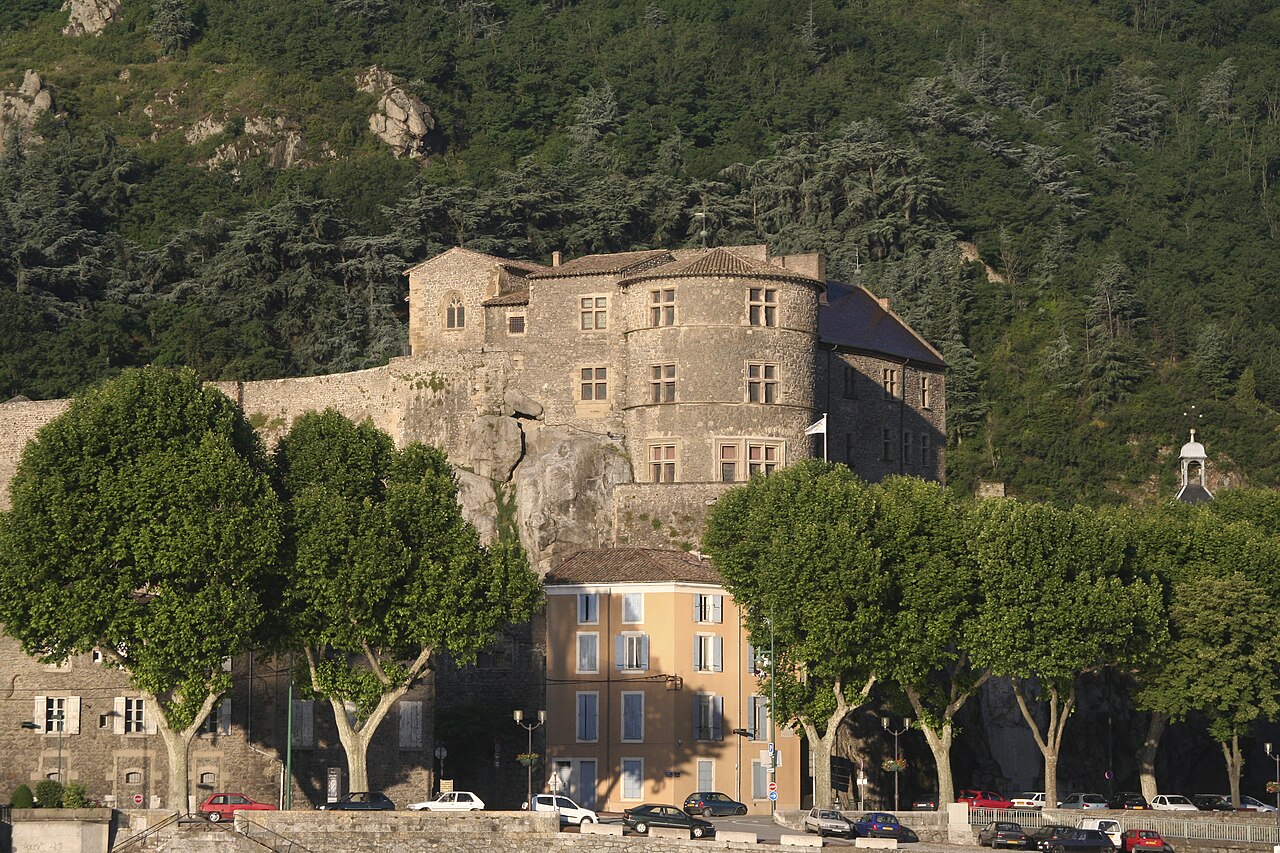
The Manoir du Grail stands as a remarkable example of a fortified medieval manor located in the Hauts-de-France region of northern France. Its origins trace back to the mid-15th century, reflecting the lifestyle and defensive needs of the local nobility during a turbulent period in French history. This manor has witnessed centuries of regional social and political changes, retaining much of its original character while evolving to accommodate modern living standards.
Historical background and noble lineage
The manor was established by local feudal lords who controlled the surrounding lands, with the du Grail family documented as the primary owners from at least 1459. Historical records from the Order of Malta describe the estate as a fortified square house with a stone slab roof, surrounded by agricultural land including a barn, courtyard, garden, meadows, and pasture. The estate encompassed about 70 cestercées, an old medieval French land measurement, indicating a substantial property.
Notable figures such as Guilhelmin del Gralh and Petrus de Gralho are recorded as lords of the manor, underscoring the family's established presence. In the early 17th century, the manor's ownership intertwined with the Bernard de Talode family through marriage in 1621, linking two noble lineages and ensuring the manor's continued prominence in the region.
A tragic episode in the manor's history occurred during the French Revolution when Claude de Bernard de Talode du Grail, a clergyman and descendant of the family, refused to accept revolutionary changes. His steadfast opposition led to his execution by guillotine in 1794, marking a poignant moment reflecting the broader upheaval affecting the French nobility and clergy at the time.
Architectural features and defensive elements
The Manoir du Grail is primarily constructed from granite rubble, with corners and window openings reinforced by carefully cut granite blocks. This robust material choice highlights the manor’s defensive purpose amid the medieval landscape's uncertainties. The main building features a roof with long sloping surfaces and two hipped ends, originally covered with stone slabs known as lauzes, a traditional roofing material in the region.
At the manor’s corners rise small fortified turrets called échauguettes, topped with slate conical roofs that replaced the original stone slab coverings. These turrets served as observation points and defensive positions, enhancing the manor’s fortification. Surviving elements from the 16th century include a bretèche—a small projecting defensive gallery above a doorway—corbel bases that once supported two watch turrets, and an arched lintel above the main entrance, all characteristic of manorial architecture of that era.
A notable feature is the fireplace in the basement dated 1558, providing a precise historical marker and linking the manor’s development to the Renaissance period. These architectural details collectively illustrate the manor’s dual role as a noble residence and a fortified structure designed to withstand potential threats.
Early 20th-century modifications
In the early 1900s, the manor underwent alterations that introduced several new openings on the main facade facing the garden. These modifications softened the fortress-like appearance, allowing more natural light and adapting the building to contemporary comfort standards while preserving its fundamental historical form. This balance between preservation and modernization reflects the manor’s continuous habitation and evolving function.
Interior layout and furnishings
An inventory from September 4, 1794, during the height of the French Revolution, offers valuable insight into the manor’s interior. It reveals a symmetrical layout with eight rooms distributed over three floors. The ground floor housed essential living spaces such as a kitchen and a salon, with an alcove bedroom situated above the salon, indicating a practical domestic arrangement.
The furnishings described at that time were modest yet noble, including a worn Bergamo tapestry and antique-style chairs. This suggests that despite the political turmoil and social changes of the era, the manor retained elements of its noble heritage and maintained a dignified domestic environment.
Legacy and preservation
The Manoir du Grail remained in the possession of the descendants of its original family from the 14th century until the 1970s, serving as a tangible link to the region’s feudal past. Its preservation offers a window into the architectural and social history of rural France, illustrating how noble families adapted their residences over centuries to meet changing defensive needs and lifestyle preferences.
Today, the manor stands as a well-preserved example of a fortified rural residence, combining medieval defensive architecture with elements reflecting the Renaissance and later periods. Its sturdy granite construction, defensive turrets, and historical interior layout contribute to its cultural and heritage significance in the Hauts-de-France region.
Frequently asked questions (FAQ)
- What is the historical significance of Manoir du Grail?
- Manoir du Grail is a remarkable example of medieval architecture that dates back to the 12th century. It played a pivotal role in regional politics and was a residence for several notable historical figures throughout its history, reflecting the rich cultural heritage of France.
- When was Manoir du Grail built?
- The construction of Manoir du Grail began in 1165 and was completed in the early 13th century. This timeline places it within the context of significant historical events in France, making it a fascinating site for history enthusiasts.
- How do I visit Manoir du Grail?
- Visitors can access Manoir du Grail by purchasing tickets at the entrance or online through the official website. Guided tours are available to provide a deeper understanding of the castle's history and architecture, enhancing your visit.
- What are the opening hours of Manoir du Grail?
- Manoir du Grail is open to the public from 10 AM to 6 PM, Tuesday through Sunday. It is advisable to check the official website for any seasonal changes in hours or special holiday closures.
- Can I bring my children to Manoir du Grail?
- Absolutely, Manoir du Grail welcomes families and children of all ages. There are family-friendly activities and educational programs designed to engage younger visitors and make their experience enjoyable.
- Is it possible to access Manoir du Grail for visitors with disabilities?
- Yes, Manoir du Grail is committed to accessibility and provides facilities for visitors with disabilities. Ramps and designated pathways are available to ensure everyone can enjoy the beauty and history of the castle.
- What is the best time to visit Manoir du Grail?
- The best time to visit is during the spring and early autumn months when the weather is mild and the gardens are in full bloom. Additionally, visiting during weekdays can help avoid the crowds and provide a more intimate experience.
- What are the ticket prices for Manoir du Grail?
- Ticket prices for Manoir du Grail vary based on age and group size, with discounts available for students and seniors. Children under the age of six can enter for free, making it an affordable outing for families.
- Are there any nearby attractions to visit along with Manoir du Grail?
- Yes, nearby attractions include the charming village of Mont-Saint-Michel and several beautiful vineyards that offer tours and tastings. Combining these visits can create a delightful day of exploration in the picturesque French countryside.
Information
Loading map...
Visitor reviews
No reviews yet. Been here? Write the first review and help other travelers!
Write the first reviewVisited this castle? Share your experience
Your review helps other travelers and adds first-hand knowledge to our encyclopedia.