Lion Redoubt
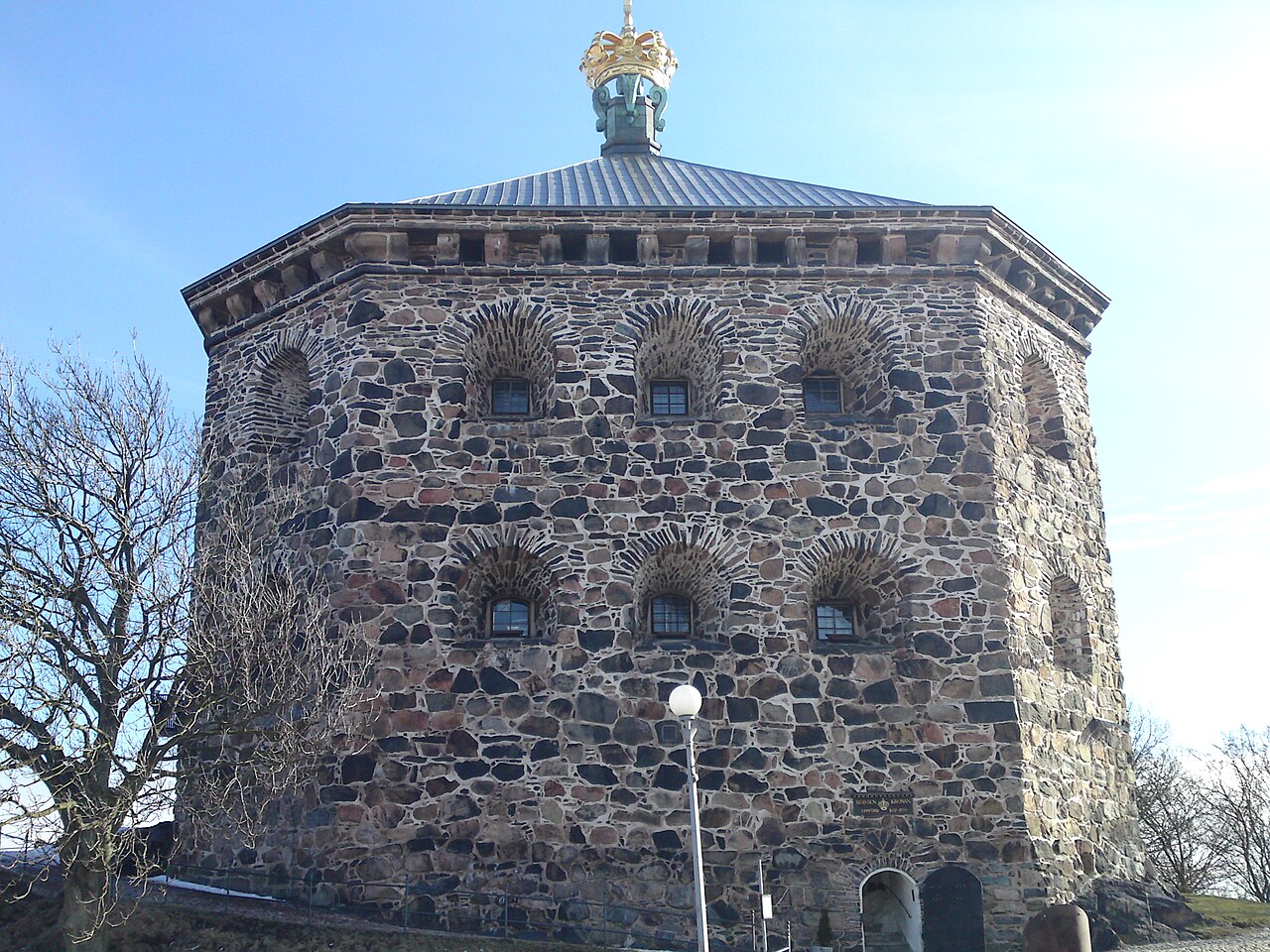
Lion Redoubt, known in Swedish as Skansen Lejonet and formally as Westgötha Leijon ("the Westrogothic Lion"), is a historic bastioned fortress located on the hill Gullberg in Gothenburg, Sweden. Constructed between 1687 and 1692, this fortress was built on the site of an earlier medieval castle to strengthen the city's defenses during a period of intense military tension in the 17th century.
Strategic importance and historical context
During the late Renaissance period, the region of Gothenburg was a focal point of military conflict, particularly between Sweden and Denmark. The Lion Redoubt was erected as part of a comprehensive defensive system to protect the city from potential Danish invasions. It worked in conjunction with its twin fortress, Skansen Kronan, located on another hill, as well as the sea fort of New Älvsborg guarding the harbor. This network of fortifications was crucial for securing Gothenburg's position as a strategic port and military stronghold.
Architectural features and design
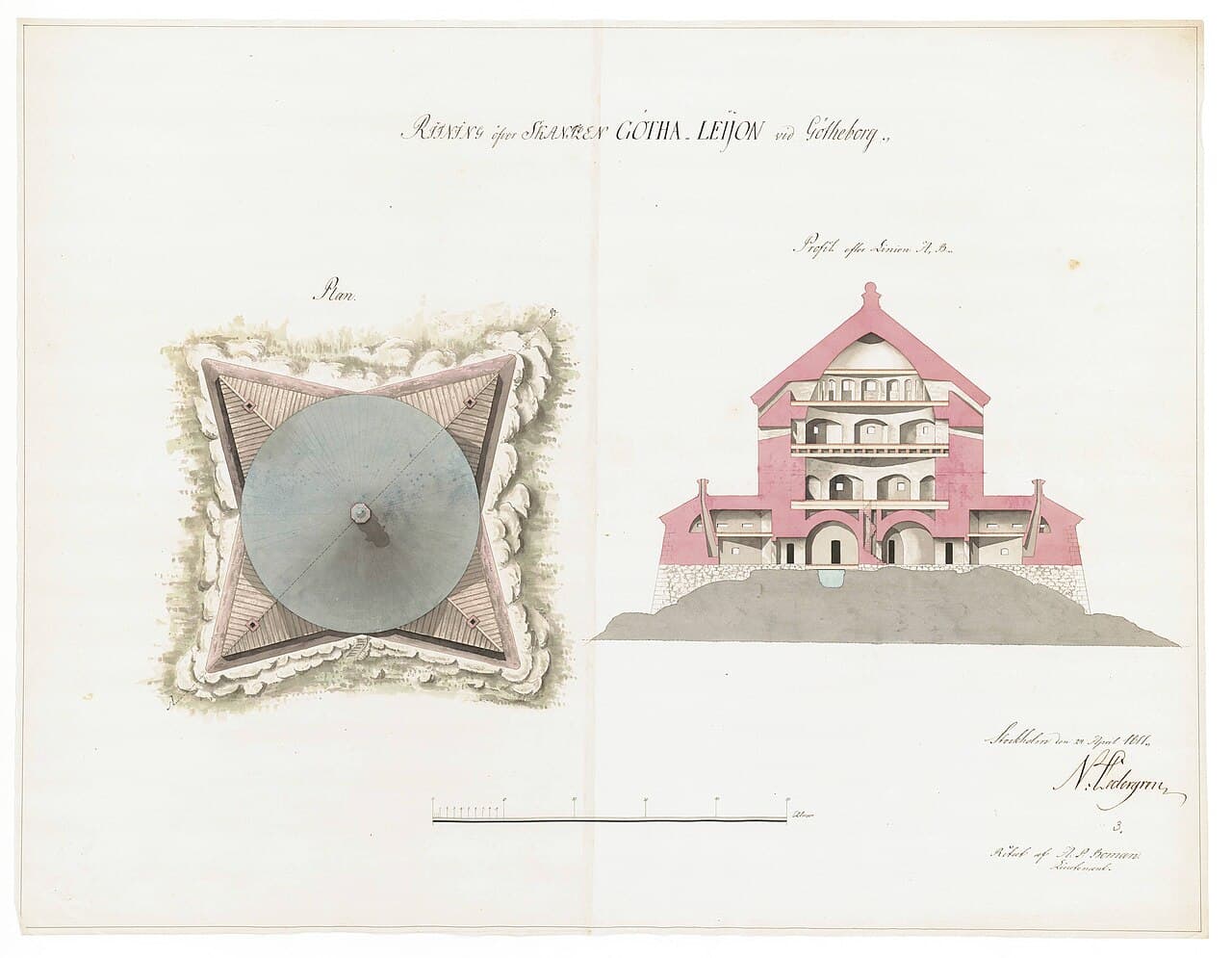
The bastioned fortress design of Skansen Lejonet reflects the military architectural principles of the late 17th century, emphasizing angled bastions that allowed defenders to cover all approaches with overlapping fields of fire. The fortress is situated on a prominent hill, providing commanding views over the surrounding landscape and the city below.
The structure includes thick stone walls, bastions projecting outward to prevent blind spots, and a well-planned layout to accommodate troops and artillery. The fortress's robust construction was intended to withstand artillery bombardment and sieges common in this era.
The lion statue and symbolic elements
A notable feature of Skansen Lejonet is the large stone lion statue that crowns the fortress. This emblematic sculpture symbolizes strength and vigilance, serving both as a morale booster for defenders and a deterrent to potential attackers. The lion has become an iconic symbol associated with the fortress and the city of Gothenburg.
Later history and current status
After its decommissioning in 1822, Lion Redoubt ceased to serve a military function. Over the years, it has been repurposed for various civilian uses, reflecting the changing needs of the city. Despite no longer serving as a fortress, the site remains an important cultural and historical landmark.
Today, Skansen Lejonet is well preserved and accessible to visitors interested in military history and architecture. It offers panoramic views of Gothenburg and stands as a testament to the city’s 17th-century defensive efforts.
Visiting lion redoubt
Visitors to Skansen Lejonet can explore the fortress grounds and learn about its role in Gothenburg’s history. The site is often included in guided tours focusing on the city’s fortifications. Its elevated position provides excellent photographic opportunities and a unique perspective on Gothenburg’s urban development.
Accessibility and visitor information
The fortress is open to the public during certain hours, though these may vary seasonally. Visitors are advised to check local resources for the latest information on opening times and any guided tour availability. The site is suitable for history enthusiasts and those interested in military architecture.
Frequently asked questions (FAQ)
- What is the historical significance of Lion Redoubt?
- Lion Redoubt is a historical fortress built in the early 19th century as part of Sweden's coastal defense system. It played a crucial role in the defense of Gothenburg against naval attacks and reflects the military architecture of its time.
- When was Lion Redoubt constructed?
- Lion Redoubt was constructed between 1807 and 1812 during the Napoleonic Wars. It was strategically designed to enhance the fortifications of Gothenburg and protect the city from potential invasions.
- How do I get to Lion Redoubt?
- Lion Redoubt is easily accessible by public transportation, including buses and trams that connect to central Gothenburg. For those driving, there are nearby parking options available, making it convenient for visitors.
- What are the opening hours for Lion Redoubt?
- Lion Redoubt is open to the public from May to September, with varying hours throughout the week. It is recommended to check the official website for the most up-to-date opening hours before planning your visit.
- Can I take guided tours of Lion Redoubt?
- Yes, guided tours of Lion Redoubt are available and provide an in-depth look at the fortress's history and architecture. These tours are typically led by knowledgeable guides who can share fascinating stories and insights.
- Is it possible to visit Lion Redoubt with children?
- Absolutely! Lion Redoubt is a family-friendly destination, and children will enjoy exploring the fortress and its grounds. There are educational resources available to engage younger visitors and make the experience enjoyable for all ages.
- What is the best time to visit Lion Redoubt?
- The best time to visit Lion Redoubt is during the summer months, from June to August, when the weather is warm and all facilities are fully operational. Additionally, various events and activities often take place during this period, enhancing the visitor experience.
- What are the ticket prices for Lion Redoubt?
- Ticket prices for Lion Redoubt are affordable, with discounts available for students, seniors, and children. Group rates may also be offered, making it a cost-effective option for families and school trips.
- Are there any nearby attractions to visit along with Lion Redoubt?
- Yes, there are several nearby attractions, including the beautiful archipelago of Gothenburg and the historical Älvsborg Fortress. Visitors can also explore the city’s vibrant waterfront and enjoy local restaurants and shops in the vicinity.
Photo gallery

Photo by A. P. Boman•Public domain
Information
Loading map...
Visitor reviews
No reviews yet. Been here? Write the first review and help other travelers!
Write the first reviewVisited this castle? Share your experience
Your review helps other travelers and adds first-hand knowledge to our encyclopedia.