Krasnystaw Castle — Poland castle

Krasnystaw Castle

Krasnystaw castle
Krasnystaw, Poland
Late Medieval (14th–15th c.)
Ruins

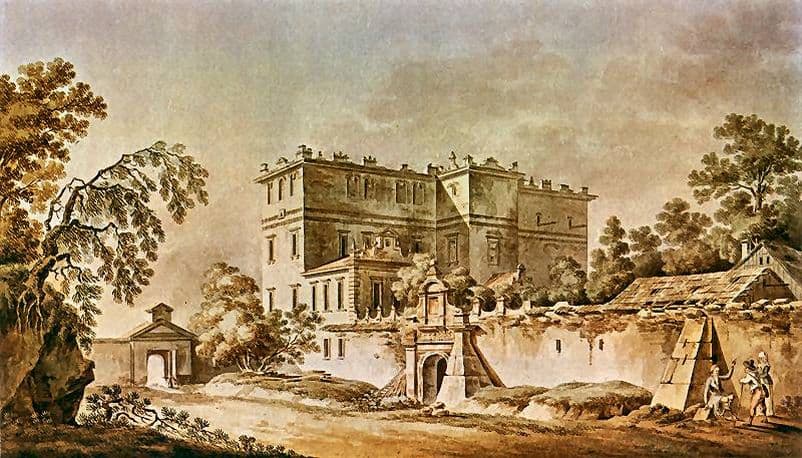
Krasnystaw Castle is a historic hill castle located in the town of Krasnystaw in eastern Poland. The castle's origins date back to the late medieval period, with construction believed to have begun in the 14th century. It was strategically situated on elevated ground, a typical feature of hill castles, providing natural defense advantages and commanding views of the surrounding landscape.

Historical background and significance

The castle played a significant role in the defense system of the region during the Middle Ages. It was part of a network of fortifications protecting the eastern borders of the Kingdom of Poland. Throughout its history, Krasnystaw Castle witnessed numerous military conflicts and changes in ownership, reflecting the turbulent political landscape of the area.

Its strategic location near trade routes contributed to its importance not only militarily but also economically. The castle served as a local administrative center and a residence for noble families, which influenced the development of Krasnystaw as a town.

Architectural features and construction

The original structure of Krasnystaw Castle was typical of medieval hill castles, featuring stone walls and defensive elements designed to withstand sieges. The castle likely included a keep or donjon as the central stronghold, surrounded by curtain walls and possibly a moat or other defensive earthworks.

Over the centuries, the castle underwent several modifications, adapting to evolving military technologies and residential needs. While much of the original medieval fabric has been lost or altered, some remnants of the castle's fortifications and foundations remain visible.

Layout and key structures

The castle's layout was compact, optimized for defense on the hilltop. Key features included a gatehouse controlling access, battlements for archers, and living quarters for the lord and garrison. The presence of a courtyard allowed for daily activities and mustering troops.

Current condition and preservation

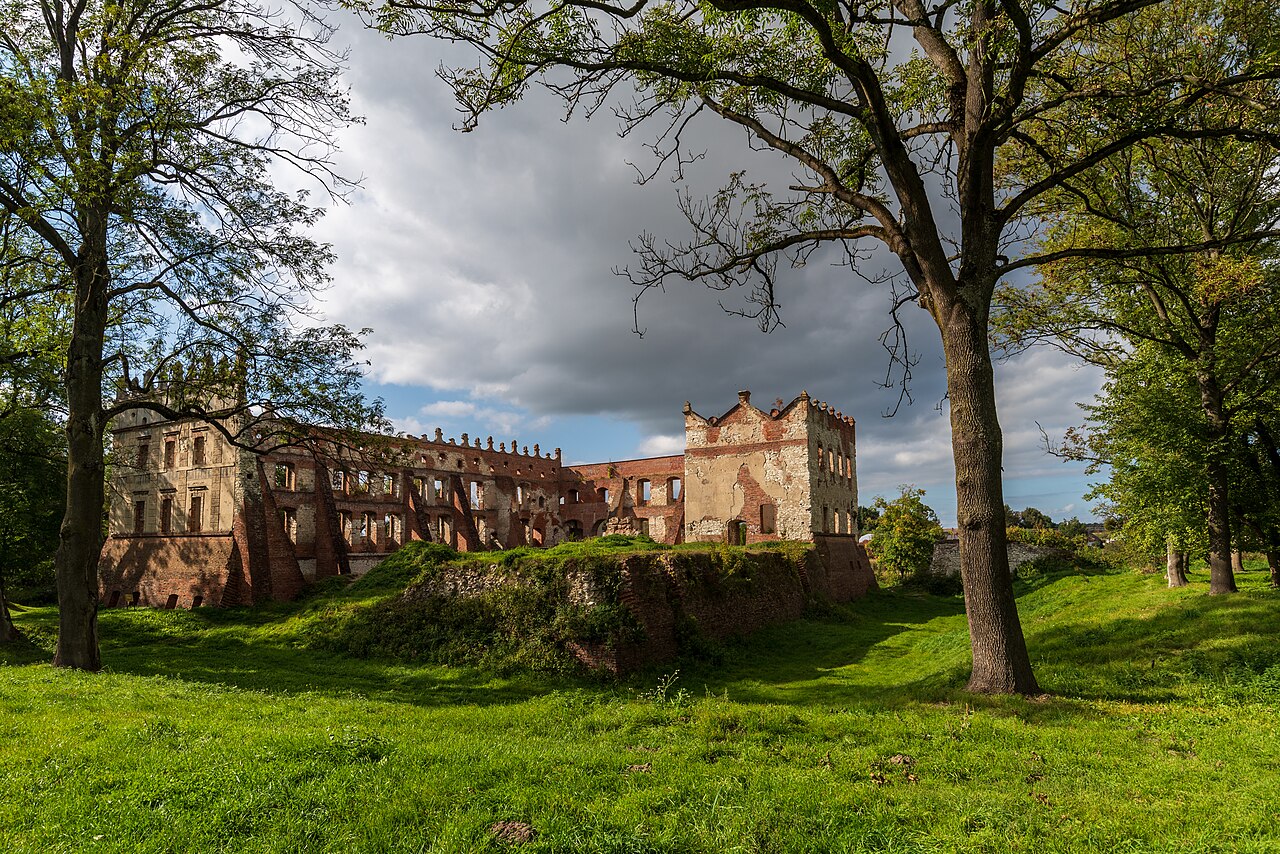
Today, Krasnystaw Castle is in a state of ruins, with only partial remains of its walls and foundations visible. The site is recognized for its cultural and historical value, attracting visitors interested in Poland's medieval heritage.

Efforts have been made to preserve the ruins and to provide interpretative information for visitors, although the castle does not function as a fully restored tourist attraction. Its ruins offer insight into medieval fortification techniques and the region's history.

Visitor information and accessibility

The castle site is accessible to the public, though facilities are limited due to its ruinous state. Visitors can explore the remnants of the fortifications and enjoy panoramic views from the hilltop location.

There are no formal guided tours or extensive visitor amenities, but informational signage may be present to explain the castle's historical context. The best time to visit is during the warmer months when outdoor exploration is more comfortable.

Frequently asked questions (FAQ)

How do I get to Krasnystaw Castle?
Krasnystaw Castle is located in the town of Krasnystaw, Poland, and can be easily reached by car or public transportation. If traveling by train, the nearest station is in Krasnystaw, from where you can take a local bus or taxi to the castle.
What is the historical significance of Krasnystaw Castle?
Krasnystaw Castle dates back to the 16th century and played a crucial role in the region's defense during various conflicts. It is a testament to the architectural styles of its time and reflects the rich history of the area.
When was Krasnystaw Castle built?
Construction of Krasnystaw Castle began in the early 1600s and was completed in the mid-17th century. It served various purposes throughout its history, including as a residence and a military stronghold.
Can I take guided tours of Krasnystaw Castle?
Yes, guided tours are available for visitors who wish to learn more about the castle's history and architecture. These tours are typically offered in Polish, but English tours can be arranged upon request.
Why is Krasnystaw Castle popular among tourists?
Krasnystaw Castle attracts visitors due to its stunning architecture, rich history, and picturesque surroundings. The castle is also a great place for photography and offers a glimpse into Poland's feudal past.
Is it possible to visit Krasnystaw Castle year-round?
Yes, Krasnystaw Castle is open to visitors throughout the year, although opening hours may vary by season. It is advisable to check the official website or contact the castle for the most current visiting hours.
What are the ticket prices for visiting Krasnystaw Castle?
Ticket prices for Krasnystaw Castle are generally affordable, with discounts available for students and seniors. Children under a certain age can often enter for free, making it an excellent family-friendly destination.
What is the best time to visit Krasnystaw Castle?
The best time to visit Krasnystaw Castle is during the spring and early autumn when the weather is mild and the surrounding gardens are in full bloom. Summer months can be busy with tourists, while winter offers a unique charm with fewer crowds.
Are there nearby attractions to visit after exploring Krasnystaw Castle?
Yes, there are several nearby attractions, including beautiful parks and local museums that showcase the history of Krasnystaw. Visitors can also explore the charming town square and enjoy local dining options.

Photo gallery

Krasnystaw Castle
Click to view

Photo by Zygmunt Vogel•Public domain

1 photo • Click any image to view in full screen

Information

Hill Castle

Loading map...

Visitor reviews

No reviews yet. Been here? Write the first review and help other travelers!

Write the first review

Visited this castle? Share your experience

Your review helps other travelers and adds first-hand knowledge to our encyclopedia.
Write a review

(5/5)

0/2000 characters

Your review will be visible after admin approval

Nearby castles

5.6 km
Krupe Castle — Poland castle

Krupe Castle

, Poland

Krupe Castle is a notable example of a hill castle located in Poland, with origins tracing back to the medieval period. Although specific details about its founding date and original builders remain limited, the castle's strategic position on elevated terrain highlights its historical role in regional defense and control.Historical context and significanceThe castle likely dates from the High Medieval period, a time when such fortifications were essential for asserting territorial dominance and protecting trade routes. Castles like Krupe were often constructed by local nobility or regional rulers to secure their lands against rival factions and invaders. The elevated location of Krupe Castle would have provided commanding views of the surrounding landscape, offering both military advantages and control over nearby settlements.Architectural features and constructionTypical of hill castles, Krupe Castle would have incorporated defensive elements adapted to its terrain. These might include stone curtain walls following the natural contours of the hill, towers positioned at strategic points for surveillance and defense, and a fortified gatehouse controlling access. The use of local stone materials would have been common, contributing to the castle's durability.While detailed architectural plans or remains are not extensively documented, the castle's classification suggests a design focused on maximizing natural defenses combined with man-made fortifications. The presence of battlements and possibly a keep or donjon would align with typical medieval military architecture in the region.Cultural heritage and preservationKrupe Castle is part of Poland's rich medieval heritage, reflecting the broader historical landscape of fortified sites across the country. Its status as a hill castle emphasizes the strategic importance of elevated fortifications in medieval warfare and governance. The current condition of Krupe Castle is not extensively documented, but like many similar sites, it may exist in a state ranging from ruins to partially preserved structures.Preservation efforts in Poland often focus on maintaining such castles as cultural landmarks, promoting historical education and tourism. Krupe Castle's location and historical significance make it a point of interest for visitors exploring Poland's medieval past.Visiting krupe castleInformation on public access and visitor facilities at Krupe Castle is limited. Prospective visitors should research local tourism resources or contact regional heritage organizations for the latest details on opening hours, guided tours, and amenities. The castle's hilltop position offers potential for scenic views and exploration of the surrounding countryside.

High Medieval (11th–13th c.)
Details
30.5 km
Zamość Fortress — Poland castle

Zamość Fortress

Zamość, Poland

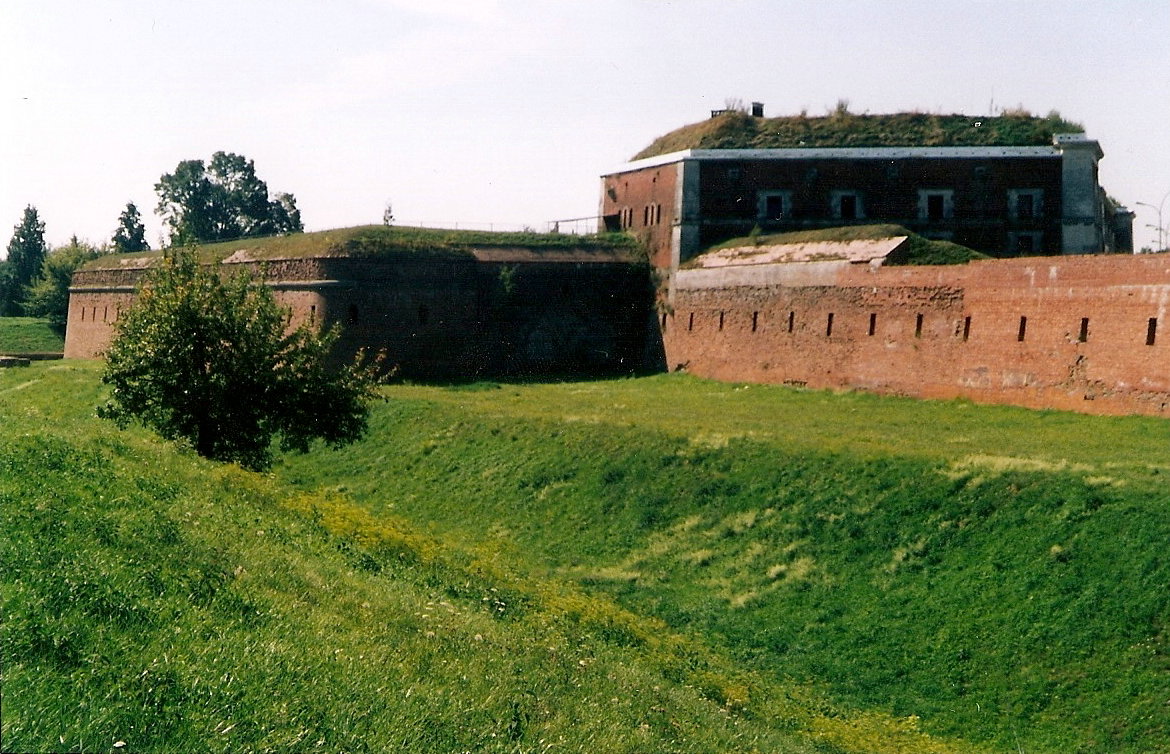
Zamość Fortress (Polish: Twierdza Zamość) is a prominent example of a Renaissance bastioned fortress located in southeastern Poland. Constructed between 1579 and 1618, it was commissioned by Jan Zamoyski, a notable Chancellor and Hetman of the Polish–Lithuanian Commonwealth. The fortress was built simultaneously with the city of Zamość, designed as a fortified urban center blending military functionality with urban planning principles of the Renaissance period. Historical context and strategic significance The fortress was conceived during a time when the Polish–Lithuanian Commonwealth faced threats from multiple fronts, including the Ottoman Empire, Cossack uprisings, and Swedish invasions. Its location in southeastern Poland was strategically chosen to protect the Commonwealth's southeastern borders and to serve as a military stronghold controlling key trade and communication routes. During its active military use, Zamość Fortress became one of the largest and most resilient fortifications in the Commonwealth. Its robust construction allowed it to withstand numerous sieges and attacks by various forces, including the Cossacks during the Khmelnytsky Uprising and the Swedish armies during the Deluge in the mid-17th century. Architectural design and features The fortress exemplifies the bastioned fortress style, which was a cutting-edge military architectural design of the Renaissance era. This style features angular bastions projecting outward from the main walls, allowing defenders to cover adjacent walls with overlapping fields of fire. Such design minimized blind spots and improved defensive capabilities against artillery and infantry assaults. Zamość Fortress was constructed with a complex system of ramparts, moats, and bastions, integrated with the urban layout of the city. The fortress walls were thick and sloped, designed to absorb and deflect cannon fire. The bastions were positioned to cover all approaches, creating a formidable defensive perimeter. Within the fortress walls, the city of Zamość was planned with a regular grid pattern, reflecting Renaissance urban planning ideals. The integration of military and civilian architecture made Zamość a unique example of a fortified Renaissance city. Military engagements and sieges Throughout its history, Zamość Fortress endured six significant sieges, demonstrating its military importance and resilience. The first siege occurred in 1648 during the Khmelnytsky Uprising, when Cossack forces attempted to capture the stronghold but were repelled. Subsequent sieges included attacks by the Swedish army in 1656 and again in 1703 during the Great Northern War. In 1809, the fortress was besieged and captured by the army of the Duchy of Warsaw from Austrian forces, reflecting the shifting political landscape of the Napoleonic era. The longest siege took place in 1813, when Polish forces defended the fortress against the Russians for eight months, highlighting its strategic value during the Napoleonic Wars. The final siege occurred during the November Uprising of 1831, when Zamość was the last Polish defensive position to fall to Russian control. Decline and preservation By the mid-19th century, advances in military technology and changes in warfare rendered traditional bastioned fortresses like Zamość obsolete. Consequently, the fortress was officially decommissioned and dismantled in 1866. Although much of the fortress was taken down, significant fragments of the walls and bastions remain, preserving the historical and architectural legacy of the site. Today, Zamość Fortress is recognized as an important cultural and historical monument. Its remains offer valuable insights into Renaissance military architecture and the turbulent history of the Polish–Lithuanian Commonwealth. The fortress, together with the city of Zamość, which retains its original Renaissance urban plan, is a subject of study for historians and architects alike. Architectural and cultural significance Zamość Fortress stands as a prime example of the integration of military and urban planning during the Renaissance. Its design reflects the adaptation of Italian fortification principles to the Polish context, showcasing the influence of Renaissance military engineering across Europe. The fortress's survival through multiple sieges and its role in significant historical conflicts underscore its importance in Polish history. It also represents the ambitions of Jan Zamoyski, who sought to create a stronghold that could serve both defensive and administrative functions. Preservation efforts focus on maintaining the remaining structures and promoting public awareness of the fortress's heritage. The site attracts visitors interested in military history, Renaissance architecture, and Polish cultural heritage.

Renaissance (15th–17th c.)
Details
48.4 km
Lublin Castle — Poland castle

Lublin Castle

Lublin, Poland

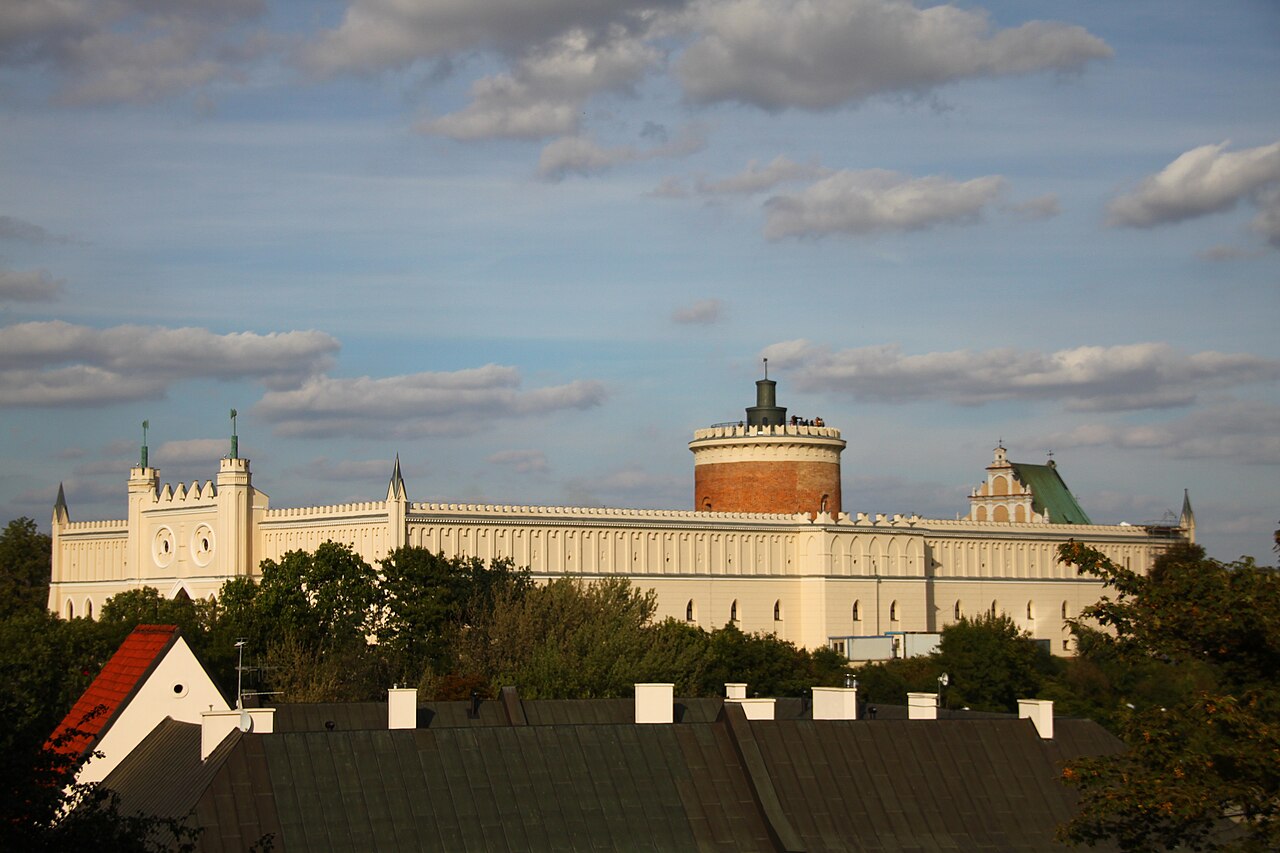
Lublin Castle (Polish: Zamek Lubelski) is a significant medieval hill castle located in the city of Lublin, Poland. It stands on a strategic hill adjacent to the city's Old Town district, near the center of Lublin. The castle is one of the oldest preserved royal residences in Poland, with origins tracing back to the 12th century. It was initially established under the reign of High Duke Casimir II the Just, a prominent figure in Polish history who played a key role in the castle's early development. Historical origins and early development The castle's foundation in the High Medieval period marked it as a vital stronghold in the region. Its location on a hill provided natural defensive advantages, which were enhanced by man-made fortifications. Over the centuries, Lublin Castle served various functions, including a royal residence, a defensive fortress, and later a prison. Its strategic importance was linked to its position on trade routes and its role in safeguarding the eastern borders of the Polish kingdom. Architectural evolution and gothic revival reconstruction While the castle's original structure was built in the Romanesque and early Gothic styles typical of the 12th century, much of its current appearance owes to a comprehensive 19th-century Gothic Revival reconstruction. This restoration aimed to revive medieval architectural elements, emphasizing pointed arches, decorative battlements, and towers that reflect the romanticized vision of medieval castles popular in that era. The castle complex includes a keep, defensive walls, and a chapel. The Chapel of the Holy Trinity within the castle is particularly notable for its well-preserved Renaissance polychrome murals, which are among the oldest in Poland and provide valuable insights into the art and religious culture of the period. The castle's role through history Throughout its history, Lublin Castle has witnessed many significant events. It was a residence for Polish monarchs and a site of political importance. Later, it was converted into a prison, notably during the partitions of Poland and under various regimes. The castle's prison function continued into the 20th century, including during World War II, when it was used by occupying forces. Today, the castle houses the Lublin Museum, which displays a rich collection of art, historical artifacts, and exhibits dedicated to the castle's history and the broader cultural heritage of the region. Architectural features and layout The castle's layout reflects its defensive origins, with thick stone walls and a commanding position overlooking the city. Its hill castle classification is due to its elevated site, which provided natural protection and a vantage point for surveillance and defense. The castle's main entrance is fortified with a gatehouse and defensive towers. Inside, the courtyard serves as the central organizing space, surrounded by residential and administrative buildings. The combination of medieval fortifications and later Gothic Revival elements creates a unique architectural ensemble that illustrates the castle's long and varied history. Cultural significance and preservation Lublin Castle is a protected heritage site and an important symbol of the city's medieval past. Its preservation allows visitors to explore Poland's royal history and architectural traditions. The castle's museum and cultural events contribute to its role as a center for education and tourism in Lublin. Efforts to maintain and restore the castle continue, ensuring that its historical fabric and artistic treasures remain accessible for future generations. The castle's blend of original medieval structures and 19th-century restorations offers a tangible connection to Poland's complex history.

High Medieval (11th–13th c.)
Details