Knappogue Castle
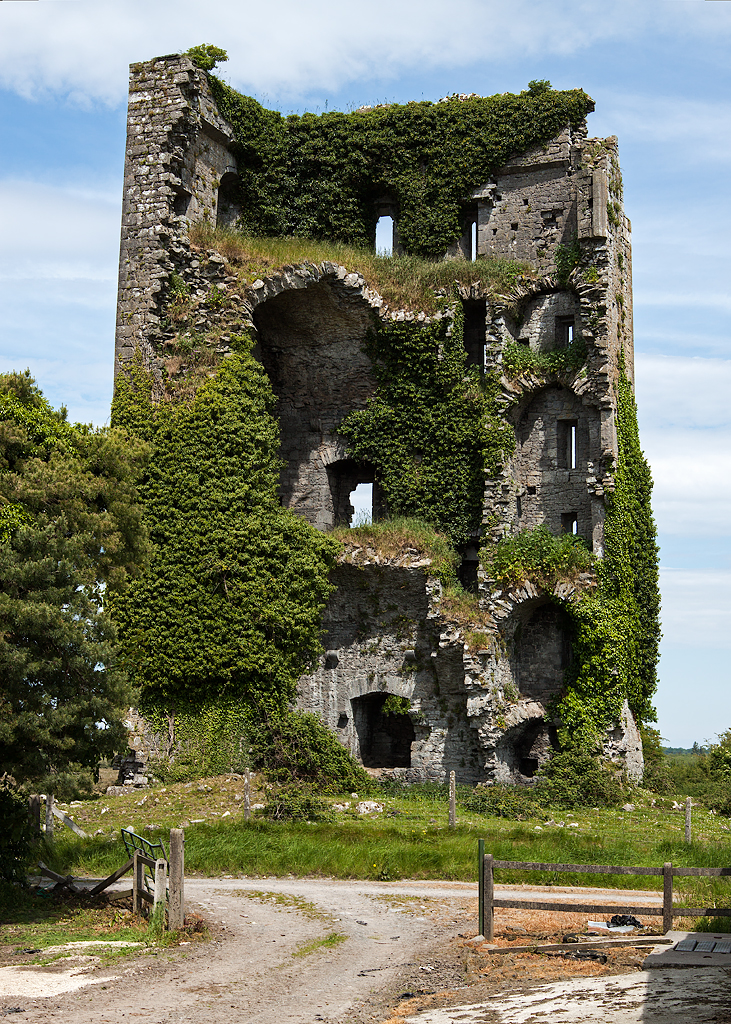
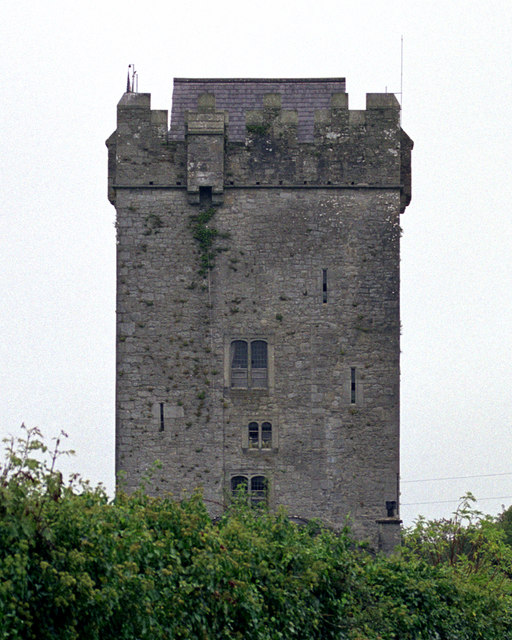
Knappogue Castle is a remarkable example of a late medieval Irish tower house, originally built in 1467 in the parish of Quin, County Clare, Ireland. The castle's name translates as "castle of the place abounding in little hills," a fitting description of its scenic surroundings. Constructed by Seán Mac Conmara, son of Síoda Mac Conmara, it served as the stronghold of the MacNamara family, a prominent Gaelic Irish sept who played a significant role in the region's history.
This 15th-century tower house exemplifies the typical defensive and residential architecture of Irish castles from the period, featuring thick stone walls, narrow windows, and a vertical layout designed to provide both protection and habitation. The castle's strategic location on a slight elevation allowed for surveillance of the surrounding landscape, an important feature for defense during the turbulent medieval era.
Historical significance and ownership lineage
Knappogue Castle was the seat of the MacNamara sept by 1571, who held the title Earls of West Clancullen. During the Irish Rebellion of 1641, Donnchadh Mac Conmara, a lord of the castle, was a key leader, and the castle remained under MacNamara control throughout the Irish Confederate Wars of the 1640s. However, following the Cromwellian conquest of Ireland (1649–1653), the castle was confiscated under the Adventurers’ Act and granted to Arthur Smith, an English Parliamentarian, who occupied it from 1659 to 1661. After the Restoration of the monarchy in 1660, ownership reverted to the MacNamara family.
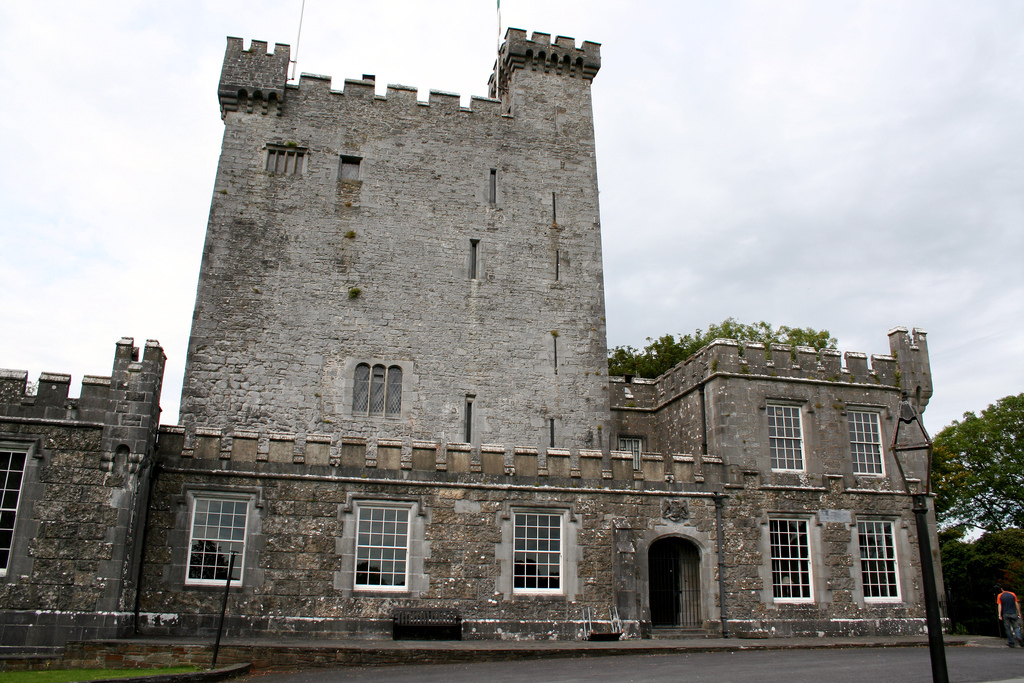
In 1800, Francis MacNamara, then High Sheriff of Clare, sold Knappogue Castle to the Scott family of Cahircon, who undertook significant restoration and expansion. Later, in 1855, Theobold Fitzwalter Butler, 14th Baron Dunboyne, acquired the castle, making it the family seat. The Dunboyne family continued restoration efforts, adding a drawing-room, long room, west wing, clock tower, and gateway, designed by architects James and George Richard Pain. These additions reflect the 19th-century architectural styles and the Victorian era's interest in enhancing medieval structures for residential use.
During the Irish War of Independence (1919–1921), the castle served as a meeting place for Clare County Council and was guarded by the East Clare Flying Column. Michael Brennan, commander of the East Clare Brigade, established his headquarters there, highlighting the castle's continued strategic and symbolic importance.
In 1927, the Irish Land Commission purchased the estate and transferred ownership to the Quinn family, local farmers. Under their care, the castle fell into disrepair until 1966, when Mark Edwin Andrews, a former U.S. Navy Assistant Secretary, and his wife Lavonne, an American architect, acquired it. Their extensive restoration around 1969, supported by the Shannon Free Airport Development Company and Bord Fáilte Éireann, aimed to return much of the castle to its 15th-century condition while preserving the later additions.
Later, Andrews leased part of the castle to the Irish government for cultural and tourism purposes. In 1996, Shannon Heritage acquired Knappogue Castle, and it remains a preserved historic site open to the public, reflecting its layered history and architectural evolution.
Architectural features and expansions
Original tower house design
The core of Knappogue Castle is its late medieval tower house structure, typical of Irish residential castles built in the 15th century. It features thick limestone walls designed for defense against sieges, with narrow slit windows and battlements atop the parapets. The vertical design includes multiple floors connected by narrow spiral staircases, allowing defenders to control access and maintain a strong defensive position.
The interior originally contained a great hall, private chambers, storage rooms, and a kitchen, arranged vertically to maximize space within the fortified footprint. The castle's design reflects the dual purpose of tower houses as both noble residences and defensive structures during a period of frequent clan warfare and English incursions.
19th-century additions and restoration
The mid-19th-century expansions under the Scott family and later the Dunboyne family introduced a drawing-room, long room, west wing, clock tower, and an ornate gateway. These additions were designed by the notable architects James and George Richard Pain, who were influential in Ireland during the early Victorian period.
The architectural style of these expansions blends Gothic Revival elements with Victorian residential features, enhancing the castle's grandeur while respecting its medieval origins. The clock tower, a prominent feature, added both aesthetic appeal and practical function, symbolizing the castle's transition from a purely defensive stronghold to a stately home.
Gardens and grounds
The castle is set within grounds that include a historic garden established in 1817. Covering approximately 1.248 acres (0.505 hectares), the garden has been restored to its original layout with stone walls adorned by climbing roses, grapevines, and various species of clematis. This restoration reflects the 19th-century romantic style of garden design, emphasizing natural beauty and ornamental plantings.
The garden provides a serene complement to the castle's imposing stone structure, offering visitors a glimpse into the lifestyle and aesthetic preferences of its 19th-century inhabitants. It also serves as a venue for events, including weddings and medieval banquets, enhancing the castle's role as a cultural and heritage attraction.
Modern use and public access
Today, Knappogue Castle is well preserved and open to the public through guided tours that explore its rich history and architecture. The castle hosts weddings, medieval banquets, and cultural events, making it a vibrant part of Ireland's heritage tourism. Its restoration and maintenance have ensured that visitors can experience both the medieval origins and the Victorian enhancements of this unique castle.
Additionally, the castle's name has been adopted for a popular Irish whiskey brand, "Knappogue Castle," produced by the Castle Brands company, further cementing its cultural significance beyond its architectural and historical value.
Frequently asked questions (FAQ)
- What is the historical significance of Knappogue Castle?
- Knappogue Castle is a 15th-century tower house located in Quin, Ireland, and is rich in history. Originally built by the MacNamara family, it played a significant role during the turbulent times of the Irish Wars and has been beautifully restored to showcase its historical importance.
- When was Knappogue Castle built?
- Knappogue Castle was constructed in 1467 and has since become a symbol of medieval architecture in Ireland. Its impressive structure and well-preserved features provide visitors with a glimpse into the past.
- What are the opening hours for Knappogue Castle?
- Knappogue Castle typically opens to visitors from April to October, with specific hours varying by season. It’s advisable to check the official website for the most up-to-date information on hours of operation before your visit.
- Can I tour Knappogue Castle?
- Yes, guided tours of Knappogue Castle are available, allowing visitors to explore its fascinating history and architecture. The knowledgeable guides provide insights into the castle’s past and its significance in Irish heritage.
- Is Knappogue Castle accessible for visitors with mobility challenges?
- Knappogue Castle has made efforts to accommodate visitors with mobility challenges, although certain areas may still pose difficulties due to the castle's historic nature. It’s recommended to contact the castle staff in advance to discuss specific accessibility needs.
- What is the best time to visit Knappogue Castle?
- The best time to visit Knappogue Castle is during the late spring and early summer months when the weather is typically mild and pleasant. Visiting during these months also allows you to enjoy the castle's gardens and surrounding landscape in full bloom.
- Are there any nearby attractions to visit along with Knappogue Castle?
- Yes, there are several nearby attractions, including the picturesque village of Quin and the stunning Cliffs of Moher. Visitors can also explore the Burren National Park, making for an enriching day trip in the region.
- What are the ticket prices for visiting Knappogue Castle?
- Ticket prices for Knappogue Castle vary, with discounts often available for children, seniors, and families. It’s best to check the official website for the latest pricing information and any special offers that may be available during your visit.
Information
Website
Visit websiteSources & official resources
Verify the information above using these authoritative references.
Loading map...
Visitor reviews
No reviews yet. Been here? Write the first review and help other travelers!
Write the first reviewVisited this castle? Share your experience
Your review helps other travelers and adds first-hand knowledge to our encyclopedia.