Kldekari Fortress — Georgia castle

Kldekari Fortress

Kldekari fortress in Georgia: history and architecture
Early Medieval (5th–10th c.)
Ruins

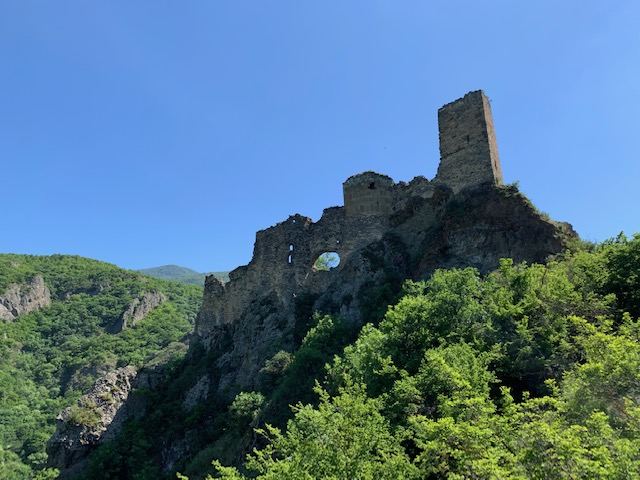
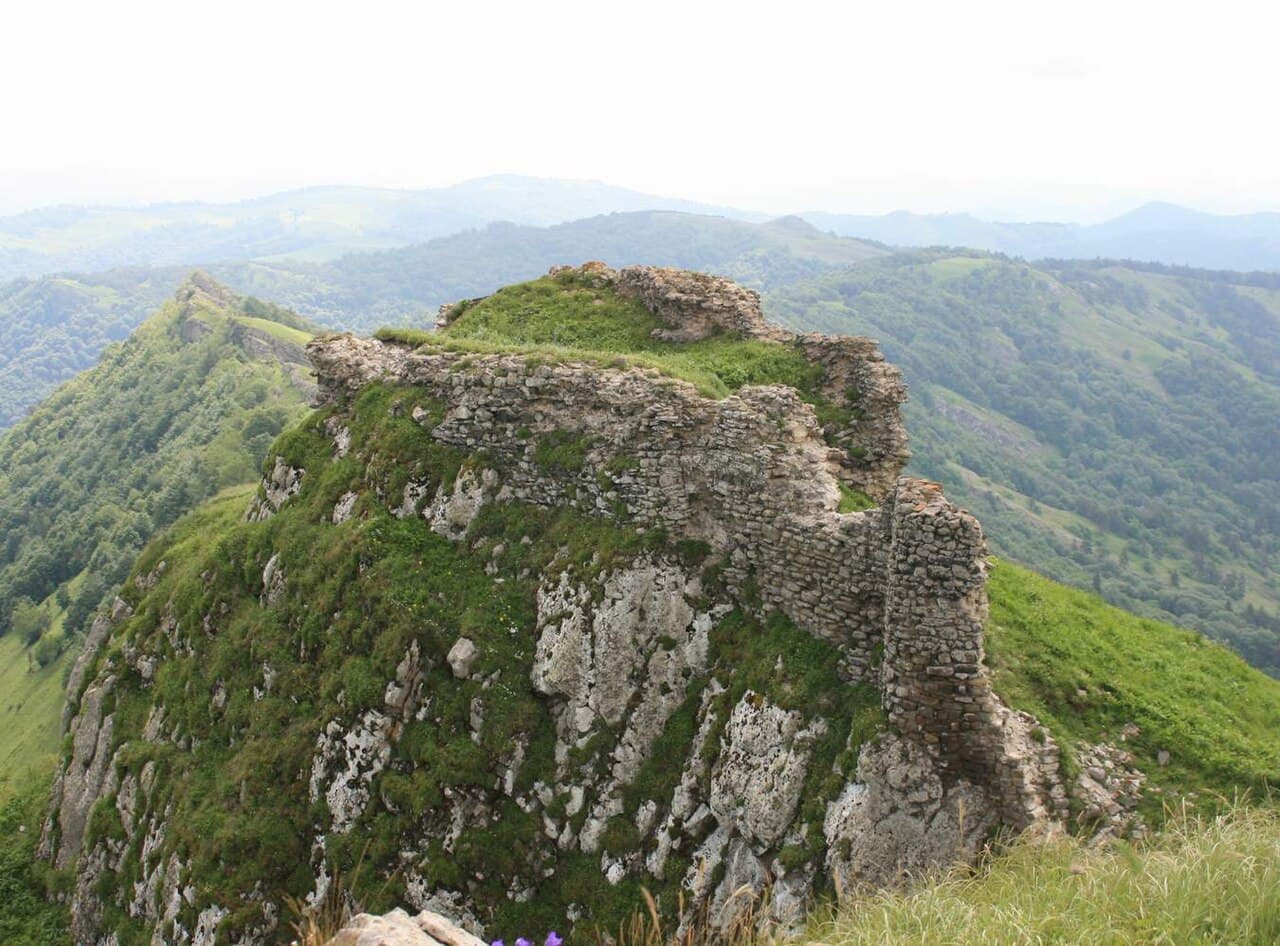
Kldekari Fortress (Georgian: კლდეკარის ციხესიმაგრე) is a significant historical stronghold located in the Trialeti Range near the spa town of Manglisi in the Tetritsqaro Municipality of Georgia. Perched on a rocky peak formed by molten rock, the fortress commands panoramic views over the surrounding regions, including the southern areas of Tsalka and Manglisi, as well as the northern Tana and Tedzami Valleys. The name "Kldekari" translates to "rock door," referencing the natural rock formations that create a strategic passage, marking the fortress's importance as a gateway and defensive site.

Historical background and significance

The fortress was established in the 9th century following the relocation of the Argveti feudal lord Liparit I Baghvashi to the Trialeti region in the 770s. This move marked the beginning of Kldekari's role as the center of the Kldekari Saeristavo, a feudal administrative district governed by the Liparitid family for approximately two centuries. During this period, the fortress served not only as a military bastion but also as a political hub for the Liparitids, who wielded considerable influence in Georgian affairs.

Despite their power, the Liparitids eventually faced challenges from the central Georgian royal authority. The fortress was seized multiple times by the royal government as part of efforts to curb the growing autonomy and influence of the feudal lords. These conflicts highlight Kldekari's strategic importance in the medieval power dynamics of Georgia.

Architectural features and fortress layout

Kldekari Fortress is classified as a bastioned fortress, a type characterized by angular bastions projecting outward from the main walls to provide defensive coverage against attackers. The fortress takes advantage of its rocky peak location, integrating natural geological features into its defensive design. The rocky outcrop not only provided a natural barrier but also elevated the fortress, allowing defenders to monitor and control key routes through the region.

The ruins that remain today reveal substantial defensive walls constructed from local stone, with remnants of bastions and towers that once formed a complex fortification system. The fortress's design reflects medieval military architecture adapted to the challenging terrain of the Trialeti Mountains. The walls were likely thick and high, incorporating battlements and arrow slits to repel invaders.

Natural defenses and strategic position

The fortress's position on a volcanic rock formation created a natural gateway, which was crucial for controlling access to the Trialeti region. This geological feature gave Kldekari a commanding presence over the surrounding valleys and routes, making it a vital military and trade checkpoint. The ability to oversee the Tana and Tedzami Valleys to the north and the Tsalka and Manglisi areas to the south allowed for early warning of approaching forces and facilitated control over the movement of goods and people.

Preservation and current condition

Today, Kldekari Fortress exists as ruins, with significant portions of its walls and bastions still visible. The site is preserved as a cultural heritage monument, attracting visitors interested in Georgia's medieval history and military architecture. The rugged terrain and the fortress's elevated position make access challenging, but the panoramic views and historical significance offer a compelling experience for those who visit.

Efforts to maintain and protect the ruins focus on preventing further deterioration while allowing archaeological study. The fortress stands as a testament to the medieval feudal power struggles and architectural ingenuity in Georgia's mountainous regions.

Role in Georgian feudal history

Kldekari Fortress played a central role in the regional power structure of medieval Georgia. As the seat of the Liparitid family, it was a symbol of their authority and military strength. The repeated attempts by the Georgian royal government to seize the fortress underscore its importance in controlling the Trialeti area and maintaining the balance of power between feudal lords and the monarchy.

The fortress's history reflects broader themes in Georgian medieval history, including feudal fragmentation, the assertion of royal authority, and the strategic use of natural landscapes for defense. Its location at a crossroads made it a focal point for trade and military campaigns alike.

Visiting Kldekari fortress

Visitors to Kldekari Fortress can explore the extensive ruins and enjoy sweeping views of the surrounding valleys. The site offers insights into medieval fortification techniques and the historical context of Georgia's feudal era. Due to its remote location, visitors are advised to prepare for a hike and to wear appropriate footwear for uneven terrain.

Frequently asked questions (FAQ)

How do I get to Kldekari Fortress?
Kldekari Fortress is located near Manglisi in the Trialeti Range. Visitors typically reach it by road to Manglisi followed by a hike up the rocky terrain to the fortress ruins.
What is the historical significance of Kldekari Fortress?
Kldekari Fortress was the center of the Kldekari Saeristavo and the seat of the Liparitid feudal lords in the 9th to 11th centuries. It played a key role in medieval Georgian politics and military defense.
Is Kldekari Fortress accessible to visitors year-round?
The fortress ruins are accessible year-round, but visitors should consider weather conditions as the mountainous terrain can be challenging, especially in winter or rainy seasons.
Can I explore the entire fortress?
While much of the fortress is in ruins, visitors can explore the main walls, bastions, and rocky outcrops. Some areas may be unsafe due to the condition of the ruins, so caution is advised.
Are there guided tours available at Kldekari Fortress?
Currently, there are no official guided tours at Kldekari Fortress, but local guides in Manglisi may offer informal tours or historical explanations.

Photo gallery

Kldekari Fortress
Click to view

Photo by Aleksey Muhranoff•CC BY-SA 3.0

1 photo • Click any image to view in full screen

Information

Bastioned Fortress

Loading map...

Visitor reviews

No reviews yet. Been here? Write the first review and help other travelers!

Write the first review

Visited this castle? Share your experience

Your review helps other travelers and adds first-hand knowledge to our encyclopedia.

Write a review

(5/5)

0/2000 characters

Your review will be visible after admin approval

Nearby castles

14.7 km

Drisi Castle

Chkopiani, Georgia

Drisi Castle is a medieval fortress located on a rocky mountain west of the village of Chkopiani, within the Kaspi municipality of the Shida Kartli region in Georgia. Perched above the Tedzami River gorge, the castle occupies a strategic position that commands views over the surrounding landscape. Its irregular ground plan closely follows the natural contours of the rocky peak on which it is built, a common feature of mountain castles designed to maximize natural defenses. Historical context and ownership While detailed records about Drisi Castle are scarce, it is known to have belonged to the Javakhishvili family during the Middle Ages. This noble Georgian family played a significant role in the region's history, and their possession of the castle underscores its importance as a feudal stronghold. Some historians speculate that Drisi Castle may be identified with the Cchireti Castle, reputed to have served as the summer residence of Luarsab II of Kartli, a prominent 17th-century Georgian monarch. However, this identification remains tentative due to limited documentary evidence. Architectural features and layout The castle's architecture is typical of mountain fortresses from the medieval period in Georgia. Its irregular plan is dictated by the rocky terrain, with fortification walls adapting to the natural rock formations. This integration of architecture with the landscape provided enhanced defensive capabilities, making direct assaults difficult. The castle likely included defensive towers, curtain walls, and a gatehouse, though much of the structure today is in ruins and detailed architectural elements are not well documented. Location and natural defenses Built on a steep rocky peak, Drisi Castle leverages the natural topography for defense. The elevation above the Tedzami River gorge created a formidable barrier against invaders. The rugged terrain surrounding the castle would have limited access points, forcing any approaching force to navigate narrow paths and steep climbs, which would have been easily defended by the castle’s garrison. Access and current condition Currently, Drisi Castle is accessible to visitors, though reaching it requires a moderate hike. There is reportedly a path leading to the castle from the east, but it can be difficult to locate and navigate safely without local guidance. Visitors often approach from the nearest road, which involves about a 20-minute hike through uneven terrain. Due to its ruined state, care is advised when exploring the site. Visitor experience and views Despite the challenges in accessing the castle, visitors are rewarded with spectacular views of the Tedzami River gorge and the surrounding Shida Kartli region. The castle’s elevated position offers panoramic vistas that highlight its strategic importance in controlling the valley below. The site remains a point of interest for history enthusiasts and hikers exploring the Georgian countryside. Significance and preservation Drisi Castle represents an example of Georgian medieval military architecture adapted to mountainous terrain. Although much of its history and detailed structure remain obscure, it reflects the feudal era’s defensive strategies and noble residence patterns. Preservation efforts are minimal, and the castle exists primarily as ruins, yet it holds cultural and historical value within the region. Potential for archaeological study The limited documentation and physical remains suggest that further archaeological investigation could yield valuable insights into the castle’s construction phases, usage, and historical context. Such studies would contribute to a deeper understanding of medieval fortifications in Georgia and the role of the Javakhishvili family in regional politics.

Late Medieval (14th–15th c.)
Details
15.1 km
Drisi Javakhaant Castle — Georgia castle

Drisi Javakhaant Castle

, Georgia

The Drisi Javakhaant castle (Georgian: დრისის ჯავახაანთ ციხე, romanized: drisis javakhaant tsikhe), also known as Javakhaant castle, is a notable hill castle situated in the Kaspi Municipality of Georgia. Perched on a prominent rock formation on the left bank of the Tedzami River, it lies approximately 400 meters west of the village of Chqopiani. This strategic location provided natural defensive advantages, making it a significant stronghold in the region. Architectural composition and layout The fortress complex is composed of several key elements that reflect the multifunctional nature of medieval Georgian fortifications. It includes a main castle structure, encompassing defensive walls, a church, a tower, and a palace. The castle is built directly atop the rock, integrating the natural terrain into its defensive design, a common feature in hill castles that maximizes visibility and protection. The defensive walls encircle the castle, forming a barrier against invaders. The presence of a tower within the complex suggests a lookout or strongpoint for surveillance and defense. The church within the walls indicates the spiritual and communal importance of the site, serving both the castle inhabitants and possibly the surrounding population. The palace area within the fortress likely functioned as the residential quarters for the ruling elite or local nobility, highlighting the castle's role not only as a military installation but also as a center of governance and administration. Historical significance and status Recognized for its cultural and historical value, the Drisi Javakhaant castle was designated a Monument of National Importance by a presidential decree in 2006. This status underscores the castle's importance in Georgia's national heritage and its preservation as a site of archaeological and architectural interest. The castle's exact construction date is not definitively documented, but its architectural features and location suggest it was established during the medieval period, serving as a defensive and administrative center in the region. Strategic location and defensive features The castle's placement on a rocky hill overlooking the Tedzami River provided natural defenses against attacks. The elevation allowed defenders to monitor the surrounding landscape and control movement along the river valley, a critical factor in medieval military strategy. The integration of the castle's walls with the rock base enhanced its fortification, making direct assaults difficult. The tower's vantage point would have been essential for early warning and coordination during sieges or conflicts. Architectural style and construction techniques While specific stylistic details are limited, the castle's construction reflects typical medieval Georgian military architecture, which often combined robust stone masonry with the natural terrain. The use of local stone materials and the adaptation to the rocky site demonstrate practical engineering approaches of the time. The church within the castle likely features traditional Georgian ecclesiastical architectural elements, such as a cross-dome plan and stone carvings, common in medieval Georgian religious buildings. Current condition and accessibility The Drisi Javakhaant castle remains a partially preserved site, with some structures intact enough to convey its historical form. Its designation as a Monument of National Importance has helped protect it from further deterioration. Located near the village of Chqopiani, the castle is accessible to visitors interested in Georgian history and medieval architecture, although facilities and detailed visitor information may be limited due to its remote location.

Details
18.2 km

Noste Castle

Noste, Georgia

Noste Castle is a historic fortress located in the foothills south of the village of Noste, within the Kaspi municipality of the Shida Kartli region in Georgia. This castle stands as a notable example of late medieval Georgian military architecture, reflecting the strategic importance of the region during the 15th century. Historical background and significance The origins of Noste Castle trace back to the 15th century, when it was likely constructed under the direction of Duke Ivane Saakadze, a prominent noble figure of the time. The castle gained further historical prominence in 1603 when Prince Giorgi Saakadze, a distinguished Georgian politician and military commander, took residence within its walls. Prince Giorgi Saakadze played a significant role in Georgian history, and his association with Noste Castle adds to its cultural and historical value. Throughout its history, the castle served as a stronghold and residence for the Saakadze family, a noble lineage influential in Georgian affairs during the late medieval and early modern periods. The castle's location in the strategic Kaspi municipality allowed it to function as a defensive bastion controlling access through the Shida Kartli region. Architectural features and layout The surviving structures of Noste Castle include a slender tower keep dating from the 17th century. This tower functioned as the main defensive and residential element of the castle, typical of Georgian fortifications of the period. The tower's vertical design emphasizes defense and surveillance capabilities, with thick stone walls and narrow windows designed for archers. In addition to the tower, archaeological excavations have uncovered the foundations of a former two-storey palace and stables dating to the 18th century. These structures indicate the castle's evolution from a purely military fortress to a more complex residential and administrative center. East of the castle walls, the foundations of a bath house were also discovered, reflecting the lifestyle and amenities available to its inhabitants. The castle's construction utilized local stone materials, with masonry techniques characteristic of the late medieval period in Georgia. The layout suggests a compact fortified complex designed to maximize defense while providing functional living quarters. Restoration and current condition During the Soviet era, Giorgi Saakadze was celebrated as a national hero, which led to efforts to consolidate and preserve the ruins of Noste Castle. These restoration activities aimed to stabilize the remaining structures and improve accessibility for visitors. Today, Noste Castle is classified as a partially preserved ruin. The slender tower remains the most prominent feature, standing as a testament to the castle's medieval origins. The foundations of the palace, stables, and bath house provide valuable archaeological insights but remain exposed as ruins. The site is freely accessible to the public, offering visitors a glimpse into Georgian medieval fortification architecture and the historical legacy of the Saakadze family. The castle's modest size and preserved elements make it an interesting destination for those exploring the cultural heritage of the Shida Kartli region. Visiting information and accessibility Noste Castle can be reached by local roads from the village of Noste and the nearby town of Kaspi. The castle's location in the foothills provides scenic views of the surrounding landscape, enhancing the visitor experience. As a freely accessible ruin, there are no entrance fees or formal visiting hours, allowing visitors to explore the site at their own pace. However, the lack of extensive facilities means visitors should prepare accordingly, bringing water and suitable footwear for uneven terrain. The castle is a suitable destination for history enthusiasts, architecture students, and travelers interested in Georgian medieval heritage. Nearby attractions in the Shida Kartli region include other historical sites and natural landmarks that complement a visit to Noste Castle.

Late Medieval (14th–15th c.)
Details