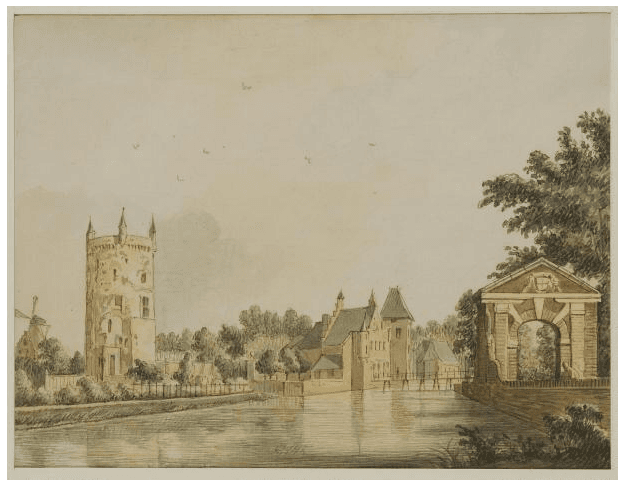
Kasteel te Culemborg
Kasteel te Culemborg is a medieval castle located in the Netherlands, known today primarily for its archaeological ruins. Though much of the original structure has not survived intact, the site offers valuable insights into the region's medieval fortifications and castle architecture.
Historical background and significance
The castle dates back to the High Medieval period, a time when fortified residences were essential for local lords to assert their power and protect their domains. Kasteel te Culemborg was strategically positioned to oversee and control the surrounding lands, which were important for trade and defense.
Throughout its history, the castle witnessed various phases of construction, alteration, and eventual decline. It served as both a defensive stronghold and a noble residence, reflecting the dual military and domestic functions typical of castles from this era.
Architectural features and layout
Although only ruins remain, archaeological excavations have revealed the castle's original layout, which included a motte—a raised earthwork mound—typical of early medieval fortifications. The motte would have supported a keep or donjon, providing a last line of defense.
Surrounding the motte, remnants of a bailey or courtyard have been identified, likely enclosed by defensive walls and ditches. These areas would have housed various outbuildings, stables, and workshops necessary for the castle's operation.
The castle's defensive structures included moats and earthworks, designed to hinder attackers. The use of local materials such as brick and stone is evident in the surviving foundations, reflecting typical construction methods in the region during the medieval period.
Archaeological research and preservation
Modern archaeological efforts at Kasteel te Culemborg have focused on uncovering the castle's footprint and understanding its historical context. Excavations have provided information on the castle's phases of occupation and construction techniques.
Preservation of the ruins is ongoing, with measures taken to protect the site from further degradation. Interpretive signage and pathways have been established to facilitate public access and education about the castle's historical importance.
Visiting Kasteel te Culemborg
Visitors to the site can explore the visible ruins and enjoy the surrounding landscape, which retains elements of the castle's original defensive setting. While no extensive structures remain, the site offers a tangible connection to the medieval past of the Netherlands.
The castle's location within the town of Culemborg makes it accessible for tourists interested in Dutch history and medieval architecture. Nearby attractions include the historic town center and other heritage sites.
Frequently asked questions (FAQ)
- How do I get to Kasteel te Culemborg?
- Kasteel te Culemborg is easily accessible by public transportation, with regular train and bus services connecting it to major cities in the Netherlands. If you're driving, there are parking facilities nearby, making it convenient for visitors arriving by car.
- What is the historical significance of Kasteel te Culemborg?
- Kasteel te Culemborg dates back to the 14th century and has played a crucial role in the region's history, serving as a residence for nobility and a strategic defense point. Its architecture reflects the medieval style, showcasing the evolution of fortifications over the centuries.
- When was Kasteel te Culemborg built?
- Construction of Kasteel te Culemborg began in the late 14th century, around 1380, and it has undergone various renovations and expansions since then. The castle's rich history is evident in its well-preserved structures and the stories that accompany them.
- Can I take a guided tour of Kasteel te Culemborg?
- Yes, guided tours are available at Kasteel te Culemborg, providing visitors with in-depth insights into its history and architecture. These tours enhance the experience, allowing guests to appreciate the castle's significance while learning intriguing anecdotes from knowledgeable guides.
- Why is Kasteel te Culemborg a popular tourist attraction?
- Kasteel te Culemborg attracts visitors due to its stunning medieval architecture and rich historical background, making it a must-see for history enthusiasts. Additionally, its picturesque surroundings and accessibility make it a perfect destination for a day trip.
- Is it possible to host events at Kasteel te Culemborg?
- Yes, Kasteel te Culemborg offers facilities for hosting various events, including weddings, corporate meetings, and private celebrations. The unique setting of the castle provides a memorable backdrop for any occasion, making it a desirable location for event planners.
- What are the opening hours for Kasteel te Culemborg?
- Kasteel te Culemborg is typically open to visitors from Tuesday to Sunday, with specific hours varying by season. It’s advisable to check the official website for the most current information on opening hours before planning your visit.
- What are the ticket prices for Kasteel te Culemborg?
- Ticket prices for Kasteel te Culemborg vary based on age and group size, with discounts often available for children, seniors, and large groups. It's best to visit the castle's website for the latest pricing details and any special offers that may be available during your visit.
- When is the best time to visit Kasteel te Culemborg?
- The best time to visit Kasteel te Culemborg is during the spring and summer months when the weather is pleasant, and the surrounding gardens are in full bloom. Additionally, the castle often hosts special events and activities during these seasons, enhancing the visitor experience.
- Are there any nearby attractions to visit?
- Yes, there are several attractions near Kasteel te Culemborg, including beautiful parks, museums, and the charming town center of Culemborg. Exploring the local area can provide a fuller experience of the rich culture and history the region has to offer.
Photo gallery

Photo by Cornet, Jacobus Ludovicus, original Jan de Beijer•Public domain
Information
Loading map...
Visitor reviews
No reviews yet. Been here? Write the first review and help other travelers!
Write the first reviewVisited this castle? Share your experience
Your review helps other travelers and adds first-hand knowledge to our encyclopedia.


