Kasbah of the Udayas
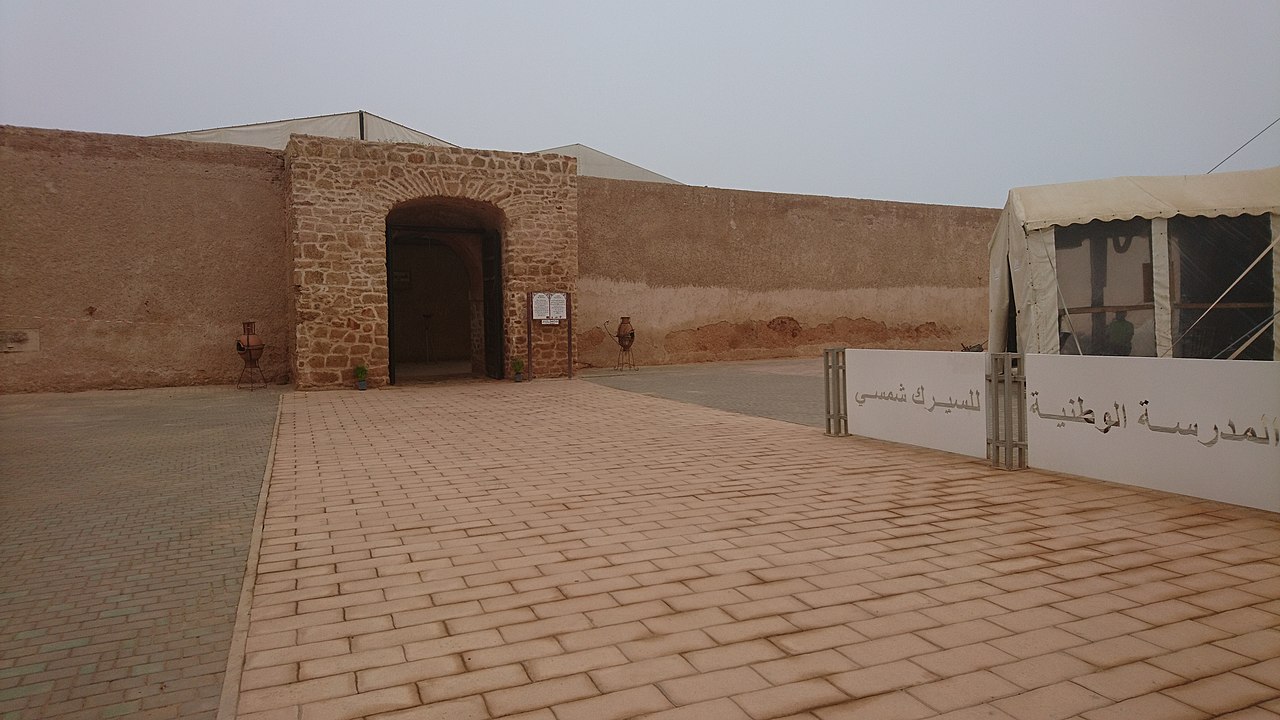
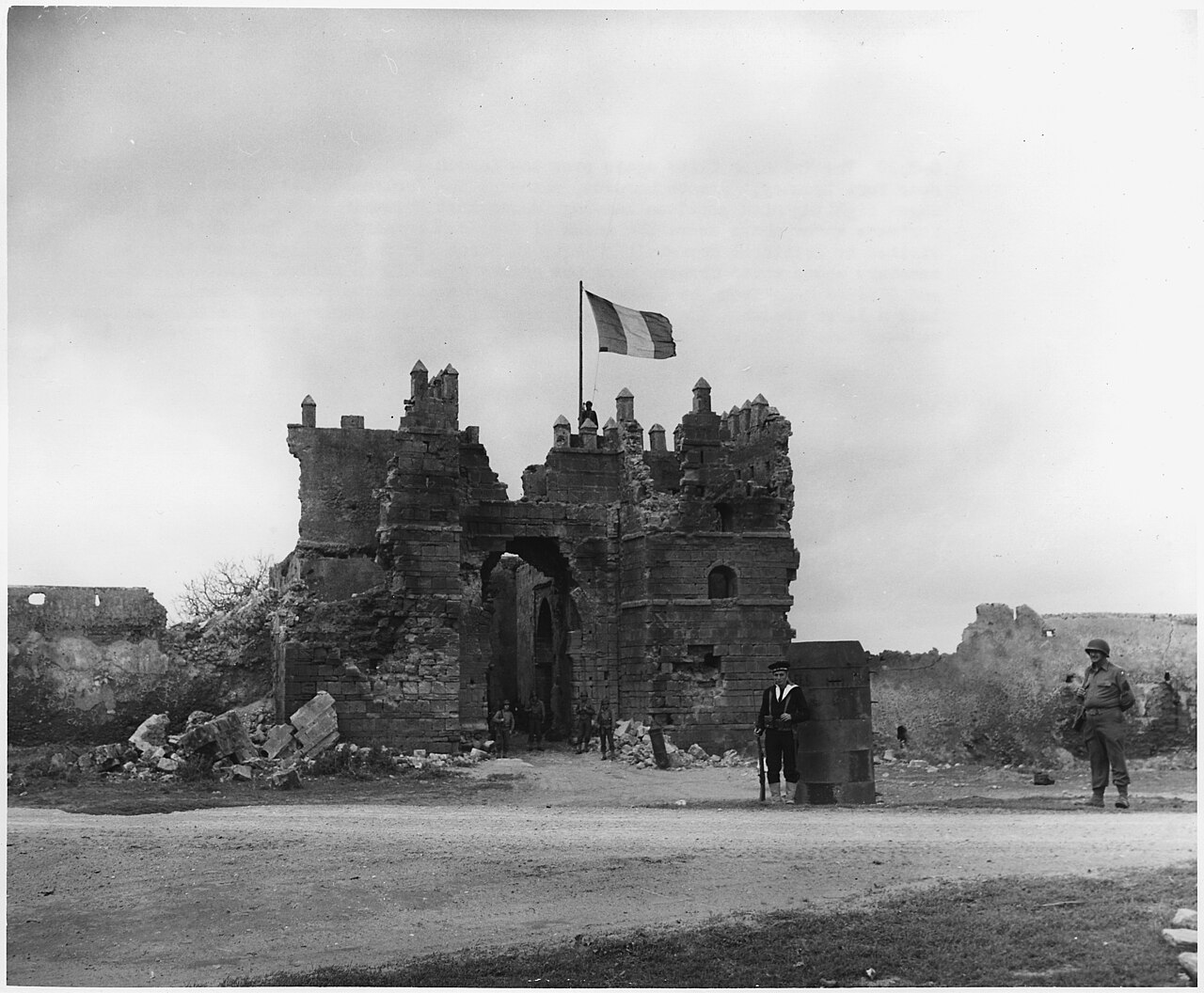
The Kasbah of the Udayas (Arabic: قصبة الأوداية, romanized: Qaṣbat al-Awdāya) is a prominent bastioned fortress located in Rabat, Morocco. This 12th-century citadel sits strategically on a hill at the mouth of the Bou Regreg River, directly opposite the city of Salé and adjacent to the historic Medina quarter of Rabat. The kasbah is a significant example of Islamic military architecture and is recognized as part of the UNESCO World Heritage Site encompassing Rabat's historic landmarks.
Historical context and significance
The Kasbah was originally constructed in the 12th century during the reign of the Almohad dynasty, a Berber Muslim empire that controlled much of North Africa and the Iberian Peninsula. It was established as a fortified military post to defend the river mouth and the city against potential invasions from the sea and rival factions. Over centuries, it has served as a military garrison, a royal residence, and a community settlement, reflecting the layered history of Morocco's medieval period.
The kasbah’s location was chosen for its commanding views over the Atlantic Ocean and the Bou Regreg estuary, making it a critical point for controlling maritime access and overseeing trade routes. Its proximity to the Medina of Rabat allowed it to function as both a defensive stronghold and a center of administrative power.
Architectural features and layout
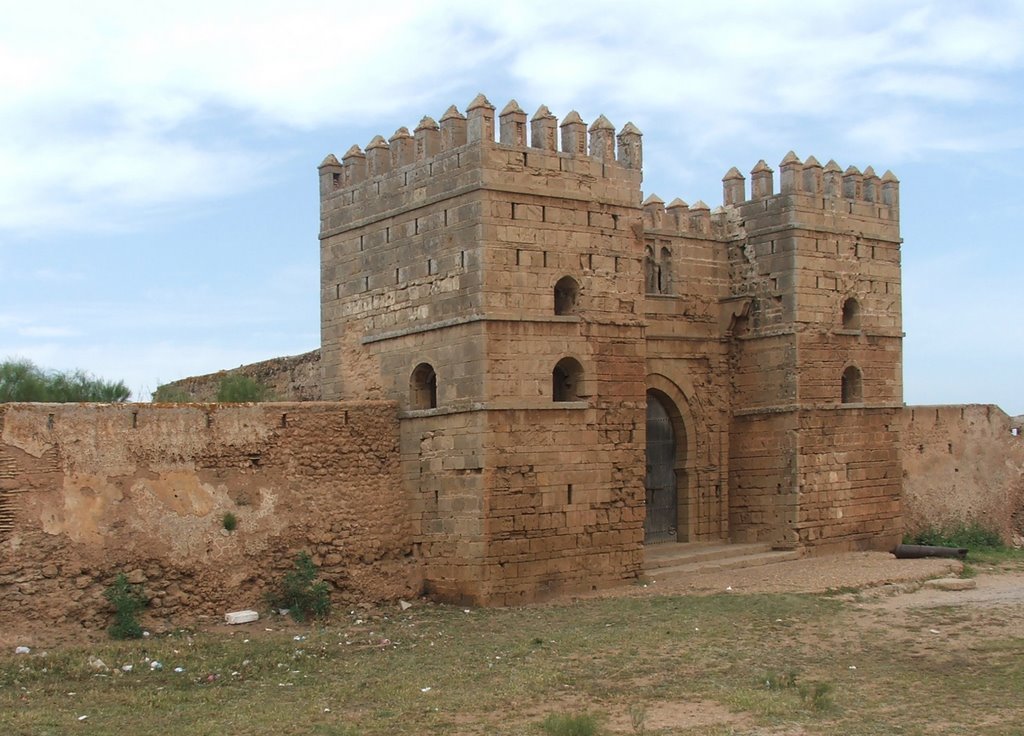
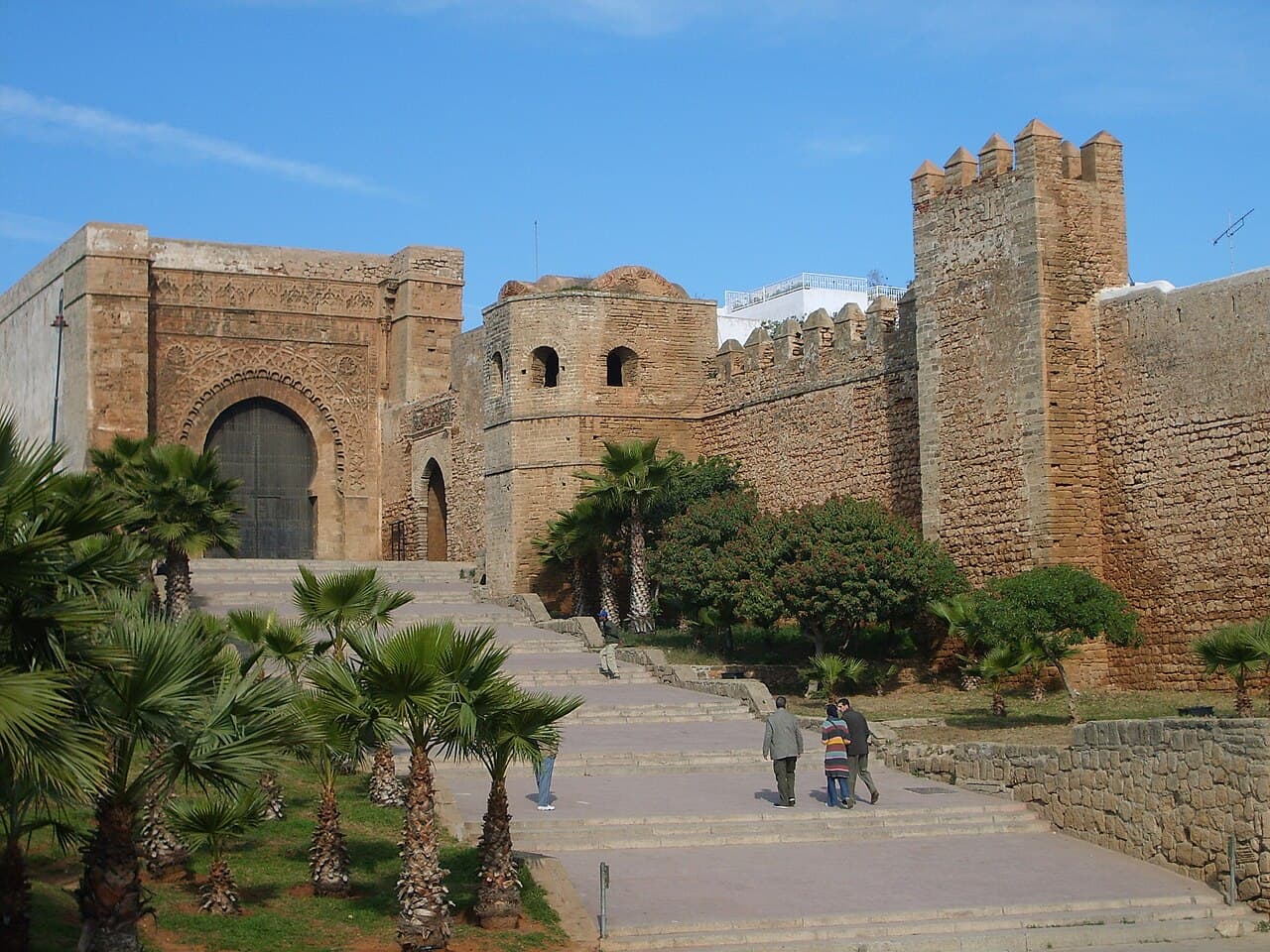
The Kasbah of the Udayas exemplifies Islamic and Almohad military architecture with its robust fortified walls and bastions designed to withstand attacks. The fortress is characterized by its thick, high walls made from stone and rammed earth, punctuated by defensive towers and bastions that provided vantage points for surveillance and defense.
The main entrance, known as Bab Oudaia, is a monumental gate featuring intricate horseshoe arches and decorative zellij tilework typical of Moroccan craftsmanship. Inside the kasbah, narrow alleys and whitewashed houses with blue doors create a picturesque residential neighborhood, blending military architecture with traditional urban living spaces.
The kasbah also includes a mosque, a gardens area, and remnants of palatial structures that once housed the ruling elite. The layout reflects a multifunctional fortress designed to accommodate both defense and daily life.
Defensive structures
The fortress walls are reinforced with bastions positioned at key points to cover all approaches. These bastions allowed defenders to use crossfire tactics against attackers. The walls are crenellated, providing cover for archers and soldiers. The kasbah’s elevated position enhances its defensive capabilities, making it difficult to assault from the sea or land.
Residential and cultural elements
Within the kasbah, the residential quarter is noted for its Andalusian-style houses with whitewashed walls and vividly painted doors and window frames, predominantly in shades of blue. This color scheme is believed to ward off evil spirits and is a distinctive feature of the kasbah’s aesthetic appeal.
The kasbah’s gardens offer a tranquil contrast to the fortress’s military character, featuring traditional Moroccan landscaping with orange trees, fountains, and shaded walkways. These gardens historically served as leisure spaces for the inhabitants and reflect the integration of nature within fortified urban environments.
Preservation and cultural importance
Today, the Kasbah of the Udayas is well preserved and remains one of Rabat’s most visited historical sites. Its inclusion in the UNESCO World Heritage listing highlights its value as a cultural and architectural treasure. Conservation efforts have focused on maintaining the structural integrity of the fortress walls, restoring decorative elements, and preserving the unique character of the kasbah’s residential areas.
The kasbah continues to be a living neighborhood, inhabited by locals who maintain traditional crafts and lifestyles, adding to the site’s dynamic cultural heritage. Visitors can explore the fortress’s gates, towers, and winding streets, experiencing a blend of history, architecture, and daily life that spans centuries.
Visitor information and accessibility
The Kasbah of the Udayas is open to the public year-round, offering visitors the chance to explore its historic gates, defensive walls, and charming residential quarters. Its location near Rabat’s Medina and the Bou Regreg riverfront makes it easily accessible for tourists. Guided tours are available to provide deeper insights into the kasbah’s history and architecture.
Visitors should wear comfortable footwear to navigate the kasbah’s narrow alleys and uneven terrain. The site is suitable for photography enthusiasts due to its scenic views of the river estuary and the Atlantic Ocean.
Frequently asked questions (FAQ)
- How do I get to the Kasbah of the Udayas in Rabat?
- The Kasbah of the Udayas is located in Rabat near the Medina and the Bou Regreg river. It is accessible by taxi, public transport, or on foot from central Rabat.
- What is the historical significance of the Kasbah of the Udayas?
- Built in the 12th century by the Almohad dynasty, the Kasbah served as a military fortress and royal residence, controlling access to the Bou Regreg estuary and the Atlantic coast.
- Can I visit the Kasbah of the Udayas for free?
- Yes, entry to the Kasbah of the Udayas is free of charge, making it an accessible cultural site for all visitors.
- What architectural styles are visible in the Kasbah of the Udayas?
- The kasbah features a mix of Islamic military architecture with Almohad influences, Andalusian residential styles, and traditional Moroccan decorative elements like zellij tilework.
- When is the best time to visit the Kasbah of the Udayas?
- The kasbah is open daily from 9:00 to 18:00. Visiting in the morning or late afternoon offers pleasant light for photography and cooler temperatures.
Photo gallery

Information
Opening hours
9:00-18:00, daily
Ticket prices
Free
Current owner
State
Loading map...
Visitor reviews
No reviews yet. Been here? Write the first review and help other travelers!
Write the first reviewVisited this castle? Share your experience
Your review helps other travelers and adds first-hand knowledge to our encyclopedia.