Kammerhof w Bańskiej Szczawnicy — Slovakia castle

Kammerhof w Bańskiej Szczawnicy

Kammerhof Castle in Bańska Szczawnica, Slovakia
Bańska Szczawnica, Slovakia
High Medieval (11th–13th c.)
Partially Preserved

Kammerhof Castle is a notable hill castle located in the town of Bańska Szczawnica in Slovakia. This castle occupies a strategic position that historically allowed it to oversee and control the surrounding area, a common feature of many medieval hill castles. Although the exact date of its construction is not fully documented, it is believed to have origins in the High Medieval period, reflecting the architectural and defensive needs of that era.

Historical context and significance

The castle played a significant role in the regional defense system, particularly due to Bańska Szczawnica's importance as a mining town. The town was known for its rich deposits of precious metals, and Kammerhof Castle was integral in protecting these valuable resources and the local population from external threats. Over the centuries, the castle witnessed various historical events, including conflicts and changes in ownership, which contributed to its architectural evolution.

Architectural features and layout

Kammerhof Castle exemplifies typical hill castle architecture, designed to utilize the natural elevation for defense. The castle's layout likely included a central keep or donjon, surrounded by defensive walls and possibly a moat or other fortifications adapted to the terrain. The construction materials predominantly consisted of local stone, which provided durability and resistance against sieges.

The castle's defensive structures would have included battlements, arrow slits, and possibly towers positioned to maximize visibility and defense coverage. The internal buildings served various functions, such as residential quarters, storage rooms, and administrative offices related to the management of the mining operations.

Preservation and current condition

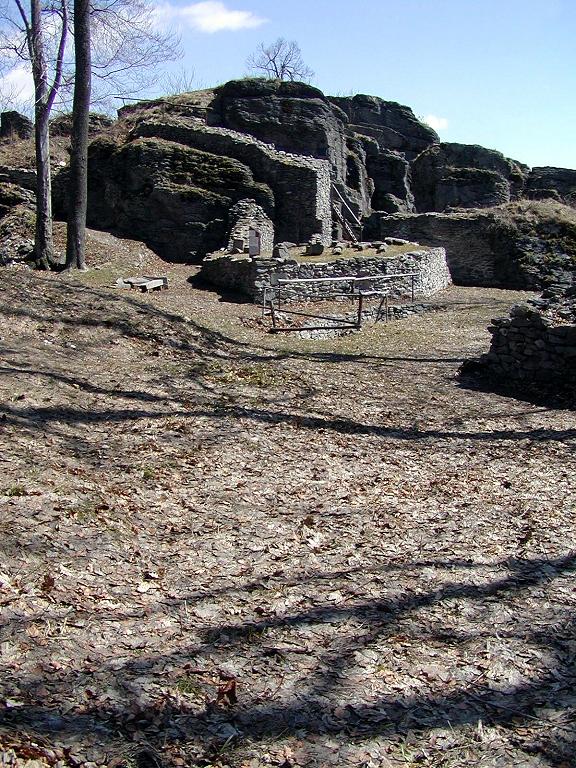
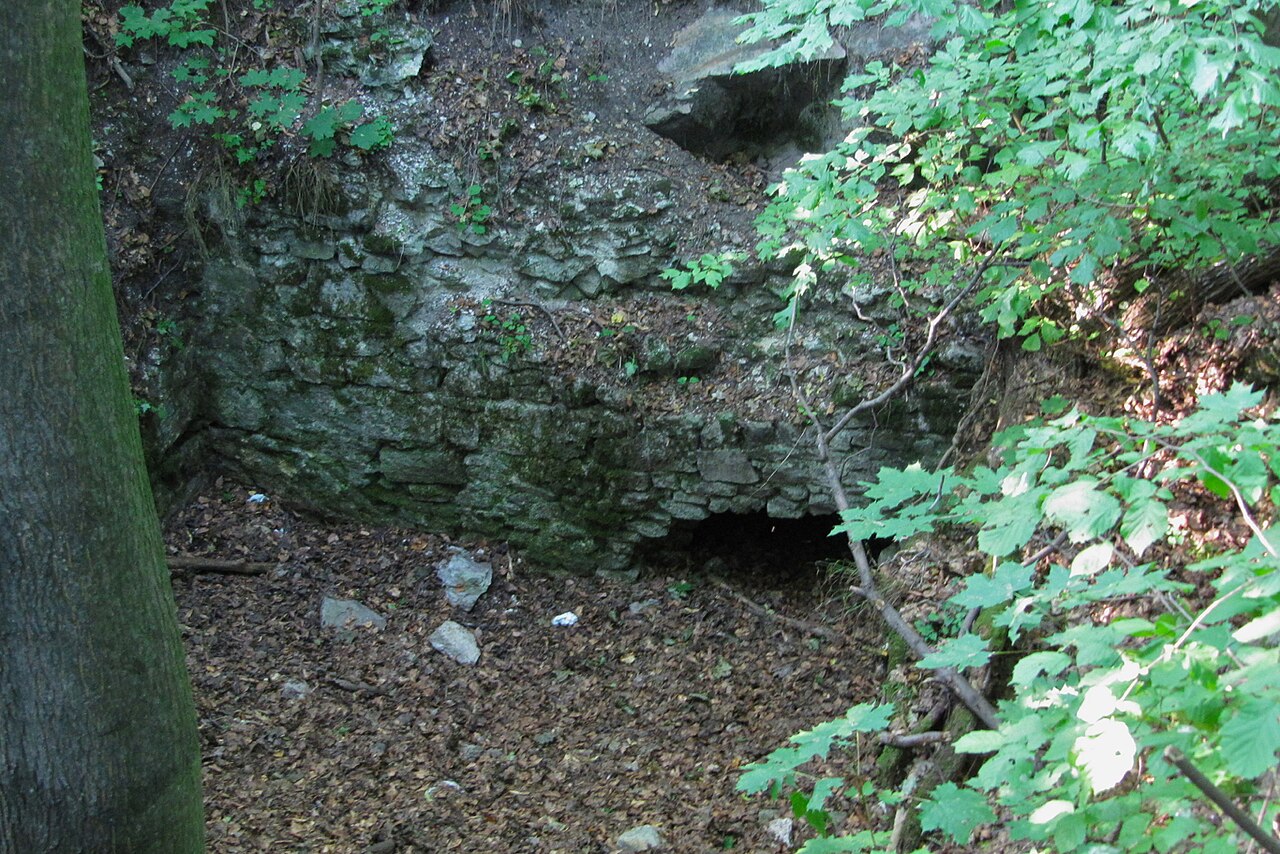
Today, Kammerhof Castle stands in a state that reflects its long history. While it may not be fully intact, the castle is considered partially preserved or in ruins, with some sections of walls and foundational structures still visible. Efforts to maintain and protect the site have been undertaken to preserve its cultural and historical value for visitors and researchers alike.

Visiting Kammerhof Castle

The castle is accessible to the public, offering an opportunity to explore a piece of Slovakia's medieval heritage. Visitors can appreciate the castle's strategic location and the panoramic views it provides of Bańska Szczawnica and the surrounding landscape. Interpretive signage and guided tours may be available to enhance the visitor experience by providing historical context and architectural insights.

Nearby attractions

Bańska Szczawnica itself is a town rich in history, with other notable landmarks and museums dedicated to its mining past. Visitors to Kammerhof Castle often combine their visit with exploring the town's historic center, local museums, and natural surroundings, making it a comprehensive cultural excursion.

Architectural style and influences

The castle's design reflects the practical and defensive architectural styles common in the High Medieval period. Its features align with the Romanesque and early Gothic styles prevalent in Central European castle construction during that time. The robust stone walls, narrow windows, and fortified towers are characteristic elements that served both defensive purposes and symbolized feudal authority.

Legacy and cultural importance

Kammerhof Castle remains an important symbol of the region's medieval history and its mining heritage. It represents the intersection of military, economic, and administrative functions that castles embodied in medieval society. The preservation of Kammerhof Castle contributes to understanding the development of defensive architecture and the historical landscape of Slovakia.

Frequently asked questions (FAQ)

How do I get to Kammerhof w Bańskiej Szczawnicy?
Kammerhof is located in the picturesque town of Bańska Szczawnica, which is easily accessible by car or public transport. If you're coming from Bratislava, the journey takes approximately two hours by car. Local buses also connect Bańska Szczawnica with nearby cities, making it convenient for visitors.
What is the historical significance of Kammerhof w Bańskiej Szczawnicy?
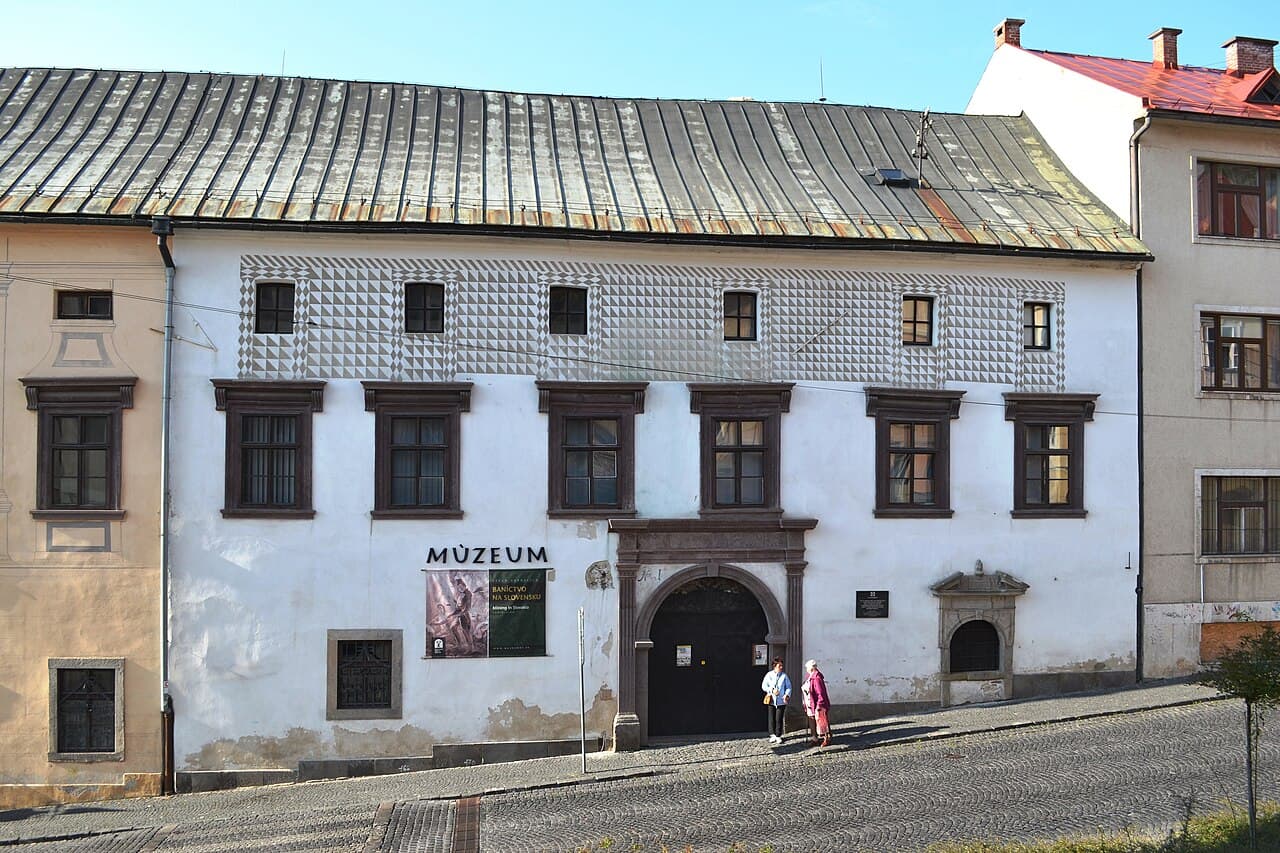
Kammerhof is a vital part of the region's mining history, once serving as an administrative building for the local mining industry in the 18th century. Its architecture reflects the wealth generated by the silver mines in the area, showcasing the importance of mining to the town's development. Today, it stands as a testament to the region's rich cultural heritage.
When was Kammerhof w Bańskiej Szczawnicy built?
Kammerhof was constructed in the late 18th century, specifically between 1770 and 1775. It was designed to serve the administrative needs of the local mining operations, highlighting the significance of mining in Bańska Szczawnica's economy. The building has since undergone several renovations to preserve its historical integrity.
Can I take guided tours of Kammerhof w Bańskiej Szczawnicy?
Yes, guided tours are available for visitors wishing to learn more about the history and architecture of Kammerhof. These tours provide valuable insights into the mining heritage and the building's role in the community. It is recommended to check the official website for tour schedules and availability.
Is Kammerhof w Bańskiej Szczawnicy accessible for visitors with disabilities?
Kammerhof strives to accommodate all visitors, including those with disabilities. However, due to its historical architecture, some areas may present challenges. It is advisable to contact the visitor center in advance to inquire about specific accessibility options.
What are the opening hours for Kammerhof w Bańskiej Szczawnicy?
Kammerhof is typically open from 10 AM to 6 PM during the tourist season, which runs from April to October. It's best to check the official website for any changes to opening hours or special holiday schedules. Planning your visit during these times ensures you get the most out of your experience.
What are the ticket prices for visiting Kammerhof w Bańskiej Szczawnicy?
Ticket prices for Kammerhof are generally affordable, with discounts available for students and seniors. As of the latest updates, adult tickets are around €5, while children under 12 often enter for free. Always verify current prices online before your visit.
When is the best time to visit Kammerhof w Bańskiej Szczawnicy?
The best time to visit Kammerhof is during the spring and summer months, from April to September, when the weather is pleasant and the surrounding area is vibrant. This period also coincides with various cultural events and festivals in Bańska Szczawnica, enhancing your experience. Autumn offers beautiful foliage, making it another great time to visit.
Are there any nearby attractions to explore after visiting Kammerhof?
Yes, after visiting Kammerhof, you can explore the charming streets of Bańska Szczawnica, which is a UNESCO World Heritage site. Other nearby attractions include the historic Church of St. Catherine and the beautiful mining museum. The surrounding nature offers scenic hiking trails and thermal baths for a relaxing day out.

Photo gallery

Kammerhof w Bańskiej Szczawnicy
Click to view

Photo by Ladislav Luppa•CC BY-SA 4.0

1 photo • Click any image to view in full screen

Information

Hill Castle

Loading map...

Visitor reviews

No reviews yet. Been here? Write the first review and help other travelers!

Write the first review

Visited this castle? Share your experience

Your review helps other travelers and adds first-hand knowledge to our encyclopedia.
Write a review

(5/5)

0/2000 characters

Your review will be visible after admin approval

Nearby castles

0.4 km
Bańska Szczawnica — Slovakia castle

Bańska Szczawnica

Bańska Szczawnica, Slovakia

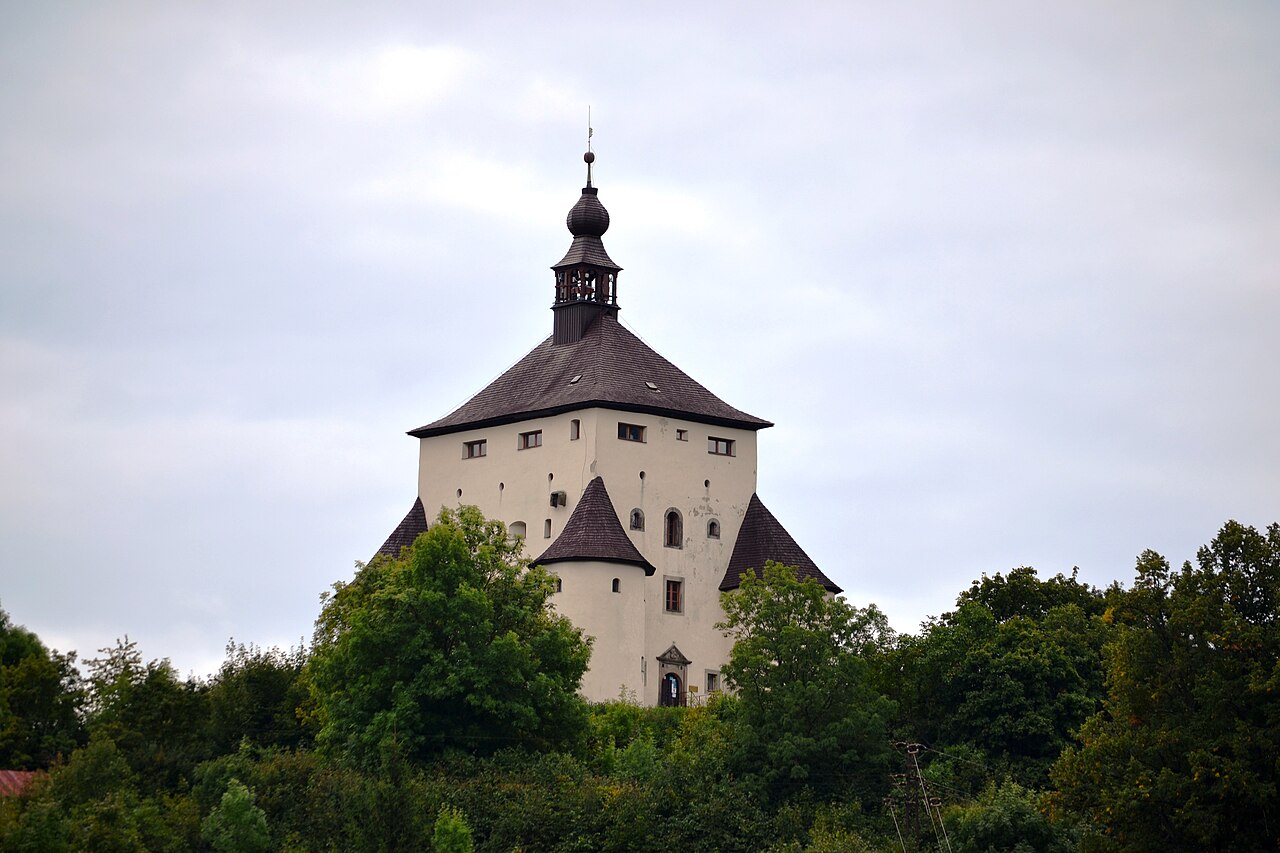
Bańska Szczawnica, located in Slovakia, is home to a remarkable historical complex that includes both a medieval castle and the Renaissance-era Nový zámok fortress. This site exemplifies the evolution of fortification architecture from the Late Medieval period through the Renaissance, reflecting the region's strategic importance and turbulent history, especially during the Ottoman incursions into Central Europe. The castle complex sits prominently on hills overlooking the town, with the Nový zámok (New Castle) positioned on a southern hill at approximately 630 meters above sea level. This fortress was constructed between 1564 and 1571 as a response to the growing Ottoman threat following the Battle of Mohács in 1526. It served as a critical watchtower and part of a broader system of optical signaling to warn of approaching dangers. The castle's origins, however, date back earlier to the 13th century when a Romanesque church dedicated to the Virgin Mary stood on the site, later transformed into a fortified castle during the mid-16th century. Transformation from church to castle The original Romanesque church was built in the early 13th century and surrounded by a stone wall with two square defensive towers. The eastern tower housed the main gate, while the southern tower, known as Himmelreich (Kingdom of Heaven), served as a prison with a torture chamber. After suffering damage from fire and earthquake in the 15th century, the church was rebuilt as a Gothic three-nave basilica. Between 1492 and 1515, the church walls were heightened to equalize the height of the main and side naves. Amid rising Ottoman threats, the church was converted into a fortress between 1546 and 1559. The main nave's vaulting was removed, and the arcades connecting it to the side naves were bricked up, creating an enclosed courtyard. The side naves were adapted into three-story buildings housing storerooms, armories, and living quarters for the garrison. The church walls were reinforced with gunports, and observation turrets were added at corners. The main entrance was sealed, leaving only a side gate protected by a drawbar. Around the church, the defensive wall was strengthened with four round bastions, two of which were equipped for artillery. The old cemetery chapel (karner) with an ossuary was incorporated within the walls, preserving one of Slovakia's rare surviving Romanesque ossuaries. Nový zámok: Renaissance fortress and watchtower Built on the hill known as Frauenberg or Panenský vrch (Virgin's Hill), the Nový zámok was constructed from 1564 to 1571 during a period of heightened Ottoman incursions after the fall of Buda in 1526. The fortress features a large square tower with four floors, reinforced by round turrets at each corner. It was designed as a self-sufficient defensive structure with numerous gunports and artillery positions. The entrance was placed on the first floor, typical of medieval donjon design, enhancing security. The tower's roof is topped by an open turret with an onion dome, serving as a lookout post where a guard was stationed day and night to watch for approaching enemies. Nový zámok was integrated into a wider network of optical signaling stations that communicated warnings across the mining towns of central Slovakia using flags by day and fires by night. Despite several Ottoman attempts, the fortress was never captured, underscoring its strategic strength. Post-military uses and cultural significance After the Ottoman threat subsided following the Battle of Vienna in 1683, the castle's military importance declined. It was repurposed as a gunpowder magazine supporting local mining operations and later served as a fire watchtower and timekeeping signal point. Every fifteen minutes, a trumpet call sounded from the tower, and hourly bell chimes marked the passing of time, embedding the fortress into the daily life of Bańska Szczawnica. In the 18th century, the eastern square tower of the original castle was transformed into a Baroque bell tower with a sundial, reflecting changing architectural tastes and functions. Today, both the castle and Nový zámok are well preserved and house museums that showcase the rich mining heritage and military history of the region. The castle museum includes exhibits on the Ottoman wars, local noble families such as the Kohárys, and the volunteer fire brigade founded in 1873. The site also features the rare Romanesque ossuary chapel, a unique cultural monument. Architectural features and defensive elements The complex demonstrates a fascinating blend of Romanesque, Gothic, and Renaissance architectural styles. The original church's thick walls and fortified towers were adapted for military use, with the addition of gunports and bastions designed for artillery defense. The round bastions and wood-shingled roofs of Nový zámok are typical of Renaissance military architecture, emphasizing both protection and functionality. The castle's layout, with its enclosed courtyard and multi-story side wings, reflects the practical needs of a garrisoned fortress, combining residential, storage, and defensive spaces. The elevated entrance to Nový zámok and its corner turrets provided enhanced security and observation capabilities. The extensive use of firing slits and artillery positions illustrates the adaptation to gunpowder warfare in the 16th century. Visiting Bańska Szczawnica castle today Visitors to Bańska Szczawnica can explore the castle and Nový zámok, both of which are open as museums. The viewing platform on the top floor of Nový zámok offers panoramic views of the town and surrounding mountains, providing insight into the strategic importance of the site. The museum collections include military artifacts, historical documents, and exhibits on local mining culture, enriching the experience with context and narrative. The castle stands as a testament to the region's resilience and adaptation through centuries of conflict and change. Its well-preserved structures offer a tangible link to Slovakia's medieval and Renaissance past, making it a significant cultural and historical landmark.

Late Medieval (14th–15th c.)
Details
6.5 km
Sitno Castle Ruins — Slovakia castle

Sitno Castle Ruins

Banská Štiavnica, Slovakia

Sitno castle stands as a notable example of a high medieval hill castle located in Banská Štiavnica, Slovakia. Constructed in the 13th century, it was built upon the site of an earlier primeval fortified settlement, indicating the strategic importance of this location for centuries. The castle occupies the summit area of Sitno mountain, the tallest peak in the Štiavnické vrchy mountain range, reaching an elevation of 1,009 meters. This positioning provided commanding views and natural defensive advantages, typical of hill castles of the period.Historical background and significanceThe origins of Sitno castle trace back to the 13th century, during the high medieval period, a time characterized by frequent regional conflicts and the need for fortified structures to protect important settlements and trade routes. Sitno played a crucial role in the defense of the surrounding mining towns, especially Banská Štiavnica, which was an important center of silver mining and commerce in medieval Slovakia.Throughout its history, Sitno castle was owned and managed by various noble families who contributed to its fortification and expansion. Its prominence declined after the 17th century, and it suffered damage during military conflicts and natural decay, leading to its abandonment in the 18th century.Architectural features and layoutThe castle was constructed primarily using local stone materials typical of high medieval hill castles. Its design included defensive walls adapted to the rocky terrain, towers for surveillance, and a gatehouse controlling access. The castle's layout was irregular, conforming to the natural contours of Sitno mountain, which enhanced its defensive capabilities.One of the most notable surviving elements is the restored view tower, built in 1727, which now serves as a vantage point for hikers and visitors. This tower reflects the later period of the castle's use and offers panoramic views of the surrounding landscape.Current condition and visitor experienceToday, Sitno castle remains a ruined hill castle, with substantial portions of its walls and foundations still visible. The ruins are accessible via hiking trails leading up Sitno mountain, attracting visitors interested in history, architecture, and nature.The restored tower is a key highlight and is open to the public, providing insight into the castle's former defensive role and allowing visitors to appreciate the extensive views over the Štiavnické vrchy mountains and the town of Banská Štiavnica.Archaeological and cultural importanceArchaeological research at Sitno castle has revealed artifacts and structural details that shed light on medieval fortification techniques and daily life within the castle. The site is protected as part of Slovakia's cultural heritage and contributes to the understanding of medieval military architecture in Central Europe.Its location atop Sitno mountain also makes it a significant landmark within the Štiavnické vrchy region, combining natural beauty with historical intrigue.

High Medieval (11th–13th c.)
Details
8.9 km
Pustý hrad (Sklené Teplice) — Slovakia castle

Pustý hrad (Sklené Teplice)

, Slovakia

Pustý hrad, located near the village of Sklené Teplice in Slovakia, is a notable example of a 13th-century hill castle from the High Medieval period. The castle's name, which translates to "Deserted Castle," reflects its current state as a ruined fortress, yet it remains an important historical and architectural landmark in the region. Perched strategically on a hill, Pustý hrad was originally constructed to oversee and protect the surrounding territory, taking advantage of its elevated position to control trade routes and provide defense against invaders. Historical background and significance The castle dates back to the 13th century, a time when many fortifications were built across the Kingdom of Hungary, which included present-day Slovakia. This era was marked by frequent conflicts and territorial disputes, necessitating strong defensive structures. Pustý hrad served as a military stronghold and a residence for local nobility. Over the centuries, the castle witnessed various ownership changes and played a role in regional power struggles. Despite its strategic importance, Pustý hrad was eventually abandoned, likely due to shifts in military technology and political changes that rendered hilltop fortresses less effective. Its abandonment led to its gradual decay, leaving behind the ruins visible today. Architectural features and layout The castle exemplifies typical High Medieval hill castle architecture, characterized by robust defensive walls, towers, and a compact layout adapted to the hill's topography. The remains include sections of the curtain walls that once enclosed the castle's inner ward, as well as foundations of towers that provided vantage points for surveillance and defense. The castle's design reflects the military architectural principles of the 13th century, emphasizing strong fortifications with limited access points to deter attackers. The use of local stone materials contributed to the castle's durability. Although much of the superstructure has collapsed, archaeological studies have helped reconstruct the original layout and understand its defensive mechanisms. Current condition and preservation efforts Today, Pustý hrad stands as a ruin, with significant portions of its walls and towers lost to time. The site is accessible to visitors interested in medieval history and castle architecture. Preservation efforts focus on stabilizing the remaining structures to prevent further deterioration while allowing safe public access. Interpretive signage and guided tours provide educational context, explaining the castle's historical role and architectural features. The surrounding landscape offers scenic views of the Slovak countryside, enhancing the visitor experience. Visiting information and cultural importance Pustý hrad is a popular destination for hikers and history enthusiasts. Its location near Sklené Teplice makes it accessible for day trips from nearby towns. Visitors can explore the ruins, enjoy panoramic views, and learn about medieval fortifications in Slovakia. The castle contributes to the cultural heritage of the region, representing medieval defensive architecture and the historical development of Slovak territories during the High Medieval period. It also serves as a reminder of the region's turbulent past and the evolution of military strategy.

High Medieval (11th–13th c.)
Details