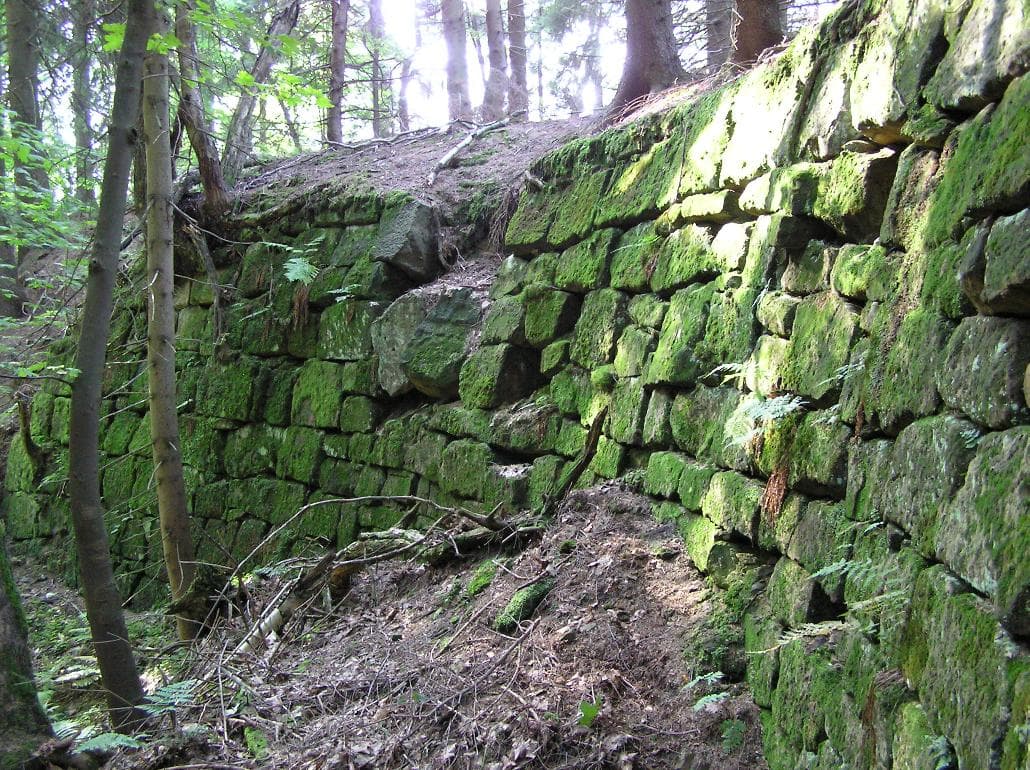
Fort Wilhelm (Hüttenguth) is a notable example of a bastioned fortress located in Poland. Although the exact city location is not specified, this fortress represents the military architectural style prevalent in the 19th century, specifically designed for defense during a period of evolving warfare technology.
Historical context and strategic importance
The construction of Fort Wilhelm aligns with the broader European trend of building bastioned fortifications during the post-Napoleonic era. These fortresses were designed to withstand artillery sieges and provide strategic control over key areas. Bastioned fortresses like Fort Wilhelm were integral to military defense systems, often placed to protect important cities, transportation routes, or borders.
Architectural features of Fort Wilhelm
As a bastioned fortress, Fort Wilhelm features characteristic elements such as angled bastions projecting from the main walls, which allowed defenders to cover adjacent walls with crossfire, eliminating blind spots. The fortress likely includes thick masonry walls, earthen ramparts, and a surrounding ditch or moat to impede attackers.
The design would have incorporated casemates—vaulted chambers within the walls for housing troops and artillery—and ravelins or detached triangular fortifications placed in front of the main walls to disrupt enemy advances. The layout emphasizes overlapping fields of fire and strong defensive positions.
Defensive structures and materials
The walls of Fort Wilhelm were probably constructed using robust stone or brick masonry combined with earthworks to absorb cannon fire. The bastions' angular design reflects the influence of the Vauban style of fortification, adapted for 19th-century artillery advancements. Defensive ditches or moats around the fortress further enhanced its protection by slowing enemy troops and siege equipment.
Military role and historical significance
While specific historical events involving Fort Wilhelm are not documented here, bastioned fortresses in Poland during the 19th century played key roles in regional conflicts and border defense. Poland's geopolitical situation in this era, often influenced by neighboring powers, necessitated strong fortifications to secure territories and control movement.
Fort Wilhelm would have been part of a network of fortresses designed to deter invasions and provide a base for military operations. Its construction reflects the strategic military thinking of the time, emphasizing static defense supported by artillery firepower.
Current condition and preservation
The current condition of Fort Wilhelm is not detailed in the available information. Many bastioned fortresses from this period have survived in various states, ranging from well-preserved military museums to ruins reclaimed by nature. Preservation efforts depend on local interest, historical value, and funding.
Significance in military architecture
Fort Wilhelm exemplifies the transition from medieval fortifications to modern military architecture, incorporating principles that address the challenges posed by gunpowder artillery. The bastioned design allowed for effective defense against siege tactics and represents a key period in the evolution of fortress construction.
Frequently asked questions (FAQ)
- What is the historical significance of Fort Wilhelm?
- Fort Wilhelm, built in the 19th century, is a key example of Prussian military architecture. It played a crucial role in the defense strategies of the region and has witnessed various significant historical events throughout its existence.
- When was Fort Wilhelm constructed?
- Construction of Fort Wilhelm began in 1854 and was completed in 1860. It was part of a larger network of fortifications designed to protect the area from potential threats.
- What are the opening hours for visiting Fort Wilhelm?
- Fort Wilhelm is open to visitors from 10 AM to 5 PM daily during the summer months. In the winter, the opening hours may vary, so it is advisable to check the official website before planning your visit.
- Is it possible to take guided tours of Fort Wilhelm?
- Yes, guided tours are available and highly recommended to fully appreciate the history and architecture of the fort. These tours typically last about an hour and provide in-depth insights from knowledgeable guides.
- Can I purchase tickets online for Fort Wilhelm?
- Absolutely! Tickets for Fort Wilhelm can be purchased online through the official website or at the entrance. Buying tickets in advance is recommended during peak tourist seasons to avoid long queues.
- What is the best time to visit Fort Wilhelm?
- The best time to visit Fort Wilhelm is during the spring and early autumn months when the weather is mild and pleasant. This allows for an enjoyable exploration of the fort and its surrounding grounds.
- Are there any nearby attractions to visit alongside Fort Wilhelm?
- Yes, there are several nearby attractions, including beautiful parks and historical sites that showcase the rich cultural heritage of the region. Visitors often enjoy exploring local museums and scenic landscapes that complement their trip to the fort.
- How accessible is Fort Wilhelm for visitors with disabilities?
- Fort Wilhelm strives to be accessible for all visitors. There are ramps and designated pathways to assist those with mobility challenges, though some areas may still present difficulties due to the fort's historical architecture.
Photo gallery

Photo by Vorwerk at Polish Wikipedia•Public domain
Information
Loading map...
Visitor reviews
No reviews yet. Been here? Write the first review and help other travelers!
Write the first reviewVisited this castle? Share your experience
Your review helps other travelers and adds first-hand knowledge to our encyclopedia.



