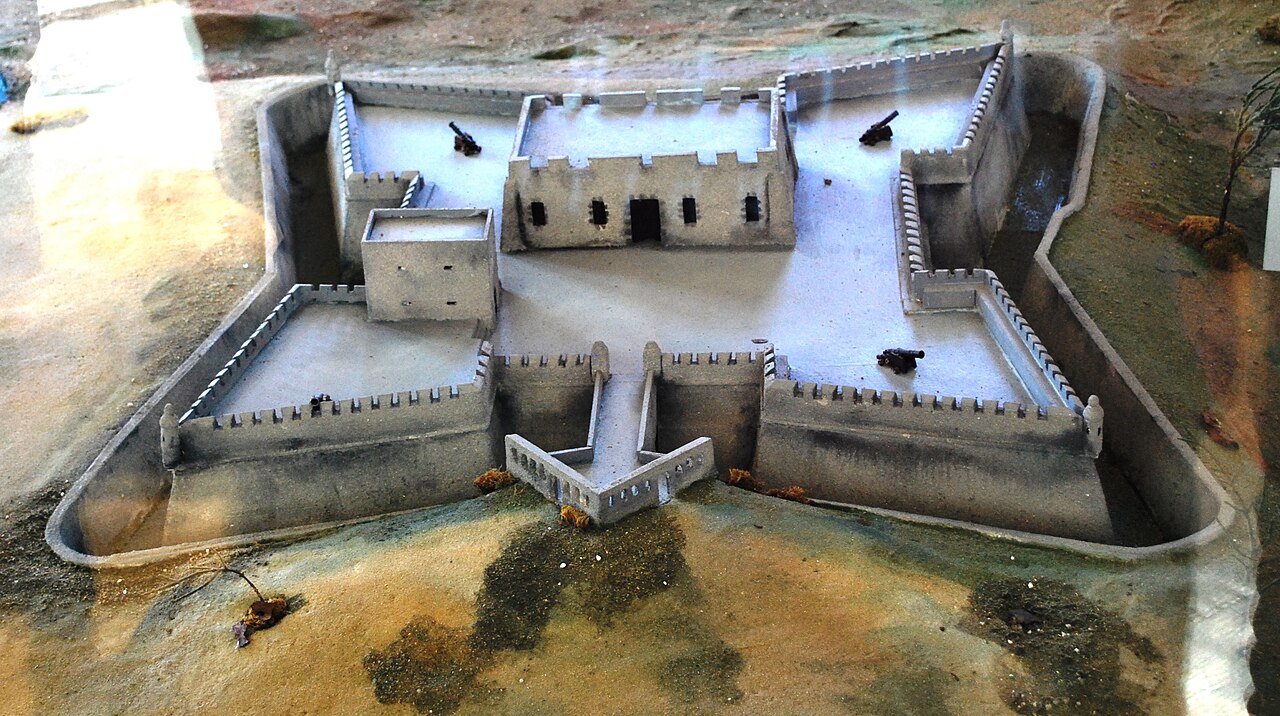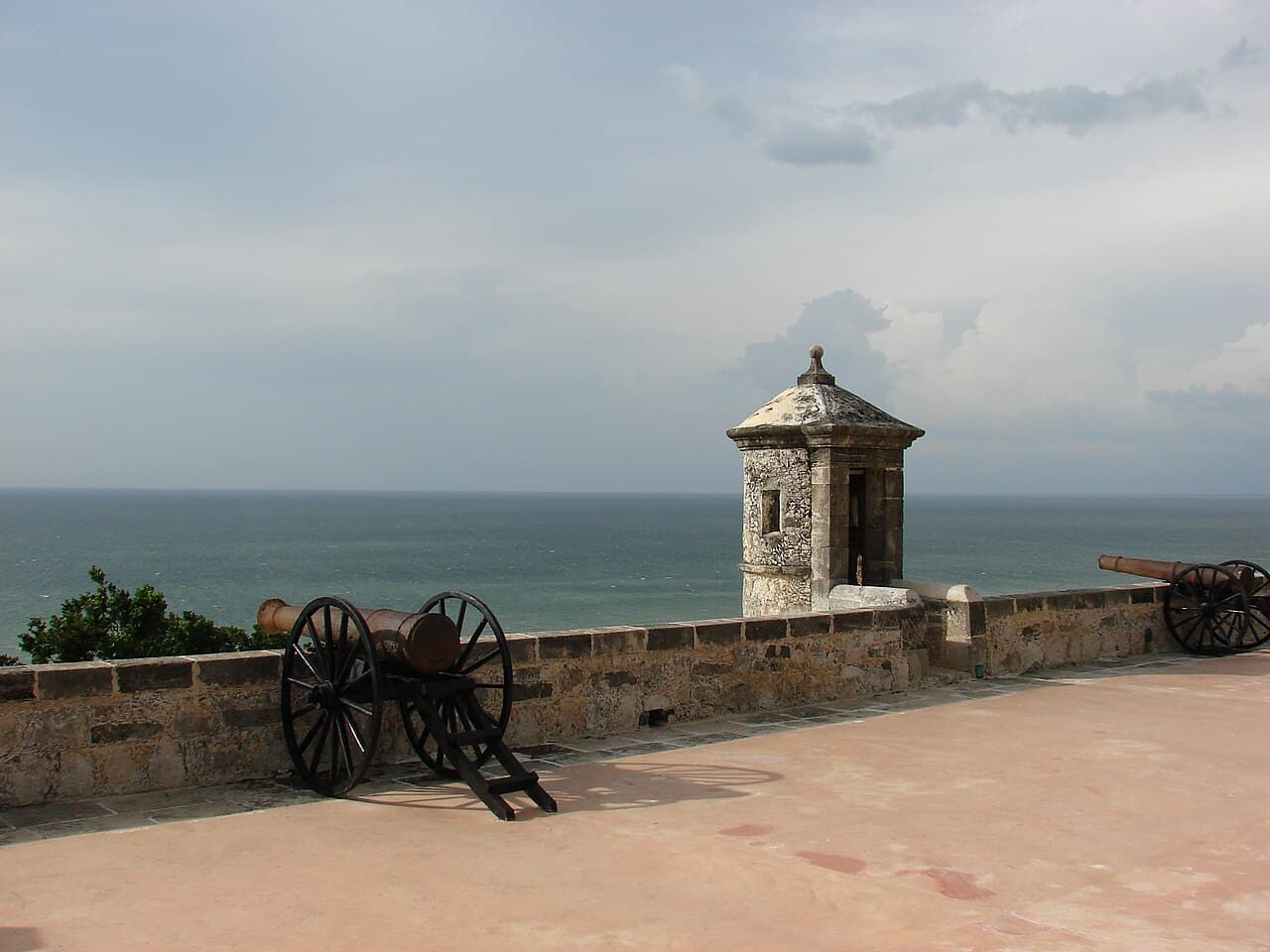
Fort San Miguel, Campeche — Mexico castle

Fort San Miguel, Campeche

Fort San Miguel, Campeche
Campeche, Campeche, Mexico
Late Medieval (14th–15th c.)
Well Preserved

Fort San Miguel is a prominent bastioned fortress located in the historic city of Campeche, Mexico. Constructed during the 17th century, this fortress was a critical part of the city's defensive system against frequent pirate raids and colonial conflicts in the Spanish colonial period. Its strategic position on the coast allowed it to guard the harbor and protect Campeche's valuable trade routes.

Historical context and significance

The city of Campeche was an important port on the Yucatán Peninsula during the colonial era, serving as a hub for the export of precious resources such as logwood and other goods. Due to its wealth and strategic location, Campeche was frequently targeted by pirates and privateers. To counter these threats, the Spanish Crown authorized the construction of extensive fortifications, including Fort San Miguel, which played a crucial role in the city's defense network.

Built primarily in the late 17th century, Fort San Miguel was part of a broader effort to fortify Campeche with bastioned walls and forts, reflecting the military architectural principles of the Vauban style adapted to the local geography. The fortress was designed to withstand artillery attacks and provide overlapping fields of fire with other defensive structures along the city walls.

Architectural features and design

Fort San Miguel exemplifies the characteristics of a bastioned fortress, a style that emerged in response to the development of gunpowder artillery. Its layout features angular bastions projecting from the main walls, allowing defenders to cover adjacent walls with cannon and musket fire, eliminating blind spots.

The fortress is constructed primarily of local stone and mortar, with thick walls designed to absorb and deflect cannonballs. The bastions are equipped with embrasures for cannons, and the ramparts offer walking paths for soldiers to patrol and defend the perimeter. The design also includes a moat and drawbridge, enhancing its defensive capabilities.

Inside the fortress, there are barracks, powder magazines, and storage rooms, which supported the garrison stationed there. The fort's architecture reflects practical military engineering adapted to the tropical climate, with ventilation and drainage features to maintain the structure's integrity.

Role in military history

Throughout its active use, Fort San Miguel was instrumental in repelling several pirate attacks and protecting Campeche's harbor. Its robust defenses and strategic placement made it a formidable obstacle to enemy forces seeking to capture the city or disrupt its trade.

During the 18th century, the fort continued to be maintained and upgraded as military technology evolved. However, with the decline of piracy and changes in political power, its military importance diminished over time.

Preservation and current status

Today, Fort San Miguel is well preserved and serves as a cultural and historical landmark in Campeche. It is part of the city's UNESCO World Heritage designation, recognized for its outstanding example of colonial military architecture and its role in the defense of the city.

The fortress is open to visitors and includes a museum that displays artifacts and information about Campeche's colonial history and maritime defense. Its imposing walls and bastions remain a popular attraction, offering insights into the military strategies and architectural ingenuity of the period.

Visiting Fort San Miguel

Visitors to Fort San Miguel can explore the extensive ramparts, bastions, and internal chambers. The site provides panoramic views of Campeche's coastline and the Gulf of Mexico. Guided tours often explain the fortress's history and architectural features in detail.

The fort is accessible year-round, with typical opening hours from morning to late afternoon. It is advisable to check current visiting hours and ticket prices before planning a visit.

Frequently asked questions

  • When was Fort San Miguel built? Fort San Miguel was constructed in the late 17th century as part of Campeche's coastal defenses.
  • What type of fortress is Fort San Miguel? It is a bastioned fortress designed to withstand artillery attacks with angular bastions and thick walls.
  • Can visitors tour the interior of the fort? Yes, the fort is open to the public and includes a museum showcasing its history and military function.
  • Why was Fort San Miguel important? It protected Campeche from pirate attacks and safeguarded the city's valuable trade routes during the colonial era.
  • Is Fort San Miguel part of a UNESCO World Heritage Site? Yes, it contributes to the historic fortified town of Campeche's UNESCO designation.

Frequently asked questions (FAQ)

What is the historical significance of Fort San Miguel?
Fort San Miguel, built in the late 17th century, played a crucial role in defending the city of Campeche from pirate attacks and foreign invasions. It is recognized as a key military structure in the history of colonial Mexico, showcasing the strategic importance of the region during that era.
When was Fort San Miguel constructed?
Construction of Fort San Miguel began in 1686 and was completed in 1704. The fort was part of a larger system of defenses established to protect the city and its inhabitants from maritime threats.
Can I visit Fort San Miguel?
Yes, Fort San Miguel is open to visitors throughout the year. You can explore its historic grounds, learn about its history, and enjoy scenic views of the surrounding area.
What are the opening hours for Fort San Miguel?
Fort San Miguel typically opens daily from 9:00 AM to 5:00 PM. However, it is advisable to check for any seasonal variations or special holiday hours before planning your visit.
Is there an entrance fee to visit Fort San Miguel?
Yes, there is a nominal entrance fee to access Fort San Miguel, which contributes to its maintenance and preservation. Ticket prices are generally affordable, making it accessible for most visitors.
What is the best time to visit Fort San Miguel?
The best time to visit Fort San Miguel is during the cooler months from November to March, when the weather is more pleasant for outdoor exploration. Early mornings or late afternoons are ideal for avoiding crowds and enjoying the scenery.
Is Fort San Miguel accessible for visitors with mobility challenges?
Fort San Miguel has made efforts to accommodate visitors with mobility challenges, though some areas may be difficult to access due to the fort's historical structure. It is recommended to check in advance for any specific accessibility options or assistance available during your visit.
What nearby attractions can I visit after exploring Fort San Miguel?
After visiting Fort San Miguel, you can explore other nearby attractions such as the historic walled city of Campeche, the Cathedral of Campeche, and the local markets. These sites offer a deeper insight into the rich cultural heritage of the region.

Photo gallery

Fort San Miguel, Campeche
Click to view

Photo by El Ágora•Public domain

1 photo • Click any image to view in full screen

Information

Bastioned Fortress

Loading map...

Visitor reviews

No reviews yet. Been here? Write the first review and help other travelers!

Write the first review

Visited this castle? Share your experience

Your review helps other travelers and adds first-hand knowledge to our encyclopedia.
Write a review

(5/5)

0/2000 characters

Your review will be visible after admin approval

Nearby castles

3.7 km
Fort San Carlos, Campeche — Mexico castle

Fort San Carlos, Campeche

Campeche, Mexico

Fort San Carlos is a prominent bastioned fortress located in the historic city of Campeche, Mexico. Constructed during the 18th century, this fortification was a key element in the city's extensive defensive system designed to protect against pirate attacks and foreign invasions along the Yucatán Peninsula coast. Its strategic location overlooking the Gulf of Mexico allowed it to serve as a critical military stronghold controlling access to the port and safeguarding the valuable trade routes of the Spanish colonial empire. Historical context and significance The construction of Fort San Carlos began in the early 1700s, during a period when Campeche was frequently targeted by pirates and privateers due to its wealth and importance as a port city. The Spanish Crown invested heavily in fortifications throughout the region to protect its colonial interests. The fort was named after King Carlos III of Spain, reflecting its royal patronage and the importance of military defense during the colonial period. Campeche’s fortifications, including Fort San Carlos, were part of a broader network of bastioned walls and forts that encircled the city. These defenses were instrumental in repelling attacks and maintaining Spanish control over the region until Mexico's independence in the early 19th century. Architectural features and design Fort San Carlos exemplifies the bastioned fortress style, which was prevalent in the 17th and 18th centuries for coastal and frontier defense. The design incorporates angled bastions that allowed defenders to cover adjacent walls with overlapping fields of fire, reducing blind spots and improving the fort’s defensive capabilities. The fortress is constructed primarily from local stone and masonry, featuring thick walls designed to withstand cannon fire. Its layout includes a series of bastions, curtain walls, and a moat that enhanced its defensive perimeter. The fort’s cannons were positioned to command the sea approaches and the harbor entrance. Inside, the fort contained casemates for artillery, garrison quarters, storage rooms for ammunition and supplies, and command facilities. The architecture balances functionality with the imposing aesthetic typical of Spanish colonial military constructions. Role in military history Throughout its active use, Fort San Carlos played a vital role in defending Campeche from numerous pirate raids and attempted invasions. Its presence helped secure the city’s prosperity by protecting trade and local settlements. During the Mexican War of Independence and subsequent conflicts, the fort remained an important military asset, although its role gradually declined with changes in military technology and political power. Preservation and current status Today, Fort San Carlos is well preserved and serves as a significant cultural and historical landmark in Campeche. It is part of the city's UNESCO World Heritage designation, recognizing the exceptional preservation of its colonial fortifications and urban fabric. The fort is open to visitors and offers insights into colonial military architecture and history. Its robust walls and bastions remain largely intact, allowing visitors to appreciate the strategic design and historical importance of this coastal fortress. Visiting Fort San Carlos Visitors to Fort San Carlos can explore the fort's extensive ramparts, bastions, and internal chambers. The site often includes informative displays about its history, architecture, and role in Campeche’s defense. The fort provides panoramic views of the harbor and city, making it a popular destination for tourists interested in military history and colonial heritage.

Post-Renaissance (17th–18th c.)
Details
261.4 km
San Felipe Fortress — Mexico castle

San Felipe Fortress

, Mexico

San Felipe Fortress is a prominent 18th-century bastioned fortress located along the coast of Mexico. Constructed during the post-Renaissance period, this fortress was strategically designed to defend the region from pirate attacks and naval incursions, reflecting the military architectural advancements of its time. Historical context and purpose During the 18th century, the Spanish Empire sought to protect its valuable colonial holdings and trade routes in the Americas. The Caribbean and Gulf of Mexico coasts were frequent targets for pirates and privateers, necessitating robust coastal defenses. San Felipe Fortress was built as part of this defensive network, serving as a critical military installation to guard the coastline and nearby settlements. Architectural design and features The fortress exemplifies the bastioned fortress style, a form of fortification that emerged in the post-Renaissance era and was characterized by angled bastions projecting from the main walls. These bastions allowed defenders to cover adjacent walls with crossfire, eliminating blind spots and enhancing the fortress's defensive capabilities. San Felipe Fortress features thick stone walls constructed to withstand cannon fire, with bastions positioned at key points to provide overlapping fields of fire. The layout typically includes a central courtyard, barracks, storage rooms for munitions, and artillery platforms. The fortress's design balances functionality with the need for strong defensive measures against both sea and land attacks. Defensive elements Key defensive elements include ramparts, curtains walls, and moats or ditches surrounding the fortress to impede enemy advances. The bastions are equipped with embrasures for cannons, allowing defenders to repel attackers efficiently. The entrance is usually fortified with a gatehouse designed to control access and provide an additional layer of security. Strategic location and significance Situated on the coastline, San Felipe Fortress commands views over the surrounding sea approaches, enabling early detection of incoming ships. This vantage point was vital for the protection of maritime trade routes and local communities. The fortress also served as a base for Spanish naval operations in the region. Preservation and current status Today, San Felipe Fortress remains a significant historical monument, reflecting the military engineering expertise of the 18th century. Its preservation offers insights into colonial defensive strategies and architectural styles. The fortress is partially preserved, with many original structures intact, allowing visitors to explore its bastions, walls, and internal chambers. Visiting San Felipe Fortress Visitors to the fortress can appreciate its robust construction and strategic design while learning about its role in protecting Mexico's coastline. The site often includes interpretive signage and guided tours that explain its historical context and architectural details.

Post-Renaissance (17th–18th c.)
Details
375.3 km

La Ciudadela (The Citadel)

Playa del Carmen, Mexico

La Ciudadela, located in Playa del Carmen, Quintana Roo, Mexico, stands as a unique architectural landmark that blends modern commercial use with historical design inspiration. Although Playa del Carmen is widely recognized today as a vibrant tourist destination, its transformation from a humble fishing village in the mid-20th century to a bustling urban center is relatively recent. This contrast between old and new is vividly embodied in La Ciudadela, a shopping center that draws its aesthetic cues from the fortress architecture of distant eras and continents. Historical context of playa del carmen Playa del Carmen's origins trace back to a small fishing community that existed quietly for decades along the Caribbean coast. The region's development accelerated significantly with the rise of Cancún in the 1970s and 1980s, which spurred infrastructure improvements and increased tourism throughout the Riviera Maya. By the 1990s, Playa del Carmen had emerged as a notable destination, attracting visitors with its beaches and cultural offerings. During this period of growth, the city began to develop commercial centers to cater to both locals and tourists. La Ciudadela was among the earliest modern shopping complexes, located just off the bustling Quinta Avenida (5th Avenue), the main pedestrian street known for its shops, restaurants, and nightlife. Architectural inspiration and design While La Ciudadela functions as a contemporary shopping center, its architectural style is distinctive for its deliberate evocation of fortress design elements. The name "Ciudadela" itself means "citadel," referring to a type of fortified complex historically used for defense and control. The building incorporates features reminiscent of fortress architecture, such as robust, block-like structures, parapet-like elements, and a layout suggesting enclosure and protection. These design choices create a unique atmosphere that contrasts with the open, airy feel typical of many shopping malls. This stylistic approach not only provides a memorable visual identity but also connects visitors to a sense of history and permanence, despite the building's modern commercial purpose. Symbolic significance The fortress-inspired design of La Ciudadela serves as a symbolic link between Playa del Carmen's rapid modernization and the enduring qualities of strength and resilience. It reflects a desire to root the city's new developments in a broader architectural heritage, albeit interpreted through a contemporary lens. Location and cultural role Situated near the heart of Playa del Carmen's tourist district, La Ciudadela occupies a strategic position that benefits from heavy foot traffic along Quinta Avenida. It offers a variety of retail shops and services that cater to both tourists and residents, contributing to the local economy and urban vitality. The center's presence near one of the city's main attractions enhances its role as a social and commercial hub, where visitors can experience a blend of shopping convenience and architectural interest. This fusion of function and form makes La Ciudadela a notable point of interest within Playa del Carmen's urban landscape. Modern significance and visitor experience Today, La Ciudadela remains a popular destination for those seeking a shopping experience that combines modern amenities with a distinctive architectural setting. Its fortress-inspired design invites visitors to explore a space that feels both familiar and historically evocative, enriching their overall impression of Playa del Carmen. Visitors can appreciate the juxtaposition of contemporary retail offerings within a structure that subtly honors the aesthetics of historical citadels. This unique characteristic sets La Ciudadela apart from typical shopping centers and adds depth to the cultural tapestry of Playa del Carmen.

Details