Fort Harssens
Fort Harssens is a historically significant bastioned fortress located in Den Helder, in the province of North Holland, Netherlands. This fortress played a crucial role in the defense of the nearby naval base Willemsoord, which was a key strategic naval installation. Fort Harssens was constructed with the primary purpose of protecting maritime interests and controlling access to the naval facilities and surrounding waters.
Architectural design and fortifications
The design of Fort Harssens follows the principles of bastioned fortresses, a style developed in the early modern period to improve defensive capabilities against artillery attacks. Its layout includes angular bastions projecting from the main walls, allowing defenders to cover all approaches with overlapping fields of fire. This design minimized blind spots and increased the fortress's ability to withstand sieges.
One of the fortress's most notable features was its armament of four heavy naval guns mounted within two armored cupolas. These cupolas provided protection for the artillery and their crews while allowing a wide range of fire over the surrounding area. The placement of these guns was strategic, enabling Fort Harssens to control maritime traffic and defend against naval threats effectively.
Historical context and military significance
Fort Harssens was part of a broader network of coastal defenses designed to safeguard the important naval base at Willemsoord. The naval base itself was a vital hub for the Royal Netherlands Navy, and protecting it from enemy naval forces was paramount. The fortress's location in Den Helder, at the northern tip of the North Holland peninsula, allowed it to oversee the entrance to the Marsdiep strait and the approaches to the naval dockyards.
Throughout its operational history, Fort Harssens contributed to the defense of the Dutch coastline, particularly during periods of heightened military tension in the 19th and 20th centuries. Its robust construction and artillery made it a formidable obstacle to any potential naval aggressors.
Modern use and preservation
In contemporary times, Fort Harssens no longer serves a military function but has been preserved as a museum, allowing visitors to explore its historical and architectural significance. The fortress provides insight into coastal defense strategies and naval history in the Netherlands.
Interestingly, the site has been adapted to modern needs, as the maritime traffic control center now occupies the top of the fortress. This continuation of maritime oversight reflects the enduring strategic importance of the location, linking the fortress's historic role with present-day maritime operations.
Visiting Fort Harssens
Visitors to Fort Harssens can explore the fortress's well-preserved structures, including the defensive walls, bastions, and artillery positions. The museum exhibits detail the fortress's history, the naval base it protected, and the broader context of Dutch coastal defense. The site offers a unique combination of military architecture and maritime heritage, making it an informative destination for history enthusiasts and tourists alike.
Architectural features to note
- Armored cupolas: These housed the heavy naval guns and provided protection while allowing effective firing angles.
- Bastions: Angular projections designed for defensive fire coverage around the fortress perimeter.
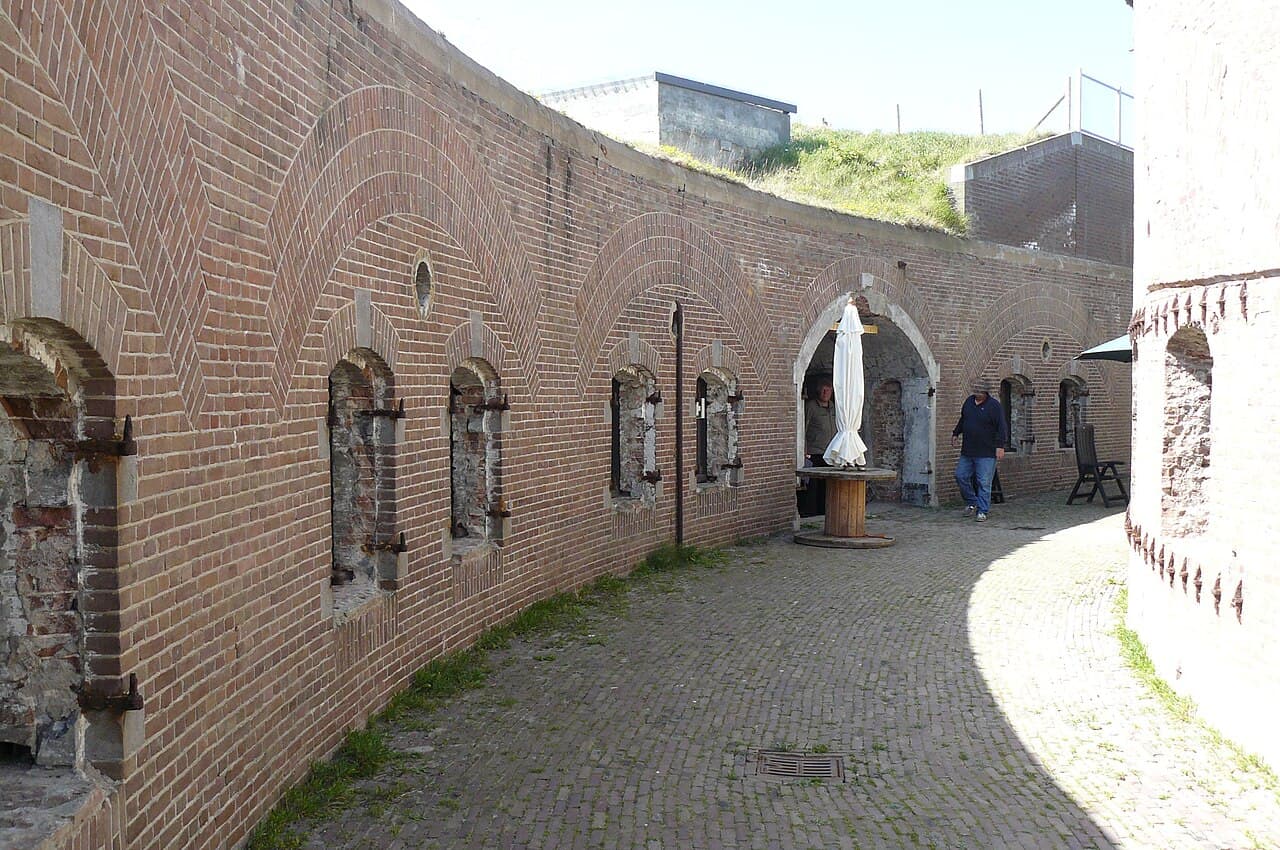
- Defensive walls: Thick masonry walls constructed to resist artillery bombardment.
- Strategic location: Positioned to control access to the naval base and maritime routes.
Historical timeline
While the exact construction date of Fort Harssens is not detailed here, its style and purpose align with coastal fortifications developed in the 19th century, a period of significant naval expansion and modernization in the Netherlands. The fortress remained active through both World Wars, adapting to changing military technologies and threats.
Fort Harssens in the context of Dutch naval defense
The fortress is a key element in the defensive system protecting the Royal Netherlands Navy's facilities at Den Helder. Alongside other forts and batteries, Fort Harssens helped secure the northern approaches to the Zuiderzee and the North Sea, ensuring the safety of Dutch maritime interests.
Its preservation as a museum and the integration of modern maritime control functions underscore the continuing relevance of this historic site in Dutch naval history and coastal defense.
Frequently asked questions (FAQ)
- How do I get to Fort Harssens?
- Fort Harssens is located in Den Helder, Netherlands, and can be easily accessed by public transport or car. If you are traveling by train, take a train to Den Helder station, and then a short bus ride or taxi will take you directly to the fort.
- What is the historical significance of Fort Harssens?
- Fort Harssens was built in the 19th century as part of the Dutch coastal defense system. It played a crucial role during various military conflicts and is an important example of military architecture from that period.
- When was Fort Harssens constructed?
- Construction of Fort Harssens began in 1869 and was completed in 1871. The fort was strategically built to protect the coastal regions of the Netherlands against potential threats from the sea.
- Can I visit Fort Harssens year-round?
- Yes, Fort Harssens is open to visitors throughout the year, but it's advisable to check the specific opening hours for each season. Guided tours are available on weekends, providing an in-depth look at the fort's history and architecture.
- Why is the architecture of Fort Harssens unique?
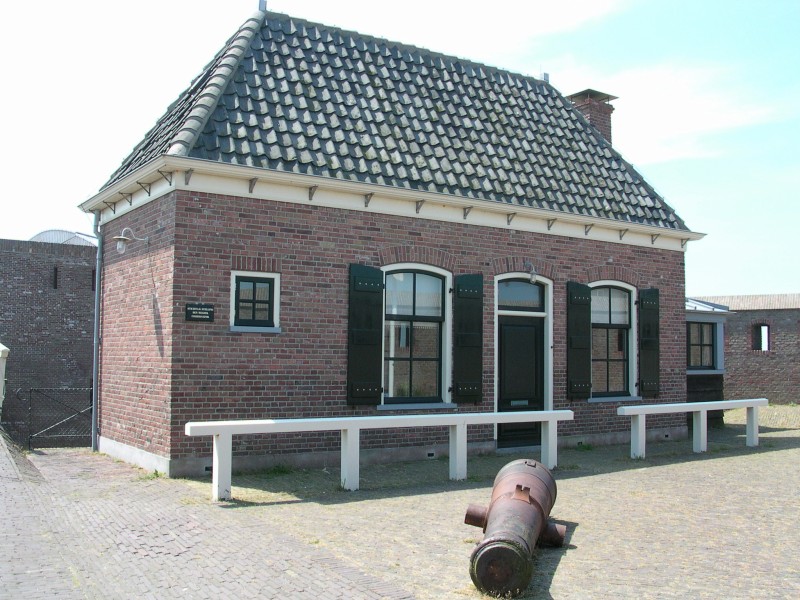
- The architecture of Fort Harssens is characterized by its robust brick construction and strategic layout designed for defense. Its unique design includes a moat and earthworks, which were essential for protecting against enemy attacks.
- Is it possible to access the interior of Fort Harssens?
- Yes, visitors can access the interior of Fort Harssens during guided tours. These tours offer a fascinating glimpse into the fort's history and the living conditions of soldiers stationed there.
- What are the ticket prices for Fort Harssens?
- Ticket prices for Fort Harssens are quite affordable, typically ranging from €5 to €10 for adults, with discounts available for children and seniors. It's best to purchase tickets online in advance to secure your spot.
- What are the opening hours for Fort Harssens?
- Fort Harssens generally opens at 10 AM and closes at 5 PM, but these hours may vary depending on the season. Be sure to check the official website for the most current information before your visit.
- What nearby attractions should I visit while in Den Helder?
- While in Den Helder, consider exploring the nearby Dutch Naval Museum and the beautiful beaches along the North Sea coast. These attractions complement the historical experience of Fort Harssens and provide a full day of exploration.
Photo gallery

Information
Loading map...
Visitor reviews
No reviews yet. Been here? Write the first review and help other travelers!
Write the first reviewVisited this castle? Share your experience
Your review helps other travelers and adds first-hand knowledge to our encyclopedia.