Dromoland Castle

Dromoland Castle: historic Irish castle turned luxury hotel
Newmarket-on-Fergus, United Kingdom
Modern (19th–20th c.)

Dromoland Castle stands as a quintessential example of an Irish castle that has gracefully transitioned from a historic fortress to a luxurious modern hotel. Located near Newmarket-on-Fergus in County Clare, Ireland, this castle is renowned not only for its rich heritage but also for its exceptional hospitality and cultural significance. The castle's origins trace back to a 15th or early 16th-century tower house, which served as the ancestral home of the O'Brien family, descendants of the High King of Ireland.

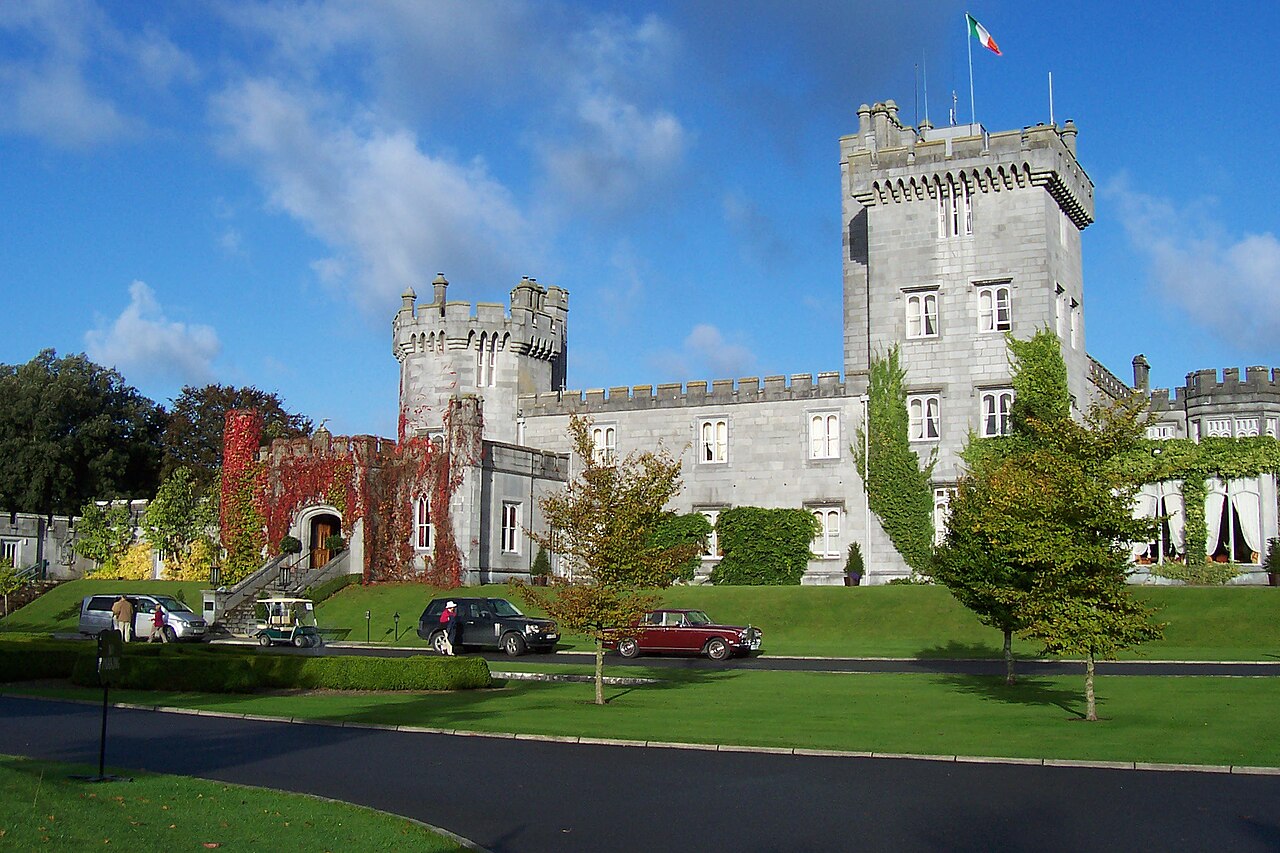
The current structure, completed in 1835, is a grand example of 19th-century Gothic Revival architecture, characterized by its imposing battlements, turrets, and ornamental stonework. This architectural style sought to evoke the medieval past while incorporating modern comforts and aesthetics of the time. The castle's design reflects the romanticism of the era, blending defensive features with elegant residential quarters.

Historical origins and architectural evolution

The site of Dromoland Castle has been occupied since the late medieval period, initially featuring a tower house typical of Irish noble residences during the late medieval period. These tower houses were fortified stone structures designed for both defense and domestic living. Over the centuries, the castle underwent significant transformations, especially in the 19th century when the present mansion was constructed, replacing the earlier medieval buildings.

The castle was historically the seat of the O'Brien clan, an influential Gaelic family with deep roots in Irish history. Their lineage includes the High Kings of Ireland, and Dromoland was a symbol of their power and prestige. The 19th-century reconstruction was commissioned by Sir Edward O'Brien, 4th Baronet, who sought to create a residence that combined the grandeur of a noble estate with the comforts of a modern mansion.

Architectural features and grounds

Dromoland Castle boasts a striking façade with , turrets, and pointed arch windows that emphasize its Gothic Revival style. The interior includes lavishly decorated rooms, grand halls, and period furnishings that reflect the castle's aristocratic heritage. The castle is surrounded by extensive parklands and gardens, which include a renowned golf course that complements the estate's luxury offerings.

The castle's layout integrates traditional defensive elements such as thick stone walls and a gatehouse, though these features are largely symbolic in the current era of hospitality. The grounds offer scenic views of the Irish countryside, enhancing the visitor experience with natural beauty and historical ambiance.

Transition to luxury hospitality

In the late 20th century, Dromoland Castle was transformed into a 5-star luxury hotel, preserving its historic character while adapting to contemporary standards of comfort and service. The hotel features elegantly appointed guest rooms, fine dining options, and amenities such as a spa and conference facilities.

The castle's restaurant, the Earl of Thomond, achieved a prestigious Michelin star in 1995 under the leadership of head chef Jean Baptiste Molinari. This accolade highlights the castle's commitment to culinary excellence and enhances its reputation as a premier destination.

Notable guests and cultural significance

Dromoland Castle has hosted a distinguished roster of guests, including United States Presidents George W. Bush and Bill Clinton, King Juan Carlos I of Spain, Nelson Mandela, Muhammad Ali, and numerous celebrities such as Richard Branson, Jack Nicholson, Johnny Cash, Michael Flatley, Bono, and John Travolta. Their visits underscore the castle's status as a symbol of luxury and historical prestige.

As a member of Historic Hotels Worldwide, Dromoland Castle plays a vital role in preserving Ireland's cultural heritage while offering guests a unique experience that blends history, architecture, and modern luxury.

Visitor experience and amenities

Guests at Dromoland Castle enjoy a range of amenities including a championship golf course, spa services, and beautifully maintained gardens. The castle's interiors feature period furnishings, antique collections, and grand reception rooms that evoke the aristocratic lifestyle of its former inhabitants.

The hotel also serves as a venue for weddings, conferences, and special events, making it a versatile destination that appeals to a broad audience. Its location in County Clare provides convenient access to other Irish landmarks and natural attractions, enhancing its appeal for tourists.

Frequently asked questions (FAQ)

How do I get to Dromoland Castle?
Dromoland Castle is located in Newmarket-on-Fergus, easily accessible by car or public transport from nearby cities like Limerick and Shannon. The nearest airport is Shannon Airport, which is just a short drive away. For those driving, ample parking is available on-site.
What is the historical significance of Dromoland Castle?
Dromoland Castle has a rich history dating back to the 16th century and is known as the ancestral home of the O'Brien family, descendants of the last High King of Ireland. The castle has played a vital role in the local history and has been meticulously restored to preserve its heritage. Today, it stands as a luxurious hotel and a testament to Ireland's storied past.
When was Dromoland Castle built?
Dromoland Castle was originally constructed in the 16th century, with significant renovations and expansions taking place in the 19th century. The castle's architectural style reflects various influences, making it a stunning example of historical design. Its impressive structure and surrounding gardens are a delight to visitors.
Can I tour Dromoland Castle?
Yes, visitors can take guided tours of Dromoland Castle, which provide insight into its history, architecture, and the O'Brien family's legacy. Tours are available at specific times, so it's advisable to check the schedule in advance. Additionally, guests can explore the magnificent grounds and gardens surrounding the castle.
Why is Dromoland Castle considered an architectural gem?
Dromoland Castle is renowned for its stunning blend of Gothic and Renaissance architectural styles, characterized by its impressive towers, ornate interiors, and beautifully landscaped gardens. The castle's design showcases intricate details and craftsmanship that reflect the opulence of its time. Its picturesque setting adds to its charm, making it a popular destination for architecture enthusiasts.
Is it possible to stay overnight at Dromoland Castle?
Yes, Dromoland Castle operates as a luxury hotel, offering a range of accommodations that combine modern amenities with historical elegance. Guests can enjoy world-class service, fine dining, and a variety of activities during their stay. Reservations are recommended, especially during peak tourist seasons.
What are the opening hours for Dromoland Castle?
Dromoland Castle is generally open to visitors from 9 AM to 6 PM, but it's best to check their official website for any seasonal variations or special events. Guided tours and dining options may have different hours, so planning ahead is advised. Visitors looking to explore the grounds can do so during these hours.
What are the ticket prices for visiting Dromoland Castle?
Ticket prices for guided tours of Dromoland Castle vary depending on the type of tour and any additional services included. Generally, prices are reasonable, reflecting the exceptional experience provided. It's a good idea to book in advance to secure your spot and check for any special promotions or packages.
When is the best time to visit Dromoland Castle?
The best time to visit Dromoland Castle is during the spring and early autumn months when the weather is mild and the gardens are in full bloom. Summer can be busy with tourists, but it also offers vibrant activities and events. Regardless of the season, Dromoland Castle offers a unique experience year-round.
Are there any nearby attractions to Dromoland Castle?
Yes, there are several attractions near Dromoland Castle, including the scenic Cliffs of Moher, the historic town of Ennis, and the beautiful Burren region. Visitors can easily explore these sites, making Dromoland a great base for discovering the beauty of County Clare. Local tours may also be available to enhance your experience.

Information

Sources & official resources

Verify the information above using these authoritative references.

Loading map...

Visitor reviews

No reviews yet. Been here? Write the first review and help other travelers!

Write the first review

Visited this castle? Share your experience

Your review helps other travelers and adds first-hand knowledge to our encyclopedia.
Write a review

(5/5)

0/2000 characters

Your review will be visible after admin approval

Nearby castles

2.5 km
Dromoland Castle — Ireland castle

Dromoland Castle

Newmarket-on-Fergus, Ireland

Dromoland Castle (Irish: Drom Ólainn) is a prominent hill castle located near Newmarket-on-Fergus in County Clare, Ireland. Though its origins trace back to medieval times, the present structure primarily dates from the 19th century, reflecting a period of extensive rebuilding and restoration that transformed it into the grand estate seen today. The castle's architecture blends traditional elements with Victorian-era influences, characteristic of the modern period of construction. Historical background and lineage The site of Dromoland Castle has been associated with the powerful O'Brien family, descendants of the High King of Ireland, Brian Boru. The O'Briens were prominent Gaelic chieftains who controlled vast territories in the region. The original fortress likely dates to the medieval period, serving as a stronghold for the clan. However, the castle underwent significant reconstruction during the 19th century under the ownership of the O'Brien family, which gave it the appearance of a stately country house while retaining defensive features typical of a hill castle. Architectural features and estate layout Dromoland Castle is set on elevated ground, which provided strategic advantages historically, such as commanding views over the surrounding landscape. The castle features a stone-built structure with battlements and turrets that echo its defensive heritage. The 19th-century renovations introduced elements of the Gothic Revival style, including pointed arch windows, crenellated parapets, and ornamental stonework, blending romantic aesthetics with functional design. The estate encompasses extensive grounds, including formal gardens, woodlands, and a renowned golf course designed to complement the natural terrain. The castle's interiors have been adapted for luxury hospitality purposes, featuring lavish rooms, banquet halls, and modern amenities while preserving historical character. Modern use and cultural significance Today, Dromoland Castle operates as a five-star luxury hotel, attracting visitors from around the world. Its restaurant, the Earl of Thomond, earned a Michelin star in 1995 under the guidance of head chef Jean Baptiste Molinari, highlighting the castle's commitment to excellence in hospitality and cuisine. The hotel offers a blend of historical ambiance and modern luxury, hosting events such as weddings, conferences, and cultural gatherings. The castle is a significant cultural landmark in County Clare, representing Irish heritage and aristocratic history. Its preservation and adaptation demonstrate the evolving role of historic castles in contemporary society, balancing conservation with commercial viability. Visitor experience and amenities Guests at Dromoland Castle can enjoy a range of amenities, including the golf course, spa facilities, and fine dining. The castle's location near Newmarket-on-Fergus makes it accessible while providing a tranquil setting. The surrounding countryside offers opportunities for sightseeing and exploring Irish history and landscapes. Architectural highlights to explore Battlemented towers and turrets showcasing medieval defensive architecture Gothic Revival decorative elements from the 19th-century renovation Extensive formal gardens and landscaped grounds Historic interiors adapted for modern luxury accommodation Historical events and ownership The castle remained in the O'Brien family for centuries until the 20th century when it was sold and converted into a hotel. Its history reflects the broader changes in Irish society, from Gaelic lordship to modern tourism and heritage preservation.

Modern (19th–20th c.)
Details
4.6 km
Ballyhannon Castle — Ireland castle

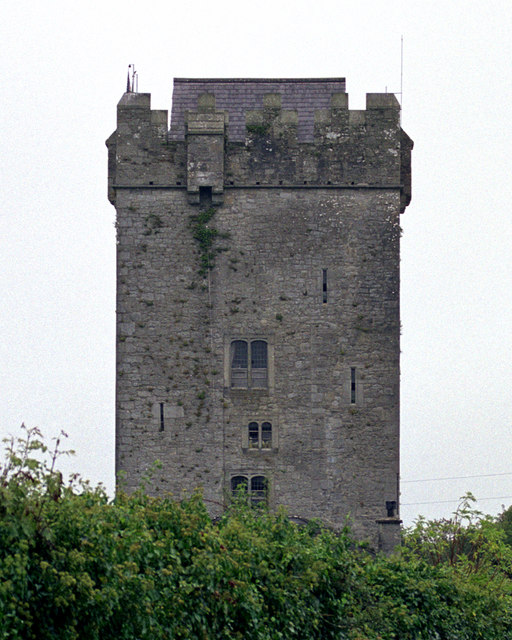
Ballyhannon Castle

, Ireland

Ballyhannon Castle is a remarkable example of a 15th-century medieval Irish hill castle, situated near the village of Quin in County Clare, on Ireland's west coast. This castle stands out for its exceptional state of preservation, being fully intact and recognized as a National Monument and a listed/protected structure by the Irish government. Its protection underscores the castle's significant historic, architectural, and aesthetic value. Architectural features and design The castle exemplifies the typical characteristics of late medieval Irish tower houses, which were fortified residences built primarily for defensive purposes while serving as noble homes. Ballyhannon Castle is constructed in a rectangular plan with thick stone walls that provided strong defense against attacks. The structure includes several floors connected by a narrow spiral staircase, a common feature in tower houses designed to impede invaders. Key architectural elements include narrow slit windows for archery defense, machicolations above the entrance for dropping projectiles on attackers, and a battlemented parapet crowning the roofline. The castle's entrance is fortified with a and a in the passageway, allowing defenders to attack enemies attempting to breach the gate. Inside, the castle features a on the main floor, which would have served as the primary living and reception area. The upper floors housed private chambers and storage rooms. The basement level often contained a or storage for provisions, typical of castles of this period. Historical context and ownership Ballyhannon Castle was constructed during the late medieval period, around the 15th century, a time when Ireland was characterized by frequent clan conflicts and the need for fortified residences. The castle was likely built by a local Gaelic family or Anglo-Norman settlers to assert control over the surrounding lands and provide protection. Throughout its history, Ballyhannon Castle has witnessed various ownership changes and historical events typical of Irish castles, including periods of siege and occupation. Its survival in such a well-preserved state is unusual, as many similar structures fell into ruin or were extensively altered in later centuries. Preservation and current status The castle's designation as a National Monument reflects its importance to Ireland's cultural heritage. It is maintained to preserve its original medieval features, with conservation efforts focused on preventing deterioration of the stonework and structural elements. Ballyhannon Castle remains a prominent landmark in County Clare, attracting visitors interested in medieval architecture and Irish history. Its intact condition offers a rare opportunity to study the design and function of a late medieval Irish hill castle in situ. Visiting Ballyhannon Castle While the castle is recognized for its historical significance, access details may vary as it is privately owned or managed. Visitors should check local tourist information in County Clare or the nearby village of Quin for current visiting hours and any guided tours available. The surrounding landscape, typical of the west of Ireland, adds to the castle's appeal, providing scenic views and a sense of the strategic location chosen for defense and oversight of the area. Architectural comparison and significance Ballyhannon Castle is an important example of the Irish tower house tradition, a distinctive form of castle architecture that flourished in Ireland from the 15th to the 17th centuries. These structures combined residential comfort with military defense, reflecting the turbulent social and political environment of late medieval Ireland. The castle's preservation allows for detailed study of construction techniques such as limestone masonry, defensive features like , and the use of vertical space in a compact footprint. Its intact state is invaluable for historians and architects studying medieval Irish fortifications.

Late Medieval (14th–15th c.)
Details
5.7 km
Knappogue Castle — Ireland castle

Knappogue Castle

, Ireland

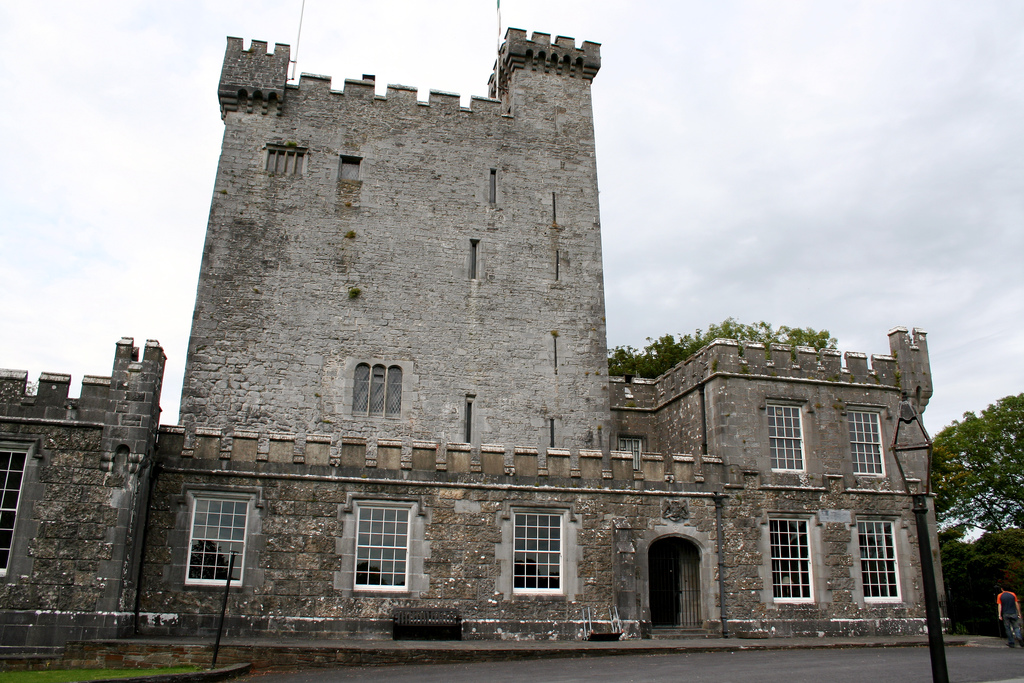
Knappogue Castle (Irish: Caisleán na Cnapóige) is a remarkable example of a 15th-century tower house located in the parish of Quin, County Clare, Ireland. Constructed in 1467, this castle stands as a significant representation of late medieval Irish fortified residences. Originally built as a defensive stronghold, it was designed to serve both as a noble residence and a military fortification, typical of the period's turbulent political landscape. Architectural features and design The castle is classified as a hill castle, strategically positioned to oversee the surrounding land and provide a vantage point against potential attackers. Its core structure is a tower house, a common type of fortified dwelling in Ireland during the late medieval period. The castle's vertical emphasis is characterized by thick stone walls, narrow slit windows for defense, and battlements atop the tower for surveillance and protection. The original 15th-century construction featured a rectangular plan with multiple floors accessible via a spiral staircase. The lower levels included storage and defensive spaces, while the upper floors served as living quarters. The castle's robust stone masonry and defensive elements reflect the architectural priorities of the era, balancing residential comfort with military utility. Mid-19th century expansions and restorations In the mid-19th century, Knappogue Castle underwent significant expansion and restoration. These works introduced elements that enhanced its residential appeal while respecting the original medieval character. The restoration included the addition of larger windows and improved interior accommodations, adapting the castle for more comfortable habitation during the Victorian era. The restoration efforts have preserved much of the castle's historical integrity, allowing visitors today to experience both its medieval origins and its 19th-century adaptations. Historical context and ownership The castle was originally built by the MacNamara family, a powerful Gaelic clan in County Clare. The MacNamaras were influential in the region, and their construction of Knappogue Castle signified their status and control over the surrounding lands. Throughout its history, the castle witnessed various conflicts and ownership changes, reflecting the broader political and social upheavals in Ireland. Its defensive design was essential during periods of local warfare and the English conquest of Ireland. Role in Irish history Knappogue Castle played a role in the complex history of Irish chieftains and colonial struggles. Its fortifications were tested during the turbulent 16th and 17th centuries, including events related to the Cromwellian conquest and the Williamite wars. The castle's survival through these periods highlights its strategic importance and robust construction. Current condition and visitor experience Today, Knappogue Castle is restored and well-preserved, offering guided tours that allow visitors to explore its historic rooms, battlements, and grounds. The restoration has included careful conservation of the original stonework and architectural features, providing an authentic glimpse into medieval Irish castle life. The castle's interiors showcase period furnishings and artifacts that illustrate the lifestyle of its former inhabitants. Visitors can appreciate the blend of medieval defensive architecture with the Victorian-era enhancements made during the 19th-century restoration. Located in a scenic rural setting, the castle is accessible to tourists interested in Irish history, medieval architecture, and heritage preservation. Its status as a cultural landmark contributes to County Clare's rich tapestry of historic sites. Visiting information Knappogue Castle is open to the public for guided tours, which provide detailed insights into its architecture and history. Visitors are encouraged to check seasonal opening hours and tour availability in advance. The castle's grounds and surrounding countryside offer additional opportunities for exploration and photography.

Late Medieval (14th–15th c.)
Details