
Cléron Castle
Cléron Castle, known locally as Château de Cléron, is a remarkable example of medieval fortification situated in the village of Cléron in the Doubs department of France. This hill castle occupies a strategic rocky promontory overlooking the Loue River, a location that has been of military and commercial importance since antiquity. Its origins trace back to a Gallo-Roman castrum, highlighting the site's longstanding defensive significance. The castle’s position guarded a vital river crossing that was part of the main salt route connecting Besançon and Salins-les-Bains, crucial for regional trade and prosperity during the Middle Ages.
The current castle was constructed in 1320 by Humbert de Cléron, a vassal of the Count of Burgundy, replacing an earlier medieval fortification. This construction marks the castle’s transition into a significant medieval stronghold designed to protect the ford and later the wooden bridge built in 1384. The castle’s role as a guardian of the river crossing reflects the broader geopolitical importance of the region during the High Medieval period.
Medieval origins and strategic importance
The site of Cléron Castle was originally a Gallo-Roman military camp, or castrum, strategically placed on a rocky outcrop that commands views over the Loue River. This location was critical for controlling the river ford, a crossing point that formed part of the vital salt trade route. The Lords of Cléron inherited control of this crossing from the Lords of Scey before the 12th century, emphasizing the continuity of feudal authority and military oversight in the region.
The salt route was a key economic artery in medieval Franche-Comté, facilitating the transport of salt, a valuable commodity, between Besançon and Salins-les-Bains. Control of the crossing not only brought economic benefits but also necessitated strong defensive measures to protect against banditry and military threats.
Construction and architectural features
The castle built by Humbert de Cléron in the early 14th century was designed with robust defensive features typical of the High Medieval period. Central to its fortifications is a tall keep, which served as both a last refuge and a symbol of lordly power. The keep was surrounded by machicolations, openings in the parapets allowing defenders to drop projectiles or boiling substances on attackers below, providing an effective means of vertical defense.
The castle also features narrow arrowslits for archers to defend against invaders while remaining protected. Murder-holes located in gateways and passageways further enhanced the castle’s defensive capabilities, allowing defenders to target enemies attempting to breach the entrance. These architectural elements reflect the military technology and siege warfare tactics of the medieval period.
In the 19th century, a distinctive square tower known as the Clock Tower was added, representing the architectural evolution of the castle while maintaining its medieval character. This tower adds a vertical emphasis to the castle’s silhouette and serves as a notable landmark.
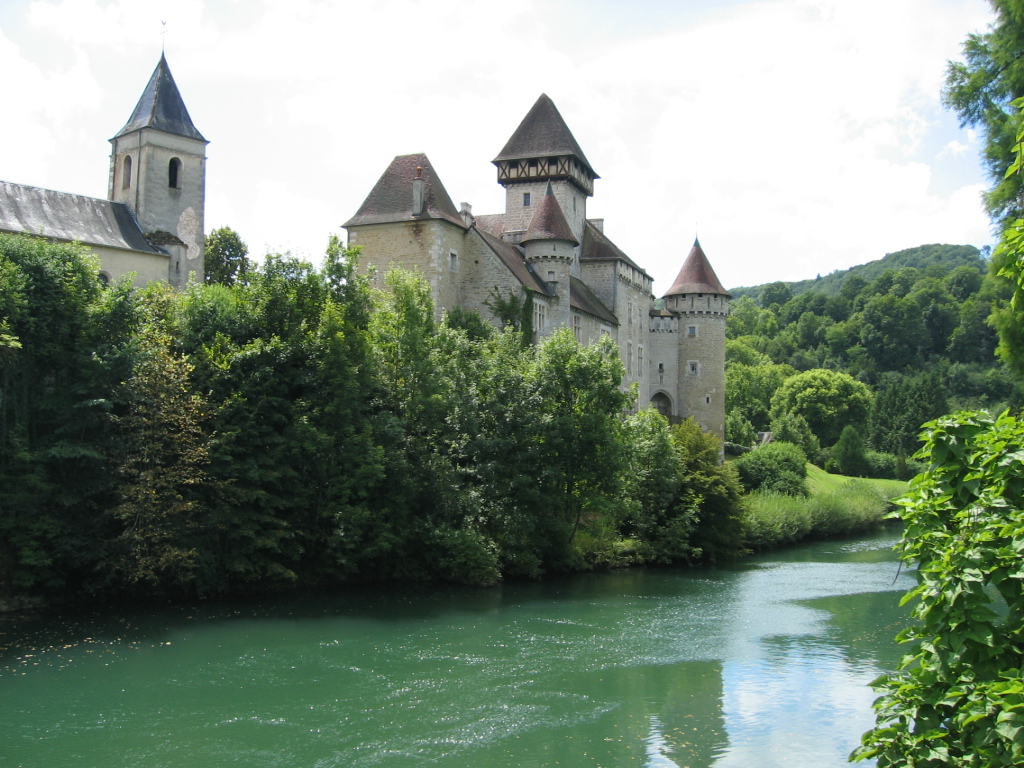
Photo by Arnaud 25 • Public domain
Historical events and legends
Cléron Castle’s history is marked by episodes of conflict and resilience. In the mid-15th century, the nearby village was attacked by brigands who kidnapped a villager, leading to a dramatic punitive expedition led by Simon de Cléron. The tale of the mad woman locked in a tower and the fiery siege of 1480 during a French attack adds a layer of local legend to the castle’s history. The keep caught fire during this siege, and Simon’s escape involved a tense confrontation on a fragile wooden footbridge, culminating in the death of the brigand leader and the tragic demise of the mad woman.
The castle and village also suffered during the Ten Years’ War (1634–1644), part of the broader Thirty Years’ War. In 1639, Swedish mercenaries allied with France under Cardinal Richelieu devastated the area, followed by further destruction by French troops in 1641. These events underscore the castle’s strategic importance and the turbulence of the early modern period in the region.
18th and 19th century modifications
After being acquired by the Terrier family in 1691, the castle underwent significant remodeling in the 18th century. These modifications adapted the medieval fortress into a more comfortable residence, reflecting contemporary architectural and domestic trends while preserving key defensive features such as the keep, machicolations, and arrowslits.
The French Revolution brought upheaval; the castle was confiscated and repurposed as a farm. However, the Terrier family regained ownership post-Revolution, aided by a marriage to a wealthy heiress, enabling restoration efforts. Following 1840, the castle was substantially rebuilt to emphasize its medieval appearance, a reflection of the 19th-century Romantic movement’s fascination with medieval architecture.
In 1890, ownership passed to the Montrichard family through marriage. The castle remains their private residence today and has been listed as a monument historique since 1988 by the French Ministry of Culture, recognizing its cultural and architectural significance.
Current status and visitor information
Cléron Castle is a restored hill castle that retains much of its medieval defensive architecture alongside later modifications. While the interior remains private and is not open to the public, the castle’s gardens are accessible during the summer months for a fee. Visitors can enjoy the beautifully maintained grounds, which include decorative stone sculptures of lions, a latticework pavilion relocated from the Hôtel Terrier de Santans, and a charming dollhouse.
The castle’s exterior, with its imposing keep and defensive features, offers a vivid glimpse into the medieval military architecture of the region. Its historical layers, from the Gallo-Roman castrum origins through medieval fortification to 18th and 19th-century renovations, make Cléron Castle a significant heritage site in the Doubs department.
Frequently asked questions (FAQ)
- What is the historical significance of Cléron Castle?
- Cléron Castle, dating back to the 12th century, played a crucial role in the defense of the region during the medieval period. Its strategic location allowed it to oversee important trade routes, making it a key site in local history. Today, the castle stands as a testament to the architectural evolution and the historical narratives of its time.
- When is the best time to visit Cléron Castle?
- The best time to visit Cléron Castle is during the spring and early autumn months when the weather is mild and the gardens are in full bloom. These seasons provide an ideal backdrop for exploring the castle's grounds and enjoying outdoor activities. Additionally, visiting during these times often means fewer crowds, allowing for a more personal experience.
- What are the opening hours for Cléron Castle?
- Cléron Castle is open to visitors from 10 AM to 5 PM, Tuesday through Sunday. It is closed on Mondays and certain public holidays. Always check the official website for any seasonal changes or special events that might affect opening hours.
- Can I purchase tickets in advance for Cléron Castle?
- Yes, tickets for Cléron Castle can be purchased in advance through the official website. This is highly recommended, especially during peak tourist seasons, to ensure your entry and avoid long wait times. Group discounts may also be available for larger parties.
- Is Cléron Castle accessible for visitors with disabilities?
- Cléron Castle strives to be accessible to all visitors, with provisions in place for those with mobility challenges. While some areas may present challenges due to the castle's historical architecture, staff are available to assist and provide information on accessible routes. It's advisable to contact the castle ahead of your visit for specific accessibility inquiries.
- What architectural styles are present in Cléron Castle?
- Cléron Castle showcases a blend of medieval and Renaissance architectural styles, reflecting its long history and various renovations. Visitors can observe impressive stonework, fortified walls, and elegant interiors that highlight the craftsmanship of different eras. The castle's design not only served defensive purposes but also revealed the status and wealth of its inhabitants.
- Are there any nearby attractions to visit while in Cléron?
- Yes, there are several nearby attractions worth exploring, including the picturesque village of Cléron itself, which offers charming streets and local shops. Additionally, the surrounding countryside features beautiful hiking trails and scenic views of the Doubs River. These attractions make it easy to plan a full day of discovery in the region.
- What are the ticket prices for Cléron Castle?
- Ticket prices for Cléron Castle typically range from €8 for adults to €5 for children and students. Special rates may apply for families and groups, so it's a good idea to check the official website for the most current pricing and any available discounts. Children under a certain age may enter for free, making it an affordable family outing.
Photo gallery


Information
Website
Visit websiteLoading map...
Visitor reviews
No reviews yet. Be the first to share your experience!