Castle Museum of Saginaw County History — United States of America castle

Castle Museum of Saginaw County History

Castle Museum of Saginaw County History
Post-Renaissance (17th–18th c.)
Well Preserved

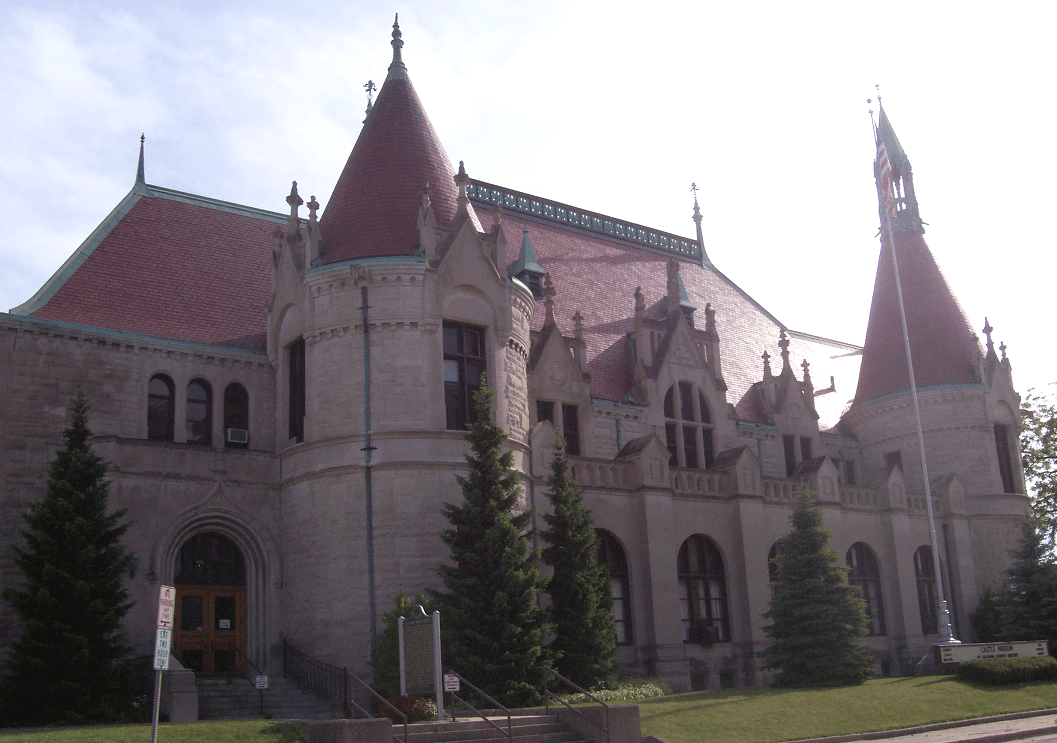
The Castle Museum of Saginaw County History is a distinctive chateau-style building located in downtown Saginaw, Michigan. This historic structure stands as a prominent landmark in the city, reflecting the architectural and cultural heritage of the region. Originally constructed in the late 19th century, the building was designed with a striking architectural style reminiscent of European castles, which contributes to its unique presence in the urban landscape.

Architectural significance and design

The building exhibits characteristics typical of a chateau-style structure, including steeply pitched roofs, ornate detailing, and an imposing facade that evokes the grandeur of historic European castles. Despite its castle-like appearance, the building was originally intended for practical use as a post office rather than a defensive fortress. Its robust masonry construction and elegant design elements have helped it endure with only limited modifications since its completion.

Structural features

The Castle Museum building features multiple floors arranged to maximize exhibition space while maintaining the integrity of its original design. The exterior is marked by decorative stonework and large windows that allow natural light to illuminate the interior. The roofline and turrets contribute to its castle-like silhouette, making it a visually striking example of late 19th-century civic architecture.

Historical context and usage

Constructed during a period of economic growth in Saginaw, the building initially served as the city’s post office, playing an essential role in communication and commerce. Over time, as the needs of the community evolved, the structure was repurposed to serve as a museum dedicated to preserving and showcasing the rich history of Saginaw County.

For the past 30 years, the building has housed the Castle Museum of Saginaw County History, which offers visitors a comprehensive view of the area's cultural and industrial heritage. The museum's exhibits span three floors and include displays on the Saginaw County Sports Hall of Fame, the lumbering era that was pivotal to the region's economy, and the automotive industry which shaped the 20th century development of the county.

Collections and exhibitions

The museum’s extensive collections provide insight into the diverse facets of Saginaw County's past. Visitors can explore artifacts, photographs, and memorabilia that tell the story of the county’s growth from a lumbering hub to an industrial center. The Sports Hall of Fame celebrates local athletes and their achievements, fostering community pride and preserving sporting legacies.

Exhibit highlights

  • Lumbering era displays illustrating the impact of the timber industry on the region’s development.
  • Automotive exhibits showcasing the evolution of car manufacturing and its influence on Saginaw’s economy.
  • Historical photographs and documents that provide a visual narrative of the county’s transformation over time.

Preservation and cultural importance

The building’s inclusion on the National Register of Historic Places underscores its significance as a cultural and architectural landmark. Preservation efforts have maintained the structure’s historic integrity, allowing it to serve as both a museum and a tangible connection to Saginaw’s past. The Castle Museum not only educates the public about local history but also contributes to the community’s identity and heritage tourism.

Visitor experience

The museum is open to the public, welcoming visitors interested in exploring the rich history of Saginaw County. Its central location at 500 Federal Ave, Saginaw, MI 48607 makes it easily accessible. The museum offers a range of educational programs and special events that engage diverse audiences and promote an appreciation for the region’s historical legacy.

Overall, the Castle Museum of Saginaw County History stands as a testament to the enduring value of preserving historic architecture and local heritage. Its distinctive castle-like appearance combined with its role as a repository of regional history makes it a unique and valuable institution within Michigan.

Frequently asked questions (FAQ)

How do I get to the Castle Museum of Saginaw County History?
The Castle Museum is located in the heart of Saginaw, American Samoa. You can reach it easily by car, and there is parking available nearby. Public transportation options may also be available, so check local transit schedules for the best routes.
What is the historical significance of the Castle Museum of Saginaw County History?
The Castle Museum is a key landmark that showcases the rich history of Saginaw County and its surrounding areas. Built in the 1890s, this architectural gem serves as a testament to the region's development and heritage, featuring exhibits that highlight local culture and events.
When was the Castle Museum built?
The Castle Museum was constructed in the late 19th century, specifically in 1898. Originally serving as a post office, the building has been transformed into a museum that preserves and shares the history of Saginaw County.
Can I bring my children to the Castle Museum?
Absolutely! The Castle Museum is family-friendly and offers various interactive exhibits that are suitable for children of all ages. Special programs and educational activities are often scheduled, making it a great destination for family outings.
Why is the architecture of the Castle Museum important?
The architecture of the Castle Museum is notable for its unique Gothic Revival style, which reflects the design trends of its time. Its intricate details and historic charm make it an architectural landmark, attracting both history buffs and architecture enthusiasts.
Is it possible to host events at the Castle Museum?
Yes, the Castle Museum offers rental spaces for various events, including weddings, meetings, and community gatherings. It's advisable to contact the museum directly for availability, pricing, and specific arrangements for hosting your event.
What are the opening hours of the Castle Museum?
The Castle Museum is typically open from Tuesday to Sunday, with hours varying by day. Be sure to check the museum's official website or contact them directly for the most current hours of operation before your visit.
What are the ticket prices for the Castle Museum?
Admission prices for the Castle Museum are generally affordable, with discounts available for seniors, students, and children. Group rates may also be offered, so it's a good idea to inquire in advance if you're planning a visit with a large party.
When is the best time to visit the Castle Museum?
The best time to visit the Castle Museum is during the spring and fall when the weather is mild and comfortable for exploring. Additionally, special events and exhibits are often scheduled during these seasons, enhancing your experience.
Are there any nearby attractions to visit after the Castle Museum?
Yes, there are several attractions near the Castle Museum, including parks, historical sites, and local dining options. Exploring the surrounding area can provide a well-rounded experience of Saginaw's culture and history.

Photo gallery

Castle Museum of Saginaw County History
Click to view

Photo by James W. Gault III, CrazyElk at en.wikipedia•CC BY-SA 3.0

1 photo • Click any image to view in full screen

Information

Palace Castle

Current owner

Castle Museum of Saginaw County History

Address

500 Federal Ave, Saginaw, MI 48607

Loading map...

Visitor reviews

No reviews yet. Been here? Write the first review and help other travelers!

Write the first review

Visited this castle? Share your experience

Your review helps other travelers and adds first-hand knowledge to our encyclopedia.

Write a review

(5/5)

0/2000 characters

Your review will be visible after admin approval

Nearby castles

51.7 km

Curwood Castle

Curwood Castle, United States of America

Curwood Castle in Owosso, Michigan, is a charming and fairytale-esque castle that served as the private writing studio of the celebrated early 20th-century author James Oliver Curwood. Built in the early 1920s, this distinctive structure reflects a romanticized medieval style, blending elements of castle architecture with a cozy, artistic atmosphere. It stands as a testament to Curwood's legacy as a writer, adventurer, and conservationist. James Curwood was a native of Owosso whose novels were immensely popular in his lifetime, with an estimated readership of over 7 million people. Many of his adventure stories were adapted into major Hollywood films during the silent and early sound eras, cementing his place in American literary and cinematic history. Despite his fame during his lifetime, Curwood's work gradually fell into obscurity after his death in 1927. Today, Curwood Castle and his family home, Hoddy House, are preserved by the Owosso Historical Commission to honor his contributions to literature and conservation. Architectural design and features Curwood Castle is notable for its unique architectural style that evokes a romanticized medieval castle rather than a true defensive fortress. The building features turrets, battlements, and stonework that give it a whimsical and storybook appearance. The castle's design was intended to inspire creativity and provide an atmospheric retreat for Curwood's writing. Unlike traditional castles built for military purposes, Curwood Castle's construction focused on aesthetic charm and functional studio space. Inside, the castle includes a spacious writing room with large windows offering natural light and views of the surrounding grounds, which Curwood often described in his nature-themed stories. The interior also contains a collection of Curwood's personal artifacts, manuscripts, and memorabilia that provide insight into his life and work. Historical significance and legacy Curwood Castle holds cultural and historical importance as the preserved writing studio of one of America's most widely read authors in the early 20th century. James Curwood was not only a prolific novelist but also an avid conservationist who championed the protection of wildlife and natural habitats. His stories frequently celebrated the wilderness and the animal kingdom, themes that resonated with readers and contributed to early conservation movements. The castle and the adjacent Hoddy House serve as physical reminders of Curwood's multifaceted legacy as a writer, explorer, and environmental pioneer. The preservation of these sites allows visitors to connect with the historical context of Curwood's work and appreciate the early 20th-century literary culture in Michigan. Visiting Curwood Castle today Today, Curwood Castle operates as the Writing and Conservation Studio Museum, open to the public from April 1 through December 31. Visitors can explore the castle's enchanting architecture, view exhibits on Curwood's life and literary career, and learn about his conservation efforts. The museum offers a unique cultural experience that combines literary history, architectural interest, and environmental awareness. The Owosso Historical Commission manages the site and provides resources for visitors, including guided tours and educational programs. The castle's picturesque setting and distinctive design make it a popular destination for tourists interested in American literature, historic architecture, and Michigan heritage. Visitor information and accessibility Curwood Castle is located in downtown Owosso, making it easily accessible for visitors traveling by car or public transportation. The museum maintains regular opening hours during its operating season, but prospective visitors are encouraged to check the official website or contact the Owosso Historical Commission for the most current information on hours and special events. The site is suitable for visitors of all ages and offers an engaging experience for families, students, and literary enthusiasts. Accessibility accommodations are in place to ensure that all guests can enjoy the castle and its exhibits. Curwood Castle in cultural context Curwood Castle stands out among American castles for its literary association rather than military or royal heritage. Its existence highlights the early 20th-century fascination with romantic medieval architecture and the desire of creative individuals like Curwood to craft inspiring personal spaces. The castle's preservation reflects a broader appreciation for historic sites that celebrate cultural achievements beyond traditional aristocratic or feudal histories. As a symbol of Curwood's adventurous spirit and dedication to conservation, Curwood Castle continues to attract visitors interested in the intersection of literature, history, and nature. The castle's fairy-tale appearance combined with its authentic historical significance makes it a unique landmark in Michigan and the United States.

Details
51.7 km

Curwood Castle

Owosso, United States Minor Outlying Islands

Curwood Castle in Owosso, Michigan, is a striking example of early 20th-century romantic revival architecture inspired by Norman castles. Constructed in 1923 by celebrated author James Oliver Curwood, the castle embodies the charm of a medieval fortress with its distinctive yellow chateau facade and turrets that evoke a fairy tale ambiance. Although relatively modern compared to traditional medieval castles, Curwood Castle's design reflects a deliberate homage to Norman architectural motifs, making it a unique cultural landmark in the American Midwest. Architectural design and features The castle's architecture is characterized by its turrets, flagstone exterior, and robust stonework, all carefully selected by Curwood himself to create an authentic medieval aesthetic. The highest turret, which offers panoramic views of the Shiawassee River, served as Curwood's personal writing retreat. The castle's layout includes multiple chambers and halls designed to resemble a romanticized version of a Norman fortress, blending functionality with ornamental detail. Inspiration and style While not a medieval structure, Curwood Castle draws heavily from Norman castles of Europe, particularly in its use of turrets and stonework. This romantic revival style was popular in the early 20th century, reflecting a broader cultural fascination with medieval history and architecture. The castle's yellow chateau appearance sets it apart from more traditional gray stone castles, lending it a distinctive and inviting presence. Historical context and significance James Oliver Curwood, a prominent author known for his action-adventure novels, commissioned the castle as both a personal residence and creative sanctuary. The surrounding wooded landscape inspired much of his writing and fueled his passion for environmental conservation. Although Curwood lived in the castle for only five years before his death in 1927, his legacy endures through the preservation of the castle and its grounds. Curwood's literary and environmental legacy The castle overlooks the Shiawassee River, a natural feature that played a significant role in Curwood's storytelling and conservation efforts. His novels often celebrated wilderness and wildlife, themes that resonate with the castle's serene setting. Today, the castle and its surrounding park serve as a tribute to Curwood's dual contributions to literature and environmentalism. Curwood castle today Currently, Curwood Castle operates as a museum open to the public, showcasing the life and works of James Oliver Curwood. The castle and its grounds have been preserved to maintain their historical and architectural integrity, offering visitors a glimpse into the early 20th-century romantic revival movement and Curwood's unique vision. The adjacent park provides recreational opportunities and a natural retreat within Owosso. Visitor experience and amenities Visitors to Curwood Castle can explore the castle's interior rooms, including the writing turret, and learn about Curwood's literary career and environmental advocacy. The museum hosts educational programs and events that celebrate regional history and conservation. The surrounding park features walking trails along the Shiawassee River, picnic areas, and scenic views, making it a popular destination for both history enthusiasts and nature lovers.

Post-Renaissance (17th–18th c.)
Details
94.8 km

The Castle at Lake Livingston Village

Lake Livingston Village, United States of America

The Castle at Lake Livingston Village in Texas offers a unique vacation experience inspired by the German medieval-gothic castles of the old world. Nestled in a tranquil, wooded setting with direct access to Lake Livingston, this quaint and rustic rental accommodates up to five guests, blending historic charm with modern comfort. Medieval-gothic architectural inspiration The design draws heavily on medieval-gothic architectural elements characteristic of German castles, featuring iconic crenellations that crown the exterior walls. These crenellations are complemented by an external walkway that runs behind them, reminiscent of the defensive battlements used in historic fortresses. Inside, the castle showcases large wooden beams that emphasize the rustic and sturdy construction typical of medieval halls. Interior design and furnishings The interior is thoughtfully decorated with gothic furniture, including heavy wooden tables and chairs with intricate carvings. The ambiance is enriched by the presence of a knight in armor statue and authentic tapestries adorning the walls, which together evoke the atmosphere of a medieval stronghold. These elements create an immersive experience, transporting guests back to the Middle Ages while providing modern amenities. Setting and additional accommodations Set within a peaceful wooded area, the castle offers guests a serene retreat with natural surroundings and easy access to the recreational opportunities of Lake Livingston. Adjacent to the main castle is a property styled as an authentic German guesthouse, enhancing the thematic coherence of the site and providing additional lodging options. This guesthouse complements the castle’s aesthetic and offers a cozy alternative for visitors. Visitor experience and amenities While primarily a vacation rental, the castle provides a distinctive experience for those interested in medieval architecture and historical ambiance. Guests can enjoy the combination of rustic charm and lakeside recreation, making it an appealing destination for families or small groups seeking a unique getaway. The property is well-maintained and designed to offer comfort alongside its thematic elements. Location and accessibility Located in Lake Livingston Village, Texas, the castle is situated in a region known for its natural beauty and outdoor activities. The approximate location is provided for prospective visitors, though exact address details are typically shared upon booking. The setting offers a blend of seclusion and accessibility, ideal for those wanting to explore the local environment or simply relax by the lake.

Details

