Castillo de Averhoff — Cuba castle

Castillo de Averhoff

Castillo de Averhoff, Cuba
Post-Renaissance (17th–18th c.)
Partially Preserved

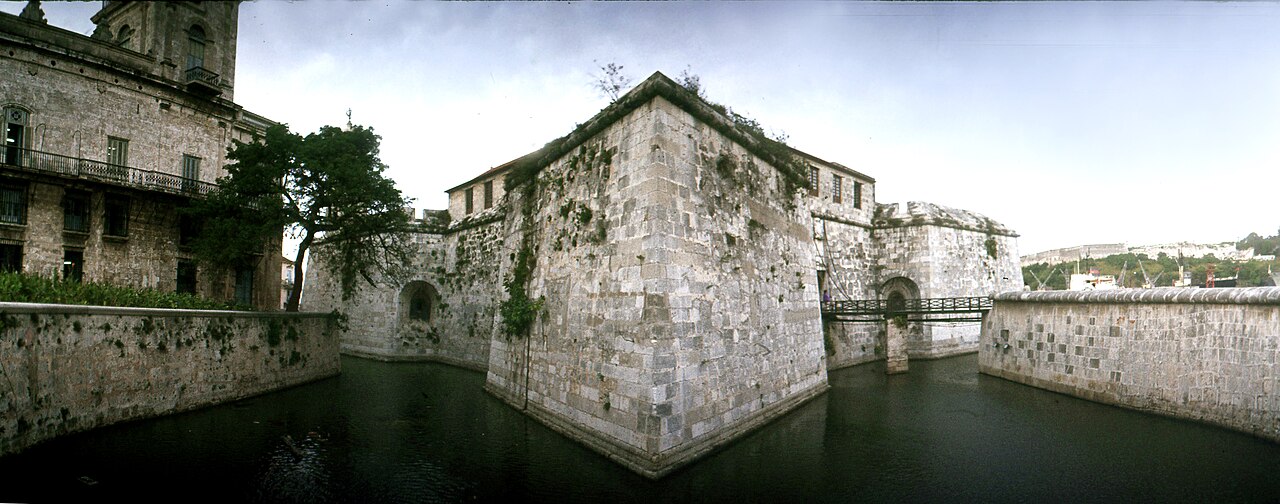
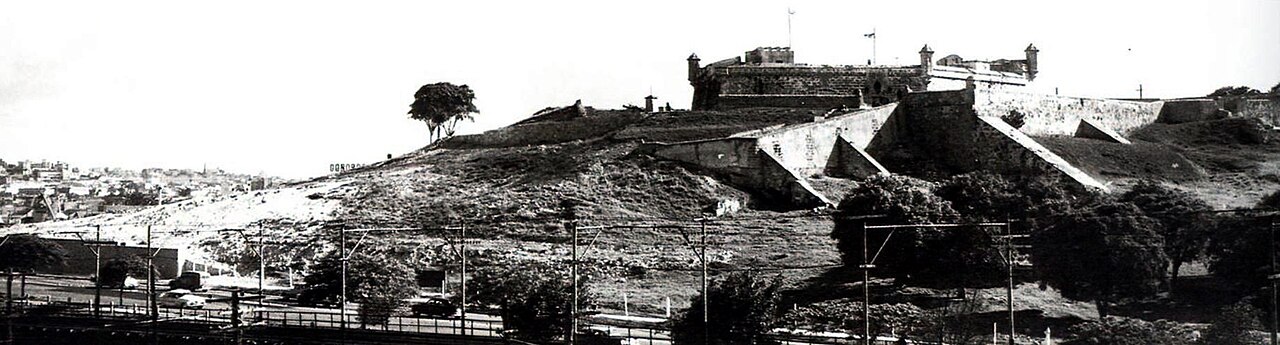
Castillo de Averhoff is a historic hill castle located in Cuba, known for its strategic position and colonial military architecture. Though the exact city location is not widely documented, the castle is an important example of Spanish colonial fortifications in the Caribbean region.

Historical context and significance

The castle was constructed during the period of Spanish colonial rule, likely in the 17th or 18th century, when fortifications were essential for protecting valuable territories and trade routes from pirates and rival colonial powers. Castillo de Averhoff served as a defensive stronghold designed to guard the surrounding area and provide a vantage point over the landscape, which is typical of hill castles built to exploit natural elevation for military advantage.

Its strategic location allowed for early warning of approaching threats and facilitated communication with other nearby fortifications. The castle's role in regional defense reflects the broader military and geopolitical dynamics of the Caribbean during the colonial era, including conflicts between Spain, Britain, and other European powers.

Architectural features and design

The castle exhibits characteristics common to colonial military architecture in the Caribbean, including thick stone walls designed to withstand cannon fire and a compact layout optimized for defense. The use of local materials and adaptation to the terrain are notable features of its construction.

Castillo de Averhoff likely includes bastions or angled walls to cover multiple approaches, a central courtyard, and possibly a keep or main tower serving as the last line of defense. The elevated position enhances visibility and defensive capabilities, consistent with the hill castle classification.

While detailed architectural plans are scarce, the castle's surviving elements demonstrate a blend of functional military design and colonial aesthetics, reflecting the practical needs of defense combined with the stylistic influences of the period.

Preservation and current status

The current condition of Castillo de Averhoff is not extensively documented, though it is generally considered to be partially preserved or in a state of ruins. Efforts to maintain or restore such colonial fortifications in Cuba vary, often depending on local resources and tourism development priorities.

As a historic site, the castle holds cultural and heritage value, representing the colonial military history of Cuba and the broader Caribbean. Visitors interested in colonial fortifications and Caribbean history may find the site significant, though access and facilities might be limited due to its less prominent status compared to other well-known forts.

Castillo de Averhoff in the context of Cuban fortifications

Cuba is home to several important colonial fortresses, including the famous Castillo del Morro and Fortaleza de San Carlos de la Cabaña in Havana. Castillo de Averhoff contributes to this network of defensive structures that protected the island from naval attacks and invasions.

Its location on a hill is typical of many Spanish fortifications, which favored elevated sites for their defensive advantages. This castle complements the larger system of forts by covering strategic inland or coastal approaches, depending on its exact location.

Visiting information and accessibility

Due to limited documentation, specific visiting hours and ticket prices for Castillo de Averhoff are not well known. Potential visitors should seek local guidance or tourism offices for the most current information. The site may appeal to those interested in off-the-beaten-path historical locations and colonial military architecture.

Nearby attractions

Visitors to the region may also explore other colonial-era sites and natural landmarks, enriching their understanding of Cuba's historical landscape and cultural heritage.

Frequently asked questions (FAQ)

What is the historical significance of Castillo de Averhoff?
Castillo de Averhoff is a colonial-era hill castle in Cuba that served as a strategic defensive fortification during Spanish rule, protecting the region from pirates and rival powers.
Can I visit Castillo de Averhoff?
Visiting information is limited, but the castle may be accessible to tourists interested in colonial military architecture. It is advisable to check with local tourism offices for current access details.
What architectural features does Castillo de Averhoff have?
The castle features thick stone walls, a compact defensive layout, and an elevated position typical of hill castles, designed for optimal defense and visibility.

Photo gallery

Castillo de Averhoff
Click to view
1 photo • Click any image to view in full screen

Information

Hill Castle

Loading map...

Visitor reviews

No reviews yet. Been here? Write the first review and help other travelers!

Write the first review

Visited this castle? Share your experience

Your review helps other travelers and adds first-hand knowledge to our encyclopedia.
Write a review

(5/5)

0/2000 characters

Your review will be visible after admin approval

Nearby castles

6.7 km
Atarés Castle — Cuba castle

Atarés Castle

Havana, Cuba

Atarés Castle, officially known as Castillo de Santo Domingo de Atarés, is a distinctive 18th-century hexagonal hilltop fort located in Havana, Cuba. Constructed beginning in 1763 and completed in 1767, this fortification was part of a broader effort to strengthen the defenses of Havana's harbor during the post-Renaissance period. It occupies a strategic position on La loma de Soto, a prominent hill overlooking the harbor, allowing it to serve as an important military lookout and defensive stronghold.Historical context and constructionThe fort was built contemporaneously with the nearby Castillo del Príncipe, reflecting Spain's determination to protect Havana, a key port in the Caribbean, from naval threats and piracy during the 18th century. The Castillo de Atarés was designed to complement existing fortifications by guarding the harbor from a vantage point that offered broad visibility and control over maritime traffic.Its construction began in 1763, shortly after the British occupation of Havana during the Seven Years' War, which exposed vulnerabilities in the city's defenses. The fort's design and placement were part of a renewed Spanish military strategy to fortify the city against future attacks.Architectural featuresAtarés Castle is notable for its hexagonal layout, which is relatively unusual among Caribbean fortifications. This shape allowed for multiple angles of defense and minimized blind spots. The fort's walls are thick and robust, constructed from local stone and mortar, designed to withstand artillery bombardment.The fort includes bastions at its corners, which enabled defenders to cover all approaches with cannon fire. Inside, the structure housed gun emplacements, ammunition storage, and quarters for soldiers. The elevated position of the fort on the hill enhanced its defensive capabilities by providing commanding views of the harbor and surrounding area.Military significance and useThroughout its active military use, Castillo de Atarés served primarily as a coastal defense fortification. Its role was to monitor and deter enemy ships attempting to approach Havana's harbor. Although it never faced a major siege, the fort was a critical part of Havana's layered defensive system, which included other forts such as El Morro and La Punta.In addition to its military function, the fort also symbolized Spanish colonial power in the Caribbean during a period marked by frequent conflicts among European powers vying for control of the region.Preservation and cultural significanceToday, Atarés Castle is well preserved and recognized as part of the UNESCO World Heritage Site designation for Old Havana, granted in 1982. This recognition highlights the fort's importance not only as a military structure but also as a cultural and architectural landmark that reflects the city's colonial history and strategic maritime significance.The fort is accessible to visitors and offers panoramic views of Havana's harbor, making it a popular destination for those interested in military architecture and Cuban history. Preservation efforts have maintained the fort's structural integrity, allowing it to remain a visible reminder of Havana's past defenses.Visitor information and accessibilityVisitors to Atarés Castle can explore the fort's ramparts, bastions, and interior chambers. The site provides interpretive signage that explains its historical context and architectural features. Its location on La loma de Soto means that visitors can enjoy sweeping views of the harbor and the city skyline.The fort is typically open during daylight hours, though specific visiting times and ticket prices may vary. It is advisable for visitors to check local information before planning their visit.

Post-Renaissance (17th–18th c.)
Details
8.7 km
La Real Fuerza Castle — Cuba castle

La Real Fuerza Castle

Havana, Cuba

La Real Fuerza Castle, also known locally as Castillo de la Real Fuerza, stands prominently in the heart of Havana, Cuba. It holds the distinction of being Cuba's oldest building and the second oldest fort in the New World, marking it as a site of immense historical and architectural significance. This fortress embodies the strategic military architecture of the 16th century and reflects the turbulent colonial history of the Caribbean. The origins of La Real Fuerza Castle are deeply intertwined with the defense needs of Havana during the mid-1500s. In 1555, the city suffered a devastating attack by French buccaneers led by Jacques de Sores, which resulted in the destruction of an earlier fortification located slightly to the north of the present site. This event prompted King Philip II of Spain to commission the construction of a new, more formidable fortress to protect Havana's vital harbor and growing colonial settlement. Construction began in 1558 under the supervision of Bartolomé Sánchez, during the administration of Governor Diego de Mazariegos. Construction and labor The building of La Real Fuerza was a significant undertaking that highlighted the logistical and economic challenges of colonial fortification projects. Due to insufficient resources in Cuba, funding was redirected from Mexico to finance the construction. The labor force comprised enslaved Africans, homeless blacks, mestizos, and mulattoes, who worked under harsh conditions enforced by strict penalties including fines and corporal punishment. Even captured French buccaneers were conscripted to contribute to the labor force. This diverse and coerced workforce labored for two decades until the fort's completion around 1578 under the guidance of Francisco de Calona during Governor Francisco de Carreño's tenure. Architectural features and military role By the mid-18th century, La Real Fuerza Castle was recognized as a compact yet robust fortification. It featured a rectangular layout with four bastions, each bastion reinforced with thick, high walls designed to withstand artillery fire. One of the bastions was crowned with a small turret serving as a bell tower and an observation post. This turret played a crucial role in communication, employing light signals to coordinate with San Carlos de la Cabaña Castle across the harbor, enhancing the defensive network of Havana's waterfront. Despite its relatively small size, La Real Fuerza was considered the safest building in Havana for many years. It functioned not only as a military fortress but also as a residence for captains, generals, and governors, underscoring its importance within the colonial administration and defense strategy. Decline and adaptive reuse By the mid-19th century, the strategic value of La Real Fuerza had diminished due to advances in military technology and changes in urban development. In 1854, the Marquess de La Pezuela proposed demolishing the castle, viewing it as an impediment to Havana's expanding commercial waterfront. However, the fortress was spared demolition and instead found new purposes over the subsequent century and a half. Throughout this period, La Real Fuerza was repurposed variously as barracks, government offices, a library, and eventually a museum. These adaptive reuses helped preserve the structure and maintain its relevance within Havana's urban fabric. Current status and visitor information Today, La Real Fuerza Castle is a restored historical monument open to the public as a museum. Visitors can explore its well-preserved bastions, walls, and turret, gaining insight into the military architecture and colonial history of Cuba. The museum offers a small entry fee, making it an accessible cultural attraction for tourists and locals alike. Its location in central Havana places it near other significant landmarks, enhancing its appeal as part of a broader historical itinerary. The castle's preservation and continued use as a museum underscore its enduring legacy as a symbol of Havana's colonial past and resilience. Architectural significance and heritage value La Real Fuerza Castle exemplifies early Spanish colonial military architecture in the Caribbean. Its design reflects the defensive priorities of the period, emphasizing thick walls and bastioned corners to counter artillery threats. The use of a communication turret for signaling across the harbor demonstrates an advanced understanding of coordinated defense strategies. The castle's survival through centuries of urban growth and changing military needs highlights its robust construction and cultural importance. It stands as a testament to the colonial era's complex social dynamics, including the use of forced labor and the strategic imperatives of empire-building. As the oldest surviving building in Cuba, La Real Fuerza is a key heritage site, offering invaluable insights into the island's colonial history and architectural evolution. Its preservation contributes to Havana's rich tapestry of historic sites and continues to attract scholars, tourists, and heritage enthusiasts worldwide.

Early Medieval (5th–10th c.)
Details
8.9 km

Police Fort

Havana, Cuba

The Police Fort, locally known as the Comandancia de la Policia Nacional Revolucionaria de la Habana, is located in the heart of Havana, Cuba. Despite its imposing colonial appearance, this structure is not a traditional fort but rather a 20th-century building that occupies a site with a rich military history dating back to the 16th century. Historical background and site evolution The earliest known construction on this site was a cannon foundry established in 1588. This foundry played a significant role in the production of artillery for the Spanish colonial forces, utilizing copper sourced from the nearby El Cobre mine near Santiago de Cuba. The foundry remained operational until 1624, marking an important phase in Havana's military-industrial activity during the Renaissance period. Following the foundry, the site was occupied by the San Telmo bastion from 1708 to 1730. This bastion was part of the defensive system protecting Havana, reflecting the military architectural styles and strategic needs of the early 18th century. The bastion's ruins later became the foundation for a city arsenal known as the Maestranza de Artillería, which served as a key facility for storing and maintaining artillery and munitions. The Maestranza de Artillería was demolished in 1938, and the current Police Fort was constructed on its site. This modern building was designed to serve as the headquarters for the National Revolutionary Police Force of Havana. Its architecture, while evocative of colonial fortifications, is a product of the 20th century rather than an original colonial military structure. Architectural features and style The Police Fort's design incorporates elements that mimic traditional colonial fort architecture, such as robust walls and a fortress-like appearance, which contribute to its commanding presence in Havana's urban landscape. However, it lacks the defensive features typical of genuine colonial forts, such as battlements, moats, or gun embrasures. This building serves more as a symbolic and administrative center rather than a functional military fortress. Its style does not fit neatly into historical architectural categories like Renaissance or Baroque but rather reflects a 20th-century interpretation of colonial military architecture, intended to convey authority and permanence. Current function and accessibility Today, the Police Fort functions as the headquarters for the National Revolutionary Police Force in Havana. Due to its operational role and security considerations, the building is not open to public visits. Its location in central Havana makes it a notable landmark, although it is primarily recognized for its administrative purpose rather than as a tourist destination. Significance in Havana's military heritage While the current structure is modern, the site itself encapsulates several centuries of Havana's military and industrial history, from the Renaissance-era cannon foundry to the 18th-century bastion and the city arsenal. This layered history reflects the evolving defense needs of Havana as a strategic port city in the Caribbean. The Police Fort stands as a reminder of the city's colonial past and its ongoing role in Cuba's national security framework. Its presence in Havana's historic center links the city's military heritage with contemporary governance.

Renaissance (15th–17th c.)
Details