
Čačvina Castle
Čačvina Castle, known locally as Utvrda Čačvina, is a significant late medieval fortress situated east of the hamlet of Čačvina in the Split-Dalmatia County of Croatia. Perched at an elevation of 705 meters above sea level, this castle occupies a commanding position on a mountain ridge, overseeing a vital passage through the Dinaric Alps that connects the Sinj plains to Bosnia. This strategic location made Čačvina a crucial defensive stronghold during the turbulent centuries of Ottoman expansion into Croatian lands.
The earliest known references to Čačvina Castle date back to the 14th century, with documented mentions in both 1345 and 1371 during the rule of Prince Ivan Nelipčić of Cetinj. It is believed that the castle was constructed on the foundations of an earlier fortification from Late Antiquity, indicating the site's long-standing military importance. The castle's initial purpose was to control and protect the mountain route, which was a key artery for trade and military movements between Croatia and Bosnia.
Architectural features and layout
Čačvina Castle's original structure consisted primarily of two main towers connected by a narrow bailey. This configuration allowed defenders to monitor and control movement through the mountain pass effectively. The castle's elevated position provided extensive views over the surrounding landscape, enabling early warning of approaching forces. During the 15th century, as the Ottoman threat intensified, the castle's defenses were enhanced. The Ottomans, after capturing Čačvina in 1513, added outworks—additional defensive structures designed to strengthen the fortress and improve its resilience against siege warfare.
Historical significance and ownership
Initially held by the Croatian noble Nelipčić family, Čačvina Castle passed to the influential Frankopan family in 1435 through inheritance. However, the castle changed hands quickly and was acquired by the House of Talovac just a year later in 1436. Throughout the 15th century, Čačvina was a frontline fortress in the defense of the Croatian kingdom against the advancing Ottoman Empire, serving as a critical military outpost in the region.
The Ottomans initially attempted to acquire the castle through negotiation but were refused. This refusal led to a siege and eventual capture of Čačvina in 1513. The castle then remained under Ottoman control for over two centuries, until 1717. Its capture marked a significant shift in regional power, contributing to the Ottoman Empire's expansion in the Balkans.
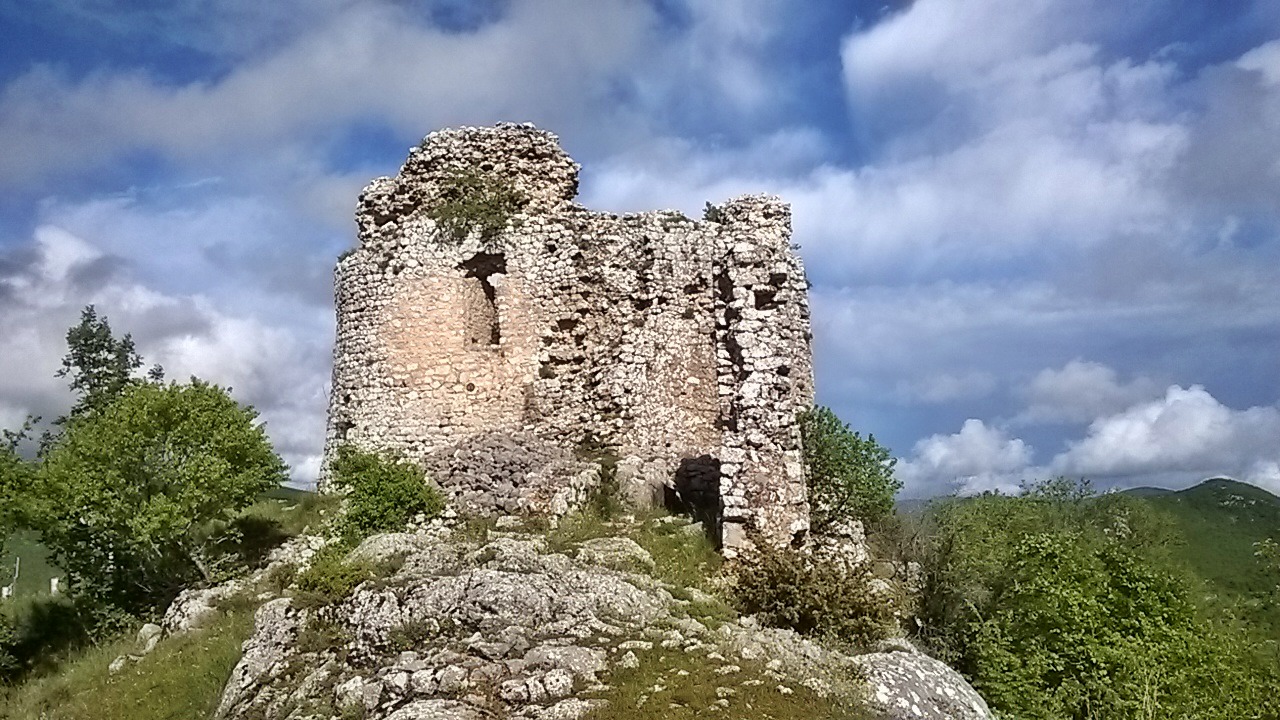
Photo by Brian Eager from Livno, Bosnia and Herzegovina • CC BY 2.0
Decline and current state
Following its long period under Ottoman rule, Čačvina Castle's military importance waned. In 1808, during the formation of the French Illyrian Provinces, the castle was deliberately mined and damaged, which likely led to its ruinous state. Since then, the castle has remained a ruined fortress, with only partial remnants of its original structure surviving.
Today, Čačvina Castle is freely accessible to visitors and offers spectacular views over the surrounding Dalmatian landscape. Despite the unfortunate proximity of modern telecom antennas near the ruins, the site provides a tangible connection to the region's medieval past and its role in the defense against Ottoman incursions.
Strategic importance and legacy
Čačvina Castle's location was vital for controlling the traffic of goods and military forces through the mountain passage linking Croatia to Bosnia. Its elevation and vantage point allowed the castle's garrison to monitor movements across a wide area, making it a key asset during the wars with the Ottomans. The castle's history reflects the broader geopolitical struggles in the Balkans during the late medieval and early modern periods.
The fortress stands as a testament to the military architecture of the time, illustrating the evolution of defensive strategies in response to emerging threats. Its layered history, from a Late Antiquity fortification to a medieval stronghold and later an Ottoman bastion, encapsulates centuries of regional conflict and cultural exchange.
Architectural style and construction details
While specific details about the castle's original architectural style are limited, Čačvina Castle exhibits characteristics typical of late medieval fortifications in the region. The use of two main defensive towers connected by a narrow bailey is indicative of a design focused on maximizing defensive capabilities along a constrained ridge. The later Ottoman additions of outworks reflect adaptations to changing military technologies and siege tactics.
Visitor experience and accessibility
Visitors to Čačvina Castle can explore the ruins freely, enjoying panoramic views of the surrounding mountains and valleys. The site offers a glimpse into the strategic considerations of medieval military architecture. However, the presence of modern infrastructure such as telecom antennas near the ruins somewhat detracts from the historical ambiance. Despite this, the castle remains a worthwhile destination for those interested in Croatian history and medieval fortifications.
Preservation and cultural significance
As a ruined fortress, Čačvina Castle is an important cultural heritage site that highlights Croatia's medieval past and its struggles against Ottoman expansion. Efforts to preserve the ruins focus on maintaining the site's accessibility and preventing further deterioration. The castle's enduring presence continues to inspire interest in the region's history and architectural heritage.
Frequently asked questions (FAQ)
- What is the historical significance of Čačvina Castle?
- Čačvina Castle, built in the 15th century, is a significant example of medieval military architecture in Croatia. It played a crucial role in the defense against Ottoman invasions and showcases the strategic importance of the region during its time.
- When was Čačvina Castle constructed?
- The construction of Čačvina Castle began in the 15th century, specifically around 1460. Over the years, it underwent various modifications, reflecting the architectural styles and military needs of the period.
- Can I visit Čačvina Castle year-round?
- Yes, Čačvina Castle is open to visitors throughout the year, although specific opening hours may vary by season. It is advisable to check the local tourism website for the most accurate visiting times and any potential seasonal closures.
- What are the opening hours for Čačvina Castle?
- The opening hours for Čačvina Castle typically range from 10 AM to 6 PM during the summer months, with shorter hours in the winter. It is recommended to confirm current hours before planning your visit, as they may change due to special events or maintenance.
- Is it possible to access Čačvina Castle by public transportation?
- While public transportation options are limited, it is possible to reach Čačvina Castle by bus or train to nearby towns, followed by a short taxi ride. For the most convenient visit, consider traveling by car, as it provides easier access to the castle's location.
- What are the ticket prices for Čačvina Castle?
- Admission to Čačvina Castle is generally affordable, with ticket prices ranging from around 30 to 50 Croatian kuna for adults. Discounts may be available for students and seniors, so be sure to inquire about any special rates when purchasing tickets.
- When is the best time to visit Čačvina Castle?
- The best time to visit Čačvina Castle is during the spring and early autumn months when the weather is mild and ideal for outdoor exploration. Additionally, visiting during these seasons allows you to enjoy the beautiful surrounding landscapes without the summer tourist crowds.
- Are there any nearby attractions to explore after visiting Čačvina Castle?
- Yes, there are several nearby attractions, including the charming town of Slunj and the stunning Plitvice Lakes National Park. These sites offer additional opportunities for sightseeing and enjoying the natural beauty of Croatia.
- What is the architectural style of Čačvina Castle?
- Čačvina Castle features a mix of Gothic and Renaissance architectural elements, showcasing its historical evolution over the centuries. Its robust walls and strategic layout exemplify the defensive architecture of the period, making it a captivating site for history enthusiasts.
Photo gallery

Loading map...
Visitor reviews
No reviews yet. Be the first to share your experience!