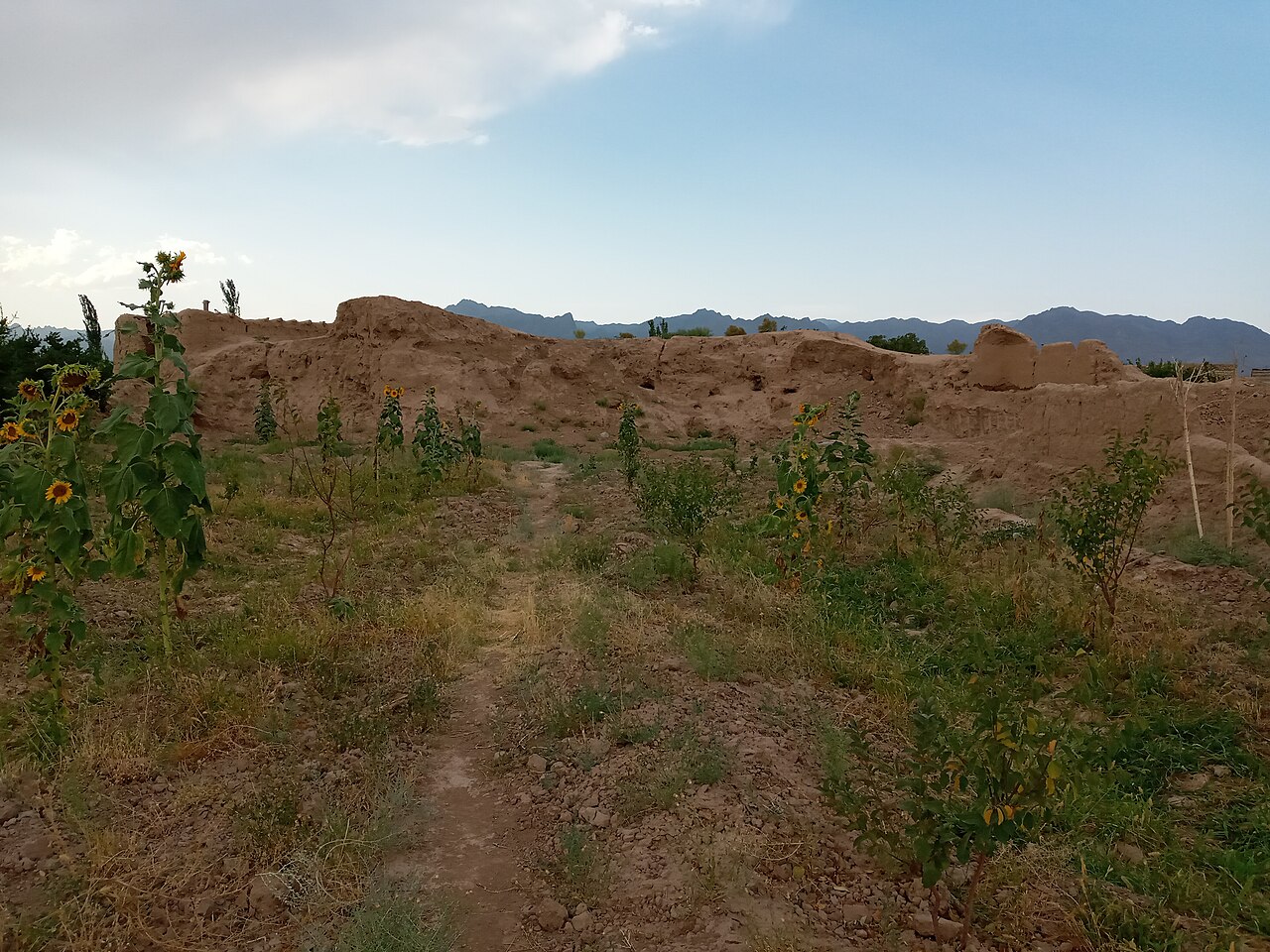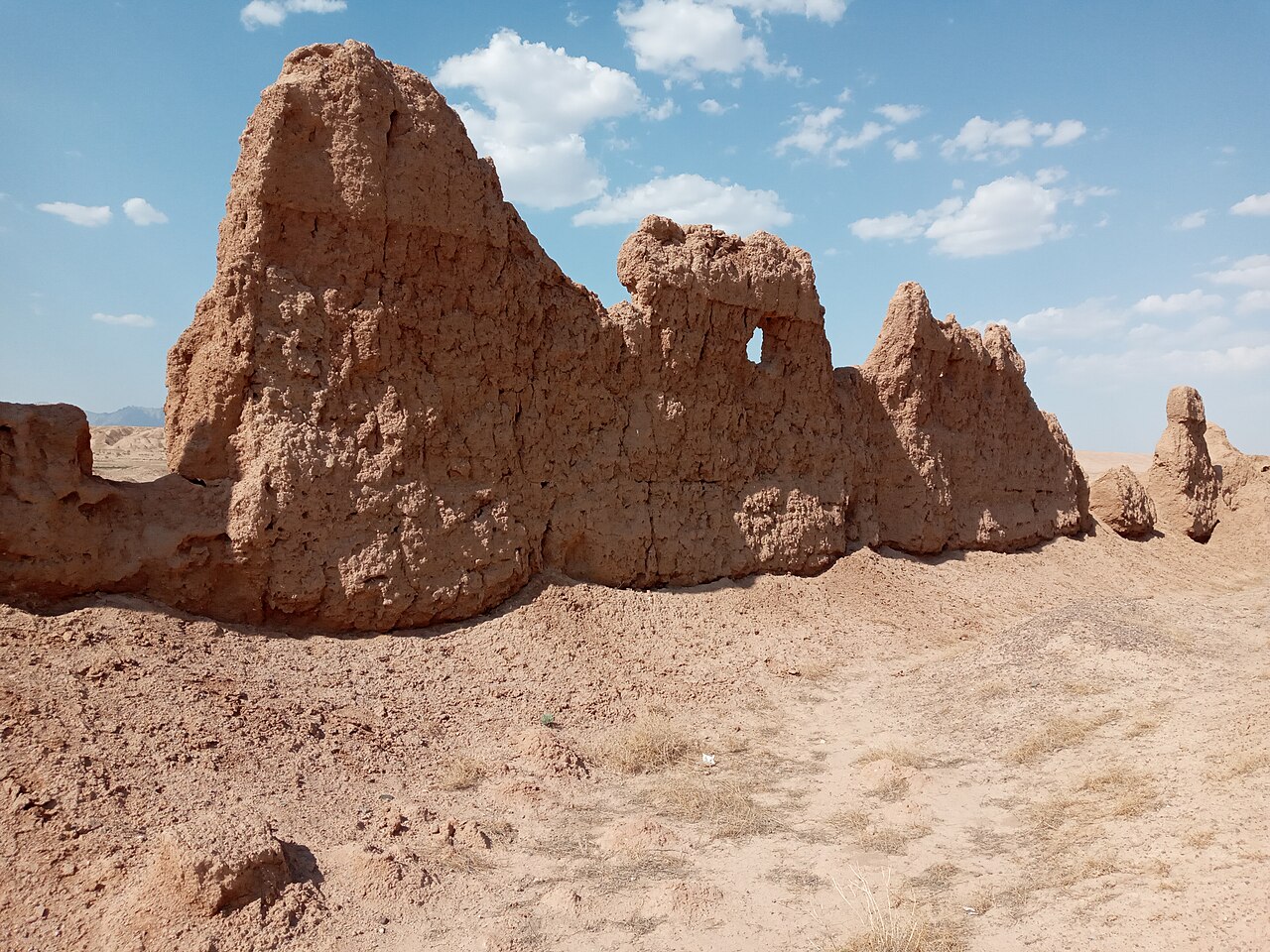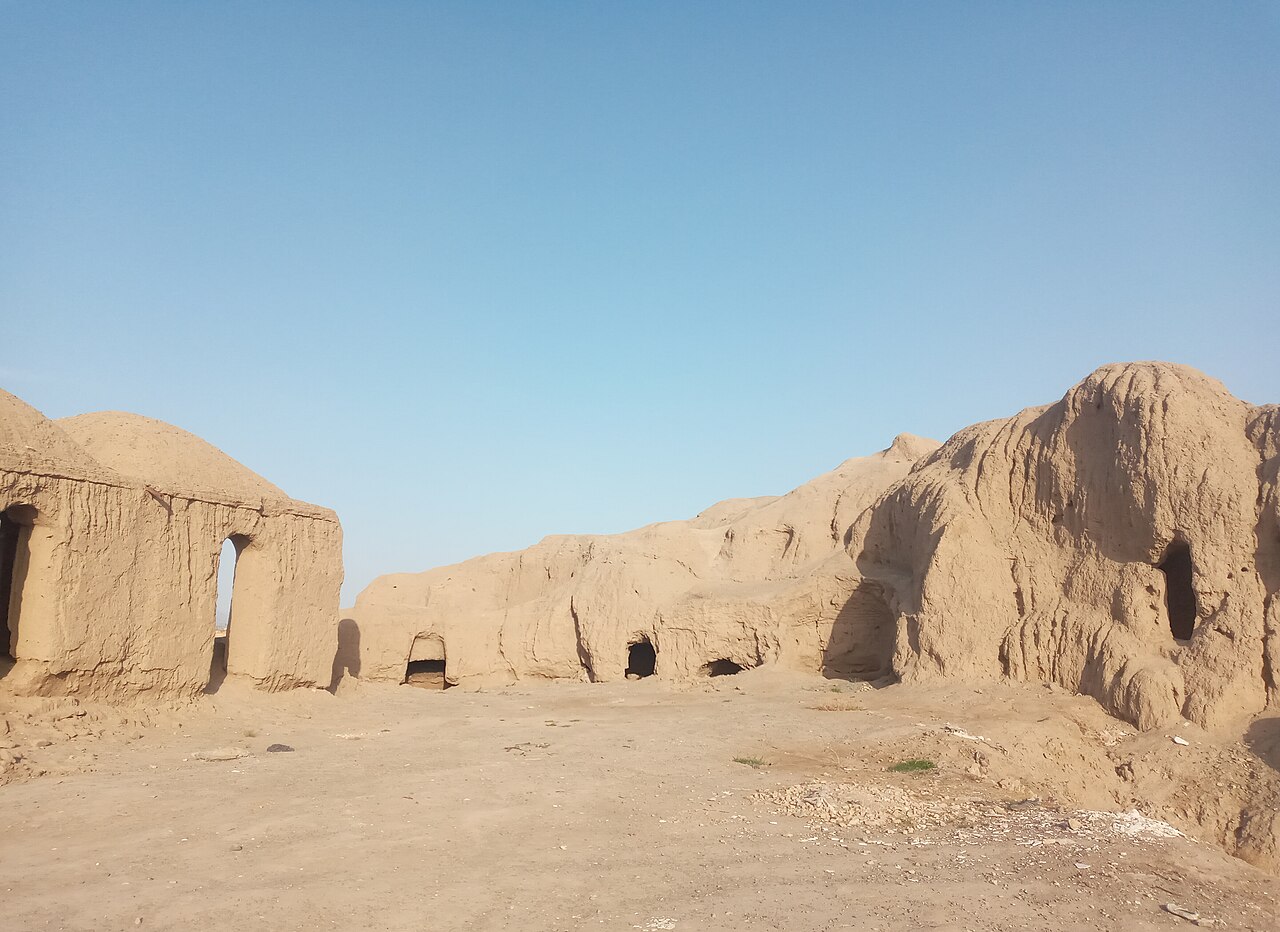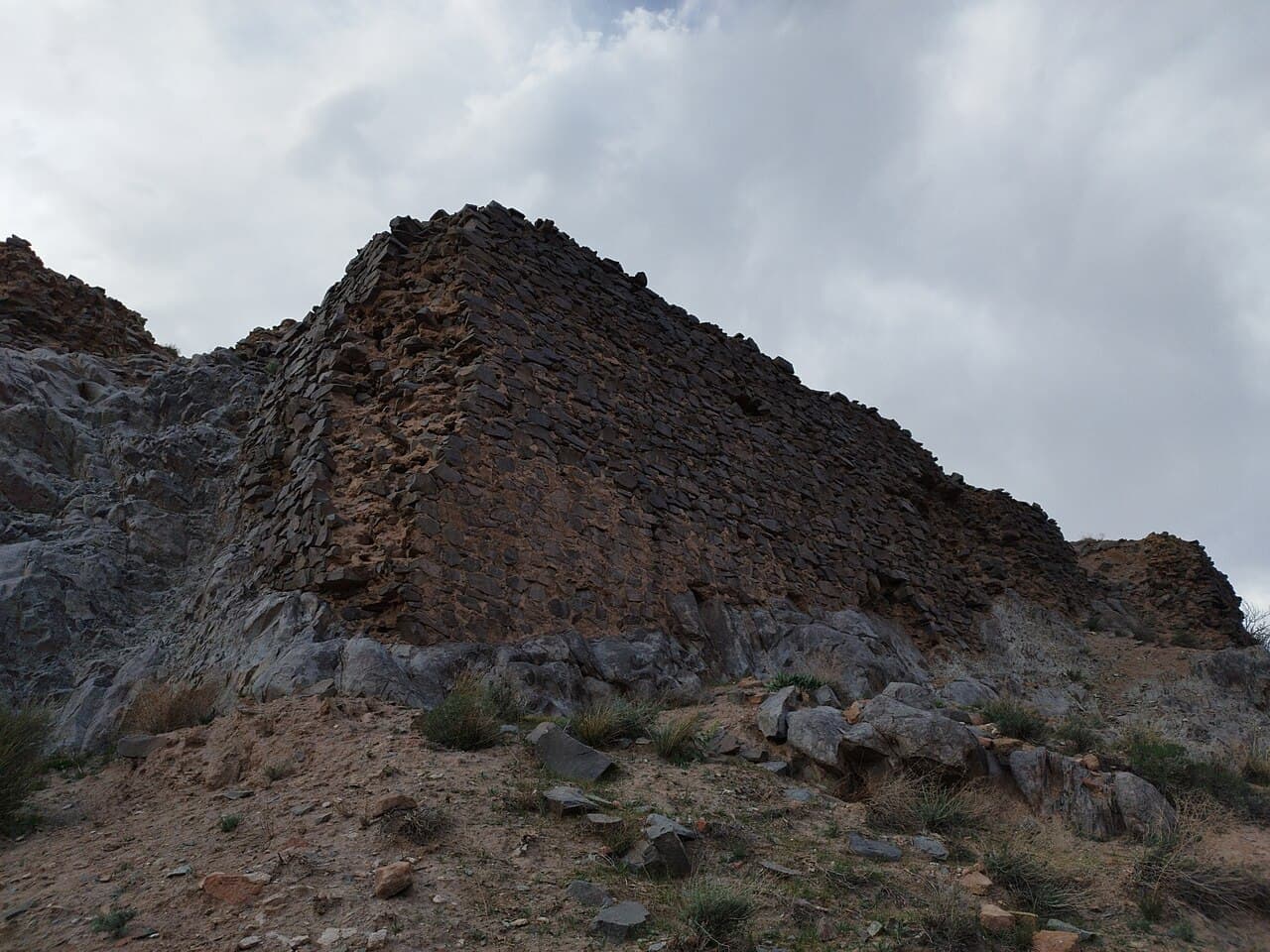
Atashgah Castle (Persian: قلعه آتشگاه) is an ancient fortress from the Sasanian era, situated in the city of Kashmar, Iran. This archaeological ruin stands as a significant remnant of pre-Islamic Iranian military architecture and reflects the defensive strategies of the Sasanian Empire, which ruled from the 3rd to the 7th centuries AD.
Historical context of Atashgah Castle
The castle dates back to the Late Antiquity period, specifically the Sasanian dynasty (224–651 AD), a time marked by extensive fortification construction across the Iranian plateau. As a frontier fortress, Atashgah Castle played a role in protecting the empire's eastern territories against invasions and local unrest. The Sasanians were known for their sophisticated military architecture, combining strategic location with robust construction techniques.
Architectural features and layout
Although now in a state of ruin, Atashgah Castle originally featured typical Sasanian defensive elements. The fortress was built using stone and mortar, with thick walls designed to withstand siege warfare. Its location on elevated terrain provided a commanding view of the surrounding landscape, enhancing its defensive capabilities.
Fortification elements
The castle likely included battlemented walls, watchtowers, and a main gate fortified against attackers. The remnants suggest a complex layout with multiple defensive layers, possibly including an inner keep or citadel. The use of local stone materials and the masonry style align with other known Sasanian military structures.
Internal structures
Within the castle, there would have been residential quarters for the garrison, storage rooms for provisions, and possibly a water cistern to ensure a sustainable water supply during sieges. The spatial organization reflects the dual military and administrative functions of such fortresses.
Significance and preservation
Atashgah Castle is a valuable site for understanding Sasanian military architecture and the historical geography of eastern Iran. Its ruins provide insights into the construction techniques and defensive strategies of the period. Despite its current ruined condition, the site attracts archaeologists and historians interested in the Sasanian era.
Efforts to preserve the castle remain limited, and the site is vulnerable to natural decay and human impact. It is categorized as an archaeological site, emphasizing its importance for cultural heritage and historical research rather than as a fully restored tourist destination.
Visiting Atashgah Castle
While the castle is accessible to visitors, facilities and detailed information on-site may be limited due to its status as ruins. Visitors interested in Iranian history and ancient military architecture find the site noteworthy for its authentic remnants and scenic location near Kashmar.
Frequently asked questions (FAQ)
- What is the historical significance of Atashgah Castle?
- Atashgah Castle, located in Kashmar, Iran, is a remarkable example of Persian architecture and history. It dates back to the Sassanian period and served as a fire temple, reflecting the ancient Zoroastrian practices. The castle's unique design and historical importance make it a key site for understanding the region's religious and cultural heritage.
- When was Atashgah Castle built?
- Atashgah Castle was constructed during the Sassanian Empire, specifically around the 5th century AD. This period marked significant architectural advancements in Persia, and Atashgah stands as a testament to that era's engineering and design prowess. Its construction reflects the socio-religious dynamics of the time.
- How do I get to Atashgah Castle?
- Atashgah Castle is accessible by car or public transportation from Kashmar, which is well-connected to major cities in Iran. Visitors can take a taxi or bus to reach the site, which is located a short distance from the city center. Clear signage and local guides can assist in navigating to the castle.
- What are the opening hours for Atashgah Castle?
- Atashgah Castle is open to visitors daily from 8 AM to 6 PM. However, it is advisable to check for any seasonal changes in hours or special events that might affect accessibility. Visiting during daylight hours ensures the best experience of the castle's architecture and surroundings.
- Can I take photographs inside Atashgah Castle?
- Yes, photography is allowed inside Atashgah Castle, and many visitors enjoy capturing the stunning architectural details and scenic views. However, it's essential to be respectful of the site and other visitors while taking photos. Always check for any specific restrictions that may be in place during your visit.
- Is it possible to explore the surrounding areas of Atashgah Castle?
- Absolutely! The area surrounding Atashgah Castle offers various attractions, including historical sites and natural landscapes. Visitors can explore nearby parks, ancient ruins, and local markets, making it a perfect destination for a full day of adventure.
- What is the best time to visit Atashgah Castle?
- The best time to visit Atashgah Castle is during the spring (March to May) and autumn (September to November) when the weather is mild and pleasant. These seasons provide ideal conditions for exploring the castle and its scenic surroundings. Summer can be quite hot, while winter may bring colder temperatures.
- Are there any ticket prices for visiting Atashgah Castle?
- Yes, there is a nominal entrance fee to visit Atashgah Castle, which helps support its maintenance and preservation. The ticket prices are generally affordable, making it accessible for most visitors. It's advisable to check current rates before your visit, as they may vary.
Photo gallery

Information
Loading map...
Visitor reviews
No reviews yet. Been here? Write the first review and help other travelers!
Write the first reviewVisited this castle? Share your experience
Your review helps other travelers and adds first-hand knowledge to our encyclopedia.