
Brazil
Castle heritage in brazil: an overview
Brazil’s castle heritage and historical fortifications offer a unique glimpse into the country’s colonial past and military architecture. Unlike Europe, where medieval castles dominate the landscape, Brazil’s fortifications primarily reflect the Portuguese colonial era and later periods. These structures were built to protect strategic coastal areas and settlements from foreign invasions and pirate attacks during the 16th to 18th centuries.
The fortifications of Brazil are characterized more by fortresses, defensive walls, and coastal forts rather than traditional medieval castles. Their forms and functions were shaped by the challenges of defending vast tropical coastlines and river estuaries. These historic fortifications remain significant cultural landmarks and offer insights into the architectural and military history of Brazil.
Continue reading below — scroll for the full article.
Castles in Brazil
Discover 3 magnificent castles across the country


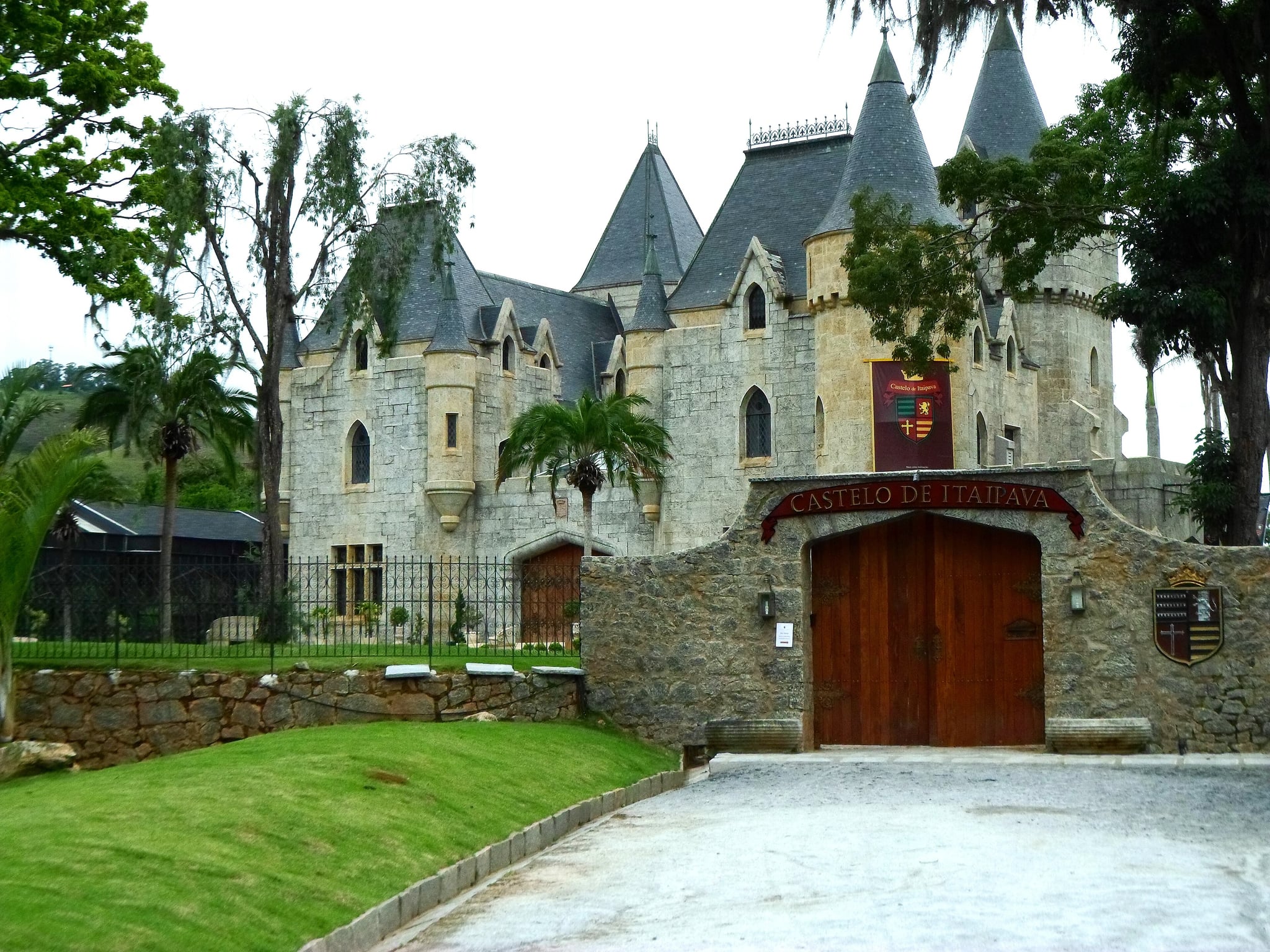

Historical background and colonial influences
The development of fortifications in Brazil is closely tied to the arrival of the Portuguese in the early 16th century. The Portuguese crown prioritized the defense of its new overseas territories due to threats from other European powers such as the French, Dutch, and English. As a result, the building of forts and defensive structures began soon after the establishment of settlements like São Vicente (1532) and Salvador (1549).
During the 16th and 17th centuries, the colonial authorities focused on creating fortifications that could safeguard ports, cities, and trade routes. The fortresses were often constructed using local materials such as stone, lime, and sometimes coral, blending European military design with adaptations suitable for the tropical environment. This period marks the most significant phase of fortification construction in Brazil.
Types of fortifications in brazil
Fortresses and coastal forts
The most common type of fortification in Brazil is the fortress, built to guard strategic coastal points. These large defensive structures served as military bases and protected harbors from naval attacks. Notable examples include Forte de São Marcelo in Salvador, which sits on a small island just off the coast, and Forte de Santa Cruz da Barra in Niterói, which guarded the entrance to Guanabara Bay near Rio de Janeiro.
Defensive walls and fortified cities
Several colonial cities in Brazil were surrounded by defensive walls or ramparts to protect inhabitants from invasions and raids. While not as extensive as European city walls, these fortifications were crucial in the early defense strategy. The historic center of Olinda, for example, retains remnants of its defensive walls, which helped protect the city during Dutch invasions.
Watchtowers and smaller batteries
In addition to large fortresses, the coastline was dotted with watchtowers and smaller artillery batteries. These served as early warning systems and supplementary defense points. They were typically positioned at elevated locations or narrow bays to maximize visibility and control over maritime approaches.
Architectural styles and influences
The architecture of Brazil’s fortifications is strongly influenced by Portuguese Renaissance military design, which itself drew from Italian and Spanish fortification principles. The use of star-shaped bastions, thick walls, and angled ramparts was intended to withstand cannon fire and improve defensive coverage.
Many fortresses exhibit a combination of baroque ornamental elements alongside functional military features, reflecting the transition from purely utilitarian constructions to more embellished colonial architecture. For instance, the Forte dos Reis Magos in Natal shows a classic star-shaped design with simple, robust walls, while forts like São Marcelo include decorative motifs and more complex layouts.
Adaptations to the tropical climate are also evident. Portuguese engineers incorporated wide courtyards, ventilation spaces, and used local stone with lime mortar to ensure durability against humidity and saltwater exposure.
Regional variations in fortifications
The distribution and style of fortifications in Brazil vary by region, largely influenced by the strategic importance of coastal locations and the intensity of foreign threats. The northeastern coast, with its valuable sugar plantations and ports, hosts some of the most prominent forts.
Northeast brazil
This region contains several key fortresses built to repel Dutch and French incursions during the 17th century. The Forte dos Reis Magos in Natal and the Forte de Santa Cruz da Barra near Rio de Janeiro are prime examples of this defensive network. The forts here often have star-shaped bastions and strong artillery placements.
Southeast brazil
The southeastern coast, especially around Rio de Janeiro and São Paulo, features fortifications designed to protect growing colonial cities and important harbors. Forte de São Marcelo, built on an artificial island, demonstrates innovative use of maritime geography for defense. Smaller batteries and watchtowers were also common in this region to guard against pirate raids.
South and interior regions
Compared to the coast, the southern and interior regions of Brazil have fewer fortifications due to lower colonial settlement density and different military threats. Defensive structures here were often simpler and focused on controlling indigenous populations or border disputes rather than European naval attacks.
Notable periods of castle construction
The most significant phase of fortification building in Brazil occurred between the mid-16th and late 18th centuries. This period coincides with intensified colonial rivalry and the consolidation of Portuguese control. Early forts were primarily simple wooden or earthwork constructions, replaced later by stone fortresses as resources and expertise increased.
The 17th century saw a surge in construction following threats from Dutch and French privateers. Many coastal forts were upgraded or newly built during this time, incorporating the latest European military architectural trends. The 18th century focused more on maintenance and modernization of existing fortifications, reflecting shifts in military technology and colonial priorities.
Preservation and current state of brazilian fortifications
Many of Brazil’s colonial fortifications have been preserved as historical monuments and cultural heritage sites. Efforts by federal and state heritage agencies have focused on restoring and maintaining these structures for educational and tourism purposes. Some forts, like Forte dos Reis Magos and Forte de Santa Cruz da Barra, are well-maintained and open to the public.
However, other fortifications face challenges due to environmental factors, urban encroachment, and limited funding. Coastal erosion and humidity accelerate the deterioration of masonry, while some sites have suffered from neglect. Preservation initiatives continue to balance the need for conservation with public accessibility and awareness.
Castle tourism and accessibility in brazil
Historic forts and castles in Brazil have become popular tourist attractions, especially in cities with rich colonial legacies. Many sites offer guided tours, museums, and cultural events that highlight their historical and architectural significance.
Key destinations include the Forte dos Reis Magos in Natal, which features panoramic views and interactive exhibits, and Forte de São Marcelo in Salvador, accessible by boat and providing insight into maritime defense. These attractions are integrated into broader cultural tourism routes that explore Brazil’s colonial past.
Accessibility varies; some forts are easily reachable by road or boat, while others require more effort due to their remote island or coastal positions. Visitor facilities and interpretative programs continue to improve, helping to enhance the experience for domestic and international tourists.
Cultural significance and heritage
Brazil’s colonial fortifications represent more than military history; they embody the cultural and historical identity of the nation. These structures reflect the complex interactions between indigenous peoples, European colonizers, and African influences brought through the transatlantic slave trade.
Fortifications like Forte de Santa Cruz da Barra serve as symbols of resilience and territorial defense, while also being sites of memory relating to colonial expansion and conflict. They contribute to Brazil’s diverse heritage by preserving architectural styles and historical narratives unique to the Americas.
Through education, preservation, and tourism, these castles and forts continue to foster appreciation for Brazil’s multifaceted past and its place within the broader story of global colonial fortifications.
Castle Locations in Brazil
Explore all castle locations on an interactive map
Loading castle locations...