
Trascău Fortress
Trascău Fortress is an important high medieval castle ruin located in Romania, dating back to the 13th century. Though its exact city location is not well documented, the fortress is situated in the historic region associated with the Trascău Mountains, a subrange of the Apuseni Mountains in Transylvania. This site represents a significant example of medieval defensive architecture in the area, characterized by its strategic placement and surviving remains.
Historical context and significance
The 13th century was a period marked by frequent territorial conflicts and the consolidation of feudal power in Transylvania. Trascău Fortress was likely constructed as a defensive stronghold to control important routes through the region and to assert dominance over the surrounding lands. Castles like Trascău played a crucial role in the defense against invasions and local skirmishes, serving as military bases and administrative centers.
The fortress's position in the hill castle category, perched on elevated terrain, provided natural defensive advantages. This location allowed defenders to monitor and control access to the surrounding valleys and passes, making it a vital point of military strategy during the medieval period.
Architectural features and layout
Today, Trascău Fortress exists primarily as archaeological ruins, with remnants that reveal its original layout and construction techniques. The castle was likely built using local stone materials, common for the period, which contributed to its durability despite centuries of decay.
The fortress would have included typical medieval defensive structures such as curtain walls, a keep or donjon, and possibly towers that provided vantage points for surveillance and defense. The remains suggest a compact design optimized for defense rather than residential comfort.
Although the superstructures have largely collapsed, archaeological studies have uncovered foundations and wall fragments that indicate a well-planned fortification. The use of natural rock formations as part of the defensive system is also a characteristic feature, integrating the fortress seamlessly with the rugged terrain.
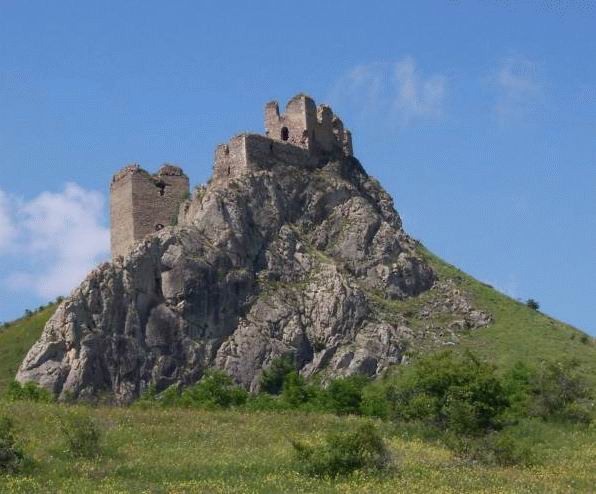
Photo by Original uploader was Utilizator:Grossecali at ro.wikipedia • Public domain
Excavations and archaeological research
As an archaeological site, Trascău Fortress has been subject to various excavations aimed at uncovering its historical layers and understanding its role in medieval Transylvania. These excavations have provided insights into the construction methods, the daily life of its occupants, and the military technologies of the time.
Artifacts recovered from the site include medieval pottery shards, weapon fragments, and tools, which help reconstruct the economic and social aspects of the fortress's inhabitants. The research contributes to a broader understanding of the region's medieval history and the network of fortifications that protected it.
Current condition and preservation efforts
The fortress remains in a state of ruins, with much of the original structure lost to time and natural erosion. Despite this, the site retains significant archaeological value and attracts interest from historians and visitors intrigued by medieval fortifications.
Preservation efforts focus mainly on stabilizing the existing ruins to prevent further deterioration and facilitating archaeological study. Visitor access may be limited due to the fragile condition of the remains and the site's remote location.
Visitor information and accessibility
While Trascău Fortress is not as developed as major tourist castles, it offers a unique experience for those interested in medieval history and archaeology. The site is best suited for visitors who appreciate historical ruins and natural landscapes.
Access to the fortress typically requires a hike through hilly terrain, reflecting its original strategic placement. Visitors should prepare for uneven paths and limited facilities. Guided tours may be available through local heritage organizations, providing context and detailed information about the site's history and significance.
Frequently asked questions (FAQ)
- How do I get to Trascău Fortress?
- Trascău Fortress is located near the village of Măgura, Romania. The easiest way to reach it is by car, with parking available nearby. Public transport options may be limited, but local taxis can provide access from nearby towns.
- What is the historical significance of Trascău Fortress?
- Trascău Fortress dates back to the 13th century and played a vital role in the defense against invasions and territorial disputes in the region. It is an important symbol of medieval architecture in Romania and provides insights into the feudal history of Transylvania.
- When was Trascău Fortress built?
- Construction of Trascău Fortress began in the late 13th century, around 1270. It was strategically built to oversee the surrounding area and protect trade routes, making it a crucial military stronghold during its time.
- Can I visit Trascău Fortress year-round?
- Yes, Trascău Fortress is open for visitors throughout the year. However, the best time to visit is during the spring and autumn months when the weather is mild and the surrounding landscape is particularly scenic.
- Why is Trascău Fortress an architectural marvel?
- The fortress features a mix of Gothic and Romanesque architectural styles, showcasing its historical evolution over the centuries. Its well-preserved walls and strategic position on a cliff make it a stunning example of medieval military architecture.
- Is it possible to explore the fortress grounds?
- Yes, visitors are welcome to explore the fortress grounds, including the towers and walls. Guided tours are available, providing detailed insights into its history and architecture, which enhances the visitor experience.
- What are the opening hours for Trascău Fortress?
- Trascău Fortress is typically open from 9 AM to 6 PM during the summer months, while winter hours may vary. It's recommended to check the official site or local tourist information for the most current opening times before your visit.
- Are there any ticket prices for visiting Trascău Fortress?
- Entry to Trascău Fortress is usually free, but donations are appreciated to help with the maintenance of the site. Occasionally, there may be small fees for guided tours or special events, so it's wise to confirm in advance.
- What nearby attractions can I visit while at Trascău Fortress?
- While visiting Trascău Fortress, you can also explore the beautiful Apuseni Mountains, which offer hiking trails and stunning natural scenery. Additionally, nearby towns such as Alba Iulia and Turda provide rich cultural experiences and historical sites worth visiting.
Photo gallery

Photo by Original uploader was Utilizator:Grossecali at ro.wikipedia•Public domain
Information
Loading map...
Visitor reviews
No reviews yet. Be the first to share your experience!